

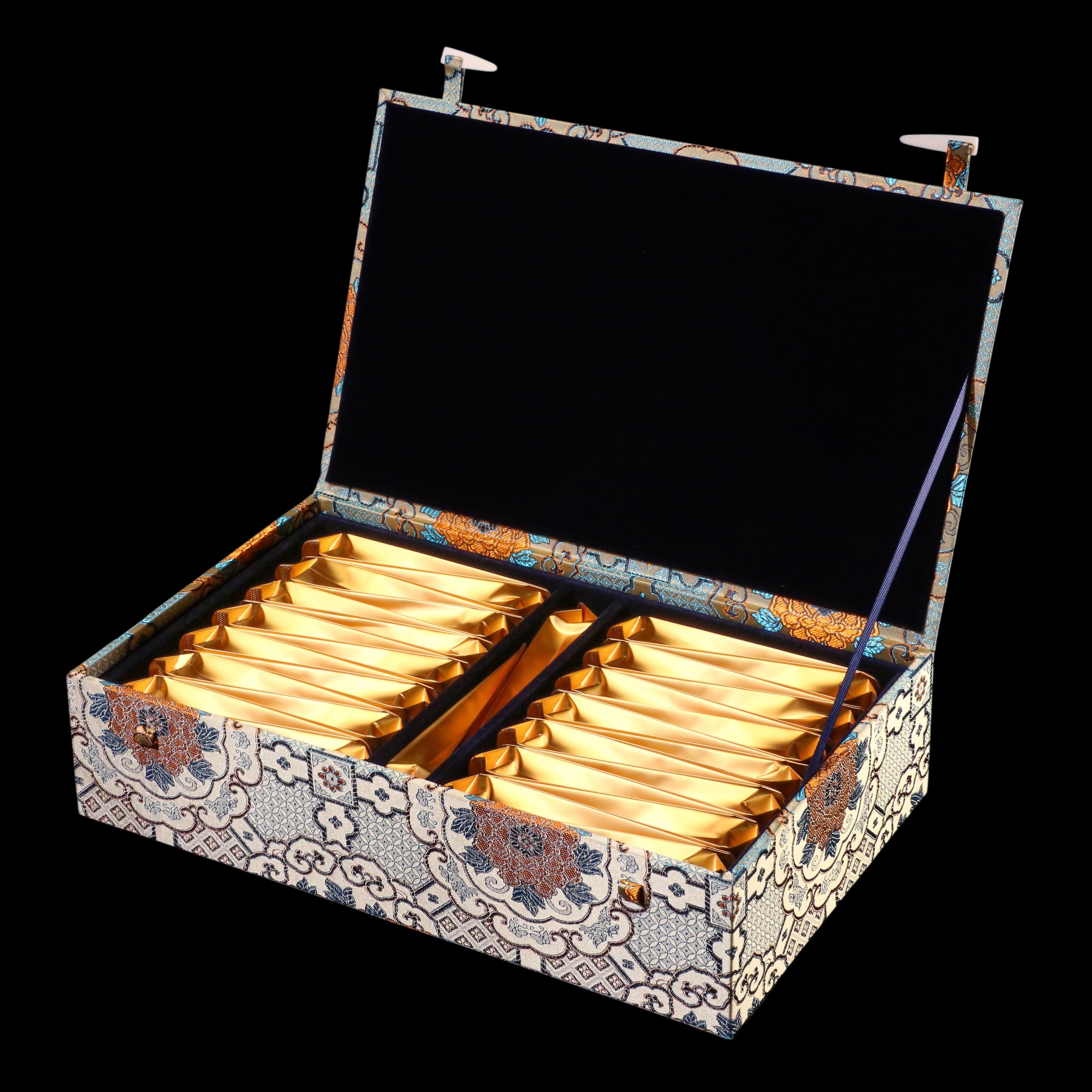
Wuyuanjian Stream Da Hong Pao


Wuyuanjian Stream Da Hong Pao
Wuyuanjian Stream Da Hong Pao
Wuyuanjian Stream Da Hong Pao
Appreciation
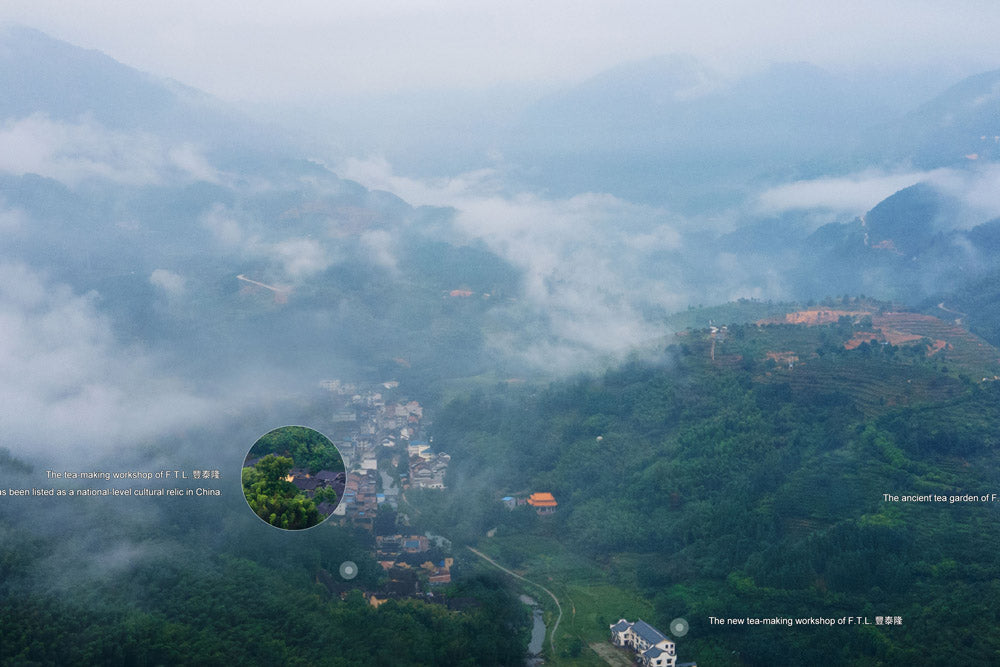
Wuyuanjian Stream is located in the core production area of Wuyi Mountain. The terroir between Matouyan and Sanyangfeng endows Da Hong Pao with a unique "rocky character and orchid fragrance".
Year : 2026
Grade : Premium Grade
Producer : Dayatang
Origin : Core Zheng Yan (True Cliff) Area, Wuyi Mountain
Variety : Traditional Wuyi Rock Tea - Da Hong Pao
I. Dry Tea Quality Identification
Shape: Tight and plump, ink-brown in color with hidden golden fuzz. Light roasting (70-80% roasted) reveals fine "toad skin" texture.
Texture: Elastic when twisted by hand, no crumbs.
Initial Aroma: Faint and distant orchid fragrance blended with a cool earthy note, free of heavy smoky residue.
II. Aroma: Layered Tasting Experience
Dry/Warm cup aroma: Elegant orchid fragrance with a hint of honey sweetness, more vivid after awakened by the residual warmth of the cup.
Brewing aroma: When pouring boiling water at height, the orchid fragrance rises prominently, mingling with Wuyuanjian’s unique "earthy mineral note" to form the core charm of "rock character and orchid fragrance."
Cup Bottom Aroma: After the tea liquor is fully poured out, the orchid fragrance is accompanied by a faint fruity note, lingering even when left undisturbed.
III. Tea Liquor: Taste to Perceive Charm
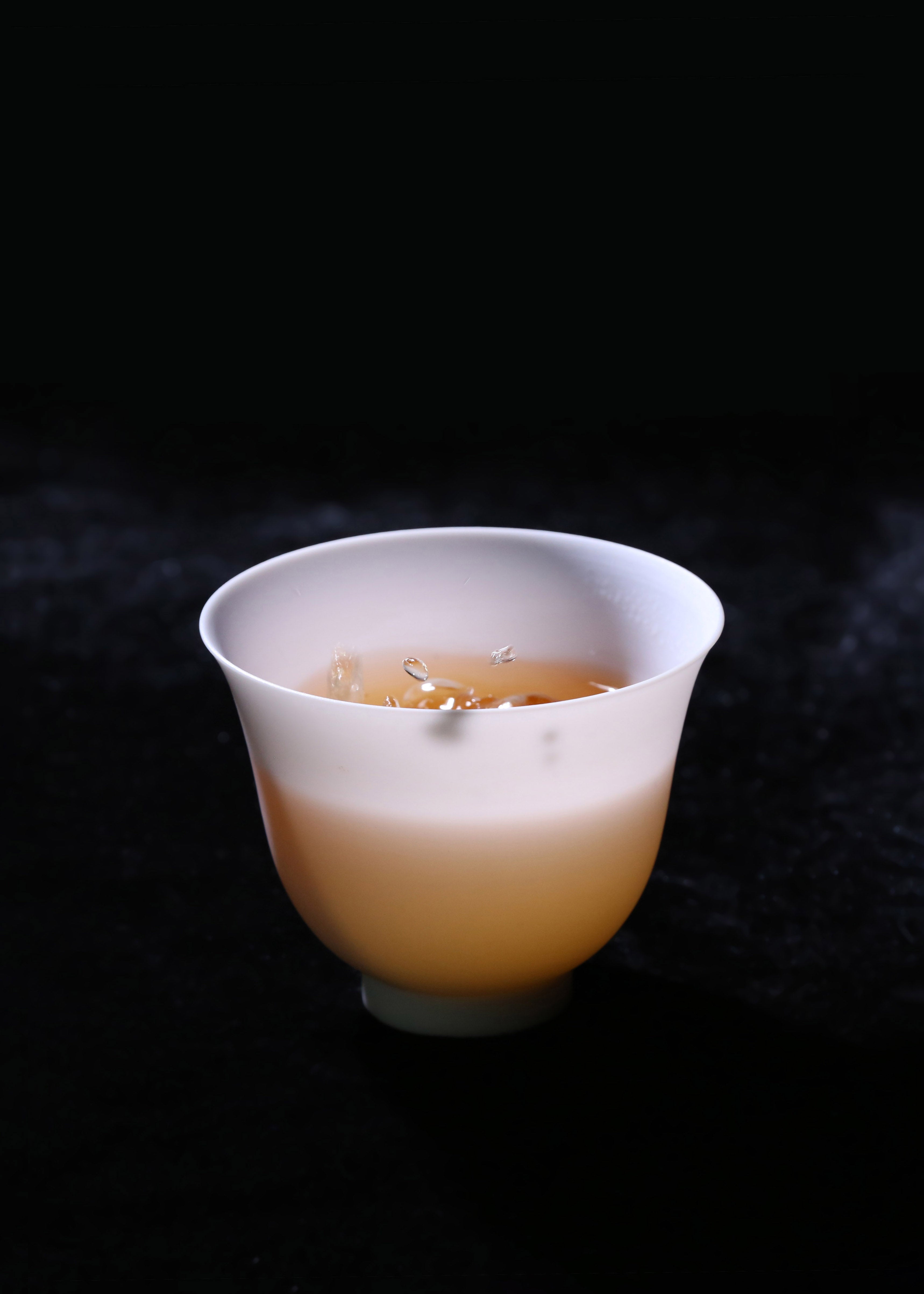
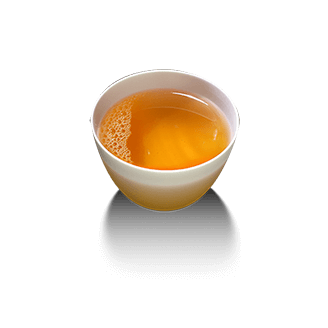
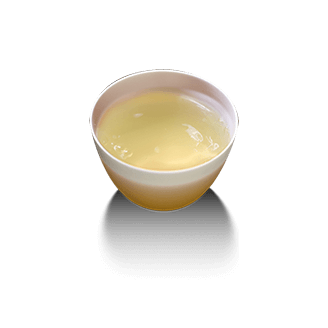
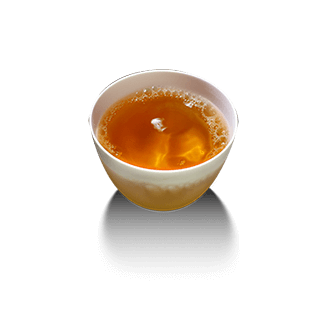
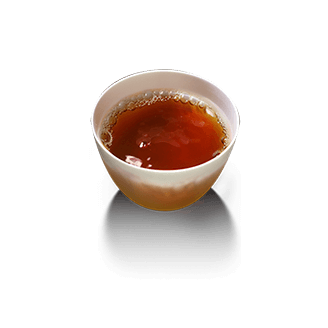
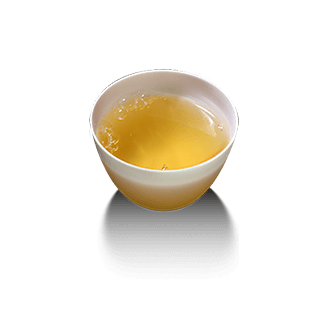
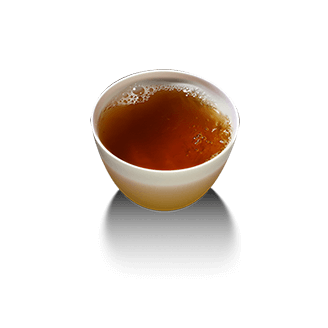
Liquor Color: Pale orange-red, translucent like amber, with a thin golden rim glowing in white porcelain cups.
Taste: Mellow and smooth on the palate, no astringency, with a gentle "rock character sensation" (mineral sweetness) touching the tip of the tongue.
Sweet aftertaste: Fluid secretes at the bottom of the tongue 3 seconds after swallowing. The lingering finish carries orchid fragrance, with a long-lasting coolness in the throat.
IV. Infused Leaves: Test of Terroir
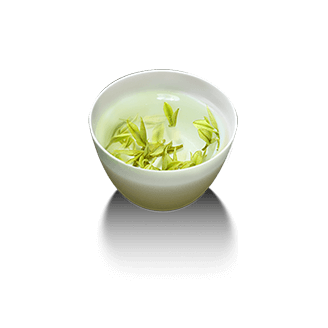
Color: Yellowish-green and uniform bright, with thin and even "red edges on green leaves" at the leaf margins, no scorching or dead parts.
Leaf Texture: Thick, plump and elastic, not easily crushed when gently squeezed — the low-light and high-humidity environment allows tea trees to accumulate abundant nutrients.

The liquor of Wuyuanjian tea presents an amber hue with a distinct golden rim, reflecting its superior quality.

Wuyuanjian Stream Dried Tea
A friend of mine was once invited by a collector to taste tea. The host solemnly took out a cake of tea, his tone brimming with self-satisfaction: "This cake is worth 200,000 yuan. Just one brew today costs 30,000 yuan." His demeanor didn’t seem like he was opening a tea cake, but rather showing off a room full of pearls and jade—To prove his words, he specially presented the auction certificate, then rambled on about the "knowledge" of tea, his every word dripping with ostentation.
Once the tea liquor is brewed, my friend raises the cup with full expectation to savor it carefully, only to feel instantly hesitant. The tea is over-steeped—bitter and astringent, rushing straight to the throat, making it truly hard to swallow. He has always preferred light tea, yet refusing to drink would be rude. This scene is not like appreciating tea at all; instead, it feels like showing off through overly strong tea, which in turn loses the respect that tea should convey.
Precious teas and exquisite utensils are certainly rare, but maintaining a calm mindset toward external possessions is the true essence of tea tasting. As the saying goes: “There is no hierarchy among teas in the cup; only variations in aroma intensity in the pot.”
What kind of state of mind should one bring to drinking tea? Perhaps the answer lies in another experience.
Recently, a friend treated me to tea. He remembered the types of tea we prefer, carefully selected one, and offered it with both hands. During the gathering, he listened attentively to our thoughts on each brew.
At that moment, the tea’s price, vintage, and flavor differences no longer mattered. Even if it wasn’t a top-tier premium tea, even if his circumstances were limited, or he’d accidentally bought an ordinary one—that feeling of being sincerely cherished had long transcended all material measurements.
Brewing
Utensils
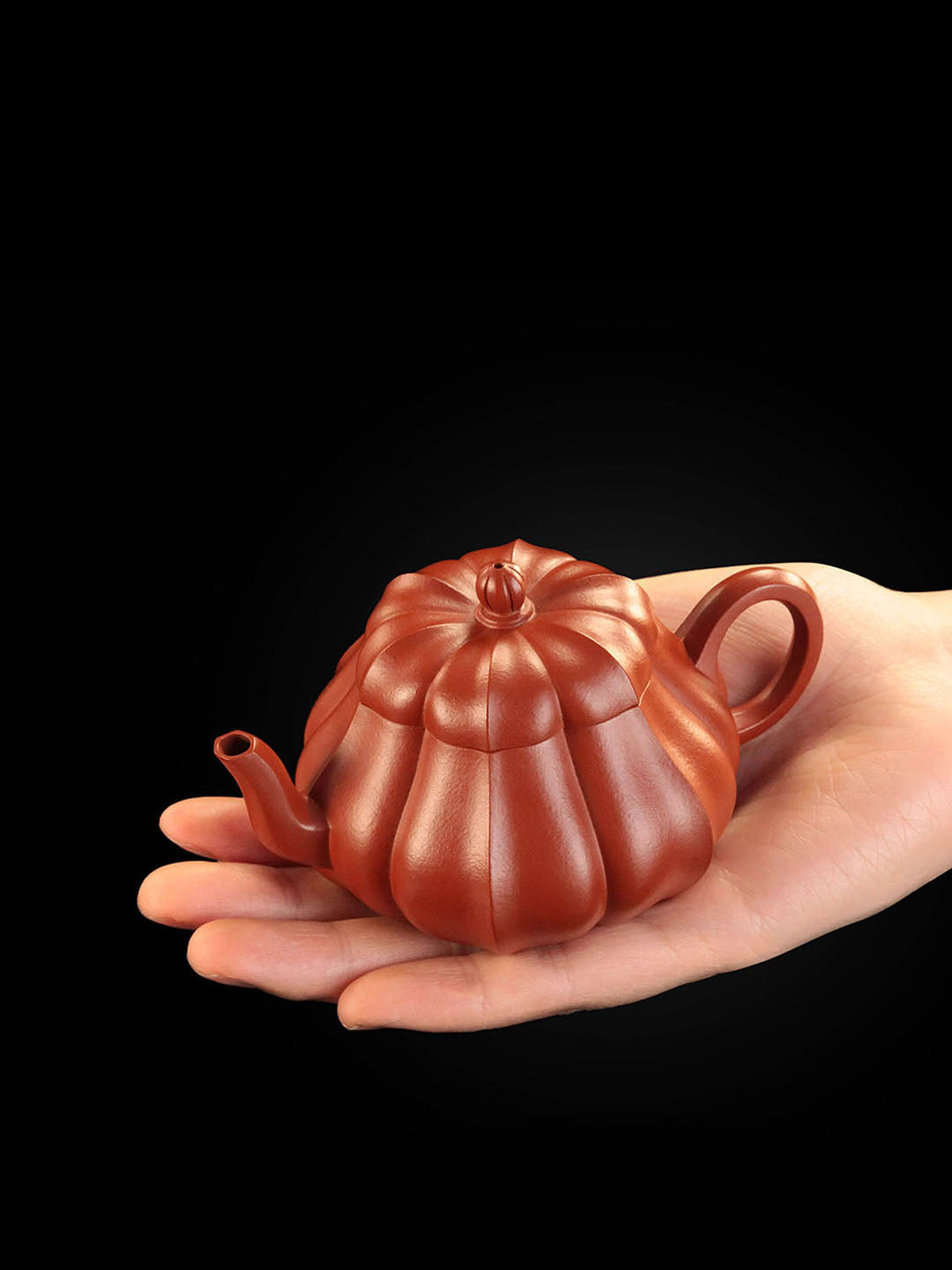
- Tea Ware : Gaiwan (preferred by locals for easy observation of liquor color and wet leaves) or purple clay teapot (excellent for retaining aroma) is recommended, with a capacity of 100-150ml.
- Water source : Purified water is a must; mineral water and tap water are not recommended.
- Water temperature : 100℃ boiling water (high temperature is required to stimulate the aroma of oolong tea).
- Tea leaves : Use 8-10g of dry tea (about 1/3 to 1/2 of the container’s volume, adjustable according to personal taste).
Warm the Ware & Clean
Rinse the tea ware with boiling water to raise the temperature of the teapot/gaiwan, preventing the tea liquor from cooling too quickly and affecting the flavor.
Add Tea & Awaken
Put the dry tea into the warmed teapot/gaiwan, shake gently, and smell the dry tea aroma (such as the caramel, floral, or fruity notes of rock tea). This step is called "aroma shaking."
brewing
1st Infusion: Never blindly follow the "tea washing" practice — the first brew is truly the essence! Pour boiling water and pour out the liquor immediately (about 10 seconds) to avoid bitterness from over-steeping.
From the 2nd Infusion Onward: Extend each steeping time by 5-10 seconds (adjust based on liquor concentration).
After the 4th Infusion: Appropriately lengthen the steeping time.
Key Tips: Pour water from a height to let the water flow hit the bottom of the tea leaves, stimulating aroma; drain the liquor completely when serving to avoid steeping in stagnant water.
Tasting
Key points
1: Never blindly follow the "tea washing" practice. The first brew is truly the essence, hailed by tea connoisseurs as the "reviving brew."
2: Water is the paramount priority.
Choose Qualified purified water; never use alkaline water.
(For commercially available mineral water brands, their water sources and quality indicators vary. So-called "high-quality mineral water and mountain spring water" may cause loss of functional components and inhibition of aroma in tea.)
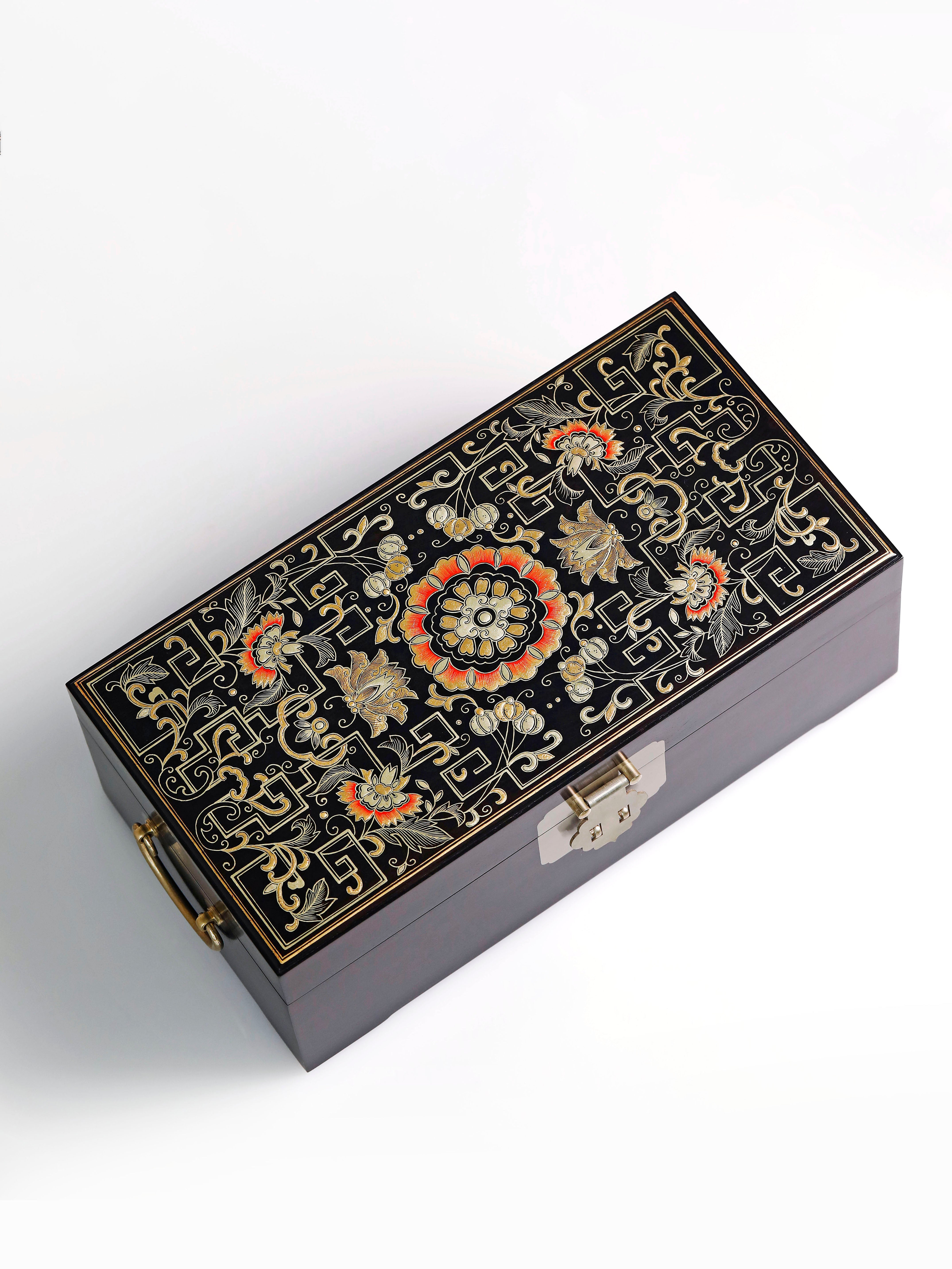
The brocade box contains 30 tea bags .
effectively blocking out oxygen, light, and moisture, long preserving the original aroma and nutrients of the tea, and extending its freshness.
Stable, dry, light-proof and odor-free
I. Sealed Storage Containers as Priority
Lightly roasted tea does not require "ventilated aging" like heavily roasted tea. Instead, "sealing to retain aroma" should be the primary goal.
Unsuitable Containers:
Plastic jars (prone to releasing odors)
Paper jars without airtight lids (poor moisture resistance)
Glass jars (light-transmissive, accelerating tea oxidation)
II. Four Protections: Temperature, Humidity, Light, and Odor Isolation
Lightly roasted tea is more sensitive to the environment than heavily roasted tea, so the following risks must be strictly avoided:
- Temperature : Maintain a normal temperature of 20-25℃ and avoid excessive temperature differences. Place the tea near heat sources (such as radiators, stoves, or windowsills exposed to direct sunlight), as high temperatures will accelerate the volatilization of aromatic substances (such as terpenes) in the tea, causing the aroma to dissipate; refrigeration is also not recommended (the high humidity in refrigerators can easily cause condensation when the tea is taken out, and the tea will absorb moisture).
- Humidity : Maintain an ambient humidity of 50%-60% . Humidity > 65% can easily breed mold, and the tea will have a "musty" or "sour" taste. Humidity < 45% will cause the tea to be too dry, resulting in a bland taste and brittle leaves.
- Avoid light : Chlorophyll, carotenoids and other substances in tea are sensitive to ultraviolet light. Exposure to light will cause "photo-oxidation" of tea, resulting in a "sun-dried" taste and damaging the aroma.
- Odor Isolation: Tea has strong adsorption properties, and the fresh aroma of lightly roasted tea can easily be masked by foreign odors. Keep it away from kitchens (cooking fumes), cosmetics/perfumes (chemical odors), spices (e.g., prickly ash, cinnamon), trash cans, etc. It is also not recommended to store it with other types of tea (such as Pu'er tea or white tea) to avoid cross-contamination of flavors.
III. Minimize Tea's Exposure to Air
- Seal immediately after taking tea : Each time you take tea, quickly use a clean teaspoon to take some (avoid direct contact with your hands, as your hands have sweat and oil). After taking some, immediately tighten the container lid/open the aluminum foil bag to reduce the tea's contact time with air (to prevent oxidation and moisture absorption).
- Do Not Recommend Long-Term "Tea Awakening" for Storage : The core value of lightly roasted tea lies in its "fresh and crisp aroma." Unlike aged tea, it does not require long-term tea awakening. Never leave the tea open for extended periods to awaken it (this will accelerate aroma loss).
IV. Best before date: 2 years
After 5 years, significant changes will occur — the aroma will decline, and the taste will gradually align with that of ordinary aged Wuyi Rock Tea. There is no need to pursue the idea of "the older the tea, the better the flavor." It is recommended to consume the tea within its optimal drinking period.
Summarize
It must be sealed (choose the right container + seal immediately after taking out the tea).
Avoid adverse conditions: Keep away from moisture, high temperatures, light exposure, cross-flavor contamination, and long-term storage