
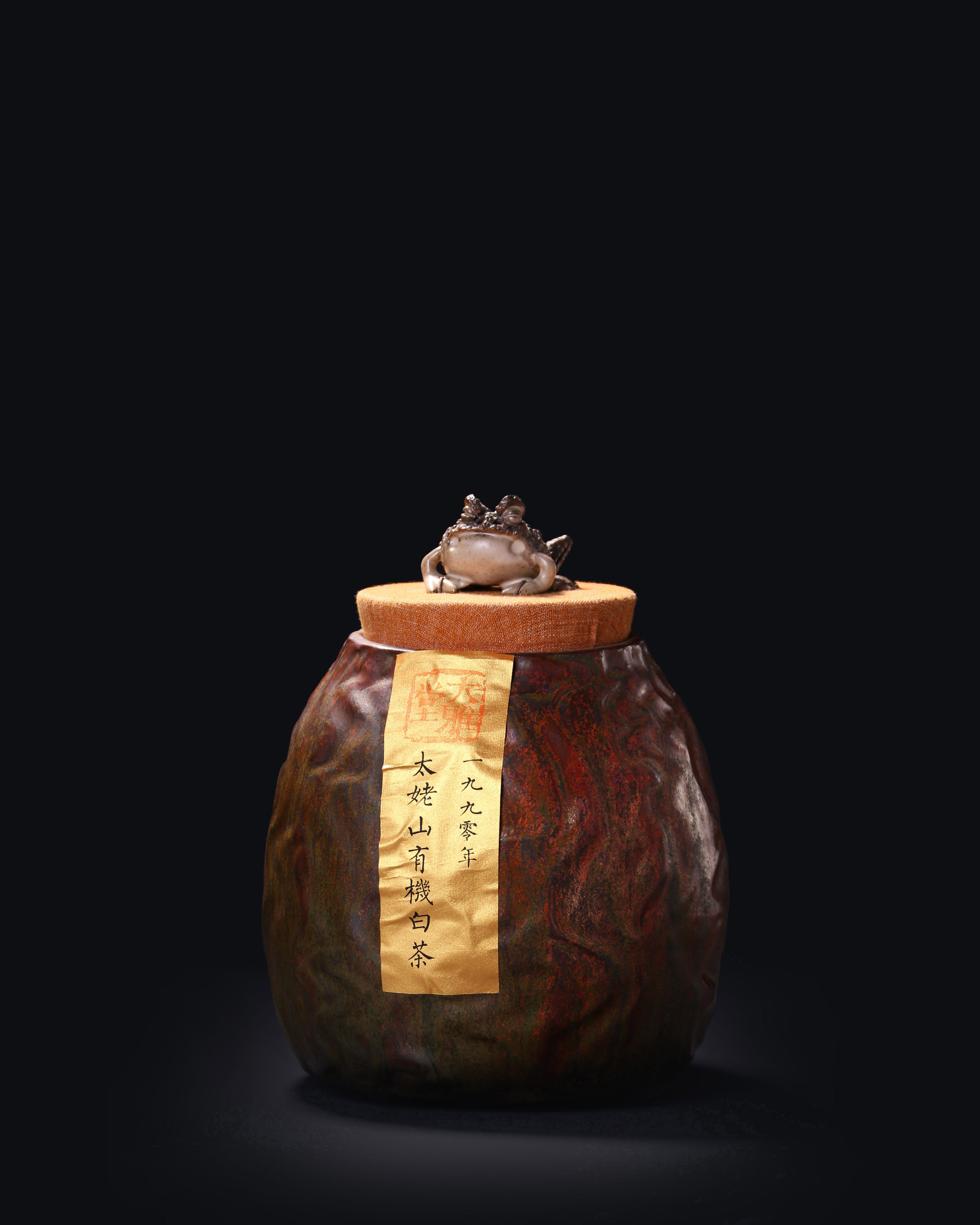



1990 Taimushan Organic White Tea
1990 Taimushan Organic White Tea
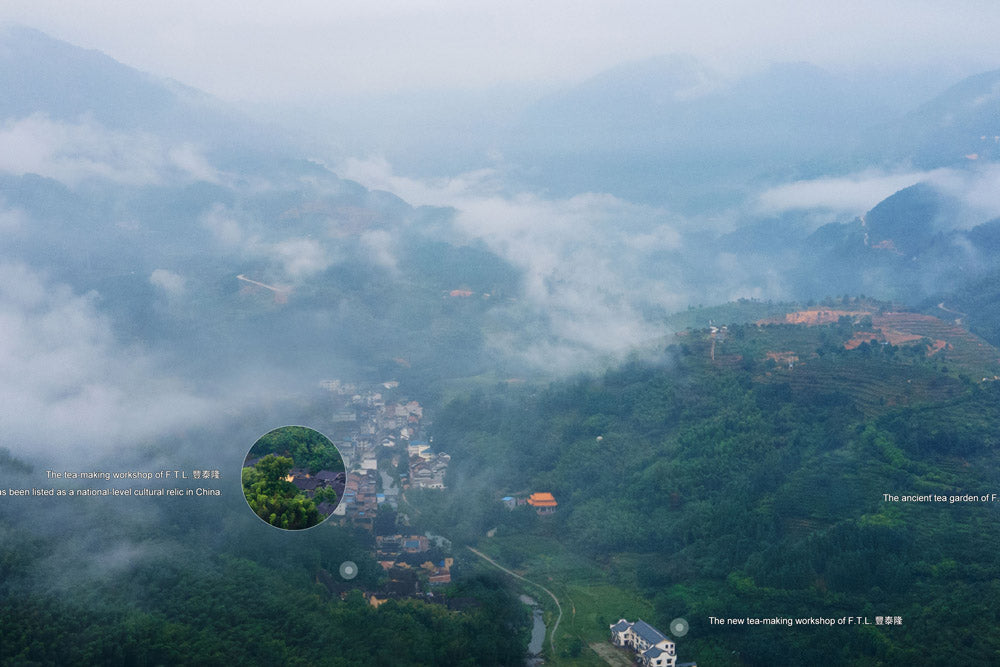
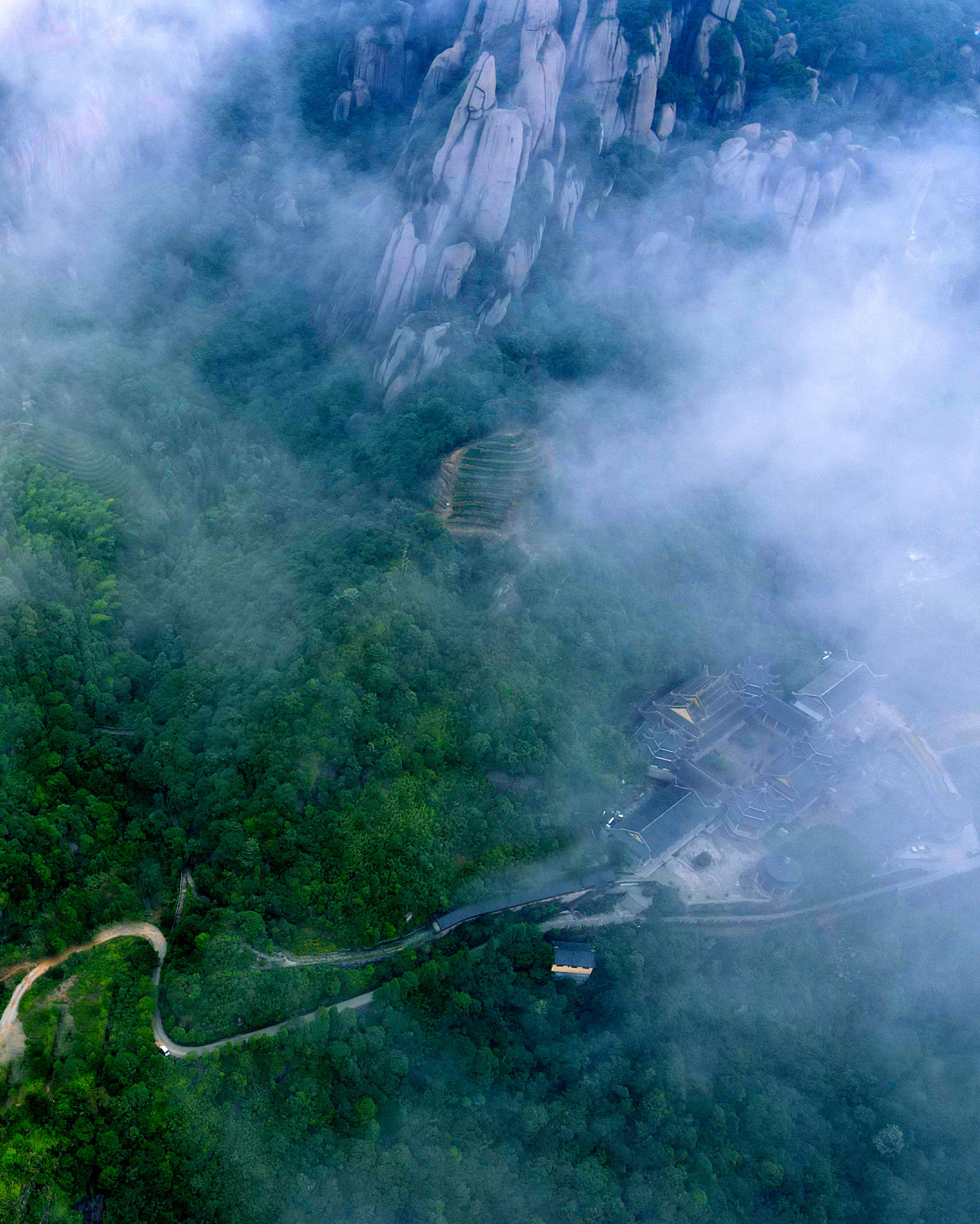
As time slips by, two years have passed in the blink of an eye. Entering the mountains in the GuiMao Year, I found the temple had changed owners.
In fact, when I parted with the buddhist nun after celebrating the New Year on Mount Tailu the year before last, I knew in my heart that it was likely the last time I would see her.
On this trip to Mount Tailu to seek tea, I already knew the 95-year-old buddhist nun had gone to spend her remaining years in peace. Yet a stubborn longing in my heart urged me to catch a distant glimpse of the former temple.
When I arrived here, seeing the temple empty and its owner gone—even its name changed—a surge of sorrow welled up within me.
The small platform where the buddhist nun offered seven grains of rice to reverence heaven still stands, but no one will ever perform that solemn ritual there again.
The small vegetable plot once tended by the Buddhist Nun is now bare—only the two big trees remain, still as beautiful as a classical oil painting.
The Buddhist Nun will never return here. The vegetables are gone, yet nature remains vibrant as ever.
I missed the Buddhist Nun’s old tea trees deeply. But when I tried to visit them, I found the usual ladder had been removed. After finding another ladder to climb up, I saw nothing but desolation—too overgrown to enter.
That once thriving tea garden is now nothing but thorns and barrenness, stirring an undeniable sense of loss in my heart.
The story of the Buddhist Nun and this white tea garden has now become nothing but a memory.
The temple has changed hands and names—now empty, its dweller gone
The small platform where the Buddhist Nun offered seven grains of rice to reverence heaven still stands—only no one will ever perform that solemn ritual there again.
That once vibrant tea garden is now nothing but thorns and desolation—an undeniable sense of loss lingers in my heart.

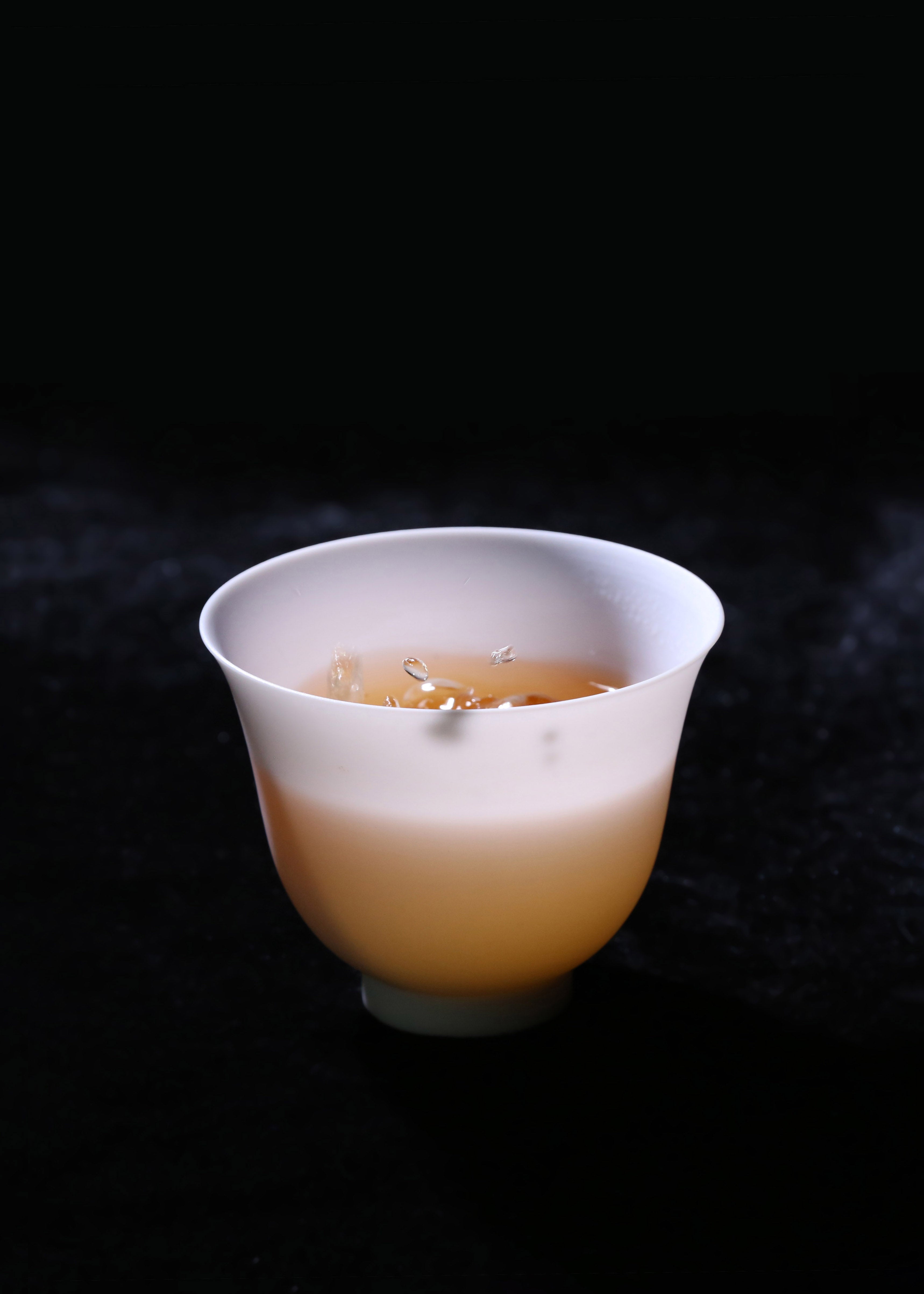
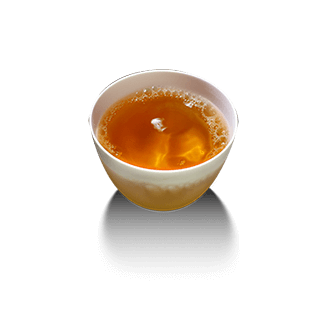
Simmer a pot of aged white tea, gazing at its orange-red and translucent liquor—like red agate—while cherishing the memory of the Senior Buddhist Nun.
Tempered by time, the aged white tea exudes a rich medicinal aroma and mellow aged charm. Its richness resembles the depth of Mount Tailu; its lingering quality mirrors the warm longing for the Senior Buddhist Nun.
Life is fleeting, yet heaven and earth endure, and the white tea remains forever.
Savoring the medicinal-scented tea, I find myself walking back outside the temple once more—
When I tried to approach the tea garden with a ladder earlier, all I saw was a path overgrown with thorns—no place to set foot. Now, gazing at these old tea trees again, the wormholes on their leaves seem to whisper of the Buddhist Nun’s compassion for all living things. Mist clings to the white tea leaves all day long, condensing into droplets that fall, then recondensing time and time again. Entwined by ice and mist, this scene has never changed.
I recall what the Buddhist Nun told me two years ago: she could no longer till the vegetable plot. A trace of regret flickered in her eyes as she said, “I truly wish I could make some black tea for you to taste. But now I feel my strength has faded greatly—I might never be able to make tea again next year...”

By the side of Laoshi Temple, the white tea still grows in its most natural state—nurtured by heaven and earth, boasting an innate flavor, letting others judge as they will.
Gazing at these old tea trees, I can’t help but sigh: life is fleeting, and time is ruthless. The Buddhist Nun lived in harmony with the white tea and nature. Her story will eventually drift away into the mountains, yet it will be forever sealed in my memories.
yet the tea's lingering charm endures long
Life is fleeting,tea's charm linger

Empty temple, distant figure

Life is fleeting

tea's charm linger
Appreciation
1990 Taimu mountain White Tea
embodies the terroir of Mount Taimu.
After thirty years of aging,
It preserves the exquisite craftsmanship of white tea from the 1990s.
It embodies the profound character refined by time.
Appearance : The dry tea leaves exhibit characteristics of refined white tea from the 1990s, being relatively tightly rolled. Over time, the color has deepened to a dark brown, with a uniform hue. There are no obvious impurities or spots. It displays the neat, orderly shape characteristic of refined tea from that era. This is the result of the combined effects of time and specific processing techniques.
leaf base
After brewing, the tea leaves turn brown. When gently rubbed between the fingers, they still feel resilient. The color is uniform and even, without any abnormal colors such as scorch spots or yellow spots, indicating good internal quality and aging of the tea.
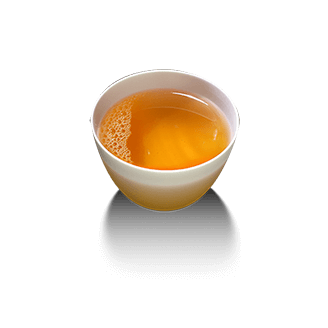
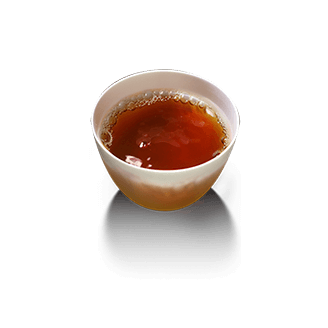
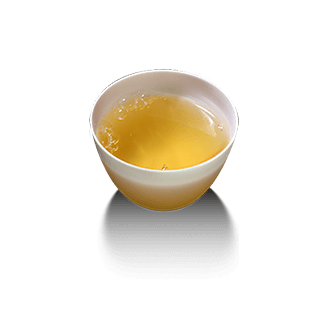
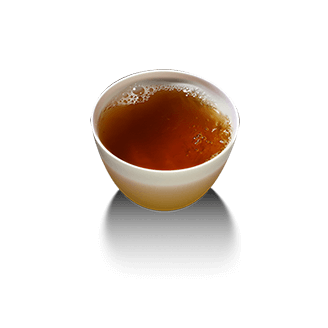
The tea liquor is a bright, clear orange-red, as translucent as red agate, with a distinct transparency under light. As the number of infusions increases, the color changes relatively steadily, gradually transitioning from an initial orange-red to a lighter orange-red, while maintaining a clear and lustrous appearance, showcasing the rich and balanced release of the tea's internal qualities.
Aroma : A rich, medicinal, and aged fragrance, a unique aroma developed over many years. The aroma is deep, mellow, and long-lasting, carrying the scent of time.
Taste
Mellow: This 1990 aged white tea has a rich medicinal aroma and a significant aged fragrance. The tea soup is mellow and full-bodied, smooth and mellow on the palate, with a rich mouthfeel and a certain thickness and texture.
Sweet
It has a sweet taste with a quick and pleasant aftertaste, and you can feel the sweetness.
It has a unique aged flavor, which develops during long-term storage and is a distinctive characteristic of aged white tea. It is very resistant to multiple infusions.

Its tea liquor is orange-red and translucent, like a red agate.


Dry tea leaves: Characteristics of refined white tea from the 1990s, relatively compact.
Health Benefits
1.Antioxidant & Anti-Aging
Aged white tea is rich in antioxidants such as flavonoids and tea polyphenols. These substances can effectively eliminate free radicals in the body, reduce oxidative damage to cells, thereby helping slow down the body's aging process and maintain the vitality of physical functions.
2.Appetite Enhancement
3.Three Antis & Three Lows
"Three Antis": Antioxidant, anti-inflammatory, and anti-allergic.
"Three Lows": Lowers blood pressure, blood lipids, and blood sugar.
The active ingredients in aged white tea help regulate the body's immune and metabolic systems.
4.Clearing Heat, Relieving Fire, Beating Summer Heat & Detoxifying
White tea is cool in nature. For those with internal heat, summer heat, or mild food poisoning, moderate consumption of aged white tea can help clear heat, relieve fire, beat summer heat and detoxify. It eases heat-related symptoms such as sore throat and swollen gums.
Note:
Although aged white tea is both a beverage and a traditional Chinese medicinal herb, containing ingredients with health-care effects, it must never be used as a substitute for medicine to treat diseases on your own. The actual effect varies from person to person. Seek medical attention promptly if you feel unwell.

1990 Taimu Mountain White Tea
Brewing

Awakening the Aged Charm
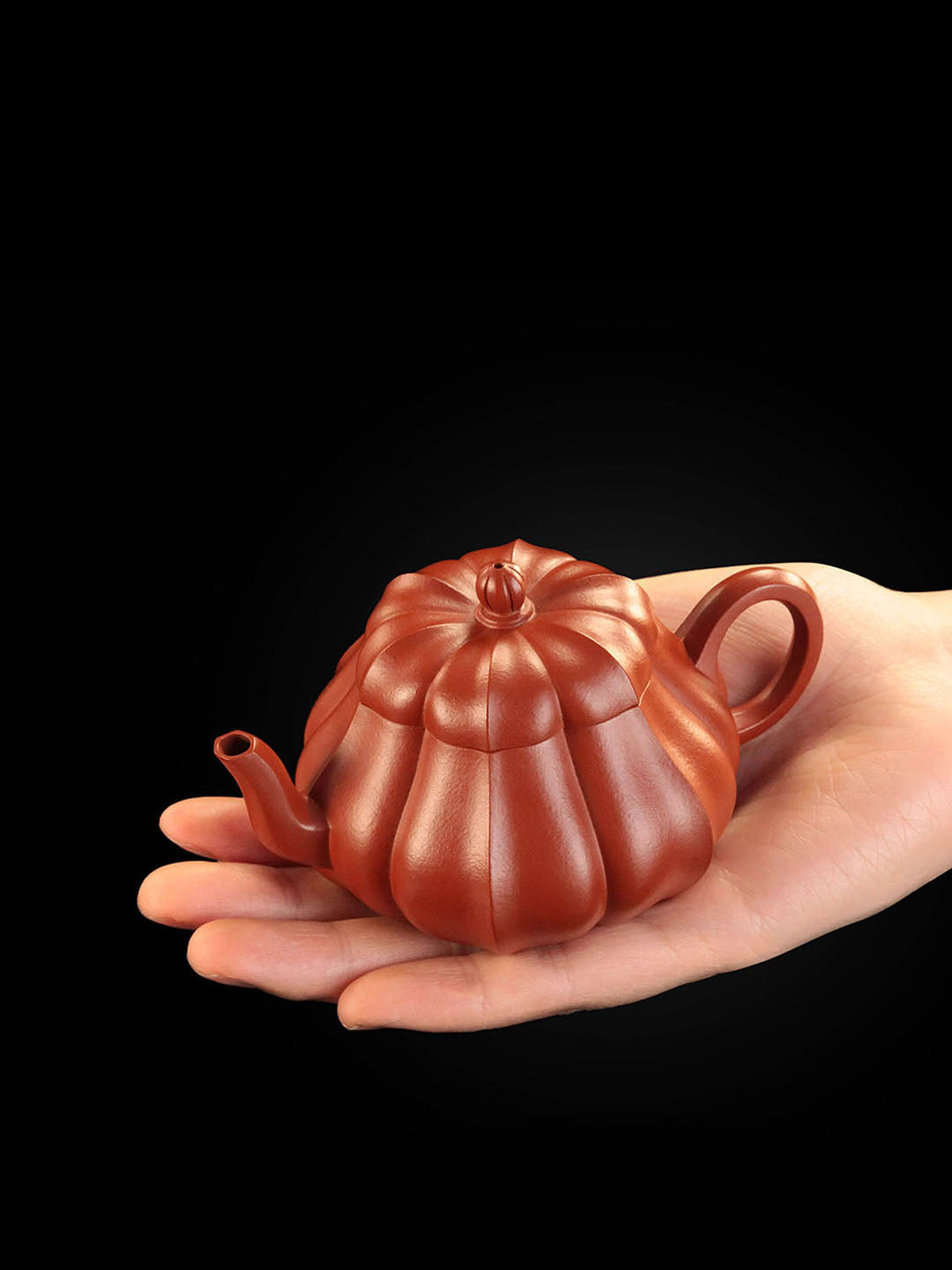
Choosing Utensils to Enhance Tea Charm
Soft Water Releases the True Flavor of Tea
Use qualified purified water with a hardness of less than 50mg/L.
Tap water is prohibited. Do not use any brand of mineral water if you have little knowledge of water quality. Alkaline mineral water (pH > 7.5) can cause cloudy tea liquor, excessive precipitation of caffeine, a rough taste, and a "cooked taste". Hard water should not be used either—magnesium ions in hard water (>150mg/L) will combine with tea polyphenols to form insoluble substances, resulting in dark, cloudy tea liquor and enhanced astringency.
1990 aged white tea for brewing
Warm the pot and Dry Roasting the Tea
Wipe the tea simmering pot dry, heat it over low heat for 30 seconds, then add 5g of tea cakes. Gently shake the pot, taking the "rustling" sound from the slight friction between the tea and the pot wall as a rhythm. Dry roast for about 1 minute until a faint roasted aroma is smelled (do not burn the tea).
Brewing Tea:
Refill Brewing Tips:
Second brew: After the first brew, directly add warm water (about 80℃) to the original water level. Bring to a boil over high heat, then switch to low heat and simmer for 1 minute. Avoid over-simmering, as it may cause excessive extraction of internal substances and result in a weak-tasting tea liquor.
Number of brews: The tea can be refilled and brewed 3-4 times. The residual tea in the later brews has a particularly prominent sweetness—you can extend the steeping time (8-10 minutes) to fully experience the "sweeter with each brew" change.
The Timeless Secrets in 1990 Aged White Tea
Taste: The tea liquor boasts distinct medicinal notes (similar to isatis root and Poria cocos), woody aroma, and a calm, aged fragrance. It offers a long-lasting sweet aftertaste, with the residual tea in later brews carrying a rock sugar-like sweetness.
Tea Liquor Color: It transitions from amber to reddish-brown—starting with a deep amber hue in the first brew and gradually shifting to reddish-brown in subsequent brews. The liquor remains clear and translucent throughout. The intensity of the color indicates the tea's concentration: a darker shade means a richer taste, while a lighter shade delivers a fresh, sweet flavor.
With proper brewing, the timeless aged charm of the 1990 aged white tea can be fully unleashed. Each brew promises a layered and rich taste experience.
Water temperature and heat Taboos:
Avoid simmering over high heat for more than 3 minutes (especially when boiling dry tea directly). This prevents excessive extraction of caffeine, which can result in a bitter aftertaste.
The Philosophy of Brewing Aged White Tea
The essence of brewing 1990 aged white tea is to "awaken time with time"—it is a "dialogue" between people and tea, and to feel the changes in layers through the rhythm of pouring the tea.
Boiling is the "fusion" of water, fire, and tea, allowing the essence accumulated over time to unfold in boiling water, experiencing the taste of time that is "sweeter the longer it is boiled, and warmer the more you drink it".
water quality
Choose qualified purified water; never use alkaline mineral water.
(For commercially available mineral water brands, their water sources and quality indicators vary. So-called "high-quality mineral water and mountain spring water" may cause loss of functional components and inhibition of aroma in tea.)
I:Effect of Alkaline Water on Green Tea
1. Effects on tea liquor color:
green tea:
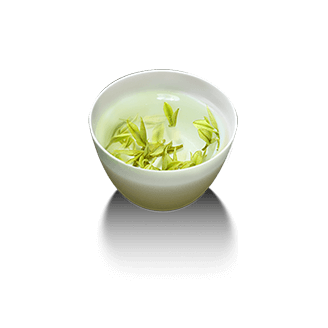
Under alkaline conditions, chlorophyll is easily destroyed (chlorophyll stability decreases at pH > 8.0) , causing the tea liquor color to easily change from bright green to yellow or dark yellow, resulting in turbidity , especially noticeable when brewed at high temperatures. Flavonoids (such as catechins) in green tea are easily oxidized in an alkaline environment, exacerbating the darkening of the tea liquor color.
black tea:
Theaflavins (bright orange-yellow) are easily oxidized to thearubigins (dark red) under alkaline conditions, and further generate dark brown, causing the soup color to change from bright red to dark and lose its transparency .
Other types of tea:
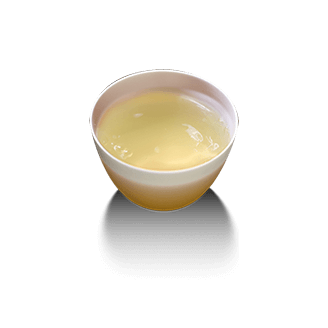
The color of oolong tea, white tea, and yellow tea may be darker due to alkaline water. The color of black tea (such as ripe Pu-erh) will become more turbid, and the color stability of aged aroma substances will also be affected .
2. Impact on taste and texture
Analysis reveals differences:
Tea polyphenols and caffeine: lead to insufficient concentration and bland taste . An alkaline environment inhibits the dissolution of tea polyphenols (bitter substances) and caffeine, reducing the bitterness of the tea soup.
Amino acids and sugars: Disruption of amino acid structure reduces the freshness and crispness.
Mineral influence: Alkaline hard water (containing more calcium and magnesium ions) combines with tea polyphenols to form insoluble precipitates (such as "cloudiness after cooling"), resulting in cloudy tea soup and a rough taste .
Balance of taste: It significantly affects the "richness" of tea soup for teas that rely on polyphenols to support their taste (such as raw Pu-erh tea and high-roasted rock tea), with no noticeable aftertaste and an overall taste that is bland and coarse .
3. Effects on aroma
Volatile aromatic substances: An alkaline environment may accelerate the degradation or transformation of aromatic substances (such as aldehydes and alcohols), resulting in a single aroma profile, especially in light-aroma teas (such as jasmine tea and Anji white tea), where the floral fragrance dissipates easily and may even develop a "mushy" taste.
Aged aroma and woody aroma: For fermented teas such as black tea and aged Pu'er, alkaline water may slightly highlight the aged aroma (pH>8.0) and suppress the fruity or honey aroma.
II:The adaptability of different types of tea to water quality
1. The interaction between the physicochemical properties of water and tea components
- Hard water (>120 mg/L CaCO₃) : Calcium ions combine with tea polyphenols to form precipitates, reducing the astringency of tea soup (EGCG binding rate can reach 23%), but losing antioxidant activity (Food Chemistry, 2018); Magnesium ions promote caffeine dissolution, and every 1 mg/L increase in magnesium can increase the caffeine concentration by 0.8% (Journal of Agricultural and Food Chemistry, 2020).
- Soft water (<60 mg/L CaCO₃) : Theaflavin dissolution rate increased by 12%, and the brightness of the tea soup increased (L* value increased by 3.2), but the amino acid extraction efficiency decreased (Food Research International, 2019).
2. Supported by scientific experimental data
- Longjing green tea brewing experiment (TDS = 50 vs 300mg/L) : The amino acid content of the tea soup in the soft water group (1.2mg/mL) was significantly higher than that in the hard water group (0.8mg/mL), but the caffeine content was 18% lower (China Tea Processing, 2021); Sensory evaluation showed that the freshness score of the soft water group was 1.7 points higher (out of 9), while the body of the hard water group was 0.9 points higher.
- Research on water quality suitability for Wuyi rock tea : Water containing trace amounts of sulfate (20-50 mg/L) can increase the dissolution of cinnamaldehyde, a characteristic aroma compound of cinnamon, by 24% (GC-MS detection), and significantly enhance the rocky aroma (Tea Science, 2020).
3. Water quality selection recommendations (based on tea)
| Tea | Ideal TDS | Recommended pH | Key ion requirements |
| F.T.L. Green Tea | 30-80mg/L | 6.8 | Ca²⁺<15mg/L, Mg²⁺<5mg/L |
| F.T.L. Oolong Tea | 80-150mg/L | 7 | HCO₃⁻ 40-60mg/L |
| F.T.L. Black Tea | 100-200mg/L | 6.8 | K⁺ 2-5mg/L, SiO₂ 10-15mg/L |
| F.T.L. Pu'er Tea | 50-120mg/L | 6.8 | Fe³⁺ < 0.1 mg/L |
4. Examples of the impact of special water quality
London tap water (high hardness) : When brewing black tea, the formation of oxalate-calcium complexes leads to "cold turbidity" appearing 30 minutes earlier, with the turbidity (NTU) of the tea reaching 12.5, which is significantly higher than that of the soft water group (NTU = 4.3) (Food Hydrocolloids, 2019).
Kagoshima hot spring water (containing sulfur) : Sulfides react with theaflavins to form methyl flavonoids, which reduces the umami intensity of sencha by 37% (*Journal of the Japanese Institute of Food Science and Technology, 2022).
One Region, One Tea: Water quality from specific local water sources enhances the color, aroma, and taste of local tea, but using local water requires systematic professional knowledge and high costs. For non-professionals, mastering the basic principles of "softened purified water + temperature control" is far more practical than pursuing famous springs from the origin.
The precise matching of water and tea is essentially a dialogue of geographical genes, which needs to be built on a multidisciplinary system of geology, food chemistry, heat transfer and other disciplines, and cannot be covered in just a few lines of web pages.
The UK-based AquaSim laboratory has simulated 12 core indicators of Tiger Spring water. However, it lacks the original spring's microbial community (such as Nocardia tea-loving bacteria), resulting in a 27% difference in post-fermentation flavor. In addition, the operation is complex: it requires mastering the "listening to the spring while boiling water" method (stopping the fire immediately when the water first boils), and a temperature error of more than 3°C will disrupt the flavor balance.
The charm of tea ceremony lies in appreciating what suits one's taste.
A pot of purified water is enough.
Don't be trapped by the mystique of water quality.
Packaging
Pure Tin Can Handcrafted by Sheng Yiyuan, Intangible Cultural Heritage Inheritor of Yongkang Tin Carving
Height: 9.8cm | Diameter: 6cm | Net Weight: 15g
The can body is shaped through thousands of manual hammer strikes, boasting a delicate and warm texture. Each hammer mark, varying in depth, is a unique imprint—not a repetition, but a vivid testament to the warmth of handcraft, embodying the profound connotation of intangible cultural heritage craftsmanship. The inner wall is finely polished using precision CNC technology, ensuring a smooth touch without roughness. Relying on high-precision craftsmanship, the lid achieves an airtight seal, integrating the warmth of handcraft with the accuracy of modern technology. It preserves ancient charm while maintaining practicality.
Height: 9.8cm| Diameter: 6cm| Net Tea Weight: 15g


Sheng Yiyuan,ICH Inheritor of Yongkang Tin Carving
Specifications: Diameter 17cm, Height 23cm.
Master Lin Yijie's handcrafted pottery tea canister
Storage
White tea is cool in nature, and its coolness deepens as it ages.
Stored for three years, it gains medicinal properties; preserved for seven years, it becomes a treasure.
Storage
White tea is cool in nature, and its coolness deepens as it ages.
Stored for three years, it gains medicinal properties; preserved for seven years, it becomes a treasure.
Avoid light, high temperatures, and odors.
Temperature & humidity: 15-25℃, 50%-65% (to prevent mold growth and aroma loss).
Light Protection & Ventilation: Keep away from direct sunlight (to prevent the decomposition of theaflavins and darkening of the tea liquor) and place in a well-ventilated area.
No odor interference: Keep away from odor sources such as cooking fumes and spices.
Container selection
Short-term (within 1 year): Purple clay/ceramic jar with ventilation holes (for preservation);
Long-term (over 1 year): Aluminum foil bags (semi-vacuum) + moisture-proof cartons (to facilitate tea aging).
Taboo
Avoid Placing In: Kitchens, bathrooms, balconies, and refrigerators.
Minimize Container Movement: Check the tea 1-2 times a month—ensure the tea leaves are loose, free of mold, and odorless.
Shoumei / Gongmei: Store according to long-term standards (aluminum foil bags + moisture-proof cartons) for easy development of jujube aroma.
Mudan / Silver Needle: Short-term storage can use purple clay jars; long-term storage requires moisture protection (aluminum foil bags + moisture-proof cartons).
Shelf life
The above storage method allows for long-term storage.