
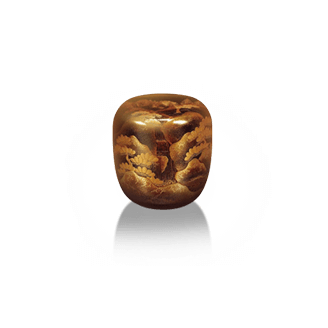
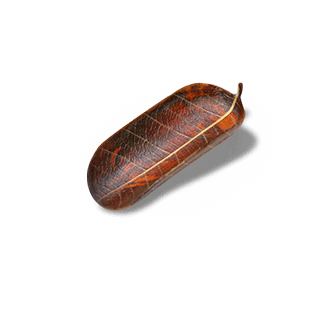
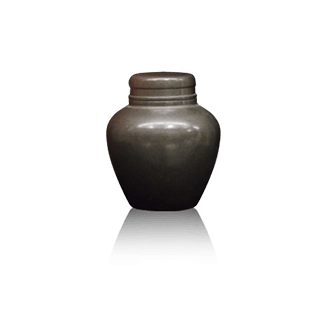

Blue and White Net Motifs Futa-mono / Makie Lacquer Stand
Blue and White Net Motifs Futa-mono / Makie Lacquer Stand
Blue and White Net Motifs Futa-mono / Makie Lacquer Stand
Author: Dayatang
Material: Porcelain
Specifications: Mouth diameter: 11.5cm; Height: 9.5cm
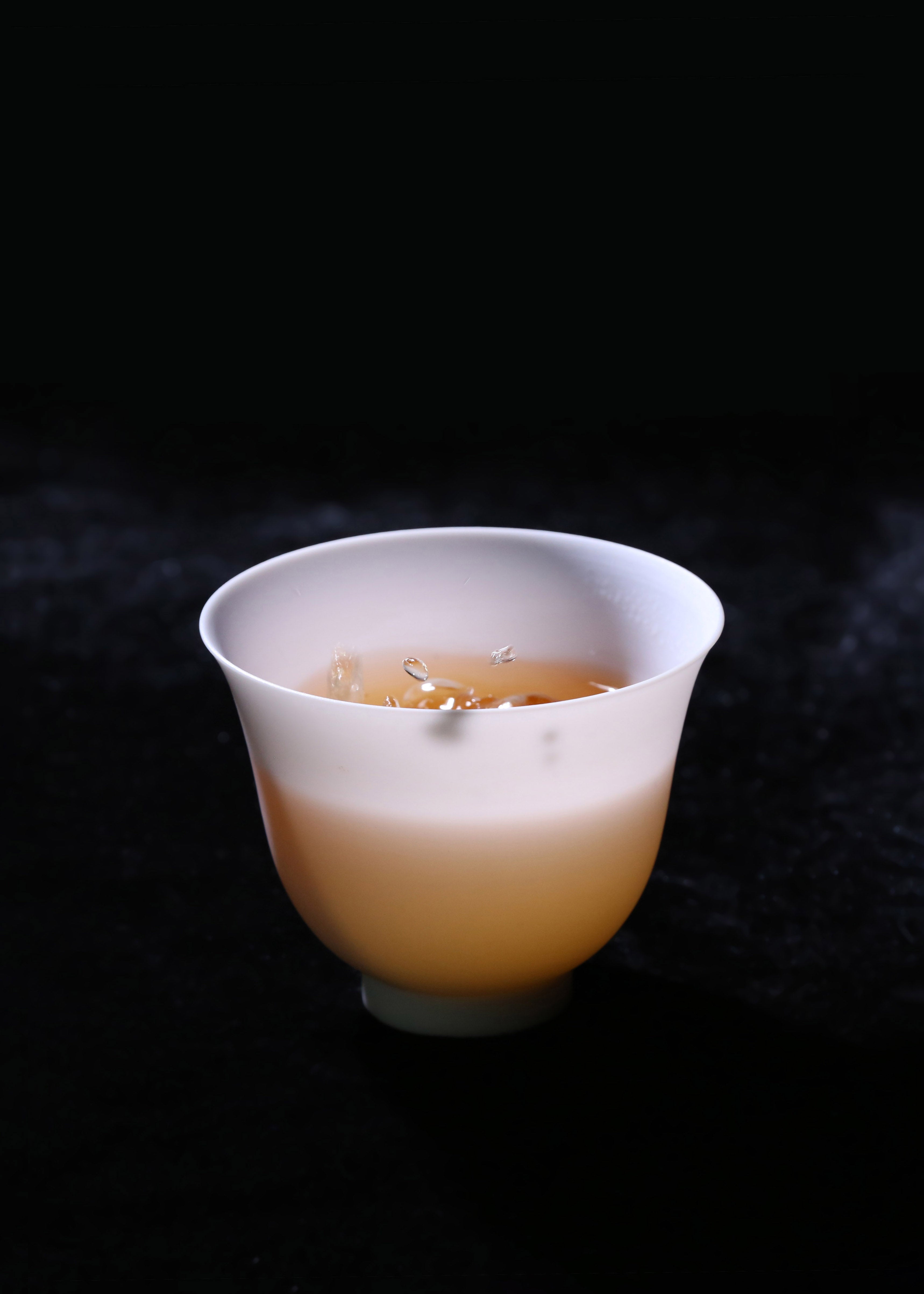
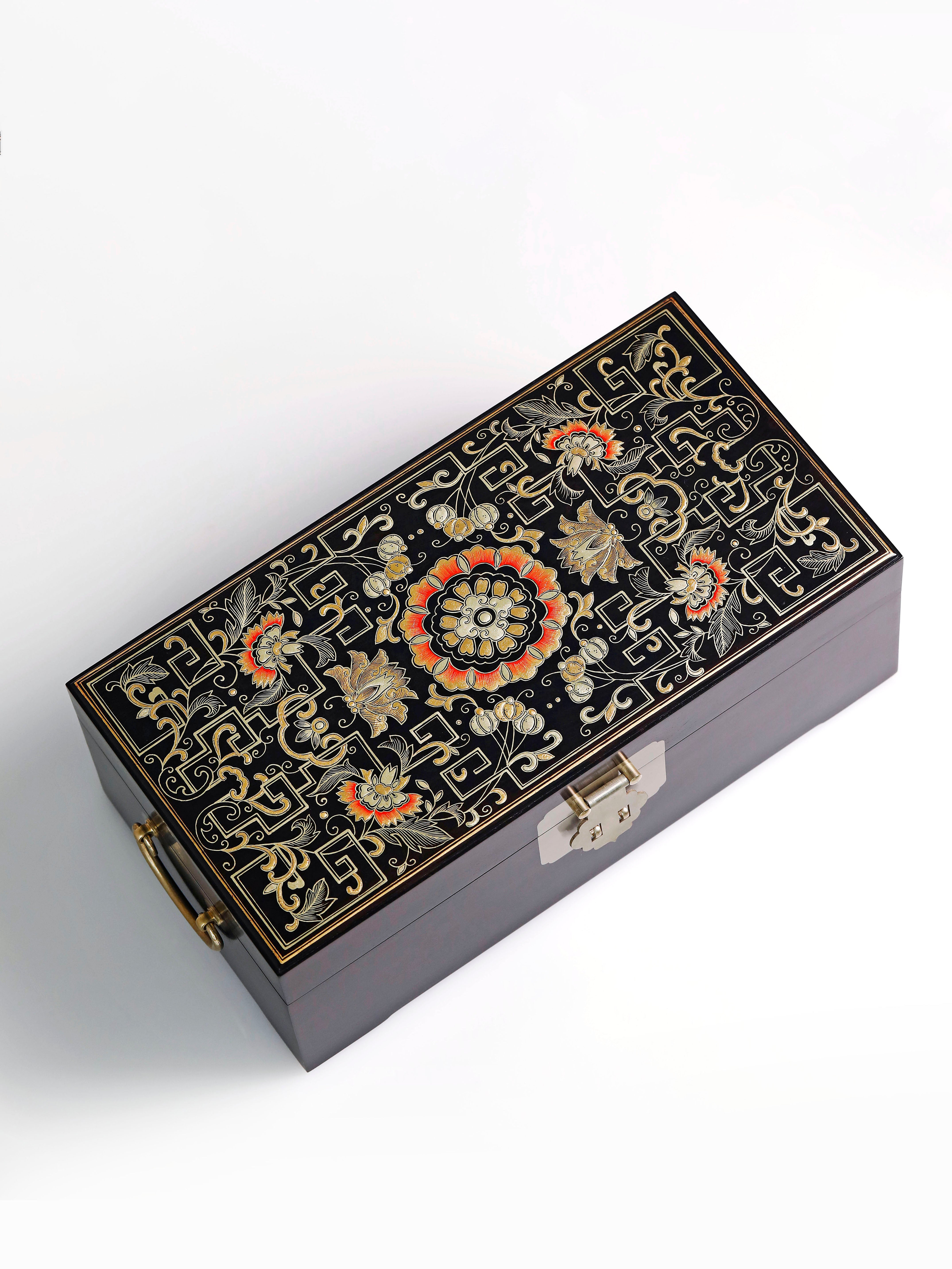
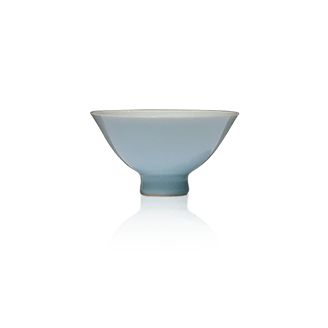
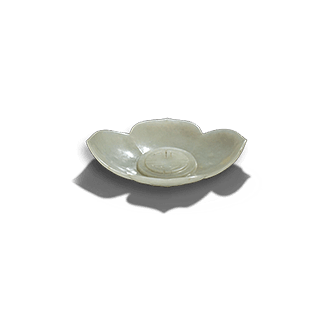
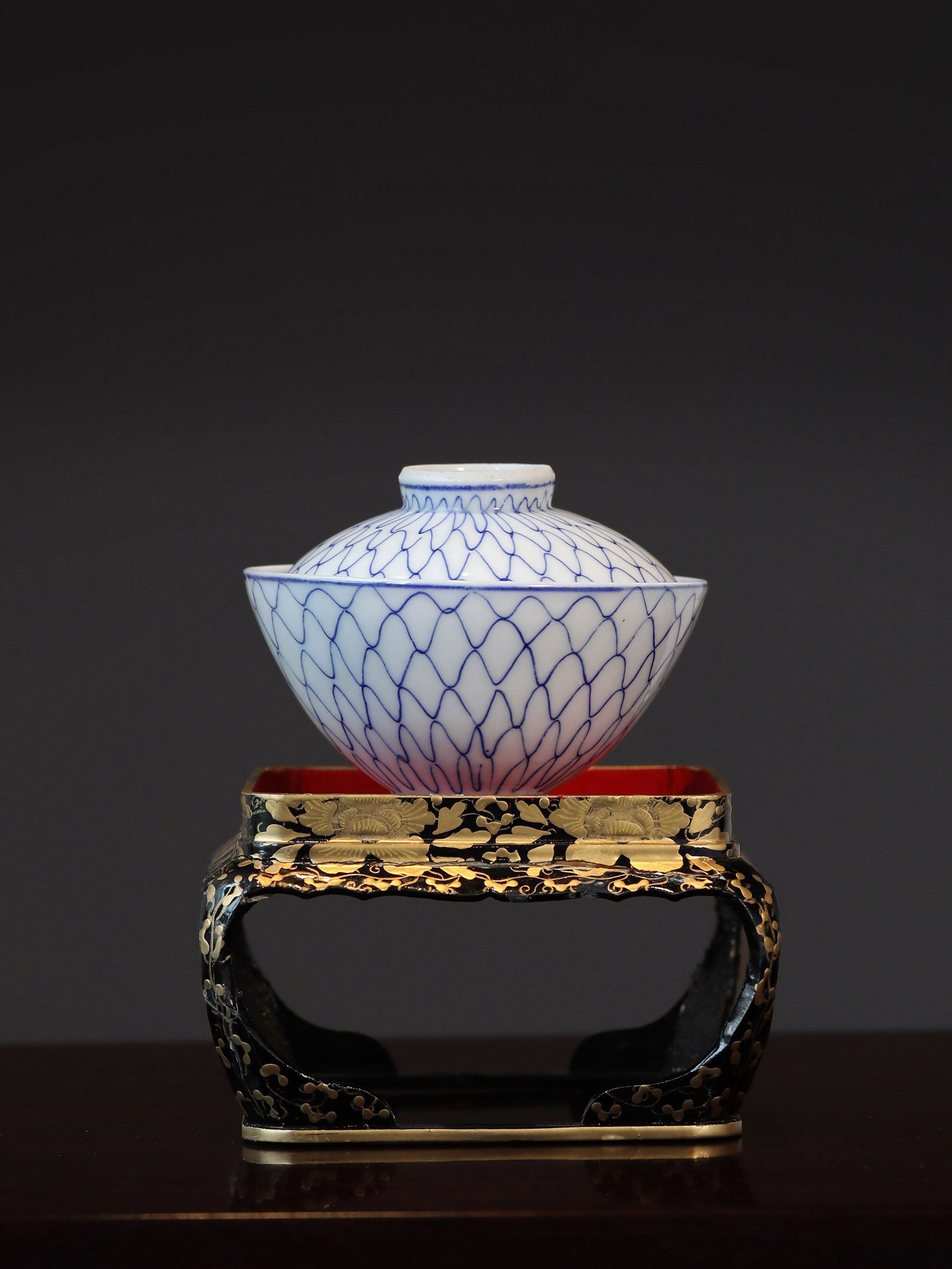
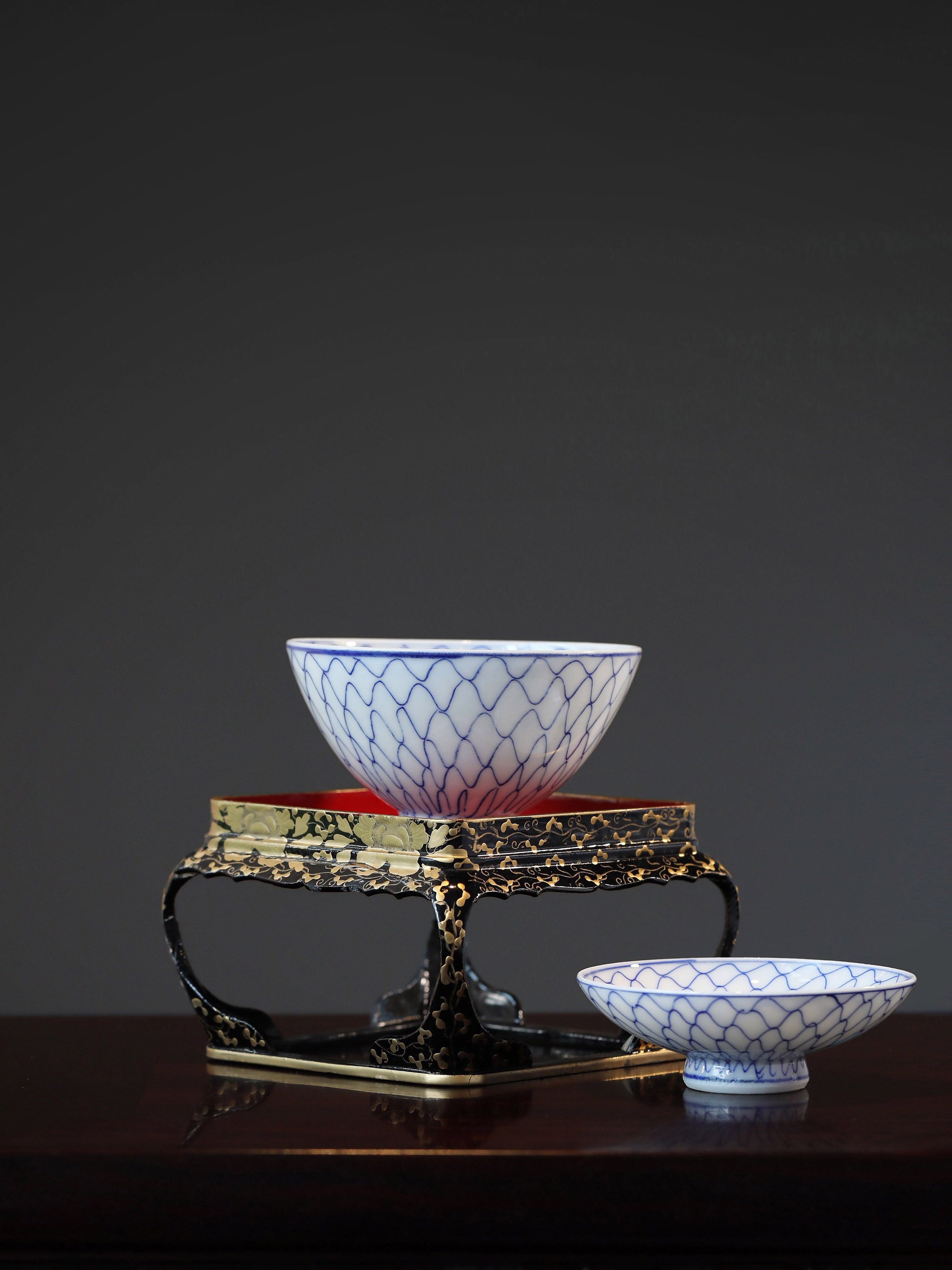
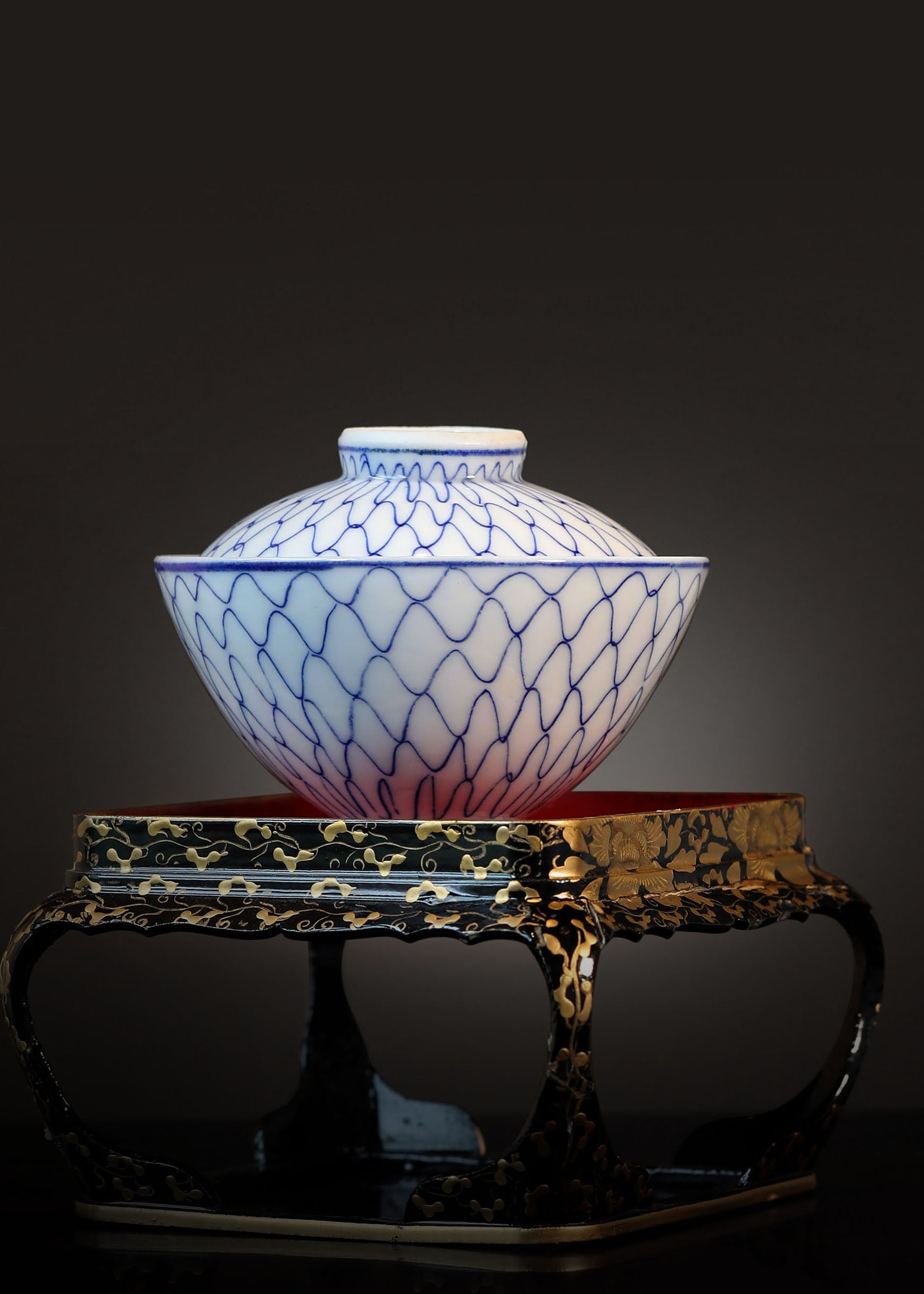
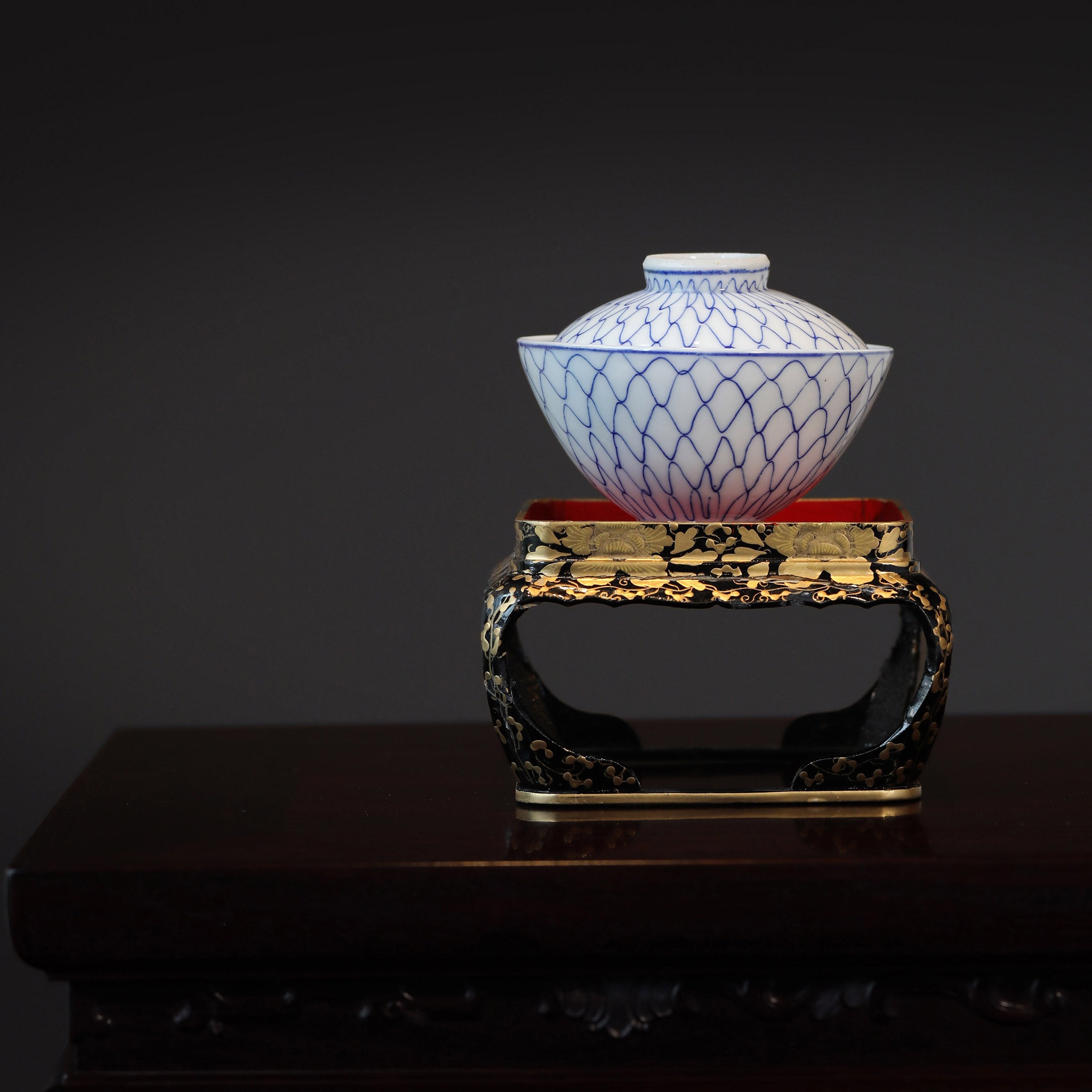
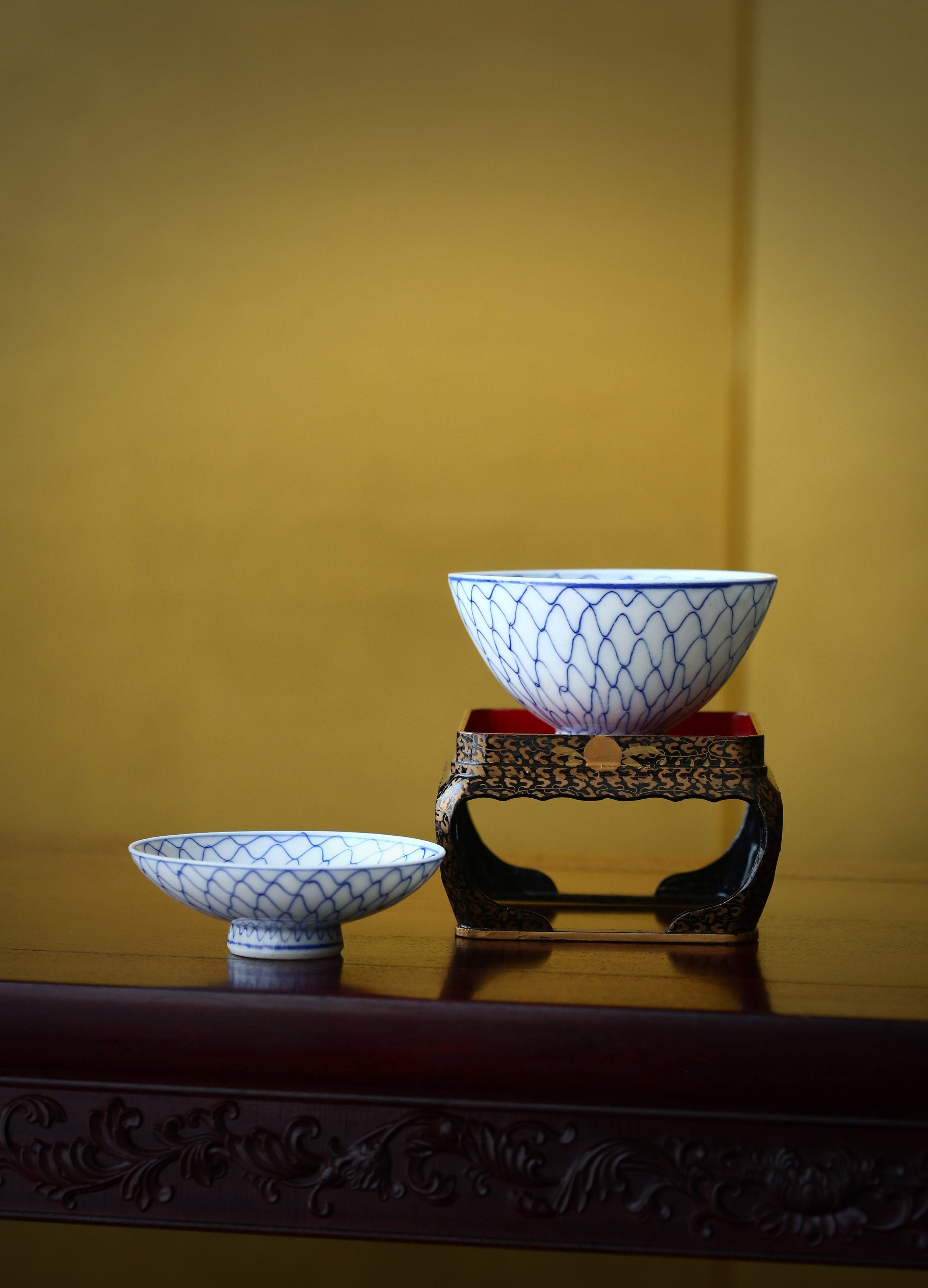
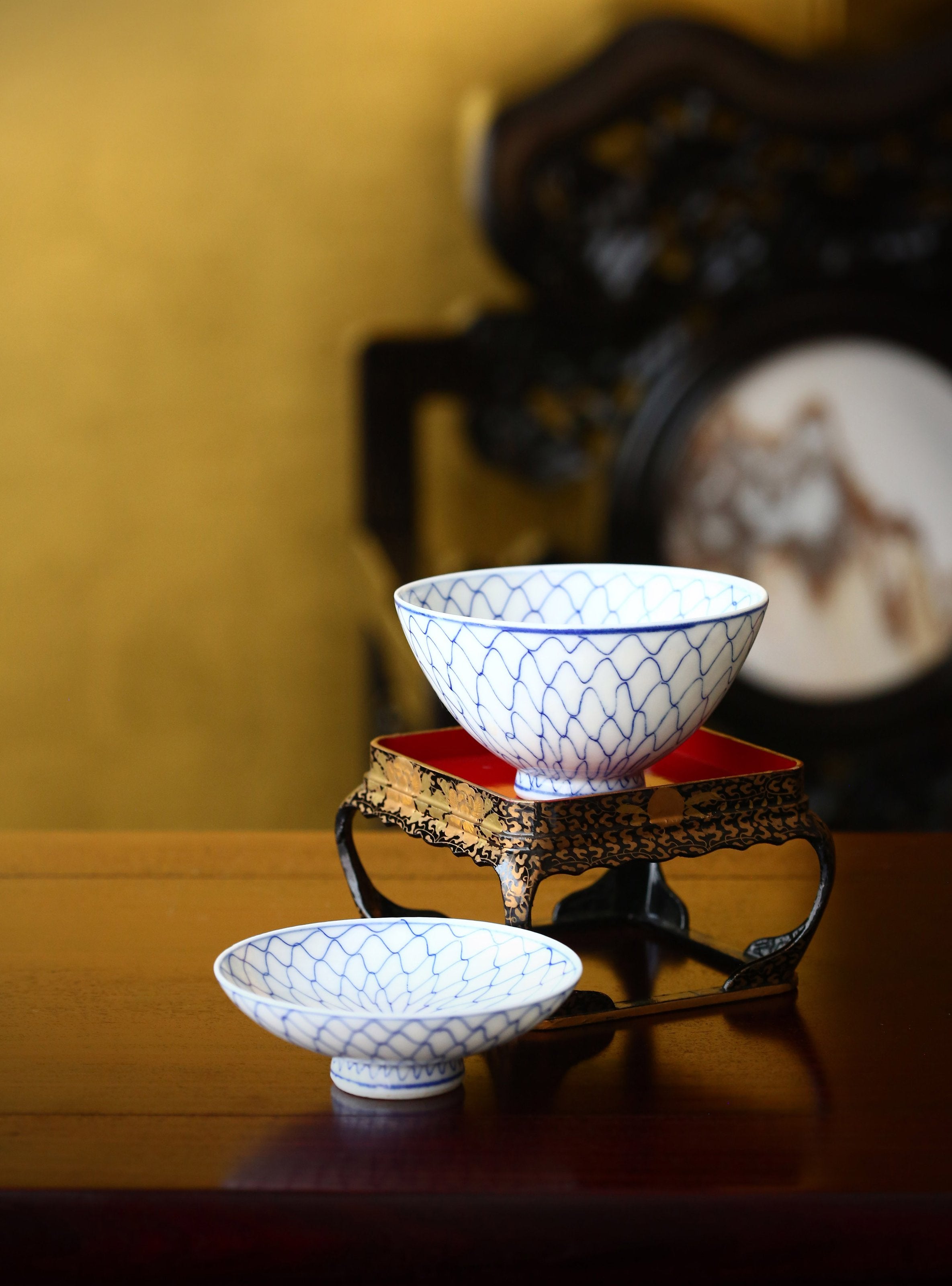
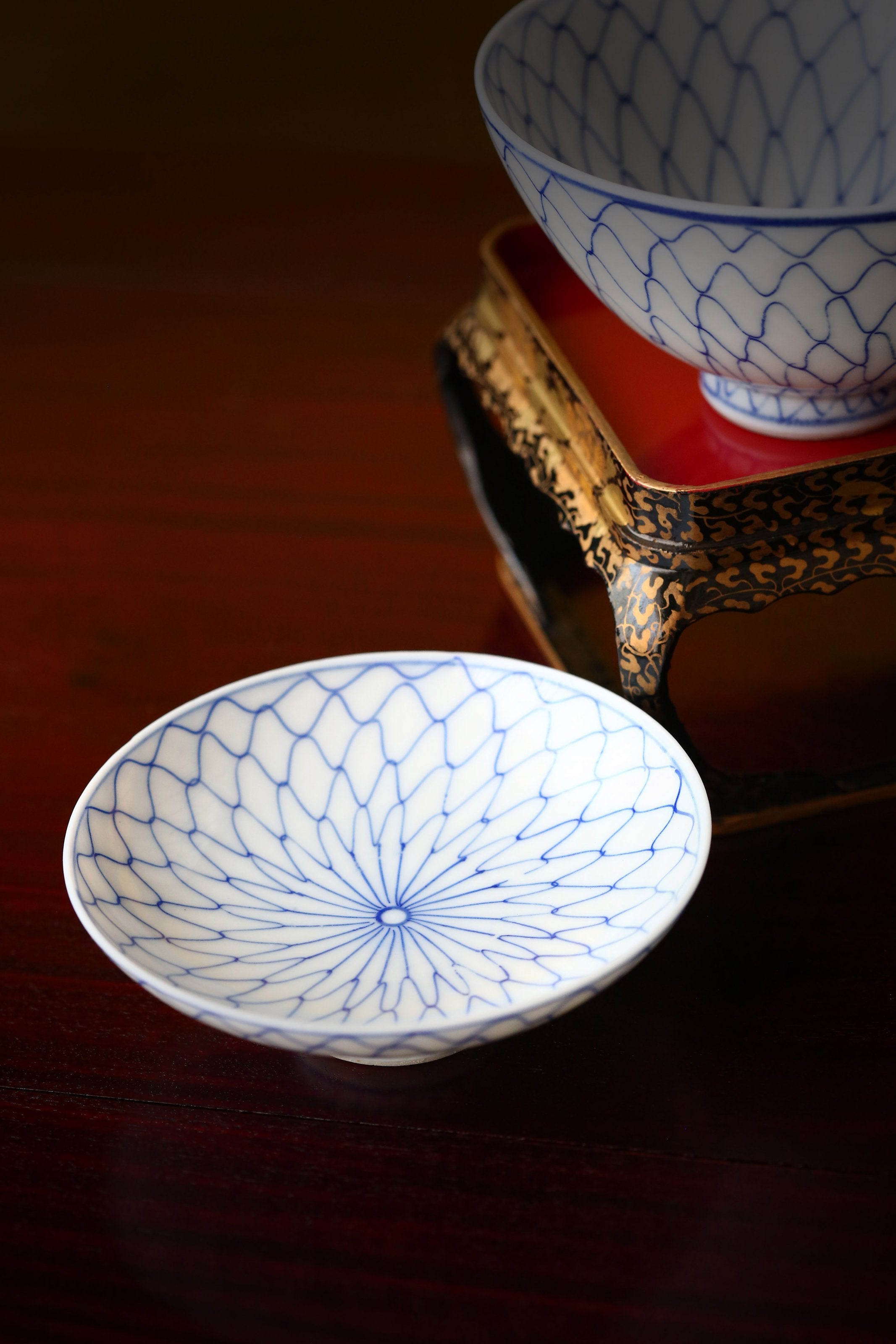
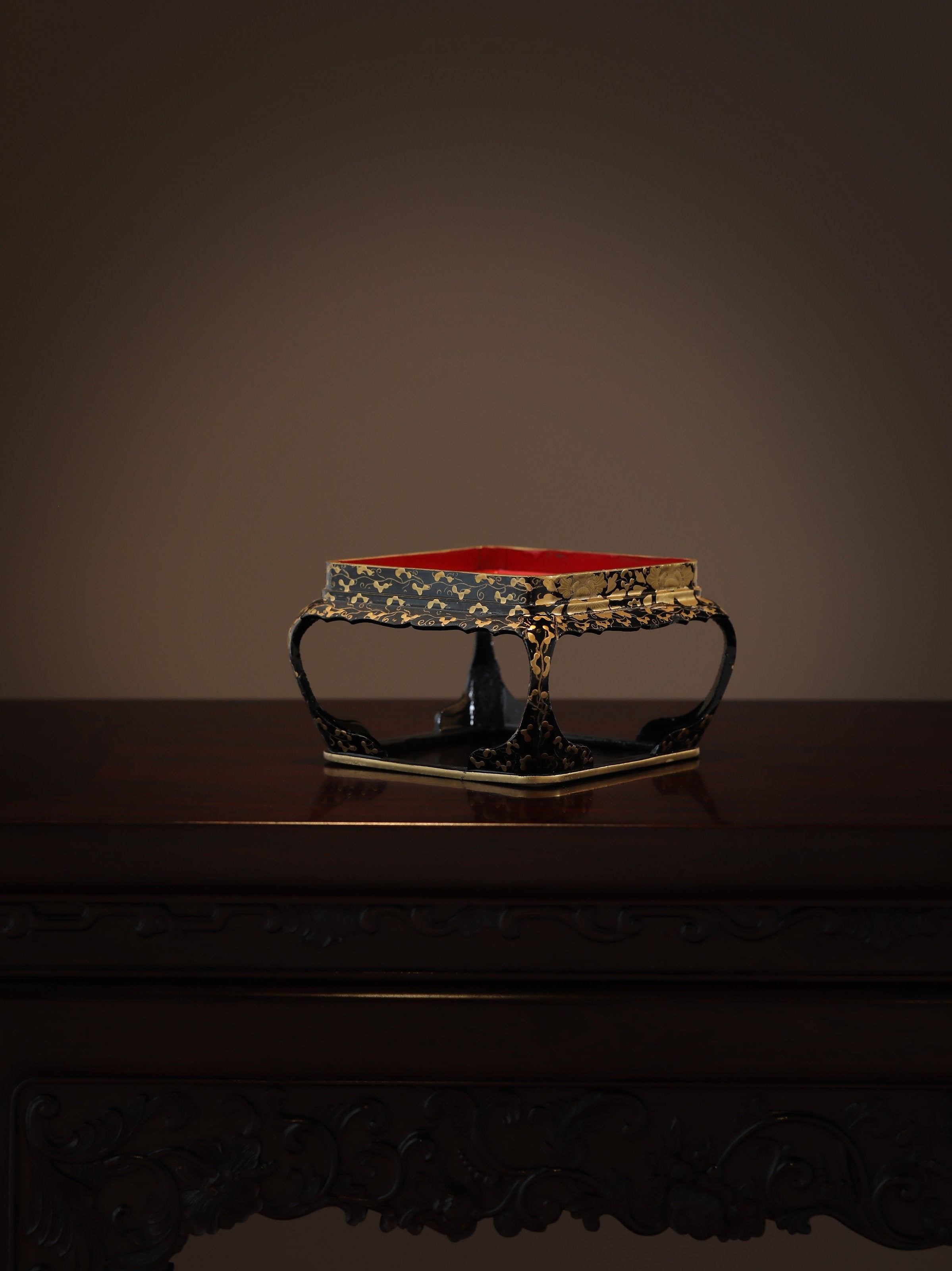
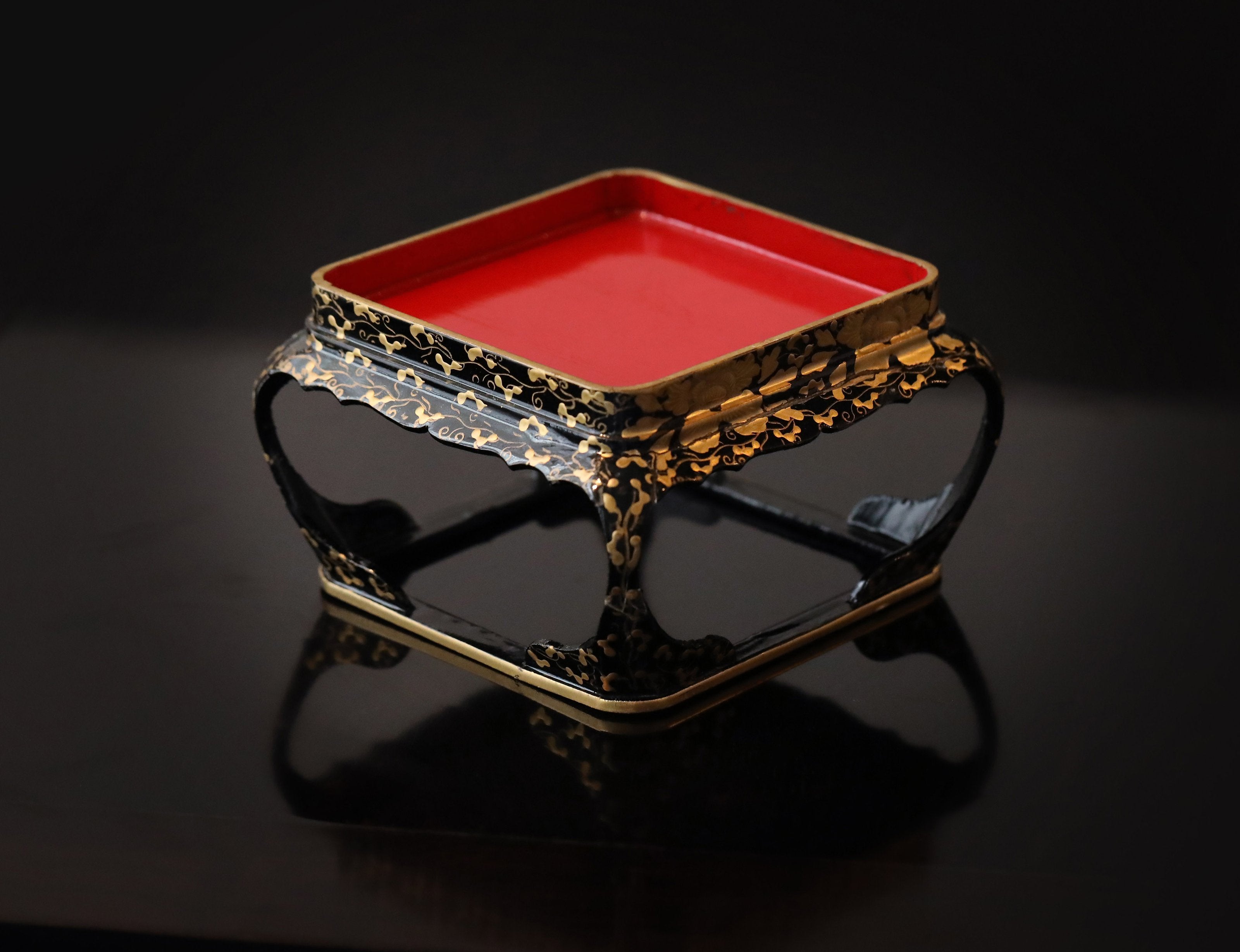
Blue and White Net Motifs Futa-mono (Lidded Bowl),accompanied by one imperfect Japanese small stand. The stand is crafted with Makie natural lacquer technique, featuring free-flowing floral vines all over the body; gold-infused lacquer endows it with a luxurious golden luster. It has a classic form of bulbous legs with protruding teeth, four legs, an arched spandrel plate with elegant curved lines, and a plinth base.
Author: Dayatang
Material: Porcelain
Specifications: Mouth diameter: 11.5cm; Height: 9.5cm
Blue and White Net Motifs Futa-mono (Lidded Bowl),accompanied by one imperfect Japanese small stand. The stand is crafted with Makie natural lacquer technique, featuring free-flowing floral vines all over the body; gold-infused lacquer endows it with a luxurious golden luster. It has a classic form of bulbous legs with protruding teeth, four legs, an arched spandrel plate with elegant curved lines, and a plinth base.
This vintage Japanese Imari lidded tea bowl (futa-mono) hails from Imari, a coastal ceramic hub in Japan whose craft shares an inherent cultural lineage with China’s. I hold the view that no other ceramic bowls or cups can rival Japanese ones in their classic, understated elegance – hence the immediate sense of affinity upon first sight. With its low, stable form, it is incredibly ergonomic and easy to use with contemporary Chinese tea brewing methods.
The Japanese futa-mono (lidded tea bowl) emerged during the Azuchi-Momoyama Period (corresponding to the Late Ming Dynasty in China). In the transition from the Late Ming to the Early Qing Dynasties, the form of Japanese futa-mono was introduced to China – a time when the pure tea drinking method (tea brewing method) was gaining widespread popularity in China. This form gradually evolved into the Chinese three-talents gaiwan in the late Kangxi reign, a classic vessel that has remained in use to this day.
The cultural exchange of porcelain decorative patterns and vessel shapes between China and Japan has never ceased. It features an intricate interplay of mutual imitation and reference, a testament to their shared and unbroken cultural lineage.
Illustrated History of the Evolution of Chinese Tea Utensils by Guo Danying & Wang Jianrong
Textual Research on Chinese Gongfu Tea by Ding Yishou
The Influence of Jingdezhen Porcelain of the 17th Century on the Early Imari Porcelain of Japan by Liu Zhaohui
A Study on Ancient Japanese Ceramics by Guo Fuchun & Sun Chuanbo
Research on Jingdezhen Export Porcelain from the Late Ming to the Qianlong Period by Bai Kun)
Frequently asked questions
Use the FAQ section to answer your customers' most frequent questions.
Order
Yes, we ship all over the world. Shipping costs will apply, and will be added at checkout. We run discounts and promotions all year, so stay tuned for exclusive deals.
It depends on where you are. Orders processed here will take 5-7 business days to arrive. Overseas deliveries can take anywhere from 7-16 days. Delivery details will be provided in your confirmation email.
You can contact us through our contact page! We will be happy to assist you.