



2010 Taimu Mountain Senior Buddhist Nun Craftmade Wild White Tea
2010 Taimu Mountain Senior Buddhist Nun Craftmade Wild White Tea
2010 Taimu Mountain Senior Buddhist Nun Craftmade Wild White Tea
Three years later, in the bitter winter, I took my daughter to Mount Taimu again, hoping to spend the New Year with the Senior Buddhist Nun in Bat Cave.
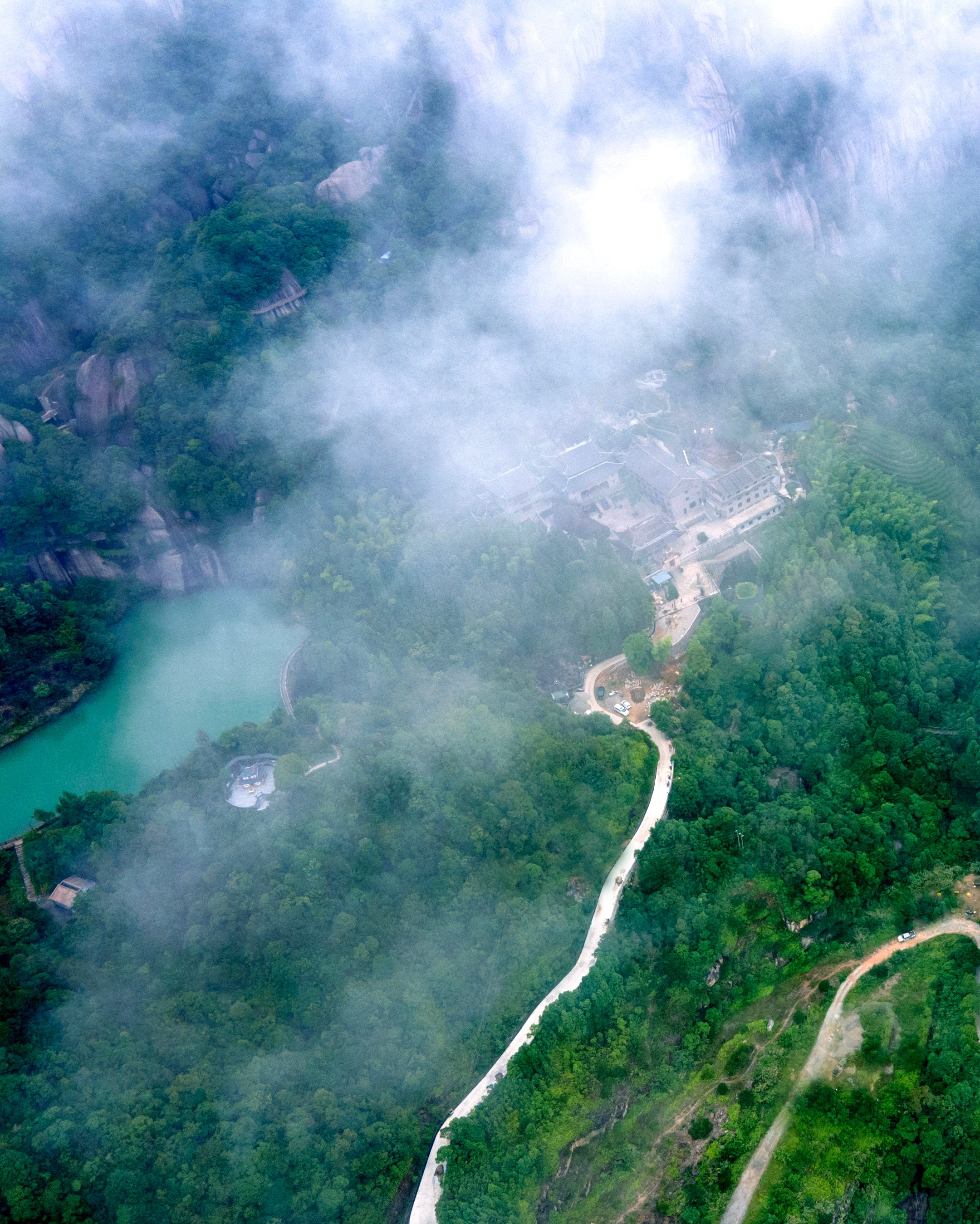
Stepping into Mount Taimu once more, the dusk hung heavy, the fairy-like mountain loomed in mist, and the red leaves in the mountains were still as gorgeous as ever.
The mountain road was dark and long—we even got lost. But when we spotted a bright light like a lighthouse ahead, we knew it was the Buddhist Nun’s residence.
I specially bought 9 cotton-padded coats and sent them to my daughter to keep out the cold, but the logistics in the mountains have stopped, and she hasn’t received the clothes. For days, thick fog has shrouded Bat Cave Temple. Despite the cold wind and dampness in the mountains, the child hasn’t complained at all—she only hopes to stay up with the Buddhist Nun to welcome the New Year.
Today is Lunar New Year's Eve. At 4:30 a.m.—a time when we are usually fast asleep—the Buddhist Nun and her disciples had already started their morning scripture chanting.
By 6 o'clock, the New Year's breakfast was ready. Before eating, they first offered offerings to the Buddha and all sentient beings. The Buddhist Nun and the newly arrived masters put on their solemn robes, rang the morning bell, and prayed for all living creatures.
The thick fog that had lingered for days unexpectedly lifted with the sound of the morning bell, and the sun rose on this New Year's day. The wild tea plantation burst with vitality under the sunlight.
A young monk told us that by the 16th day of the 8th lunar month this year, the Buddhist Nun would turn 93. Though she lived without an affluent material life, she was in exceptionally good health.
The Buddhist Nun said: "Making tea is a form of spiritual practice, and eating is also a form of spiritual practice."
Their daily life is disciplined and filled with a sense of ritual—perhaps they use these rituals to express gratitude and reverence. For us, rituals may feel restrictive, but for the Buddhist Nun, they have long become a natural habit.
The Buddhist Nun prepared a hearty New Year's meal for us, and thoughtfully let the child try "vegetarian fish" (a meat-free dish imitating fish). Before the meal, everyone joined their palms together and chanted: "We offer homage to the Buddha, to the Dharma, to the Sangha, to Amitabha Buddha, and to all sentient beings"—only then did they start eating with joy.
Bat Cave still adheres to the rule of not having dinner. It is said that this is to save food for all sentient beings and accumulate blessings for the next life. In every little detail, one can see the Buddhist Nun's piety towards all things. Wish everyone a happy New Year!
Seasons turn and suns rise and set over Mount Taimu. Indeed, making tea is a form of spiritual practice. For decades, she has been with white tea day and night—no one can say exactly how professional she is, yet no one dares to claim they understand white tea better than her.
Dewdrops glisten on the leaves of the wild tea plantation. Year after year, the Buddhist Nun always takes advantage of early spring to carefully make the first batch of fresh Silver Needle (a premium white tea), followed by Peony, and then Shoumei (another type of white tea).
At dawn, the Buddhist Nun does her morning scripture chanting. As the first ray of sunlight slants down on Mount Taimu, dewdrops moisten the earth, and white tea grows quietly;
At noon, the Buddhist Nun cleans the courtyard, while the white tea basks in the nurturing warmth of the sun;
As night falls, the Buddhist Nun practices in the Buddhist hall, and the white tea lies quiet and still in the night.
In this quiet Bat Cave Temple, as time flows by, the Buddhist Nun’s days pass quietly and without a trace—just like the dewdrops on tea leaves.

When I looked up again, Mount Taimu had already been shrouded in thick fog, cutting off the hustle and bustle of the world.
Standing beside the old temple, I watched that stretch of white tea bushes—still shrouded in ice and mist, exuding the essence of nature. The insect bites on the leaves were the marks left by the Buddhist Nun, who had been unwilling to harm the insects.
Fog lingered on the tea leaves all day long: it turned to water, dripped down, and condensed again—dripping and condensing repeatedly… The fog had been particularly thick these days. The door of Bat Cave Temple was half-open, and the Buddhist Nun no longer climbed the hills to check on the tea plantation.
She said she knew how to make white tea, as well as black tea and green tea, yet she sighed that she no longer had the strength to make tea this year. Even so, she still wished to make some green and black tea from Mount Taimu for us to taste.
A new young master at the temple said the Buddhist Nun was over ninety years old, and the temple would soon be taken over by the newly arrived senior master. A twinge of sorrow welled up in my heart—I feared that stretch of wild tea plantation and the vegetable plot might be left to waste away.
This farewell might be forever, making the time we spend together now all the more precious. Bat Cave, the Buddhist Nun, the tea plantation, this pure land—they will likely become warm yet out of reach memories in my heart forever. But the days and nights when the Buddhist Nun accompanied the white tea still flow clearly in my mind.


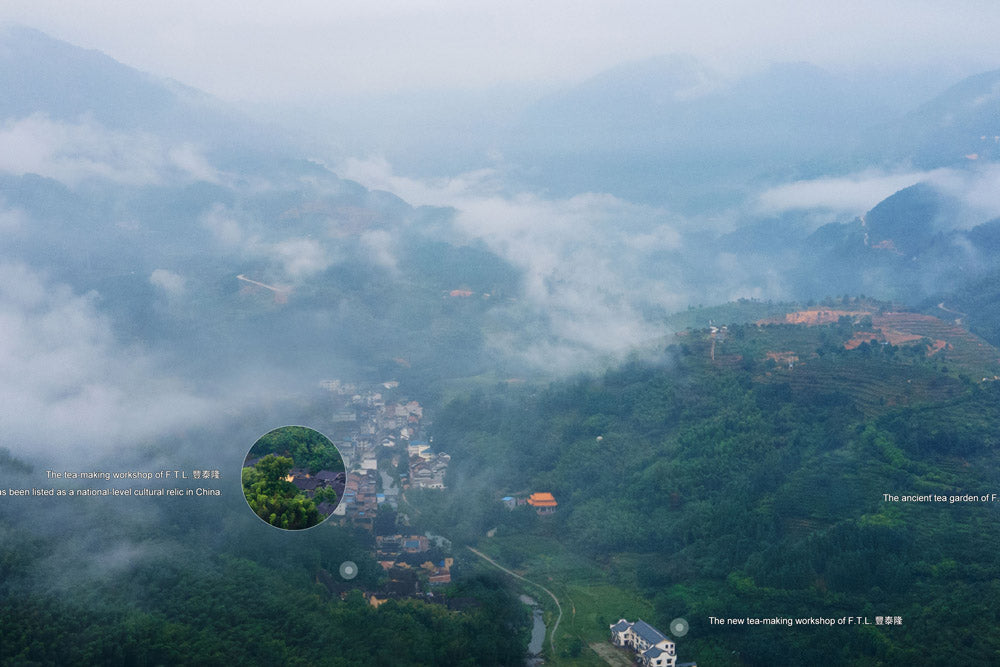
The senior Buddhist nun’s Wild Tea Garden


Celebrating the New Year in Bat Cave

Happy New Year🧨

The Turning of the Seasons
Appreciation
A tiny leaf beside the old temple on Mount Taimu
"Ice and mist" encapsulate the essence of the mountains and fields, and its natural flavor is left for others to describe.
Fifteen years have passed.
Long gone are the days of youthful naiveté.
It has developed a unique, mellow character that is characteristic of aged white tea.
Year : 2010
Grade : Premium Grade Shoumei
Origin : Taimu Mountain Nature Reserve
Variety: Wild Sexual Propagation Varieties – a mix of Fuding Dabai Tea, Fuding Dahao Tea, and native ancient tea trees of Taimu Mountain
Craftsmanship: Traditional techniques of non-frying, non-rolling, natural withering, and gentle drying
I. Dry Tea
Dominantly deep brown and bronze-colored, with intact buds and leaves and scattered insect holes. When smelled dry, it prominently exudes rich jujube and medicinal aromas, blended with the warm sweetness of sun-drying, free of any off-odors.

Dry Tea: Dominantly deep brown and bronze-colored, with intact buds and leaves
II. Tea Color
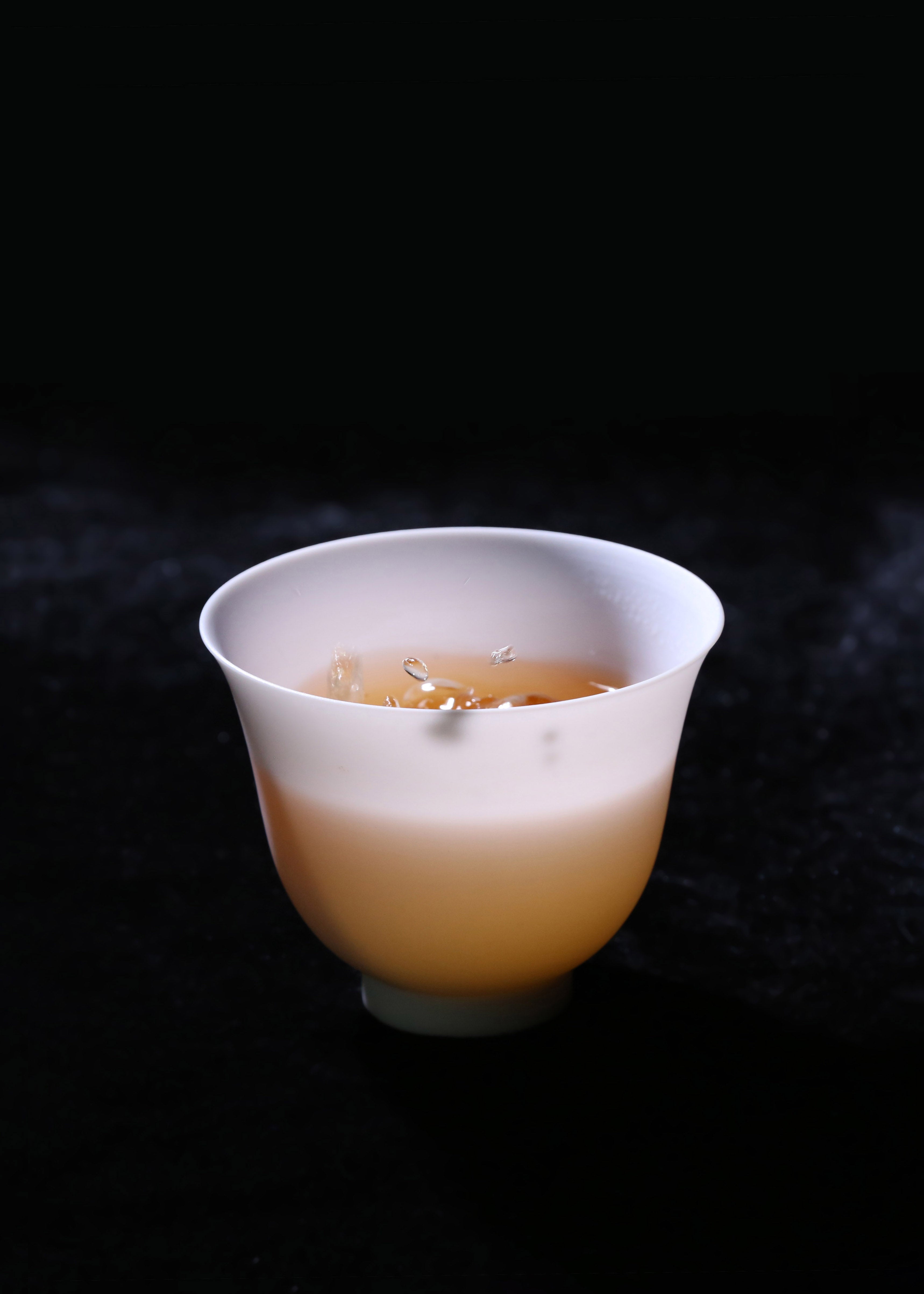
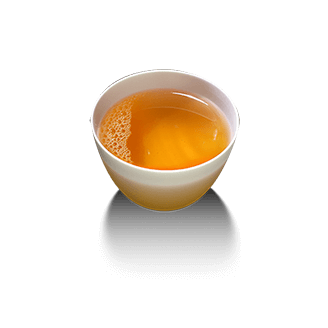
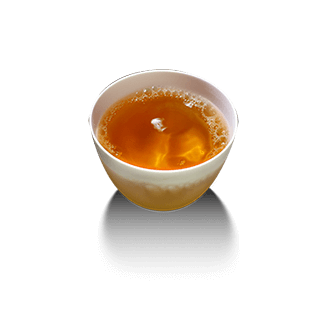
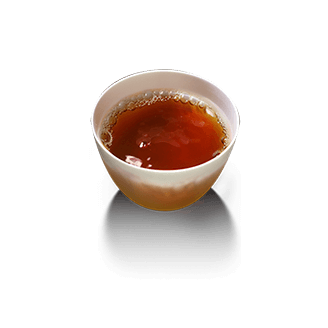
Brewed with boiling water, it presents a bright deep amber color, with fine down clinging to the cup wall—silky, thick and crystal clear. When simmered, the liquor color becomes darker, and the jujube and medicinal aromas grow richer.

Liquor Color: Bright deep amber with fine down clinging to the cup wall
III. Aroma
Lid Aroma: Medicinal aroma (mellow like licorice) intertwined with jujube aroma.
Cup-Bottom Aroma: After cooling, wild mountain honey aroma and sun-warmed warmth emerge.
Aftertaste Aroma: Woody sweet aroma.
IV. Taste
It tastes warm and smooth with no astringency, rich, sweet and mellow. After swallowing, the sweet aftertaste and fluid production are long-lasting, and a warm feeling lingers in the throat.
Tasting Summary:
A gift from Taimu Mountain’s terroir and fifteen years of time. Scattered insect holes embody compassion; aged aromas reveal integrity. Simmer slowly to savor the tenderness of years and the original flavor of nature.
Changes in key indicators during the aging process of white tea
Appearance Indicators
Dry Tea Color: New white tea is mostly green and white. As it ages, the color gradually deepens in 1-3 years, turns into a deep apricot yellow after 3 years, increases in brown after about 5 years, and is mainly brown after 7 years, mixed with white, yellow or red.
Tea Leaf Appearance: Fresh white tea leaves are relatively intact and unfurled, with vibrant stems and leaves. Aged white tea leaves become slightly wrinkled, and the stems appear drier, but still retain a certain degree of resilience. For compressed tea cakes, well-aged cakes are tightly pressed, but the leaves easily disperse when broken apart, without crumbling excessively. (Note that white tea cakes are generally made using a process from 2014 onwards; earlier white tea cakes were rare, and those older than this year are either newly pressed from old tea.)
Aroma Indicators
New tea stage: Mainly characterized by downy aroma, light aroma, and floral aroma. For example, Baihao Yinzhen has a rich downy aroma, Bai Mudan has a light floral aroma, and Shoumei has a faint grassy and downy aroma.
1-3 years: The aroma gradually weakens, the floral fragrance begins to transform, a faint aged fragrance appears, and there may also be a slight fruity fragrance.
3-5 years: The aroma becomes more pronounced, and the floral fragrance further transforms into lotus and jujube fragrances. White Peony and Shoumei teas have a more prominent jujube fragrance at this stage.
5 years or more: The aroma of herbs and wood gradually appears and becomes rich, becoming the dominant aroma, while the aroma of aged wood and jujube still exists.
Soup color index
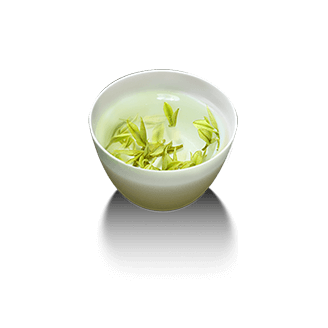
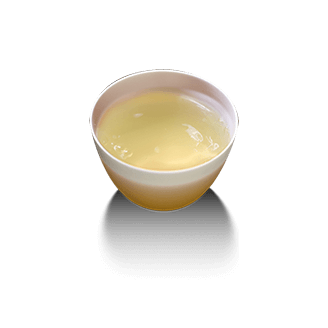
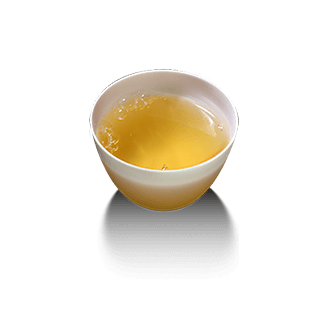
Around 1 year: The soup is light yellow, clear and bright, with a rather elegant color.
After about 3 years: the tea soup turns apricot yellow, slightly darker than when it was new tea, but still has a good brightness.
Around 7 years: The tea soup turns orange-yellow, the color deepens further, and the tea soup becomes more mellow and has a better texture.
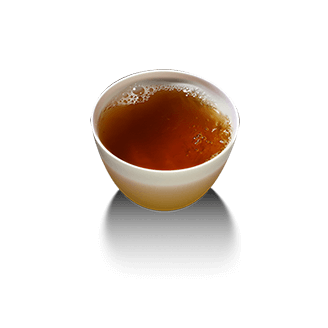
10 years or more: The soup color is bright orange-red, as vivid as amber, and the color changes relatively steadily with the number of brews.
Flavor Indicators
New Tea: Fresh and refreshing flavor with a clean grassy and downy aroma, and a quick but not long-lasting aftertaste.
1-3 years: The freshness decreases, the tea soup begins to become mellow, the flavor becomes richer, the aftertaste becomes stronger, and the nature of the tea changes from cool to warm.
3-5 years: The mellowness is further enhanced, the taste is smooth and sweet, the tea soup is smooth on the palate, the aftertaste is long-lasting, and the aged aroma gradually becomes more obvious.
5 years or more: The flavor is mellow and full-bodied, with a smooth texture. The aromas of herbs and dates are infused into the tea soup, with a long-lasting sweet aftertaste. The tea is mild and more resistant to brewing.
Leaf Infusion Indicators
Color: Fresh tea leaves are predominantly green with a slight yellow tinge, appearing vibrant and glossy. As the leaves age, their color gradually changes to yellowish-green and then yellowish-brown. Aged white tea leaves (7 years or older) are mostly brown with a uniform color.
Texture: Fresh tea leaves are soft, elastic, and have good resilience. Aged tea leaves still retain a certain degree of softness and resilience, but compared to fresh tea, they will be slightly drier and harder, although they will not become brittle or mushy.
Let the inner quality refined by time unfold in boiling water
Let the inner quality refined by time unfold in boiling water.
2010 Wild White Tea
Brewing
Tea Brewing Guide
Warm the Pot & Toast the Tea (Key Aroma-Enhancing Step):
Wipe the teapot dry and heat it over low heat for 30 seconds.
Add 5g of tea cake, gently shake the pot manually, and dry-toast for 1 minute (stop when a slight roasted aroma is detected; do not burn the tea).
Brew with cold water:
Pour 400ml of cold water into the pot. Bring to a boil over high heat, then switch to low heat.
Simmer for 2 minutes while maintaining the "initial crab-eye boil" state (small bubbles on the water surface), then turn off the heat and steep for 5 minutes.
The tea liquor will be deep amber in color, thick in texture, with a blend of medicinal aroma and light roasted scent—perfect for warming the body in autumn and winter.
Refill Brewing Tips:
For the second brew: Add warm water, bring to a boil, and simmer for 1 minute only to avoid over-extraction which causes thin taste.
If the tea leaves at the bottom are not fully unfolded after brewing (especially for tightly pressed tea), fish them out, gently break them apart by hand, and put them back into the pot for rebrewing.
Soaking before boiling
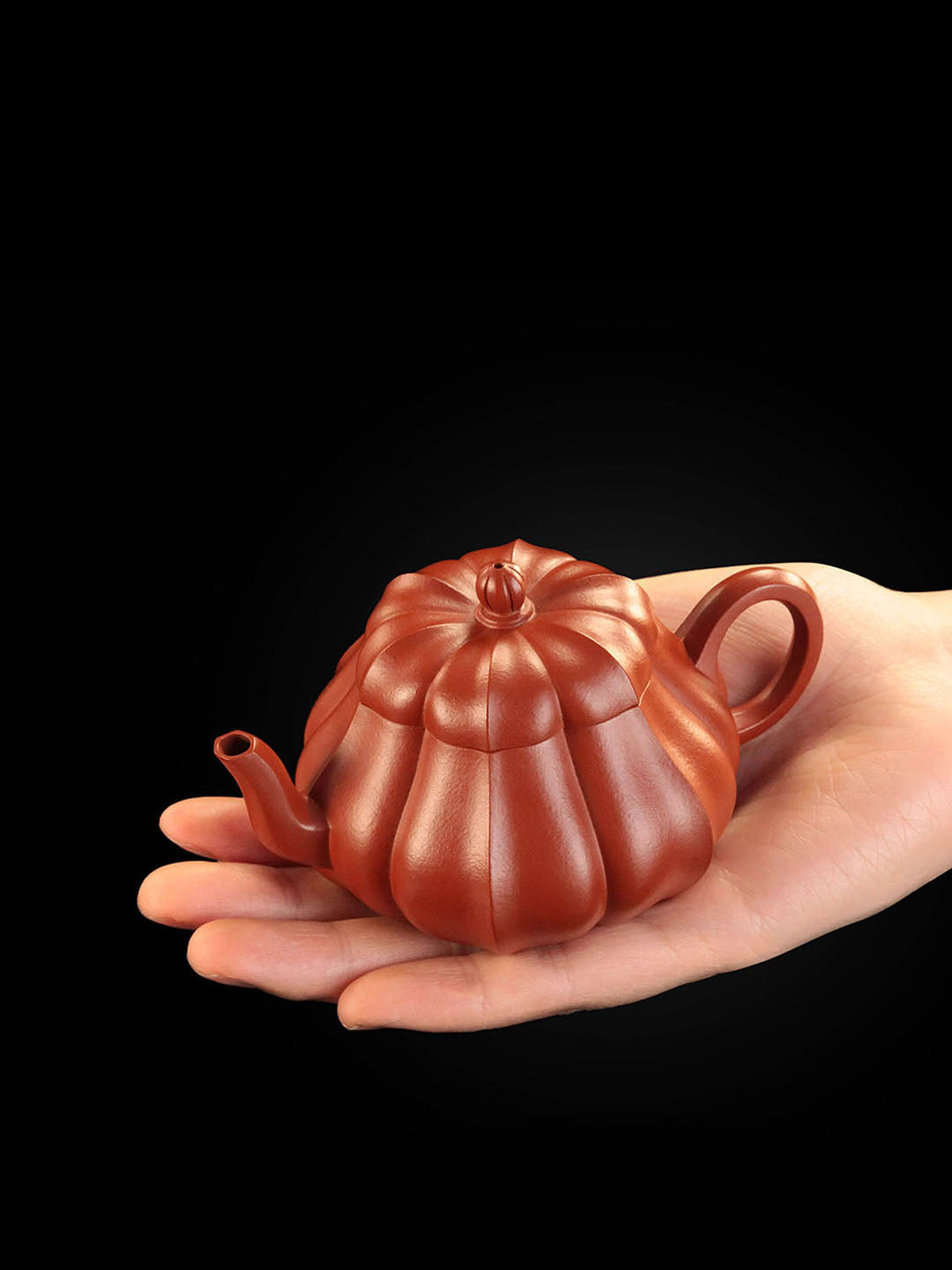
First 3 Infusions (Gaiwan / Purple Clay Teapot – Awaken Tea Aroma)
1st Infusion:
Pour 100℃ boiling water along the inner wall of the vessel.Steep for 8 seconds and decant the liquor immediately.
Liquor color: Light amber, with an initial sweet and mellow taste.
Brew the used tea leaves in a teapot (to release the residual flavor, rebrew 3 times).
Preparation before brewing:
Put the tea leaves that have been brewed 3 times directly into the teapot, add 300ml of cold or warm water (cold water extracts more flavor, while hot water saves time).
If the used tea leaves are relatively crushed, wrap them with a tea strainer to avoid cloudy tea liquor.
Fire Control:
First simmer: Bring to a boil over high heat, then immediately switch to low heat and maintain a gentle simmer for 1-2 minutes. Turn off the heat and let it steep for 3 minutes (the tea liquor is rich red, with a texture like rice soup).
Second simmer: Add 200ml of warm water, bring to a boil over high heat, then simmer on low heat for 1 minute. Let it steep for 2 minutes (the taste remains sweet and mellow, with a long-lasting aged fragrance).
Third simmer: Add a small amount of hot water, bring to a boil, then turn off the heat directly. Let it steep for 5 minutes (the residual flavor is fresh and sweet, suitable for "quenching thirst with tea")..
Tasting Tips
It is recommended to drink the simmered tea when it cools slightly (60-70℃) to feel the "slimy texture of the tea liquor in the mouth" and the "sweet aftertaste at the bottom of the throat".
When simmering the tea, leave the teapot lid slightly open (about 1/3 uncovered) to avoid "over-steaming" which may produce a cooked taste.
water quality
Choose qualified purified water; never use alkaline water.
(For commercially available mineral water brands, their water sources and quality indicators vary. So-called "high-quality mineral water and mountain spring water" may cause loss of functional components and inhibition of aroma in tea.)
I:Effect of Alkaline Water on Green Tea
1. Effects on tea liquor color:
green tea:
Under alkaline conditions, chlorophyll is easily destroyed (chlorophyll stability decreases at pH > 8.0) , causing the tea liquor color to easily change from bright green to yellow or dark yellow, resulting in turbidity , especially noticeable when brewed at high temperatures. Flavonoids (such as catechins) in green tea are easily oxidized in an alkaline environment, exacerbating the darkening of the tea liquor color.
black tea:
Theaflavins (bright orange-yellow) are easily oxidized to thearubigins (dark red) under alkaline conditions, and further generate dark brown, causing the soup color to change from bright red to dark and lose its transparency .
Other types of tea:
The color of oolong tea, white tea, and yellow tea may be darker due to alkaline water. The color of black tea (such as ripe Pu-erh) will become more turbid, and the color stability of aged aroma substances will also be affected .
2. Impact on taste and texture
Analysis reveals differences:
Tea polyphenols and caffeine: lead to insufficient concentration and bland taste . An alkaline environment inhibits the dissolution of tea polyphenols (bitter substances) and caffeine, reducing the bitterness of the tea soup.
Amino acids and sugars: Disruption of amino acid structure reduces the freshness and crispness.
Mineral influence: Alkaline hard water (containing more calcium and magnesium ions) combines with tea polyphenols to form insoluble precipitates (such as "cloudiness after cooling"), resulting in cloudy tea soup and a rough taste .
Balance of taste: It significantly affects the "richness" of tea soup for teas that rely on polyphenols to support their taste (such as raw Pu-erh tea and high-roasted rock tea), with no noticeable aftertaste and an overall taste that is bland and coarse .
3. Effects on aroma
Volatile aromatic substances: An alkaline environment may accelerate the degradation or transformation of aromatic substances (such as aldehydes and alcohols), resulting in a single aroma profile, especially in light-aroma teas (such as jasmine tea and Anji white tea), where the floral fragrance dissipates easily and may even develop a "mushy" taste.
Aged aroma and woody aroma: For fermented teas such as black tea and aged Pu'er, alkaline water may slightly highlight the aged aroma (pH>8.0) and suppress the fruity or honey aroma.
II: The adaptability of different types of tea to water quality
1. The interaction between the physicochemical properties of water and tea components
-
Hard water (>120 mg/L CaCO₃) : Calcium ions combine with tea polyphenols to form precipitates, reducing the astringency of tea soup (EGCG binding rate can reach 23%), but losing antioxidant activity (Food Chemistry, 2018); Magnesium ions promote caffeine dissolution, and every 1 mg/L increase in magnesium can increase the caffeine concentration by 0.8% (Journal of Agricultural and Food Chemistry, 2020).
-
Soft water (<60 mg/L CaCO₃) : Theaflavin dissolution rate increased by 12%, and the brightness of the tea soup increased (L* value increased by 3.2), but the amino acid extraction efficiency decreased (Food Research International, 2019).
2. Supported by scientific experimental data
-
Longjing green tea brewing experiment (TDS = 50 vs 300mg/L) : The amino acid content of the tea soup in the soft water group (1.2mg/mL) was significantly higher than that in the hard water group (0.8mg/mL), but the caffeine content was 18% lower (China Tea Processing, 2021); Sensory evaluation showed that the freshness score of the soft water group was 1.7 points higher (out of 9), while the body of the hard water group was 0.9 points higher.
-
Research on water quality suitability for Wuyi rock tea : Water containing trace amounts of sulfate (20-50 mg/L) can increase the dissolution of cinnamaldehyde, a characteristic aroma compound of cinnamon, by 24% (GC-MS detection), and significantly enhance the rocky aroma (Tea Science, 2020).
3. Water quality selection recommendations (based on tea)
|
Tea |
Ideal TDS |
Recommended pH |
Key ion requirements |
|
F.T.L. Green Tea |
30-80mg/L |
6.8 |
Ca²⁺<15mg/L, Mg²⁺<5mg/L |
|
F.T.L. Oolong Tea |
80-150mg/L |
7 |
HCO₃⁻ 40-60mg/L |
|
F.T.L. Black Tea |
100-200mg/L |
6.8 |
K⁺ 2-5mg/L, SiO₂ 10-15mg/L |
|
F.T.L. Pu'er Tea |
50-120mg/L |
6.8 |
Fe³⁺ < 0.1 mg/L |
4. Examples of the impact of special water quality
London tap water (high hardness) : When brewing black tea, the formation of oxalate-calcium complexes leads to "cold turbidity" appearing 30 minutes earlier, with the turbidity (NTU) of the tea reaching 12.5, which is significantly higher than that of the soft water group (NTU = 4.3) (Food Hydrocolloids, 2019).
Kagoshima hot spring water (containing sulfur) : Sulfides react with theaflavins to form methyl flavonoids, which reduces the umami intensity of sencha by 37% (*Journal of the Japanese Institute of Food Science and Technology, 2022).
One Region, One Tea: Water quality from specific local water sources enhances the color, aroma, and taste of local tea, but using local water requires systematic professional knowledge and high costs. For non-professionals, mastering the basic principles of "softened purified water + temperature control" is far more practical than pursuing famous springs from the origin.
The precise matching of water and tea is essentially a dialogue of geographical genes, which needs to be built on a multidisciplinary system of geology, food chemistry, heat transfer and other disciplines, and cannot be covered in just a few lines of web pages.
The UK-based AquaSim laboratory has simulated 12 core indicators of Tiger Spring water. However, it lacks the original spring's microbial community (such as Nocardia tea-loving bacteria), resulting in a 27% difference in post-fermentation flavor. In addition, the operation is complex: it requires mastering the "listening to the spring while boiling water" method (stopping the fire immediately when the water first boils), and a temperature error of more than 3°C will disrupt the flavor balance.
The charm of tea ceremony lies in appreciating what suits one's taste.
A pot of purified water is enough.
Don't be trapped by the mystique of water quality.
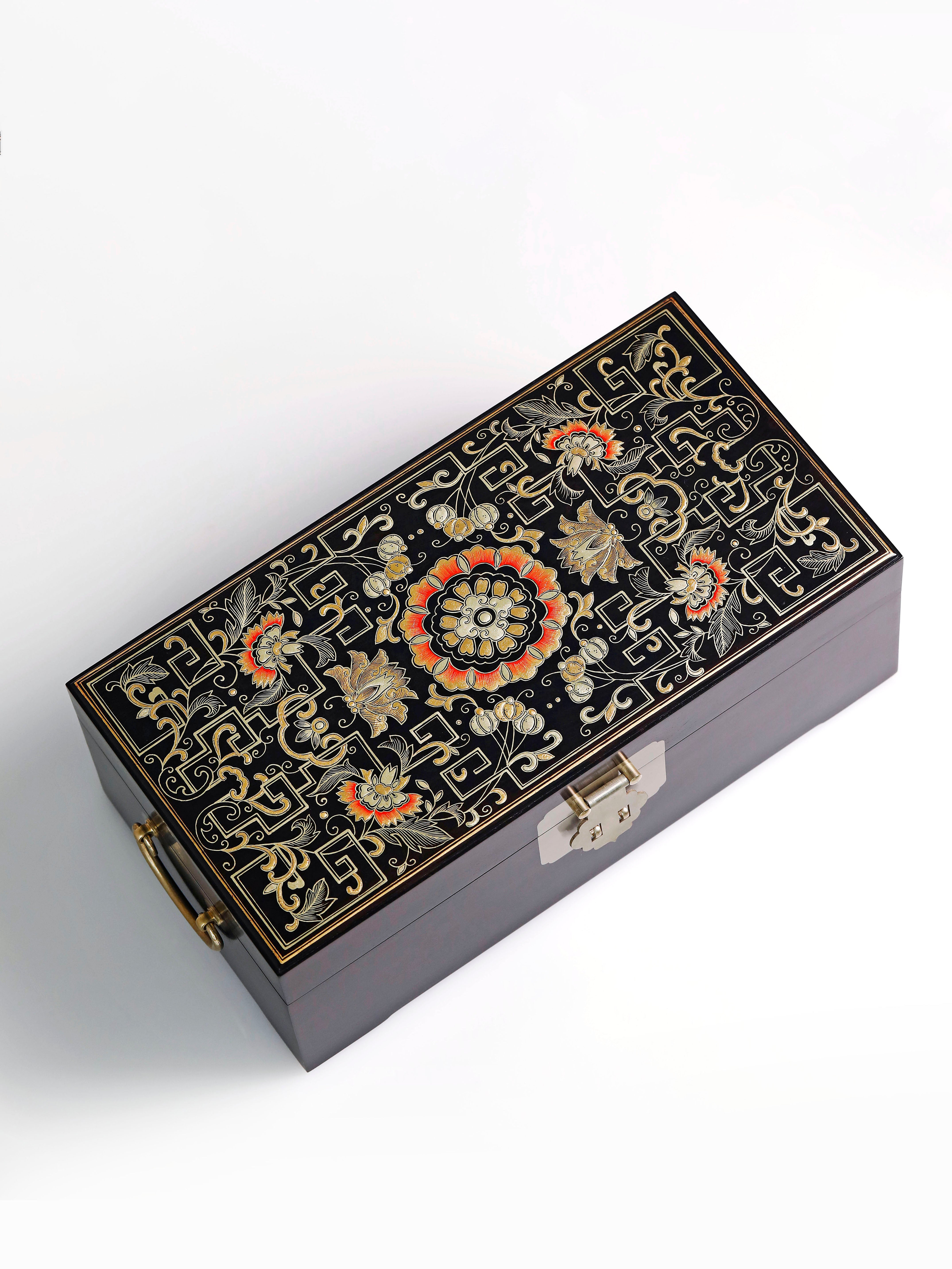
Wooden box packaging with a sealed bag inside.
White tea storage
White tea is cool in nature, and its coolness deepens with age.
Stored for three years, it gains medicinal value; preserved for seven years, it becomes a treasure.
White tea is cool in nature, and its coolness deepens with age.
Stored for three years, it gains medicinal value; preserved for seven years, it becomes a treasure.
White tea storage
Avoid light, high temperatures, and odors.
Temperature & humidity: 15-25℃, 50%-65% (to prevent mold growth and aroma loss).
Light Protection & Ventilation: Keep away from direct sunlight (to prevent the decomposition of theaflavins and darkening of the tea liquor) and place in a well-ventilated area.
No odor interference: Keep away from odor sources such as cooking fumes and spices.
Container selection
Short-term (within 1 year): Purple clay/ceramic jar with ventilation holes (for preservation);
Long-term (over 1 year): Aluminum foil bags (semi-vacuum) + moisture-proof cartons (to facilitate tea aging).
Taboo
Avoid Placing In: Kitchens, bathrooms, balconies, and refrigerators.
Minimize Container Movement: Check the tea 1-2 times a month—ensure the tea leaves are loose, free of mold, and odorless.
Shoumei / Gongmei: Store according to long-term standards (aluminum foil bags + moisture-proof cartons) for easy development of jujube aroma.
Mudan / Silver Needle: Short-term storage can use purple clay jars; long-term storage requires moisture protection (aluminum foil bags + moisture-proof cartons).
Shelf life
The above storage method allows for long-term storage.