

Wei Yuede's Curated Traditional Tieguanyin
Wei Yuede's Curated Traditional Tieguanyin

The ninth-generation grandson of Wei Yin, the founder of Tieguanyin, and National-level ICH Inheritor
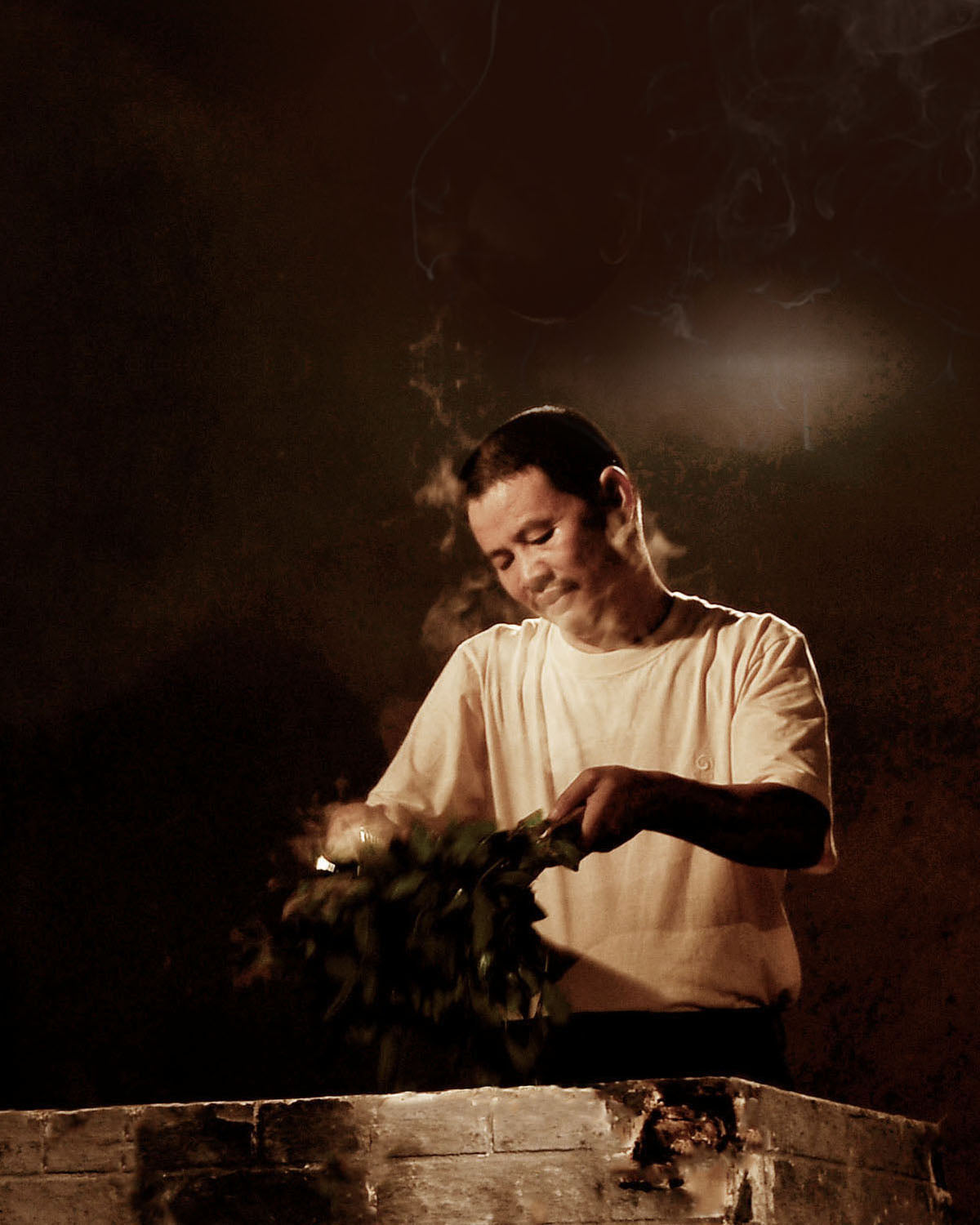
Anxi, Fujian, is the magical land that nurtures Tieguanyin tea. Amidst the lingering aroma of tea, Wei Yuede, with his mustache, buzz cut, and a natural star quality coupled with his humor, is the ninth-generation descendant of Wei Yin, the ancestor of Tieguanyin tea.

During the reign of Emperor Yongzheng in the Qing Dynasty, my ancestor Wei Yin was a devout tea farmer who would respectfully offer tea to Guanyin every day. One night, he dreamed of a strange tea tree. The next day, he searched for it according to his dream and found it. He named it "Tieguanyin" (Iron Guanyin), and this beautiful name was born from then on.

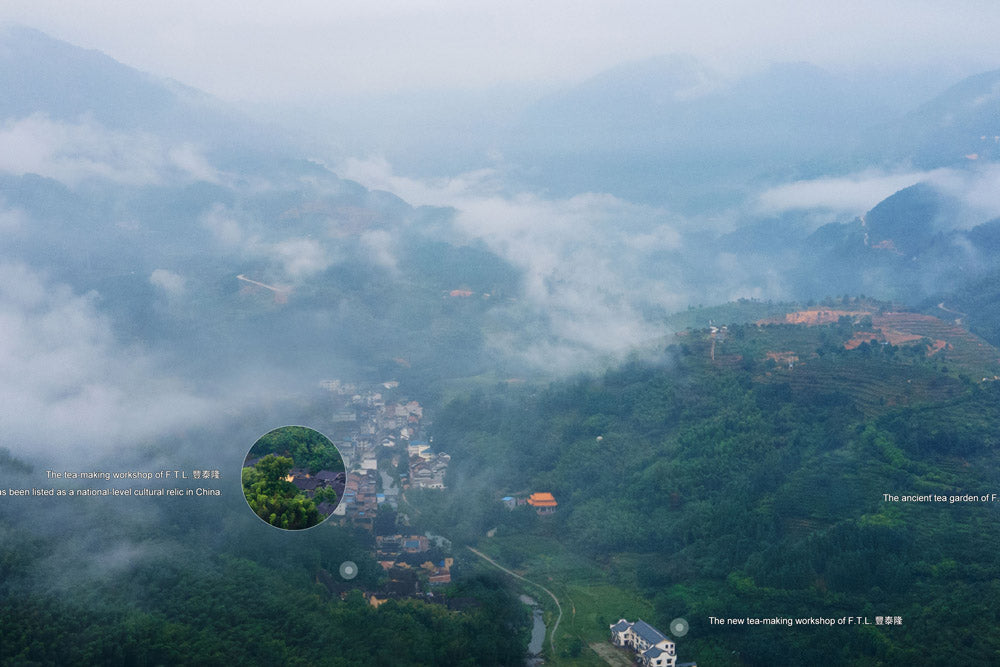
To reach Wei Yuede's home in the mountains, one must pass through Rizhai—a place where ancient houses are closely connected, forming a unique "日" (sun) shape. His mountain house is nestled among tea gardens, its roof ridge neat, its wooden windows and walls simple yet elegant, with delicate carvings. Each time Wei Yuede returns to his mountain house, he always offers tea to his ancestors with reverence. Outside the house, verdant peaks rise and sweet springs flow, shrouded in mist year-round—this is the very place where Guanyin (Avalokitesvara) appeared in a dream. The tea-growing culture here dates back nearly 4,000 years, and tea farmers have lived and thrived here for generations.

Wei Yuede often remarked that his mother gave birth to him under a tea tree and began learning to make tea at the age of 13. Perhaps his destiny with tea was preordained from the moment he was born. As a child, he embarked on the path of learning tea, from initially observing with curiosity to later actively practicing. Time quietly passed by amidst the lingering aroma of tea.

Wei Yuede's traditional Tieguanyin tea inherits two unique family techniques: one is "Tieguanyin's color is like iron"—the dry tea leaves are plump and tight, resembling "dragonfly heads and frog legs," with a dark and lustrous color, and feel as heavy as iron in the hand. This unique shape and color all stem from the distinctive shaking and other processes; the other is the "charcoal roasting" technique—Tieguanyin that has been charcoal roasted carries a unique charcoal and woody aroma, with a mellow and full-bodied tea soup, a long-lasting flavor, and a sweet aftertaste.
Anxi Intangible Cultural Heritage: Wei Yuede's Charcoal-Roasted Tieguanyin Tea
Appreciation
As the ninth-generation descendant of Wei Yin, the founder of Tieguanyin tea, and a national-level intangible cultural heritage inheritor, Wei Yuede's charcoal-roasted Tieguanyin is a microcosm of traditional craftsmanship. It uses organic tea leaves from old tea trees at an altitude of over 1,000 meters in Songlintou, Xiping Town, Anxi County as raw materials. The leaves are processed using the ancient method of "shaking evenly, shaking for water, shaking for aroma, and shaking for flavor". Then, it is charcoal-roasted for 5 to 28 hours using a unique "divine fire" technique, resulting in a "mellow, rich, sweet, and smooth" flavor benchmark.
Year : 2025
Grade : Special
Tea Maker : National Intangible Cultural Heritage Wei Yuede, inheritor of Tieguanyin tea tradition
Origin : Organic tea leaves from old tea trees at an altitude of over 1000 meters in Songlintou, Xiping Town, Anxi County are used as raw materials.
Variety : Tieguanyin
I. Dry Tea: Observing its Shape and Judging its Quality
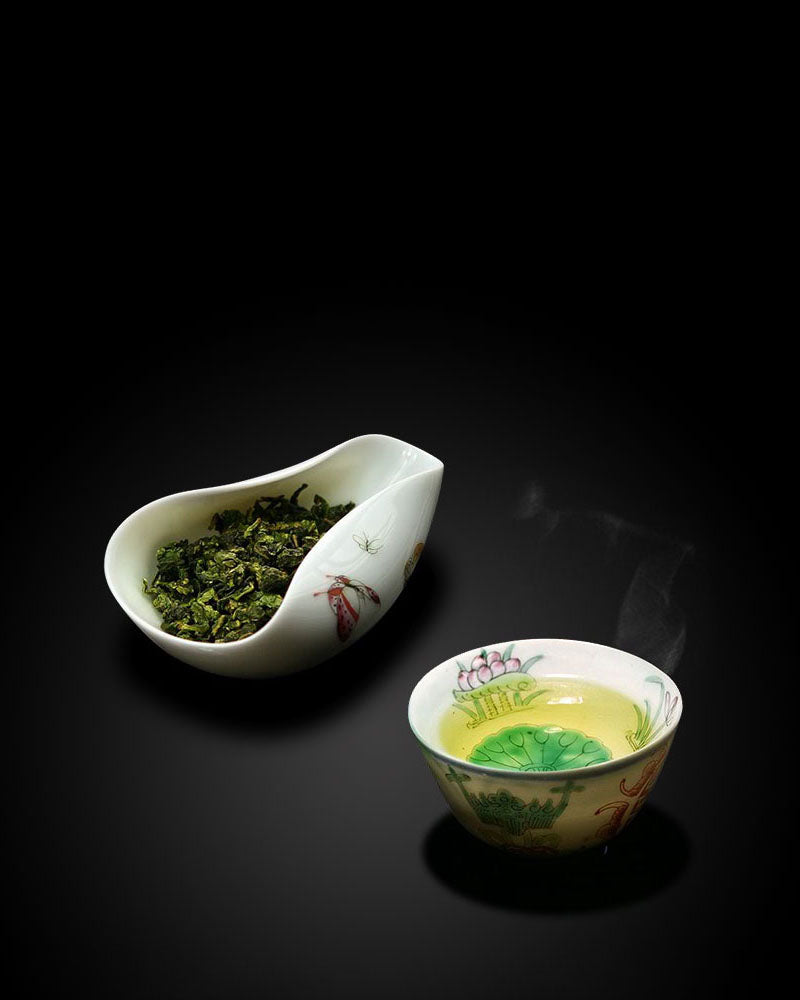
Appearance: The strips are plump and firm, with a typical "dragonfly head and frog leg" shape, and appear round and heavy due to the traditional hot-wrapping and kneading process;
Color: Dark and glossy with a subtle dark brown sheen, free of scorch marks or white spots, which is evidence of precise flame control;
Initial scent: When you bring your nose close and sniff lightly, you'll find a sweet and moist honey scent with a subtle hint of charcoal and woody aromas, without any harsh or smoky notes.
II. The coexistence of fire and tea aroma
Dry/Warm Cup Fragrance: The honey scent emerges first, followed by the charcoal aroma after warming the cup, which intertwines with the orchid scent to form a warm and smooth base;
Infusion aroma: When boiling water is poured high, the aroma of charcoal, milk, and ripe fruit bursts forth in layers, yet it does not obscure the true orchid fragrance of Tieguanyin. This is due to the exquisite fusion of aromatic substances accumulated during the "four shaking" process and charcoal roasting.
Aroma at the bottom of the cup: After the tea soup is poured out, a sweet jujube aroma remains at the bottom of the cup, which remains clear even after standing for a long time, showing its full inner quality.
III. Guanyin Rhyme
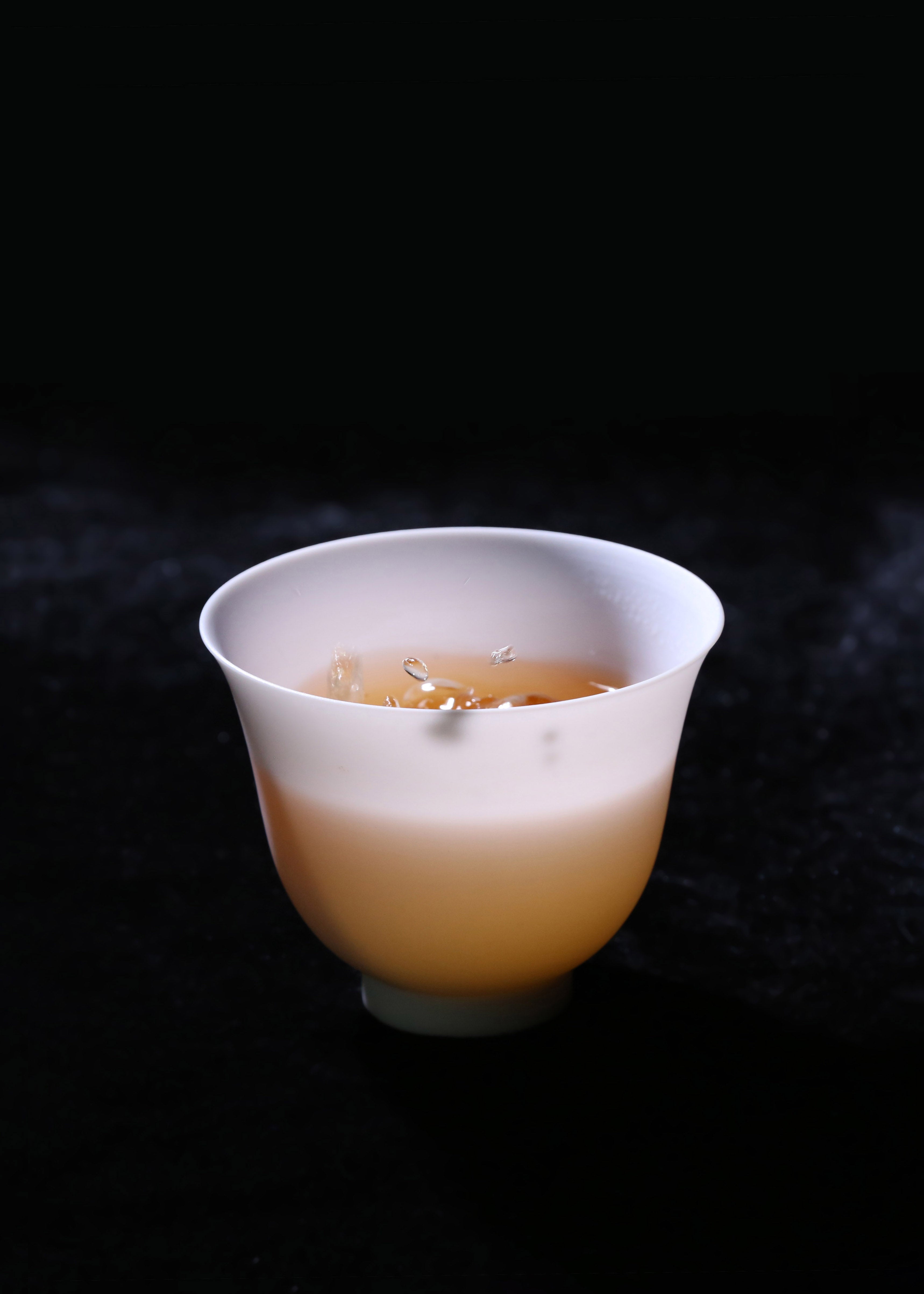
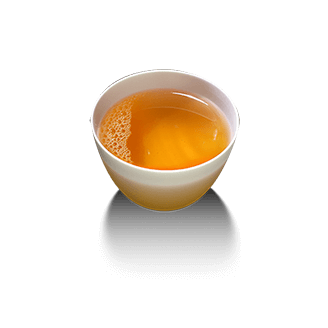
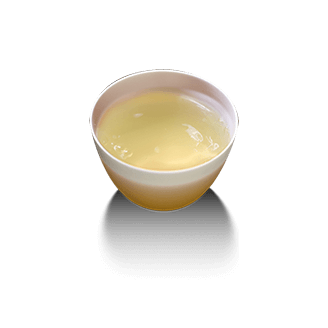
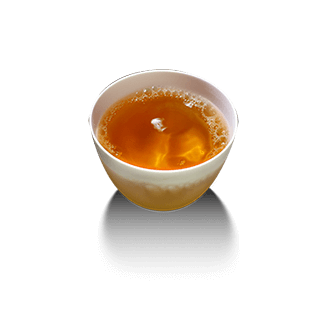
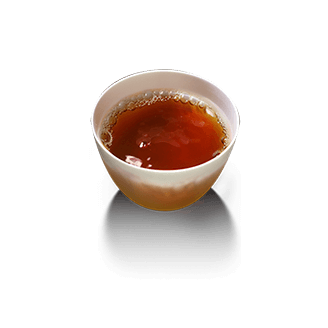
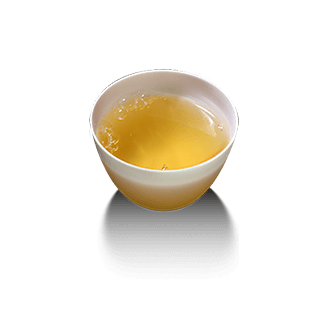
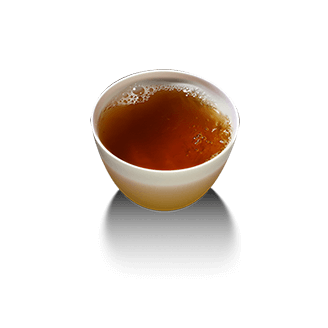
The color of the soup ranges from light amber to deep orange-yellow, clear and oily, with fine gold rings in the white porcelain cup;
Taste: It is mellow and smooth on the palate, without any bitterness. The tea soup has a viscous feel, and you can taste the caramel sweetness produced by charcoal fire on the tip of your tongue.
Aftertaste: After swallowing for 3 seconds, saliva is produced under the tongue, and a cool sensation arises in the throat. The aftertaste carries a woody and orchid fragrance, and a warm current spreads throughout the body, just like the feeling of "sweating lightly after four bowls of soup".
IV. Leaf Appearance: Testing Process and Growing Area
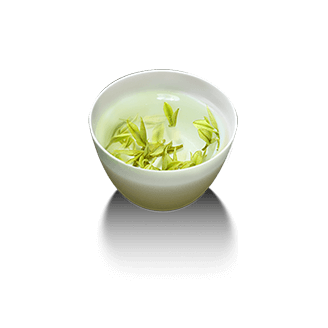
Color: Bright yellow-green with red edging on the leaf edges, a hallmark of traditional craftsmanship, and no scorched or dead spots;
Leaf quality: The leaves are thick and elastic, and are not easily broken when lightly pinched - This is due to the abundant internal quality accumulated in the high-altitude, foggy environment, which also confirms the precise control of the withering and roasting process.

The tea liquor is a clear and bright orange-red, with a 'Golden Ring' that signifies its rich quality.

The strips are plump and tightly rolled, naturally curled, without any broken pieces, and have a dark, glossy, brownish-green hue without any scorched edges.

Wei Yuede's Charcoal-Roasted Tieguanyin
Brewing
Wei Yuede's Charcoal-Roasted Tieguanyin
Brewing
Charcoal-roasted Tieguanyin tea possesses both the flavor of fire and the inherent character of Tieguanyin. Brewing should be tailored to the tea's properties, and storage should consider both moisture protection and aging. Specific methods are as follows:
I. Brewing: Bringing out the roasted aroma and flavor of the tea
1. Utensils
The preferred choice is a 110ml white porcelain gaiwan: it does not absorb aroma, reveals the layers of charcoal aroma and orchid fragrance, and allows for easy observation of the soup color;
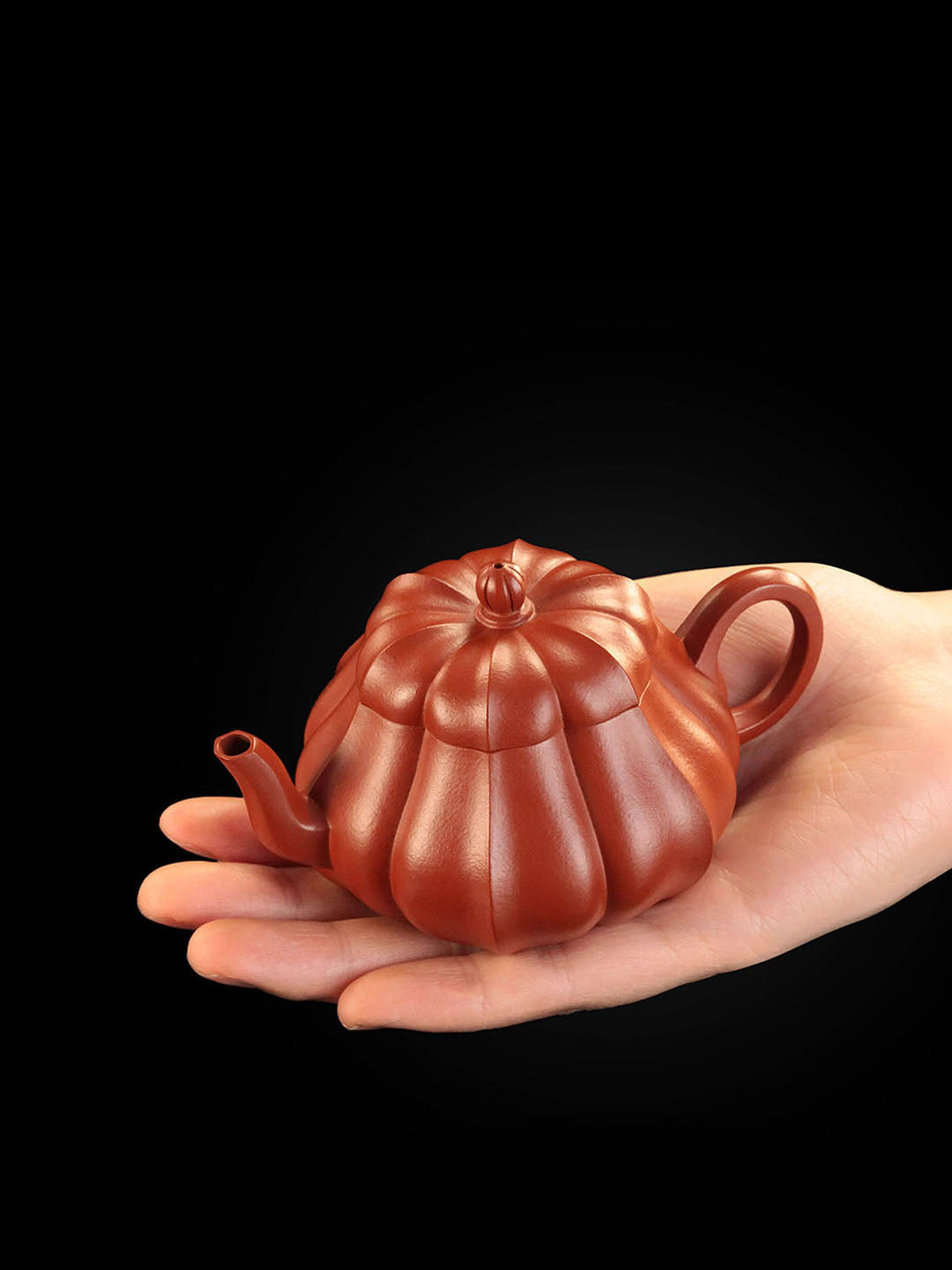
Second choice: Zhu Ni/Zi Ni Zisha teapot (flat and round shape): softens the tea soup and makes the aroma of roasted tea more mellow.
2. Water temperature and tea addition
Water temperature: 100℃ boiling water (high temperature awakens the internal substances, avoid simmering in warm water);
Tea quantity: 7-8g for gaiwan (1:15 ratio), 1-2g more for Yixing teapot.
3. Serving time
First 3 infusions: Pour out within 5 seconds (reduce dryness and preserve sweetness);
4-8 infusions: Each infusion should be steeped for 5-10 seconds (for a better blend of the aroma of smoky wood and orchid).
After 9 infusions: extend for 20-30 seconds
4. Techniques
Pour boiling water from a high position (15cm) to release the aroma, then pour from a low position (close to the rim of the cup) to preserve the aroma.
If the smoky flavor is too strong, you can open the lid and let it cool for 30 seconds after the second infusion to remove the dryness.
Packaging
Pure Tin Can Handcrafted by Sheng Yiyuan, Intangible Cultural Heritage Inheritor of Yongkang Tin Carving
Height: 15cm | Diameter: 11cm | Net Weight: 200g
The can body is shaped through thousands of manual hammer strikes, boasting a delicate and warm texture. Each hammer mark, varying in depth, is a unique imprint—not a repetition, but a vivid testament to the warmth of handcraft, embodying the profound connotation of intangible cultural heritage craftsmanship. The inner wall is finely polished using precision CNC technology, ensuring a smooth touch without roughness. Relying on high-precision craftsmanship, the lid achieves an airtight seal, integrating the warmth of handcraft with the accuracy of modern technology. It preserves ancient charm while maintaining practicality.


Sheng Yiyuan, inheritor of Yongkang tin carving ICH
Height: 15cm, Diameter: 11cm, Net Weight: 200g
The core of storing charcoal-roasted Tieguanyin is to lock in the roasted aroma and prevent re-greening.
Core Principles
Low temperature: Keep below -5℃ (achievable with a household refrigerator's freezer compartment) to slow material transformation and prevent aroma loss or re-greening.
Sealing: Use high-seal containers and close tightly immediately after taking tea to avoid contact with air and moisture.
Odor prevention: Char-roasted tea has strong adsorption properties. Keep it away from cooking fumes, perfume, etc., and store it in a separate compartment if using a refrigerator.
Contextualized operation
Short-Term Storage (1-3 Months, Daily Consumption)
Container: Choose ceramic jars, tin cans with silicone sealing rings, or double-layer aluminum foil bags (squeeze out air after taking tea).
Environment: Store in a cool and dry place (≤25℃, humidity ≤50%), away from direct sunlight and heating sources.
Details: Use a dry tea spoon to take tea. If the tea becomes damp or the aroma fades, immediately transfer it to a refrigerator for cold storage at 0-5℃.
Long-term storage (more than 3 months)
Container: Outer layer of food-grade sealed bag (tightly tied) + inner layer of tin can/ceramic jar, or vacuum-sealed jars.
Refrigerator steps:
Place in the freezer compartment (around -10℃), away from ingredients with strong odors.
Let it return to room temperature 1-2 hours before taking tea (to prevent condensation).
Take tea quickly, seal immediately and put back. Avoid repeated thawing.
Taboo: Do not use glass jars (poor sealing) or wooden containers (release odors and absorb moisture).
Pitfall Avoidance Key Points
Avoid long-term storage at room temperature: Storing at room temperature for more than 3 months is prone to aroma loss and re-greening, and it may deteriorate within 1 month during the rainy season.
Avoid repeated thawing: It is recommended to divide into small sealed portions according to 10-15 days' usage.
Do not neglect humidity: Place unscented desiccants in the container and replace them regularly.