



2020 Mountain Aroma & Wild Charm
2020 Mountain Aroma & Wild Charm
2020 Mountain Aroma & Wild Charm


Cast off all entanglements
That year
she was seventeen
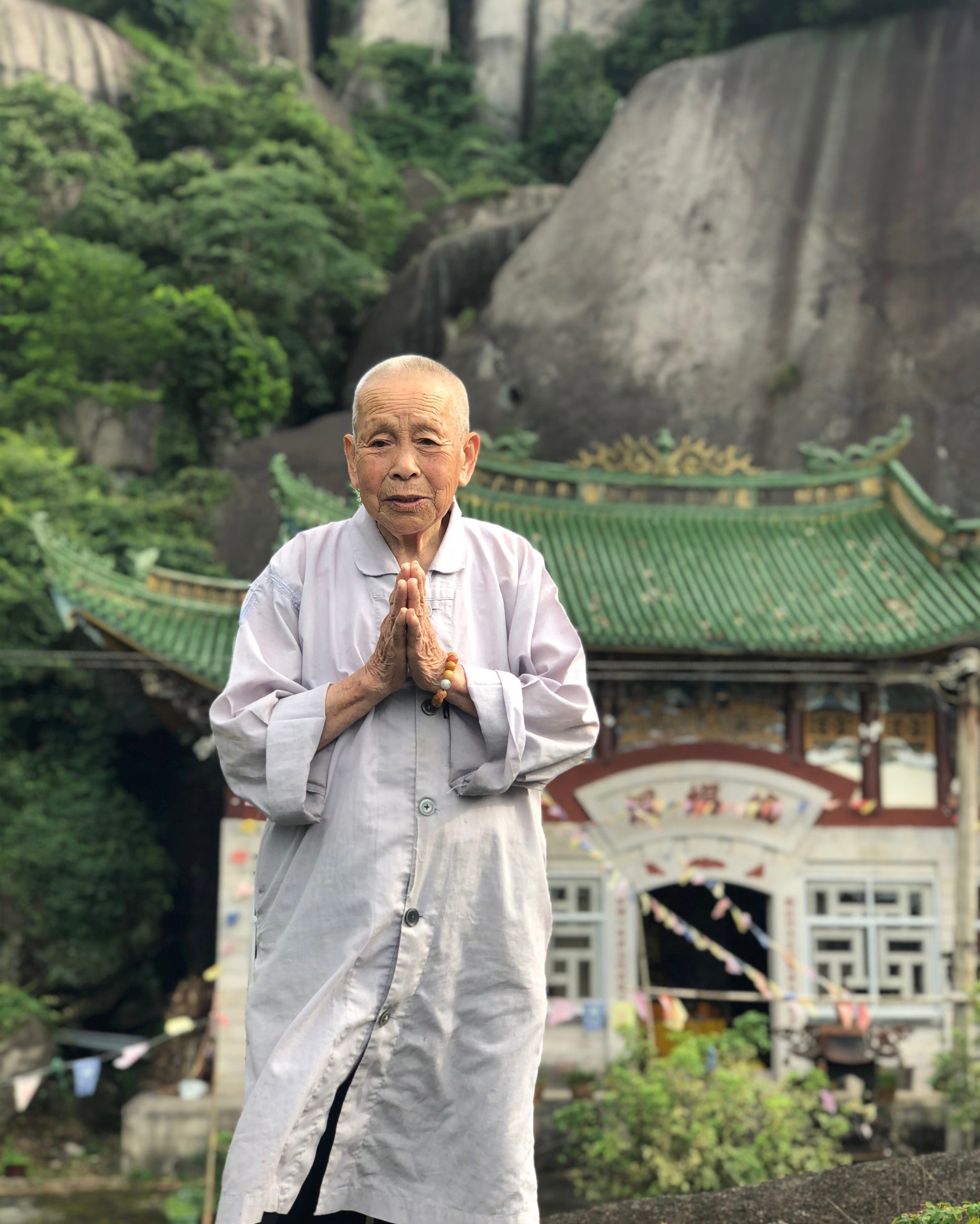
That year, she was seventeen. For reasons unknown, she cast aside all worldly ties, draped herself in a plain gray robe, and from then on, she stayed company with a stretch of white tea plantation on Mount Taimu.
In the mountains, she lost all sense of time. Amid the morning bells and evening drums, as mist gathered and dispersed, and stone steps grew warm with the passage of days, she became a 90-year-old Buddhist Nun before she knew it.
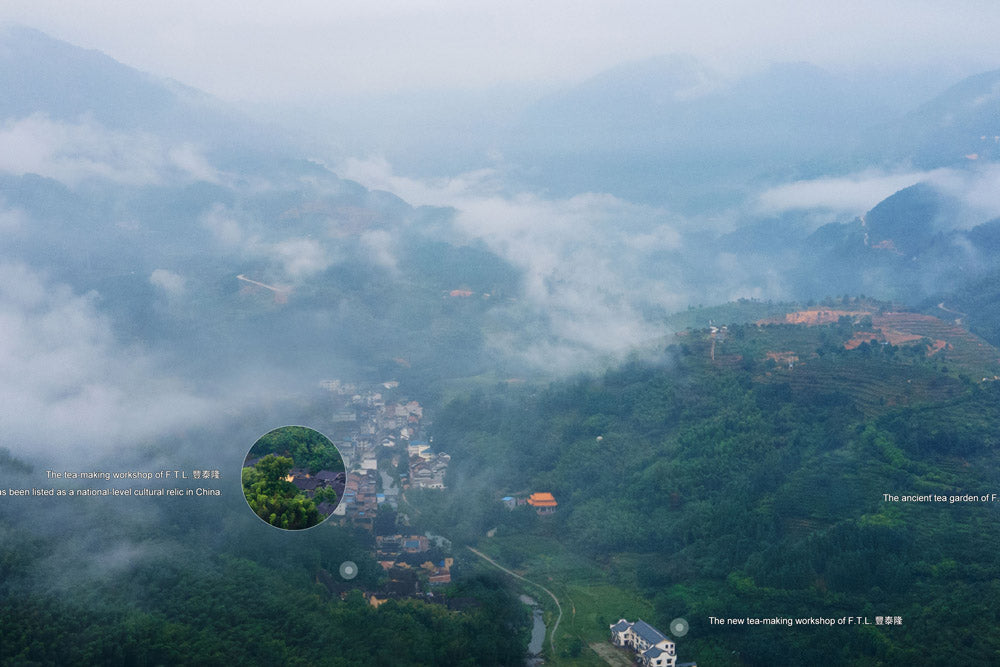
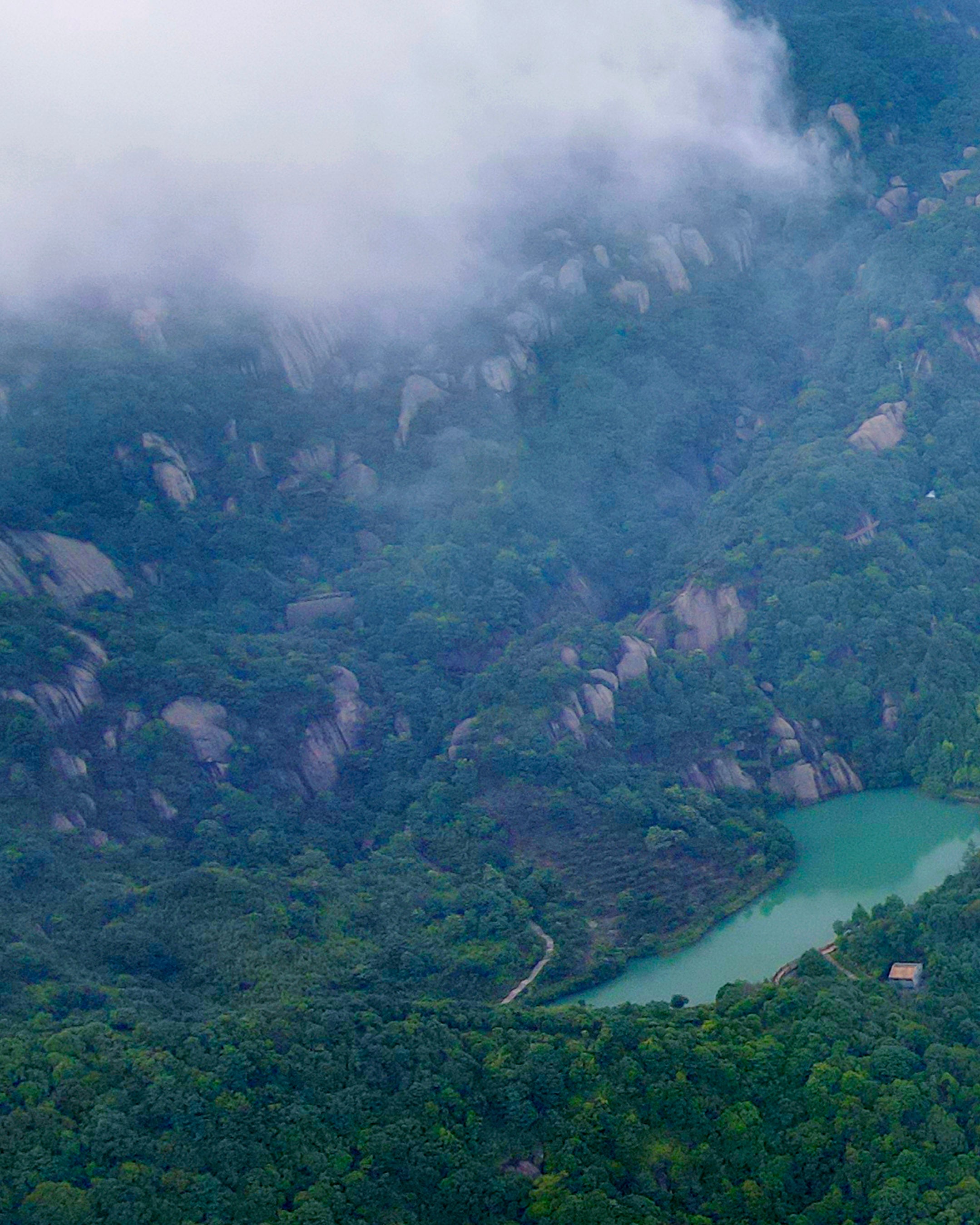
Mount Taimu has stood tall for hundreds of millions of years. The white tea plants here are shrouded in ice and mist all day long.
Beside this old temple, the tea bushes have small leaves and unbright colors, often plagued by insects and birds.
The monks never used pesticides; instead, they chanted sutras softly to drive the pests away, letting the white tea endure wind and rain, absorb vital energy, and thrive in the most natural way.
Among these plants and trees, the Buddhist Nun’s story is like aged white tea—holding the mellow charm of time.
Paying respects to the Senior Buddhist Nun had long been a wish of mine. Her residence was hidden deep in the heart of Mount Taimu, where winding paths twisted around rocks, and houses with walls built against the mountain were dusted with moss.
When we arrived, the Buddhist Nun was in the Buddhist hall, tapping a wooden fish and paying homage to the Buddha. Upon seeing us, she first brought out wild fruits from the mountains—sweet-tasting peaches and dew-dappled pears—then went to gather firewood and light a fire to make breakfast.
When the meal was ready, I tried to help serve the noodles, but she stopped me: before eating, she always observed three rituals that had remained unchanged for decades.

First, she struck the wooden clapper, and clear notes reached our ears; next, she chanted theSutra of Gratitude, each word earnestly expressing thanks for nature’s gifts; finally, she pinched seven grains of rice and scattered them on the bird feeder, presenting them to the Garuda (Great Golden-Winged Bird) and all sentient beings.
The soft sound of those seven grains of rice struck the heart more deeply than a thousand catties of weight—it was the compassion and reverence she held fast to, day after day.
After the meal, the Buddhist Nun rinsed the wok with mountain spring water. She poured hot water over it, sprinkled baking soda, and scrubbed it three times with a bamboo brush—even the gaps in the stove were scrubbed until they shone.
In this bowl of noodles deep in the wild mountains, a sense of ritual arose from the heart; it was a respect for life and nature.
After the meal, she took us to see her proud old tea trees.
The Buddhist Nun is already in her nineties, yet she walks as briskly as a young person—her stamina for climbing mountains is even better than ours.
This is the wild tea garden she cherishes as a treasure.
The tree trunks are thick and sturdy, etched with the marks of time, while their branches and leaves still stretch out gracefully. Pointing to the ancient tea trees, the Buddhist Nun said, “Some say they’re hundreds of years old, others a thousand—I can’t be sure. It’s best to let things take their natural course.” She always insists that no pesticides or insecticides should be used on the tea trees, fearing it would harm their vitality and affect those who drink the tea. The tea trees are only pruned once every few years, a reflection of her “let nature take its course” philosophy. And the tea trees, echoing her mindset, grow freely and casually.
Staring at the tea buds in the Buddhist Nun’s hands, I seemed to glimpse the young girl who converted to Buddhism all those years ago—her plain robe brushing past the tea bushes, forming a mutual reliance with the ancient tea trees.
Sixty years, a full cycle of the Chinese zodiac. How many past events have long faded like smoke, drifting among these rocks that stand unchanging amid the vicissitudes of time.
The world beyond the mountains has undergone earth-shaking changes, with tall buildings lining the streets. Yet this wild tea garden, quietly sheltered by boulders, accompanies the Buddhist Nun. No matter how the world transforms, she guards this pure land, and also a little-told secret realm.

It’s often said that beyond the mountains lie more mountains, but who would have thought there’s even a cave within a cave here?
As the Buddhist Nun wandered with us through the tea garden, she said enthusiastically, “Mount Taimu boasts 360 scenic spots and 72 caves—each with its own story.”
She led us to a small temple. Only when we pushed open the door did we spot a cave entrance hidden behind it. Walking further in, another cave emerged unexpectedly—it’s the Bat Cave, shaped just like a bat, and real bats live in the stone crevices at the entrance.
"The temples outside are too noisy, and the innermost cave is too cold. Only this middle cave—with just the right temperature and perfect tranquility—is my favorite place to meditate."
This cave within a cave, like the Peach Blossom Land described by Tao Yuanming, is the Buddhist Nun’s little-told secret realm, hiding the quiet moments when she communicates with heaven and earth.

A Bowl of Noodles' Ritual

Buddhist Nun's Ancient Tea Tree

Cave Within a Cave
Appreciation
2020 "Mountain Aroma" and "Wild Charm" Double Products
In 2020, the Senior Buddhist Nun crafted two teas—"Mountain Aroma" and "Wild Charm"—at Mount Taimu. Both originate from the same wild tea garden beside the ancient temple on Mount Taimu.
"Same Origin, Same Craftsmanship" hides a consistent aroma foundation—both teas share the same Mount Taimu rhyme as the base of Mountain Aroma.
A single leaf by the ancient temple on Mount Taimu, condensed with the essence of mountains and wilderness through "ice entanglement and mist binding"—its natural flavor remains unconcerned by others' remarks.
After aging from the same origin,
"Mountain Aroma" exhibits a woody sweetness, while "Wild Charm" reveals a mature honey fragrance.
Style Differences
"Mountain Aroma" is mellow with hidden vitality after aging; "Wild Charm" is fresh, lively and silky-smooth.
Year : 2020
Grade : Premium Grade Shoumei
Origin : Taimu Mountain Nature Reserve
Variety: Wild Sexual Propagation Varieties – a mix of Fuding Dabai Tea, Fuding Dahao Tea, and native ancient tea trees of Taimu Mountain
Craftsmanship: Traditional techniques of non-frying, non-rolling, natural withering, and gentle drying
Dry tea and liquor color :
The dried tea is brownish-yellow and uniform, with scattered insect holes reflecting the Venerable Master’s compassion for insects. It emits a wild mountain aroma when smelled dry.
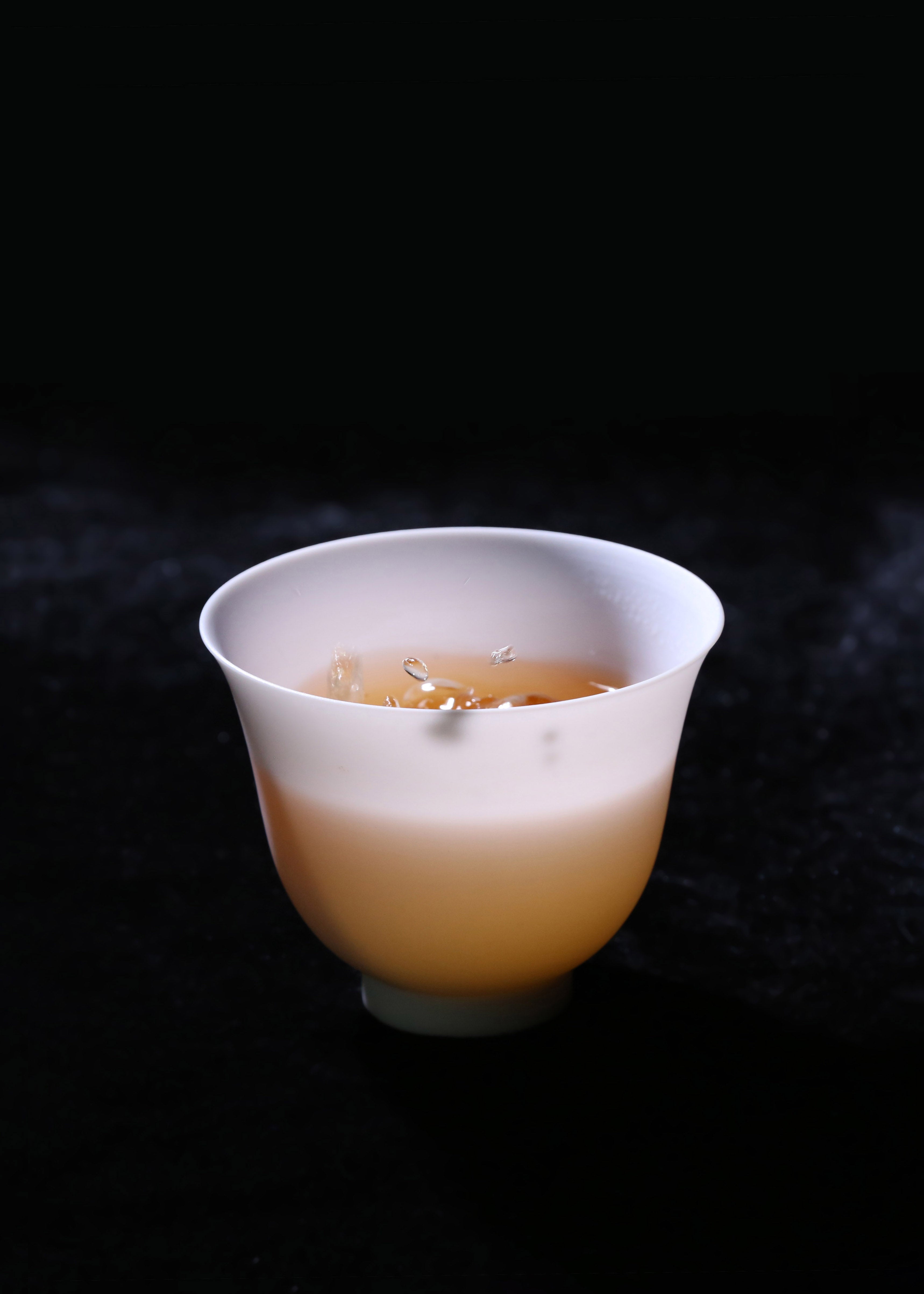
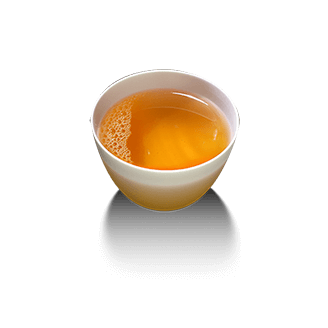
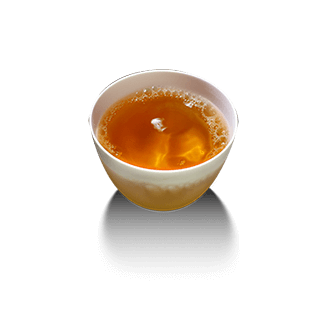
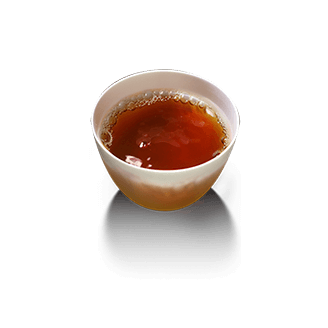
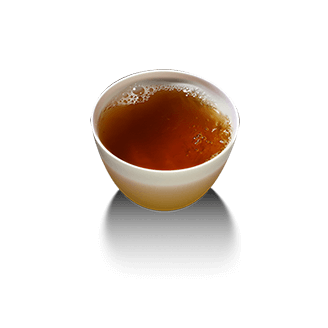
Liquor Color (2025): Changing from apricot white to warm amber, it is crystal clear with a golden rim floating on the bowl wall, and remains translucent even after 10 infusions.
Aroma and taste
Brewing releases the "Mountain Aroma", blended with the woody sweetness from aging, leaving a long-lasting fragrance at the bottom of the cup. It tastes fresh and refreshing on the palate, with the sweet aftertaste spreading slowly to the root of the tongue, and the lingering flavor hiding the crisp vitality of the mountains.

The liquor color of "Mountain Aroma" transforms from apricot white to warm and mellow amber, clear and translucent with a golden rim floating on the bowl wall. It remains limpid even after 10 infusions (photographed in 2025)

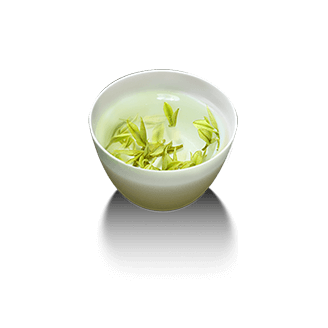
The infused leaves of "Mountain Aroma" (2020) exhibit a natural original color during brewing.
Year : 2020
Grade : Premium White Mudan
Origin : Taimu Mountain Nature Reserve
Variety: Wild Sexual Propagation Varieties – a mix of Fuding Dabai Tea, Fuding Dahao Tea, and native ancient tea trees of Taimu Mountain
Craftsmanship: Traditional techniques of non-frying, non-rolling, natural withering, and gentle drying
Dry tea and liquor color :
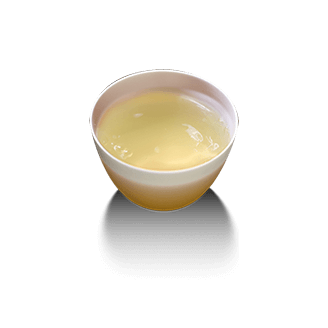
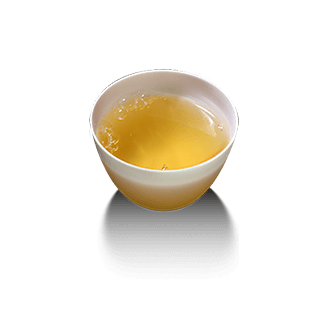
It is harvested earlier than Shou Mei. The dried tea is fully covered with silvery down and barely has any insect holes, emitting a fresh flowery and honey aroma when smelled dry. Its liquor color in 2025 is light amber, clearer and brighter than that of Shou Mei.
Aroma and taste
The aroma is fresher and more vivid—top note of nectar fragrance, middle note of mist-moistened essence, and base note of light aged aroma. It tastes sweet and silky on the palate, with quick and distinct sweet aftertaste, plus an extra touch of tenderness in the throat.
"Wild Charm" brewing technique photographed in 2020

"Wild Charm" tea liquor is pale amber (photographed in 2025)
Both are 5-year-aged wild white teas.
When brewing, balance the release of aged aroma with the original wild flavor.
Both are 5-year-aged wild white teas. When brewing, balance the release of aged aroma with the original wild flavor.
2020 "Mountain Aroma" &"Wild Charm"
Brewing
Utensils: 100-120ml white porcelain gaiwan (does not absorb aroma, highlights the amber tea liquor color)
Water temperature: Boiling water (preheat the utensils thoroughly with boiling water)
Tea quantity: 5g per gaiwan (tea-to-water ratio 1:20)
Rinse the tea: Rinse quickly with boiling water and pour out immediately once (to avoid losing the base aroma)
Serving
1st to 3rd brews: Steep for 15-20 seconds (to stimulate the surface aroma).
4th to 8th brews: Extend steeping time by 8 seconds per brew (to extract the deep mountain and wild charm).
After the 9th brew: Steep for 25-35 seconds (the residual tea remains sweet and moist).
Notes
Pour water slowly along the wall of the gaiwan (to reduce impact and keep the tea leaves intact).
Leave 1/5 of the tea liquor at the bottom of the cup when refilling (to maintain consistent concentration).
Open the lid as little as possible (to lock in the mountain and wild aroma).
water quality
Choose qualified purified water; never use alkaline water.
(For commercially available mineral water brands, their water sources and quality indicators vary. So-called "high-quality mineral water and mountain spring water" may cause loss of functional components and inhibition of aroma in tea.)
I:Effect of Alkaline Water on Green Tea
1. Effects on tea liquor color:
green tea:
Under alkaline conditions, chlorophyll is easily destroyed (chlorophyll stability decreases at pH > 8.0) , causing the tea liquor color to easily change from bright green to yellow or dark yellow, resulting in turbidity , especially noticeable when brewed at high temperatures. Flavonoids (such as catechins) in green tea are easily oxidized in an alkaline environment, exacerbating the darkening of the tea liquor color.
black tea:
Theaflavins (bright orange-yellow) are easily oxidized to thearubigins (dark red) under alkaline conditions, and further generate dark brown, causing the soup color to change from bright red to dark and lose its transparency .
Other types of tea:
The color of oolong tea, white tea, and yellow tea may be darker due to alkaline water. The color of black tea (such as ripe Pu-erh) will become more turbid, and the color stability of aged aroma substances will also be affected .
2. Impact on taste and texture
Analysis reveals differences:
Tea polyphenols and caffeine: lead to insufficient concentration and bland taste . An alkaline environment inhibits the dissolution of tea polyphenols (bitter substances) and caffeine, reducing the bitterness of the tea soup.
Amino acids and sugars: Disruption of amino acid structure reduces the freshness and crispness.
Mineral influence: Alkaline hard water (containing more calcium and magnesium ions) combines with tea polyphenols to form insoluble precipitates (such as "cloudiness after cooling"), resulting in cloudy tea soup and a rough taste .
Balance of taste: It significantly affects the "richness" of tea soup for teas that rely on polyphenols to support their taste (such as raw Pu-erh tea and high-roasted rock tea), with no noticeable aftertaste and an overall taste that is bland and coarse .
3. Effects on aroma
Volatile aromatic substances: An alkaline environment may accelerate the degradation or transformation of aromatic substances (such as aldehydes and alcohols), resulting in a single aroma profile, especially in light-aroma teas (such as jasmine tea and Anji white tea), where the floral fragrance dissipates easily and may even develop a "mushy" taste.
Aged aroma and woody aroma: For fermented teas such as black tea and aged Pu'er, alkaline water may slightly highlight the aged aroma (pH>8.0) and suppress the fruity or honey aroma.
II: The adaptability of different types of tea to water quality
1. The interaction between the physicochemical properties of water and tea components
- Hard water (>120 mg/L CaCO₃) : Calcium ions combine with tea polyphenols to form precipitates, reducing the astringency of tea soup (EGCG binding rate can reach 23%), but losing antioxidant activity (Food Chemistry, 2018); Magnesium ions promote caffeine dissolution, and every 1 mg/L increase in magnesium can increase the caffeine concentration by 0.8% (Journal of Agricultural and Food Chemistry, 2020).
- Soft water (<60 mg/L CaCO₃) : Theaflavin dissolution rate increased by 12%, and the brightness of the tea soup increased (L* value increased by 3.2), but the amino acid extraction efficiency decreased (Food Research International, 2019).
2. Supported by scientific experimental data
- Longjing green tea brewing experiment (TDS = 50 vs 300mg/L) : The amino acid content of the tea soup in the soft water group (1.2mg/mL) was significantly higher than that in the hard water group (0.8mg/mL), but the caffeine content was 18% lower (China Tea Processing, 2021); Sensory evaluation showed that the freshness score of the soft water group was 1.7 points higher (out of 9), while the body of the hard water group was 0.9 points higher.
- Research on water quality suitability for Wuyi rock tea : Water containing trace amounts of sulfate (20-50 mg/L) can increase the dissolution of cinnamaldehyde, a characteristic aroma compound of cinnamon, by 24% (GC-MS detection), and significantly enhance the rocky aroma (Tea Science, 2020).
3. Water quality selection recommendations (based on tea)
| Tea | Ideal TDS | Recommended pH | Key ion requirements |
| F.T.L. Green Tea | 30-80mg/L | 6.8 | Ca²⁺<15mg/L, Mg²⁺<5mg/L |
| F.T.L. Oolong Tea | 80-150mg/L | 7 | HCO₃⁻ 40-60mg/L |
| F.T.L. Black Tea | 100-200mg/L | 6.8 | K⁺ 2-5mg/L, SiO₂ 10-15mg/L |
| F.T.L. Pu‘er Tea | 50-120mg/L | 6.8 | Fe³⁺ < 0.1 mg/L |
4. Examples of the impact of special water quality
London tap water (high hardness) : When brewing black tea, the formation of oxalate-calcium complexes leads to "cold turbidity" appearing 30 minutes earlier, with the turbidity (NTU) of the tea reaching 12.5, which is significantly higher than that of the soft water group (NTU = 4.3) (Food Hydrocolloids, 2019).
Kagoshima hot spring water (containing sulfur) : Sulfides react with theaflavins to form methyl flavonoids, which reduces the umami intensity of sencha by 37% (*Journal of the Japanese Institute of Food Science and Technology, 2022).
One Region, One Tea: Water quality from specific local water sources enhances the color, aroma, and taste of local tea, but using local water requires systematic professional knowledge and high costs. For non-professionals, mastering the basic principles of "softened purified water + temperature control" is far more practical than pursuing famous springs from the origin.
The precise matching of water and tea is essentially a dialogue of geographical genes, which needs to be built on a multidisciplinary system of geology, food chemistry, heat transfer and other disciplines, and cannot be covered in just a few lines of web pages.
The UK-based AquaSim laboratory has simulated 12 core indicators of Tiger Spring water. However, it lacks the original spring's microbial community (such as Nocardia tea-loving bacteria), resulting in a 27% difference in post-fermentation flavor. In addition, the operation is complex: it requires mastering the "listening to the spring while boiling water" method (stopping the fire immediately when the water first boils), and a temperature error of more than 3°C will disrupt the flavor balance.
The charm of tea ceremony lies in appreciating what suits one's taste.
A pot of purified water is enough.
Don't be trapped by the mystique of water quality.
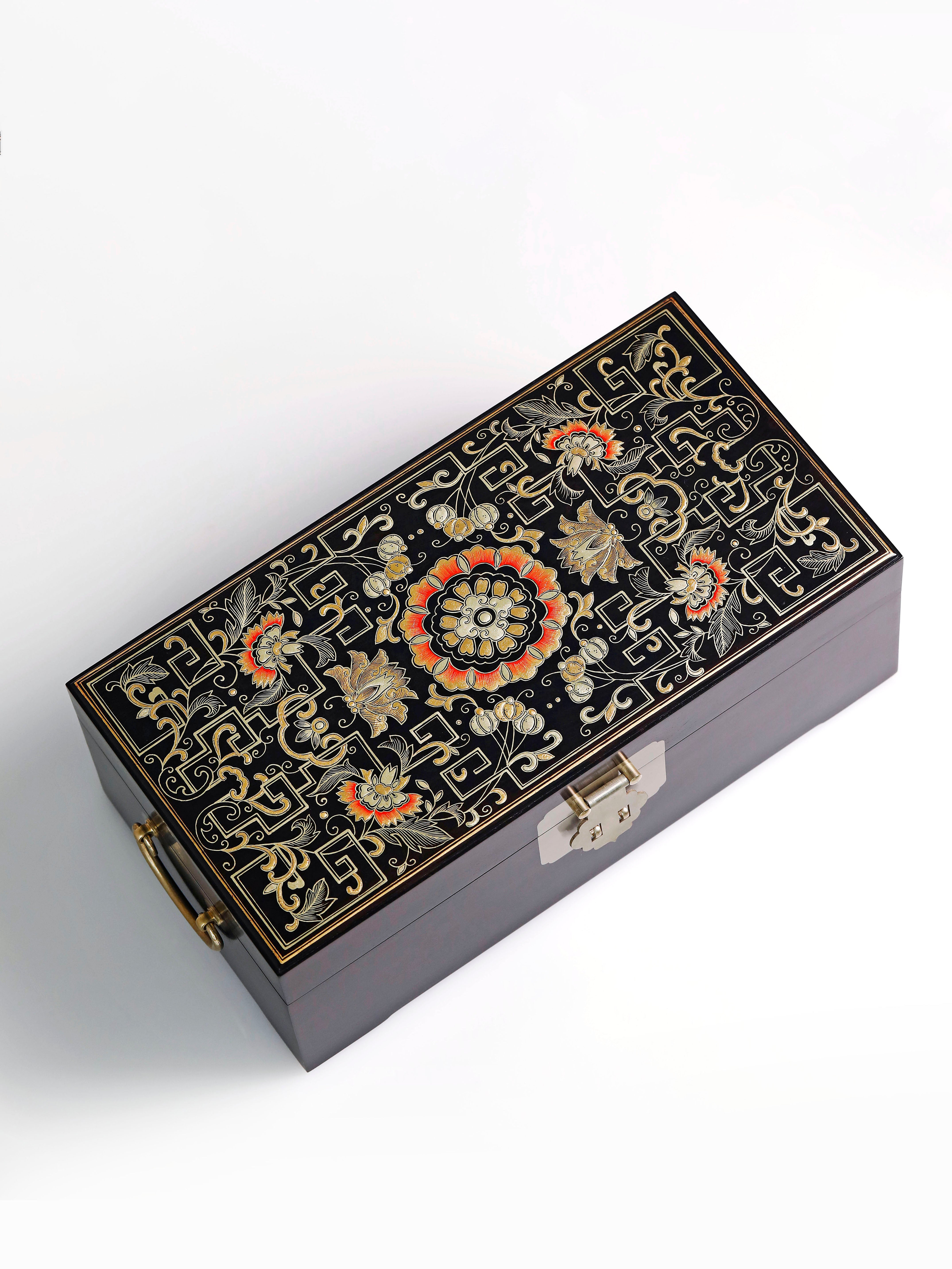
Wooden box packaging with inner sealed bags
White tea storage
White tea is cool in nature—its coolness deepens as it ages.
Stored for three years, it gains medicinal value; preserved for seven years, it becomes a treasure.

White tea is cool in nature—its coolness deepens as it ages.
Stored for three years, it gains medicinal value; preserved for seven years, it becomes a treasure.
White tea storage
Avoid light, high temperatures, and odors.
Temperature & humidity: 15-25℃, 50%-65% (to prevent mold growth and aroma loss).
Light Protection & Ventilation: Keep away from direct sunlight (to prevent the decomposition of theaflavins and darkening of the tea liquor) and place in a well-ventilated area.
No odor interference: Keep away from odor sources such as cooking fumes and spices.
Container selection
Short-term (within 1 year): Purple clay/ceramic jar with ventilation holes (for preservation);
Long-term (over 1 year): Aluminum foil bags (semi-vacuum) + moisture-proof cartons (to facilitate tea aging).
Taboo
Avoid Placing In: Kitchens, bathrooms, balconies, and refrigerators.
Minimize Container Movement: Check the tea 1-2 times a month—ensure the tea leaves are loose, free of mold, and odorless.
Shoumei / Gongmei: Store according to long-term standards (aluminum foil bags + moisture-proof cartons) for easy development of jujube aroma.
Mudan / Silver Needle: Short-term storage can use purple clay jars; long-term storage requires moisture protection (aluminum foil bags + moisture-proof cartons).
Shelf life
The above storage method allows for long-term storage.