

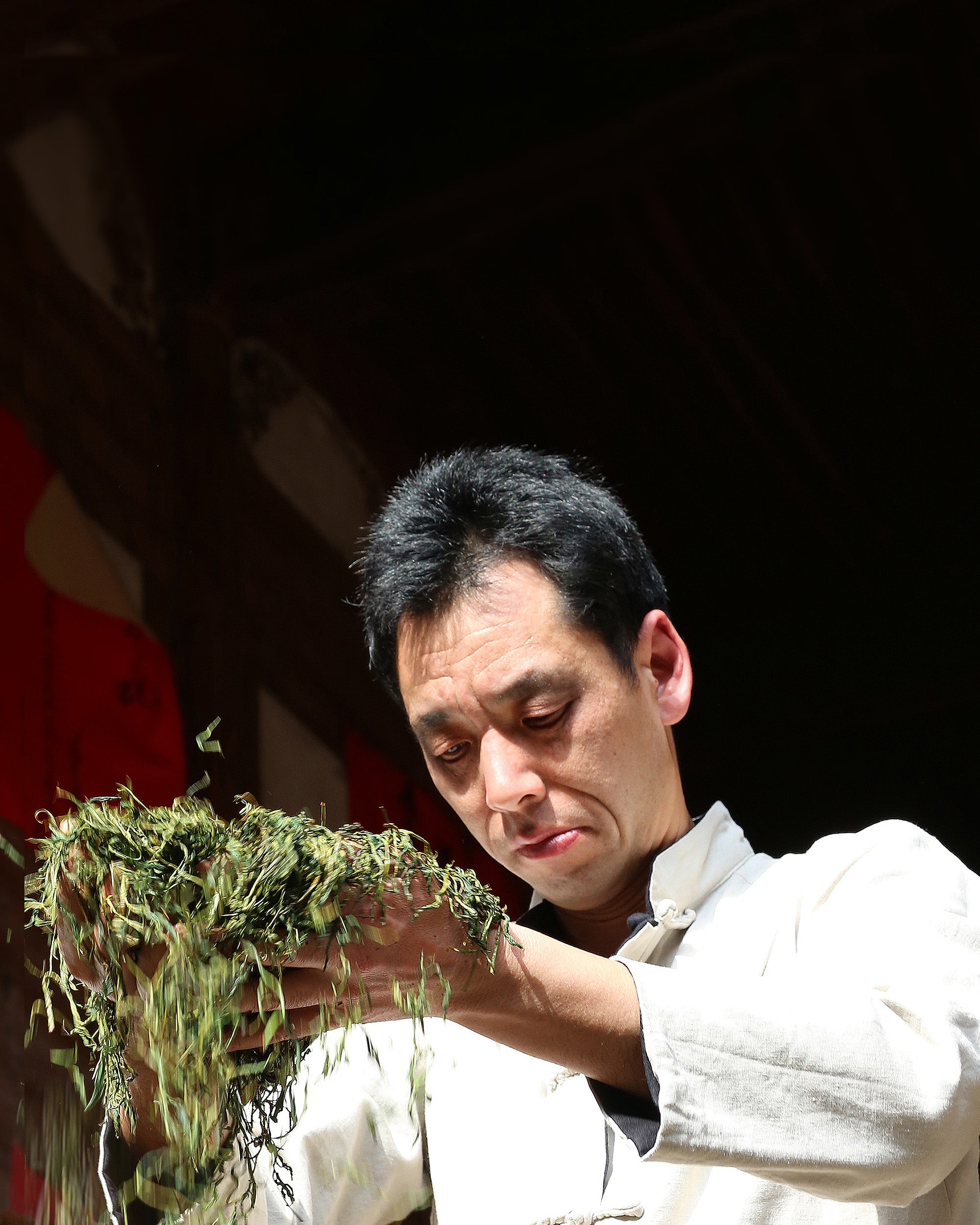


2015 Shi Liqiang AromaPrime Tea

2015 Shi Liqiang AromaPrime Tea

F.T.L. 豐泰隆 Since 1851
Shi Jikang: Tea Scientist & Tea Engineer, the Fifth-Generation Inheritor of F.T.L. 豐泰隆
On a winter night in 1969, the tranquility of Tanyang Village (the origin of world-renowned black tea) was shattered by the sound of banging on doors. Shi Jikang clutched the "Secrets of Scenting" in his arms, his fingertips turning white from the force—this yellowed old book contained the "soul of tea" of Fengtailong, and the aroma of "豐泰隆" tea at the state banquet at Queen Victoria's Windsor Castle in 1887 originated from it.
He knelt at the foot of the old house's foundation, digging a half-foot-deep pit with a shovel. He buried the "窨制Key" , wrapped in three layers of fertilizer bags, into the yellow earth. Cold sweat mixed with dirt clung to his clothes. "We can't let our ancestors' skills die out." The north wind of December swirled with snowflakes as he and the old tea workers drove an oxcart to the abandoned kiln on Baiyun Mountain. Six boxes of tea-making tools, engraved with "豐泰隆" were hidden deep within the straw. The creaking of the wheels over the snow was more heart-wrenching than the slogans of the distant criticism meetings—these tools were his code for communicating with his ancestors.

Three years later, when the last batch of tea sets was stuffed into the attic of a relative's house in Xiapu County, Shi Jikang's hands, which could accurately detect the subtle changes in the tea leaves, had developed thick calluses.
It wasn't until the spring of the Wuxu year that experts found a hand-drawn "treasure map" from 1969 and "窨制Key" among his belongings that his son, Shi Liqiang, choked up and said, "My father was the one who preserved the fragrance of tea."
In the spring of 1998, 69-year-old Shi Jikang was holding a wild tea leaf in front of the bamboo plaque of the state-owned Tanyang Tea Factory. At that time, he was already known in the industry as a "living fossil of Congou black tea" - a tea engineer, tea expert, and head of the technical section of the state-owned Tanyang Tea Factory. The tea leaf in his hand was the technique of"窨制Key" that he had risked his life to protect in 1969.
Shi Jikang prepared a tea sample specimen from 1998. The current total quantity is 8.2 kg (including the Dayatang tea sample collection).
The aging process of black tea over the years is a slow and elegant transformation. The fresh floral aroma of new tea gradually transforms into a deep, aged fragrance, a woody aroma, and even a subtle medicinal aroma as time goes by. After the oxidation of tea polyphenols, the tea soup becomes increasingly mellow and smooth, with a long-lasting aftertaste.
Aged tea, engraved with the cultural memories of a specific period, is the weighty accumulation of time by tea connoisseurs. — It embodies Shi Jikang's dedication to craftsmanship, and also the mark of Tanyang Congou's journey from peril to rebirth.
At Fengtailong Tea House in 2015, Shi Liqiang said, "To make Congou black tea, you have to be willing to put in the effort." The "Seven Sieving and Eleven Processing Steps" from the "窨制Key" remain his adherence to ancient methods. Fengtailong's AromaPrime tea requires seven sieving and eleven processing steps. Compared to ordinary Congou black tea, it has more secrets and several more selection and refinement processes, making it a classic among fine Congou teas.
While upholding traditional methods, he also developed and cultivated the "Red Rose (Aroma Prime Tea)" black tea, which won the "Plant Variety Rights" certificate issued by the Ministry of Agriculture of the People's Republic of China and was featured on CCTV10—giving new life to a century-old traditional method.
Shi Liqiang's personally crafted 2015 AromaPrimeTea vintage wine, current stock: Family Heritage Batch FTL/20150101/AromaPrime/dyt, 100kg currently available.
Process characteristics: Seven sieving and eleven steps, the ancient method of AromaPrime.

On a winter night in 1969, Shi Jikang dug a half-foot pit under the foundation of his old house and tremblingly buried the "窨制Key" wrapped in a fertilizer bag.

In late 1969, Shi Jikang hid six cases of "Fengtailong" tea tools in a deep cave on Baiyun Mountain using an ox cart.

Historical Background
After the full outbreak of the Chinese War of Resistance Against Japan, the maritime tea route in eastern Fujian was forced to close. Another folk ballad circulating at the time went: "Tea farmers dig up tea stumps, their bitter tears streaming along the way; tea declines, Tanyang declines, the new street lies desolate and cold." During the 1930s, tea merchants in Tanyang Village also suffered shocks and even casualties amid the war and turmoil.
In 1949, the Fu'an Tea Factory was nationalized. Shi Zuofan became the first chief tea taster (chief judge) of the state-owned Fu'an Tea Factory. Between 1966 and 1976, during the special historical period, the military set a large fire that burned down 42 grand residences and 142 tea trading houses in Tanyang Village.
Major tea merchants fled in succession, hiding their valuables. Property rights were eliminated, distribution and circulation were monopolized, and the very soil on which brands depended for survival was systematically and completely stripped away. "Fengtailong" entered a period of brand disappearance. Later, the fifth-generation heir, Shi Jikang, secretly preserved 27 sets of tea-making tools under the guise of "farm tool repair" and adapted the technical mnemonic verses into bookkeeping codes for the production team, thereby keeping the traditional craftsmanship of Tanyang Congou alive and passing it down through generations.
When you sip Mr. Shi Jikang’s legendary 1998 tea or lift a cup of the 2015 AromaPrimeTea, what exactly are you tasting?
It is the sunshine and mist of the small mountain village at 27° North Latitude, carrying the elegance of nature. Once upon a time, 142 tea shops were reduced to ashes in a great fire, and despair loomed as dark as night. Yet like tea seedlings standing tall amid the embers, tea makers clung to unyielding perseverance in their hearts.
In the bitter winter of 1969, in the darkness of an ancestral mansion with a centuries-old history, Shi Jikang hid the family heirloom Secret Manual of "双熏Key" by digging a hole. That thrilling moment sealed the precious inheritance of craftsmanship. In this tea, every touch between palms and tea leaves carries the warmth of nine rounds of rolling. As the tea leaves slowly oxidize over time, the "Guanxiang" (AromaPrime) emerges unexpectedly.
This cup of tea has long transcended the realm of a mere beverage. The 174-year persistence of the tea-making family has forged the supreme glory of Congou tea.
Aged tea offers sweetness after bitterness — each sip is a dialogue with history.
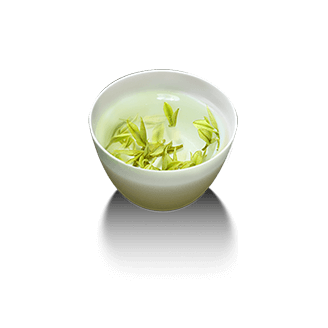
"A half-cup of fresh tea holds spring's fragrance" — Tender buds and leaves of fresh tea offer a crisp, refreshing taste, filling the mouth with sweet, fresh and mellow aromas.
"A pot of aged tea simmers through fleeting years" — As fresh notes fade into aged charm, aged tea delivers sweetness after bitterness. Each sip feels like flipping through time, whispering softly with days gone by.
Year: 2015
Grade: Top Rare
Producer: Shi Liqiang, ICH inheritor of Congou black tea , founder of this tea variety, handcrafted personally
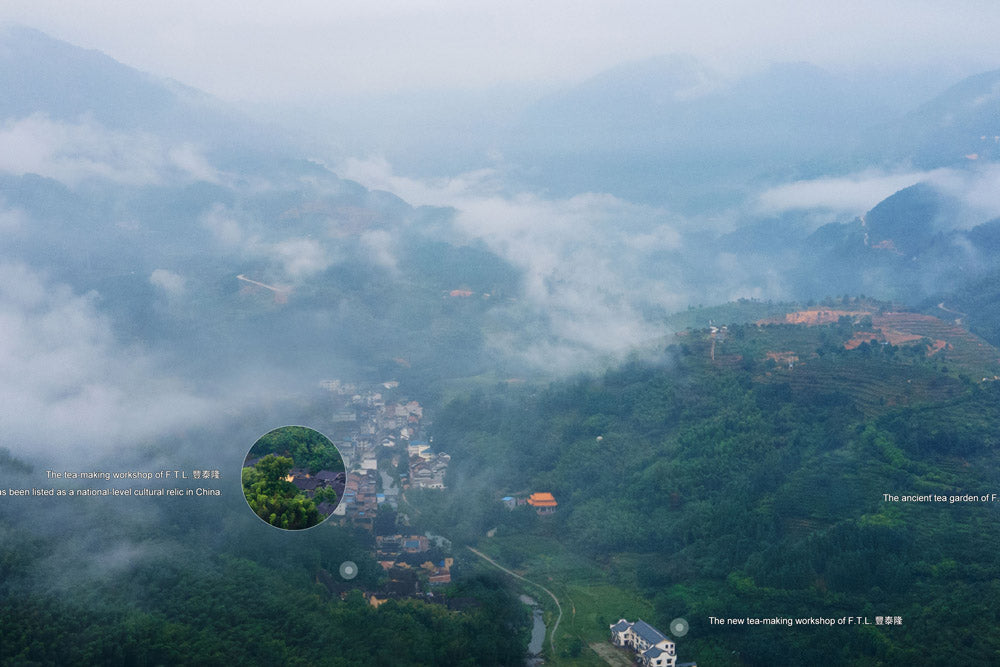
Origin: Tanyang Village, Fujian, China, birthplace of Tangyang Congou Tea
Variety: Red Rose Aroma Prime Tea
This tea is personally recommended by the variety namer and right holder.
Craftsmanship:Shi Family’s Seven Siftings and Eleven Processes, AromaPrime Ancient method
Dry tea appearance:Single buds, plump and robust
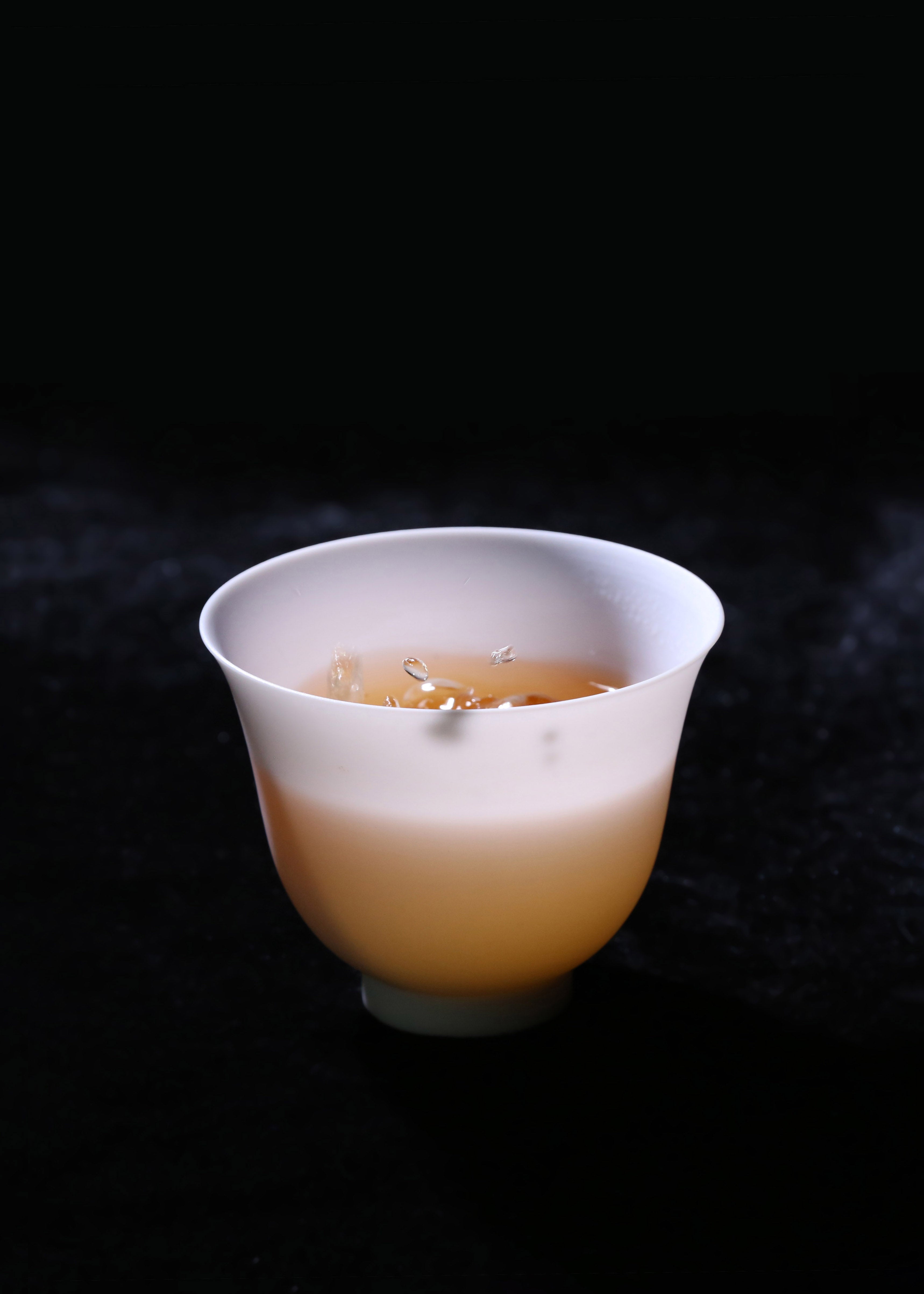
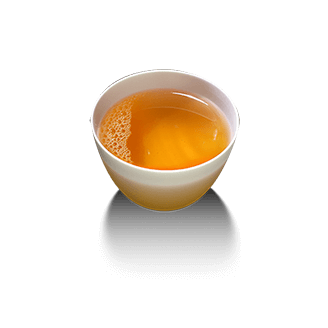
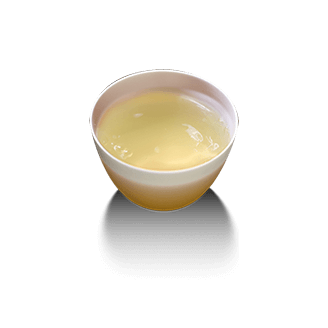
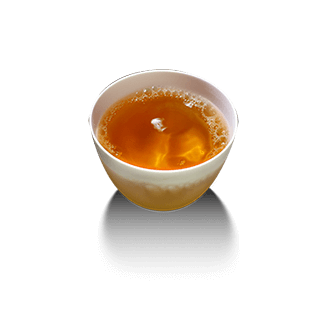
Liquor Color:Golden yellow, amber-hued

Aroma:
Dry sniff reveals a warm, woody aroma imparted by 10 years of aging, layered with the fresh sweetness of red roses and wild honey aroma—free of harshness.
After warming the cup, the caramel sweetness becomes softer. When brewed, After 10 years of aging, its floral and fruity notes gradually fade. The top notes are a softened rose scent (not strong or overpowering), the middle notes are a blend of honey, caramel and aged notes, and the base notes are a solid woody scent. The rose and honey scent at the bottom of the glass has an aged aroma that lingers for a longer time.
Taste:
Moother and warmer than new tea on the first sip, with no hint of astringency. The tip of the tongue first encounters the mellow sweetness of aging, mixed with the refreshing sweetness of red roses. When swallowed, the richness brought by the processing becomes more apparent, without watery thinness.
After 5 seconds, saliva is produced under the tongue, and the aftertaste gradually changes from rose sweetness to jujube sweetness and caramel sweetness brought by aging. The finish is wrapped with a light floral and aged aroma, lingering in the throat for about 15 seconds, which is longer and more mellow than new tea.
Vintage:1998
Number: FTL/19980306/sjka/sx
Remaining Stock: 8.2 kg total (including the tea sample storage at Dayatang).
Grade: Top Rare
Maker:Handcrafted by Shi Jikang — tea scientist, tea engineer, and the fifth-generation direct descendant of Shi Guangling (one of the founders of Tanyang Congou)
Origin:Tanyang Village, Fujian Province, China (Hometown of Tanyang Congou)
Variety: Wild group species (vegetable tea)
Craftsmanship: The Shi Family’s Guanxiang(AromaPrime) ancient methods , 窨制Key, preserves the core craftsmanship.
Dry tea appearance: single bud,extremely delicate and tender.
The dry tea has a deep brown, glossy hue, with a warm luster bestowed by years of aging. The buds are uniform and compact, free of crumbs, each less than 1 cm in length. They yield a slight elasticity when squeezed — embodying the natural tenderness of wild Cai Cha single buds, while preserving the buds’ integrity through the Shi Family’s traditional craftsmanship and years of aging. It represents the "top-rare" of premium raw materials and exquisite craftsmanship.
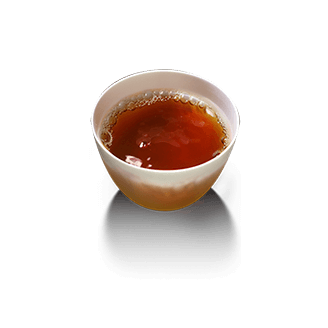
Liquor color:Ruby-red with a bright orange hue, clear and translucent.
A thin, delicate golden rim shimmers on the tea’s surface, distinct and long-lasting — evidence of the wild Cai Cha single buds’ rich inner quality (high in tea polyphenols and amino acids). Nearly 25 years of aging have not clouded the liquor; instead, the "窨制Key" craftsmanship locks in aromatic compounds, rendering the orange-red hue even warmer and more translucent, like condensed amber glow.

Aroma:Based on the Shi Family’s Guanxiang(AromaPrime)ancient methods, "窨制Key", the aroma exhibits "triple-layered notes".
Dry Sniff / Warm Cup Aroma: The initial scent is a faint woody aroma brought by aging, mixed with the unique honey sweetness of wild vegetable tea, without any smoky or dry smell; after warming the cup, the aroma of longan and jujube brought by the 窨制 craft gradually emerges, and the sweetness envelops the nasal cavity, showing the "key" to the retention of sweet aroma substances;
Infusion aroma: After years of aging, its floral and fruity aromas gradually fade. The top note is a fresh honey aroma (the original flavor of wild vegetable tea), the middle note is a blend of aged woody aroma and 窨制 caramel sweetness, and the base note reveals a faint medicinal aroma (unique to aged tea). The layers are distinct and blended naturally, without the thinness of a single aroma.
Cup Bottom Aroma:Once the tea liquor is fully poured out, a sweet jujube fragrance lingers at the bottom of the cup—still clear even after standing for 5 minutes.
Taste:Single Buds, Mellow Smoothness in Ancient Tradition; Aged Charm & Sweet Aftertaste Hold the "Key"
The first sip greets with "moisture"—the tender, astringent wild tea buds offer a gentle, mellow taste on the tongue, a result of aging.
This is followed by "mellowness", the tea liquor is slightly thick, revealing the "thickness" of Shi's traditional methods upon swallowing, without anywithout the thinness of watery tea.
Ten seconds later, saliva is released from the back of the tongue, first revealing the fresh sweetness of the wild tea, then transitioning to the sweetness of the scented caramel, with a woody finish lingering in the throat for 15 seconds.
This "smoothness followed by mellowness, with layers of sweetness" is the core of the "窨制Key"—preserving the freshness of the single buds while adding depth through 窨制 and aging, without the staleness of aged tea, showcasing Shi Jikang's masterful control of the craft.

Fresh tea half-cup, holding spring's scent
Aged tea one pot, simmering through years
A Manual of Slow-Stewed Aged Black Tea
1. Warming the pot
It is recommended to use a high-temperature resistant glass teapot. Before brewing tea, rinse the inside and outside of the teapot with hot water to raise the temperature of the teapot and stabilize the water temperature for subsequent brewing. This will prevent temperature differences from damaging the internal quality of the tea leaves and create a suitable brewing environment for aged black tea.
II. Water Injection
Slowly pour water into the preheated teapot, filling it to 70-80% full. Water quality directly affects the taste of the tea; use filtered purified water and avoid alkaline water—alkaline water will make the tea soup cloudy and dull, failing to bring out the true flavor of aged black tea.
3. Slow cooking
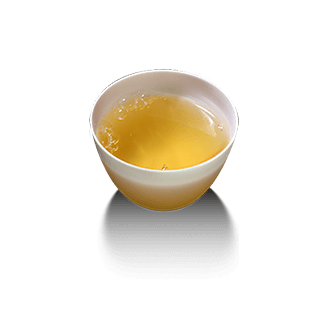
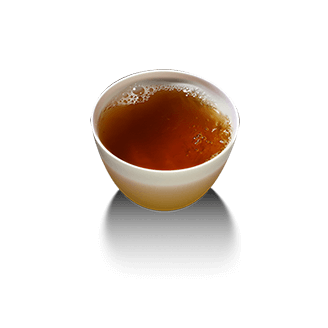
Use approximately 10g of tea leaves for every 300ml of water. Place the teapot on a heat source and simmer over low heat. Closely monitor the water temperature. When it reaches 70-80℃ and small bubbles appear on the surface, maintain this temperature and continue simmering for 5 minutes. If the tea soup is only light yellow, it indicates insufficient simmering time or too little tea leaves. The ideal soup color is deep amber. Those who prefer a stronger brew can simmer it to a reddish-brown color, but be careful not to over-simmer, otherwise over-extraction will make the tea soup bitter and astringent, masking the natural flavor of aged tea.
IV. Serving the soup
After boiling to the appropriate temperature, gently pour the tea into a fairness cup to even out the concentration, then distribute it into tasting cups for easy appreciation.
V. Tea Tasting
Slow-brewed aged black tea has a mellow and smooth taste, with a calm and long-lasting aroma. First, gently smell the tea to experience the rich aroma of woody notes and aged flavor; then, take a sip of the tea to savor the mellow flavor accumulated over time and appreciate the unique charm of aged black tea.
VI. Precautions
1. This slow-boiling method is only suitable for aged black tea and should never be used for new tea. New tea is prized for its fresh and vibrant aroma and lively taste; slow boiling will intensify its bitterness and mask its fresh flavor. For brewing new tea, please refer to the "Shi Liqiang Wild Mountain Tea Brewing Method" .
2. Precise heat control throughout the process is essential to prevent the water from boiling violently and the tea from churning excessively, thus avoiding the excessive release of substances from the tea leaves and compromising the delicate and balanced flavor.
3. Due to different personal taste preferences, you can flexibly adjust the brewing time and water temperature to find a solution that suits your taste buds.
4. Aged black tea has a rich internal flavor and can usually be brewed multiple times. When brewing it again, the brewing time can be extended appropriately to bring out its deeper flavor, but the tea should still be kept from becoming too strong.

Brewing method for Shi Liqiang Wild Mountain Tea (Congou Black Tea)
Tanyang Village, China – the origin of world-class black tea
Packaging
Pure Tin Can Handcrafted by Sheng Yiyuan, Intangible Cultural Heritage Inheritor of Yongkang Tin Carving
Height: 15cm | Diameter: 11cm | Net Weight: 240g
The can body is shaped through thousands of manual hammer strikes, boasting a delicate and warm texture. Each hammer mark, varying in depth, is a unique imprint—not a repetition, but a vivid testament to the warmth of handcraft, embodying the profound connotation of intangible cultural heritage craftsmanship. The inner wall is finely polished using precision CNC technology, ensuring a smooth touch without roughness. Relying on high-precision craftsmanship, the lid achieves an airtight seal, integrating the warmth of handcraft with the accuracy of modern technology. It preserves ancient charm while maintaining practicality.
Height: 15cm, Diameter: 11cm, Net weight of tea: 240g
Height: 15cm, Diameter: 11cm, Net weight of tea: 240g


Sheng Yiyuan, inheritor of Yongkang tin carving intangible cultural heritage
Aged black tea should be stored in a clean, odorless, dry and well-ventilated environment with an ideal temperature below 25℃. At the same time, special attention should be paid to avoiding light and moisture (dampness can easily cause tea leaves to absorb moisture and become moldy, and direct sunlight will accelerate the loss of tea flavor).
Notice
Reduce the frequency of opening the container – Every time the can is opened, the tea comes into contact with air and moisture, which accelerates its oxidation and deterioration. Therefore, you should try to minimize the number of times the storage container is opened.
Shelf life
If the above storage conditions are strictly followed, aged black tea can be stored for a long time, and its flavor will become more mellow and rich over time.