
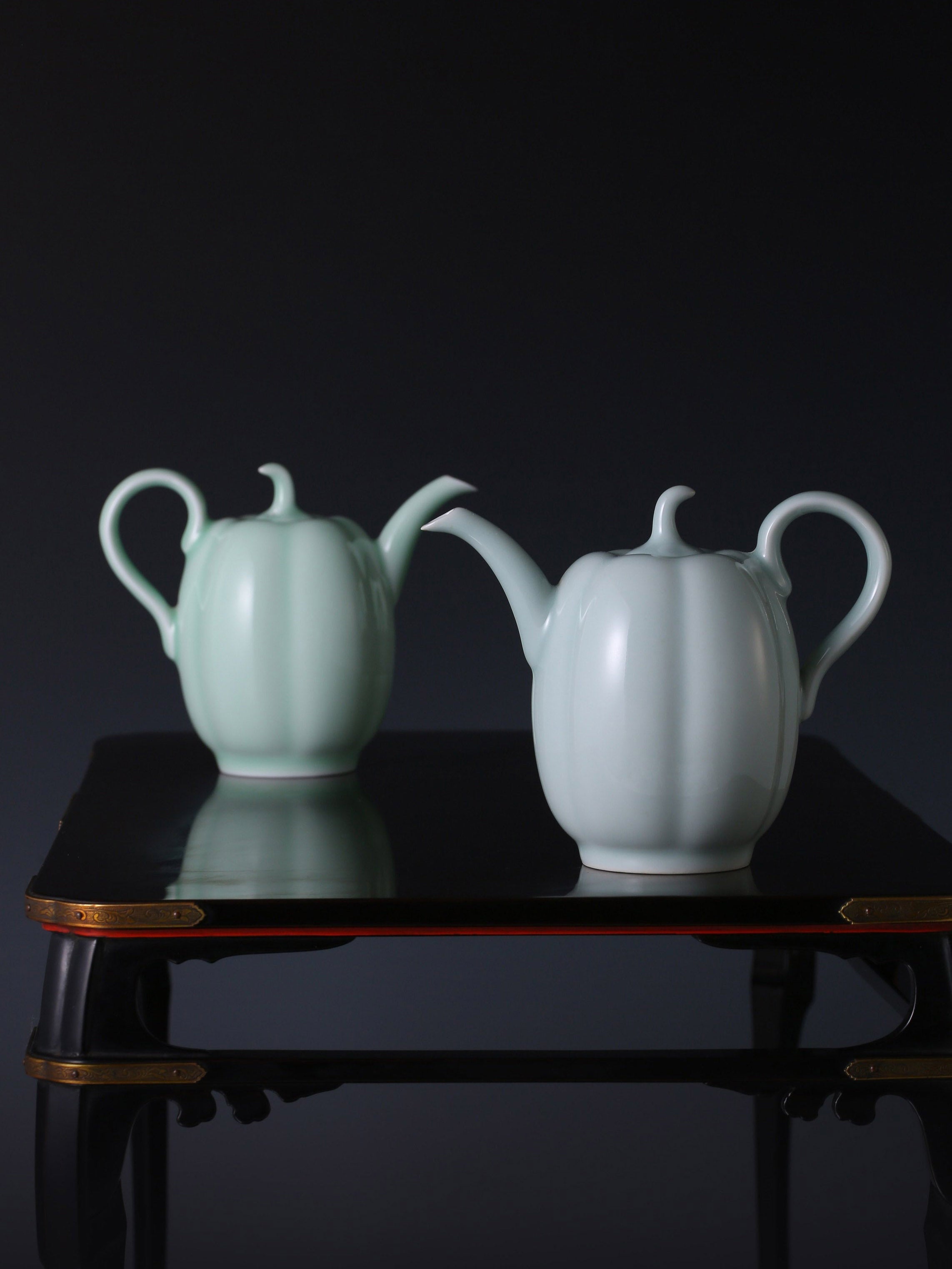
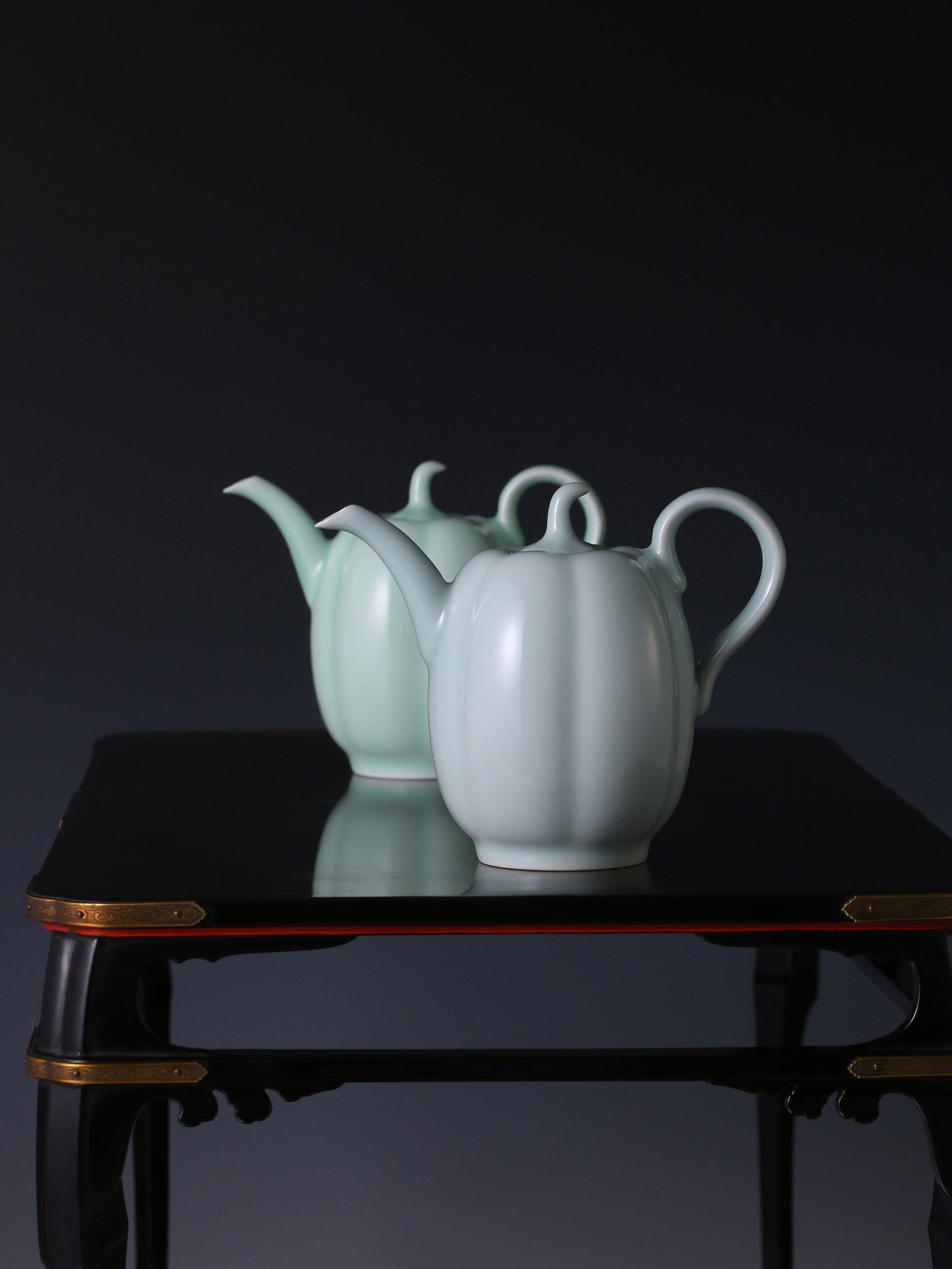
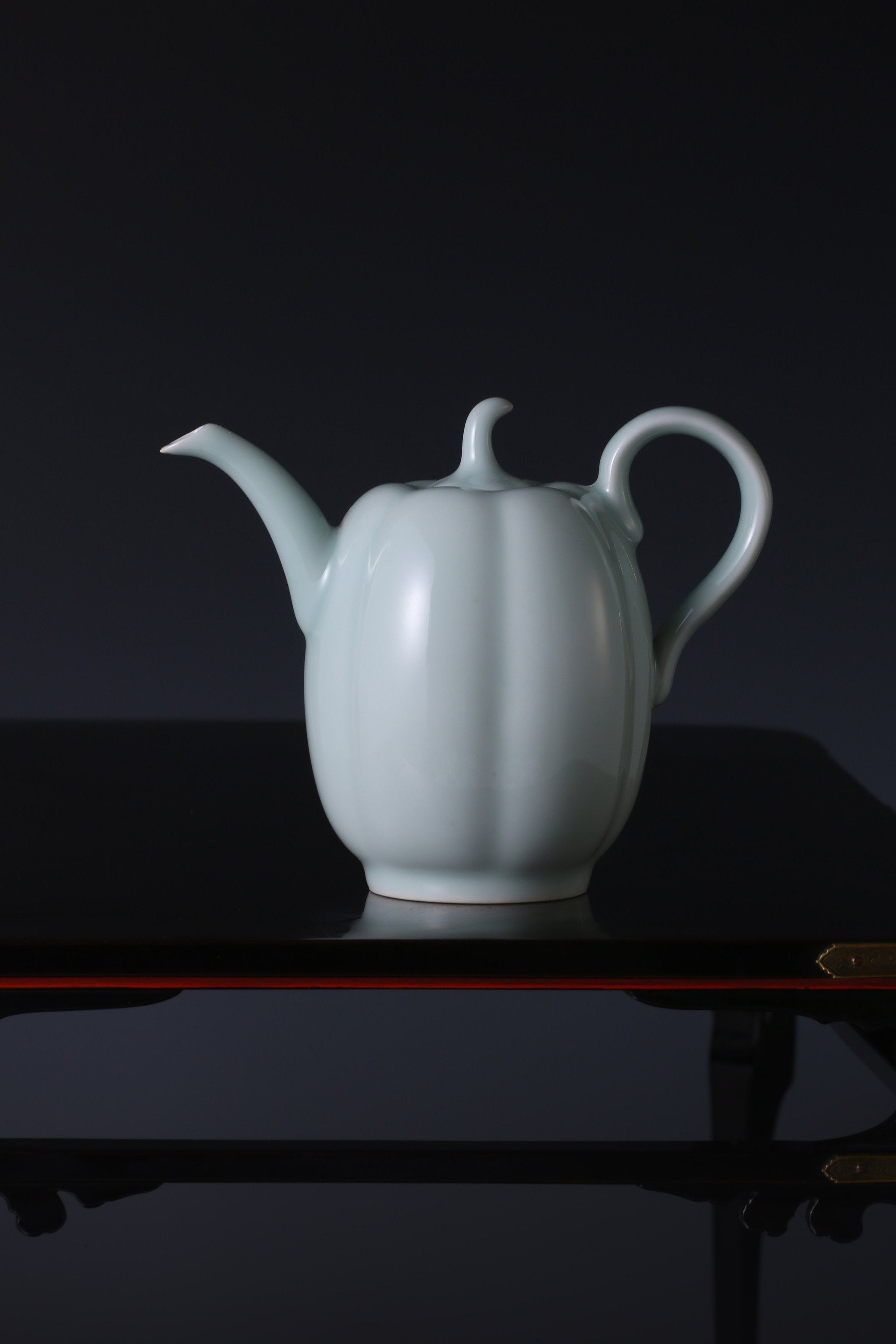
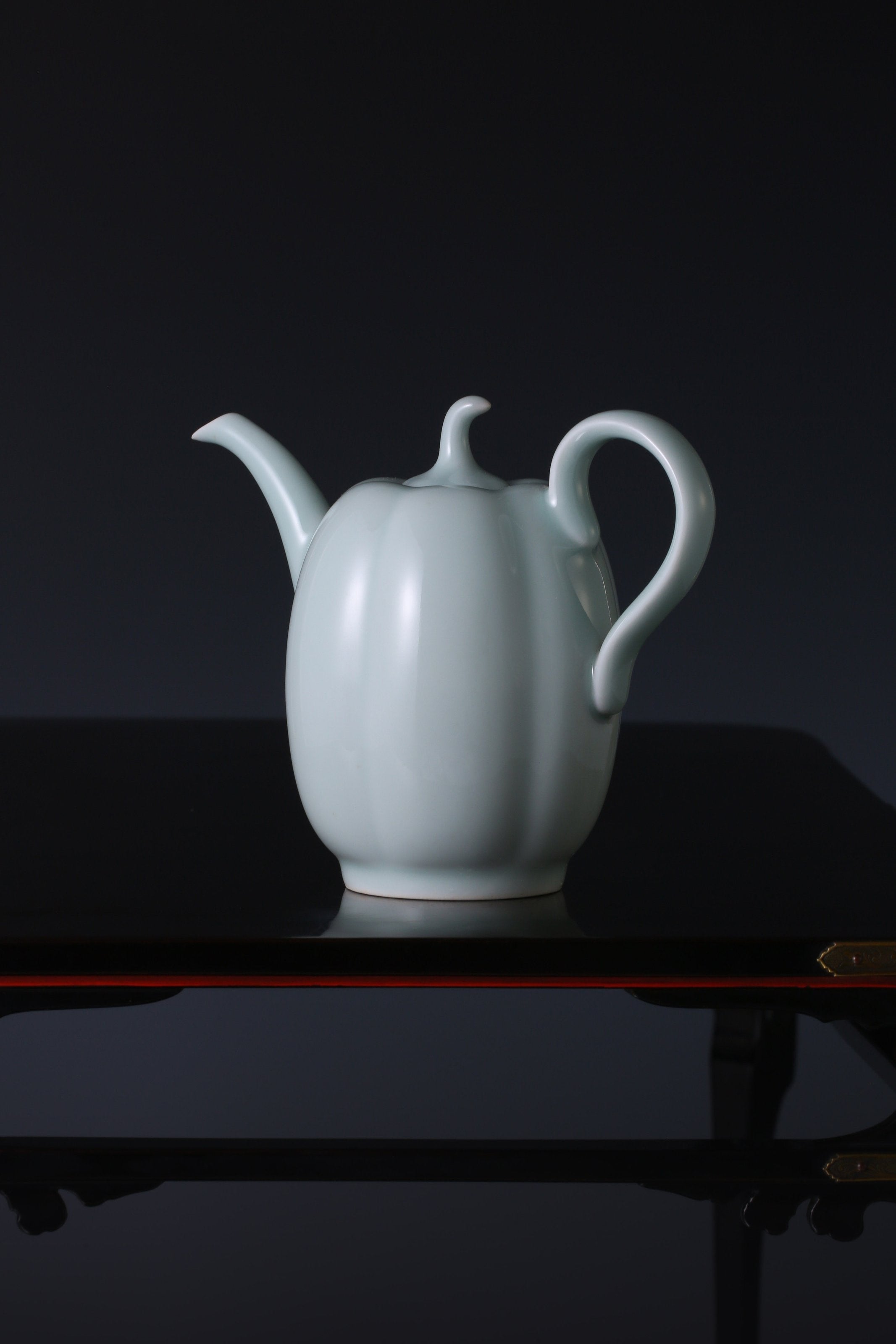
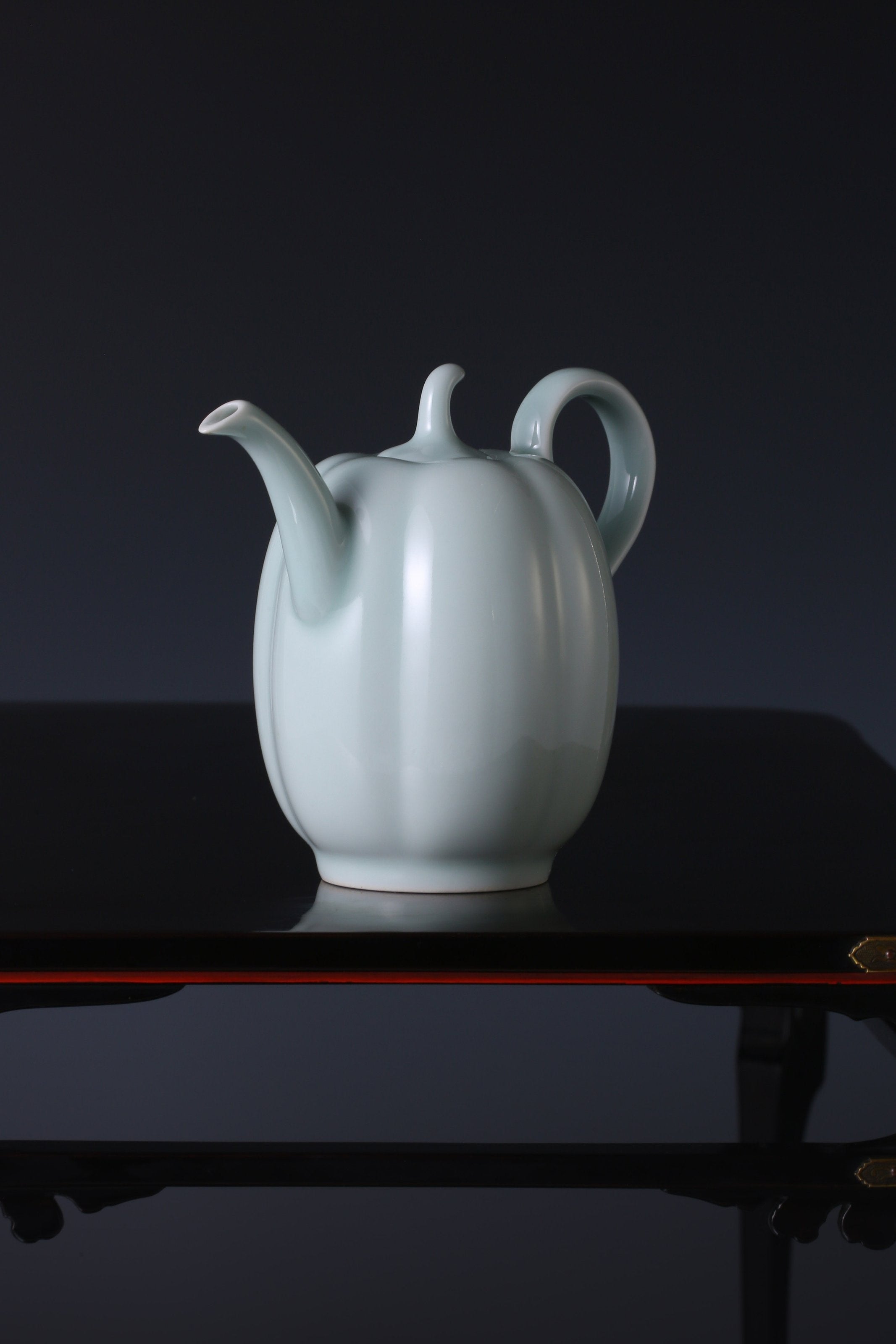
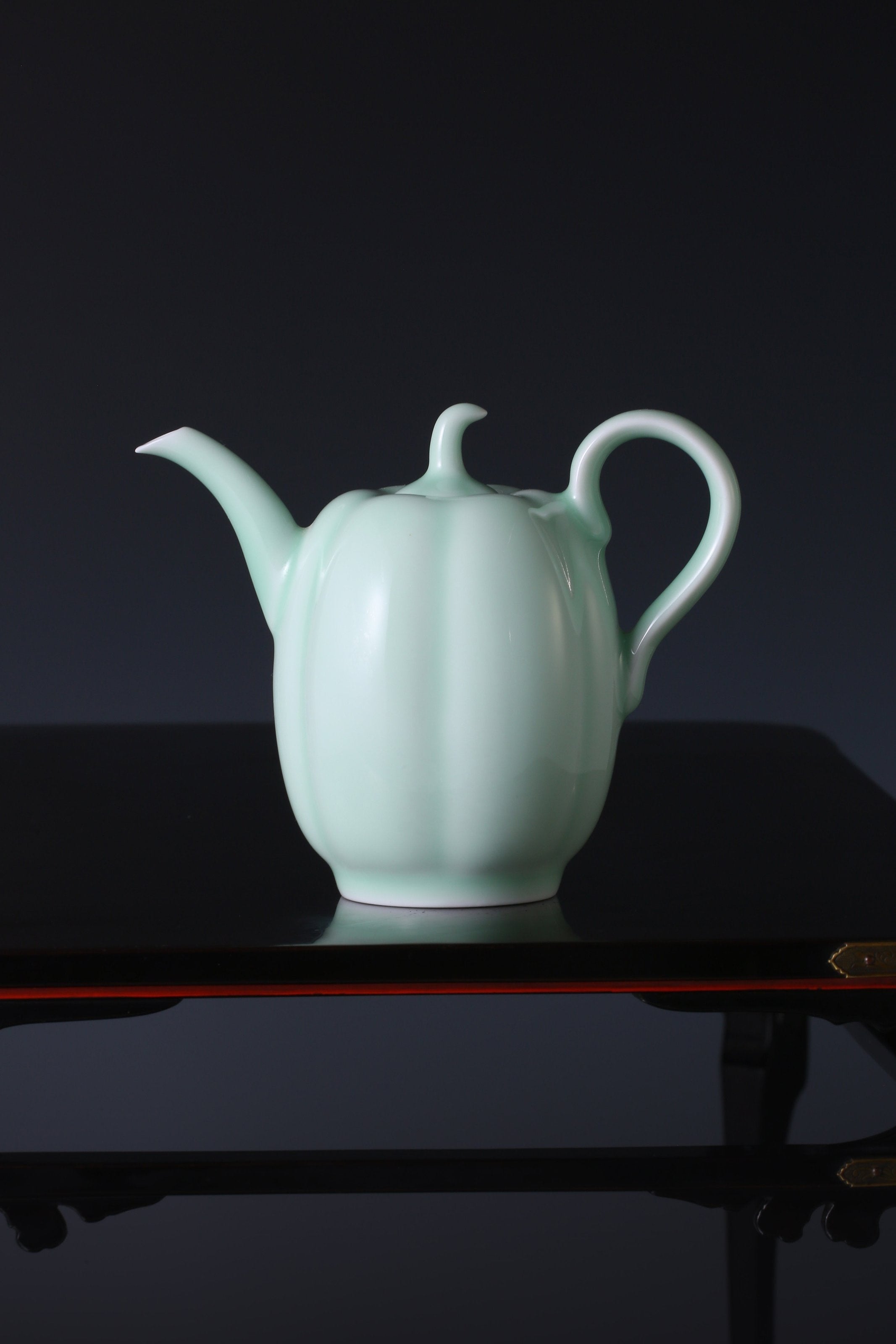
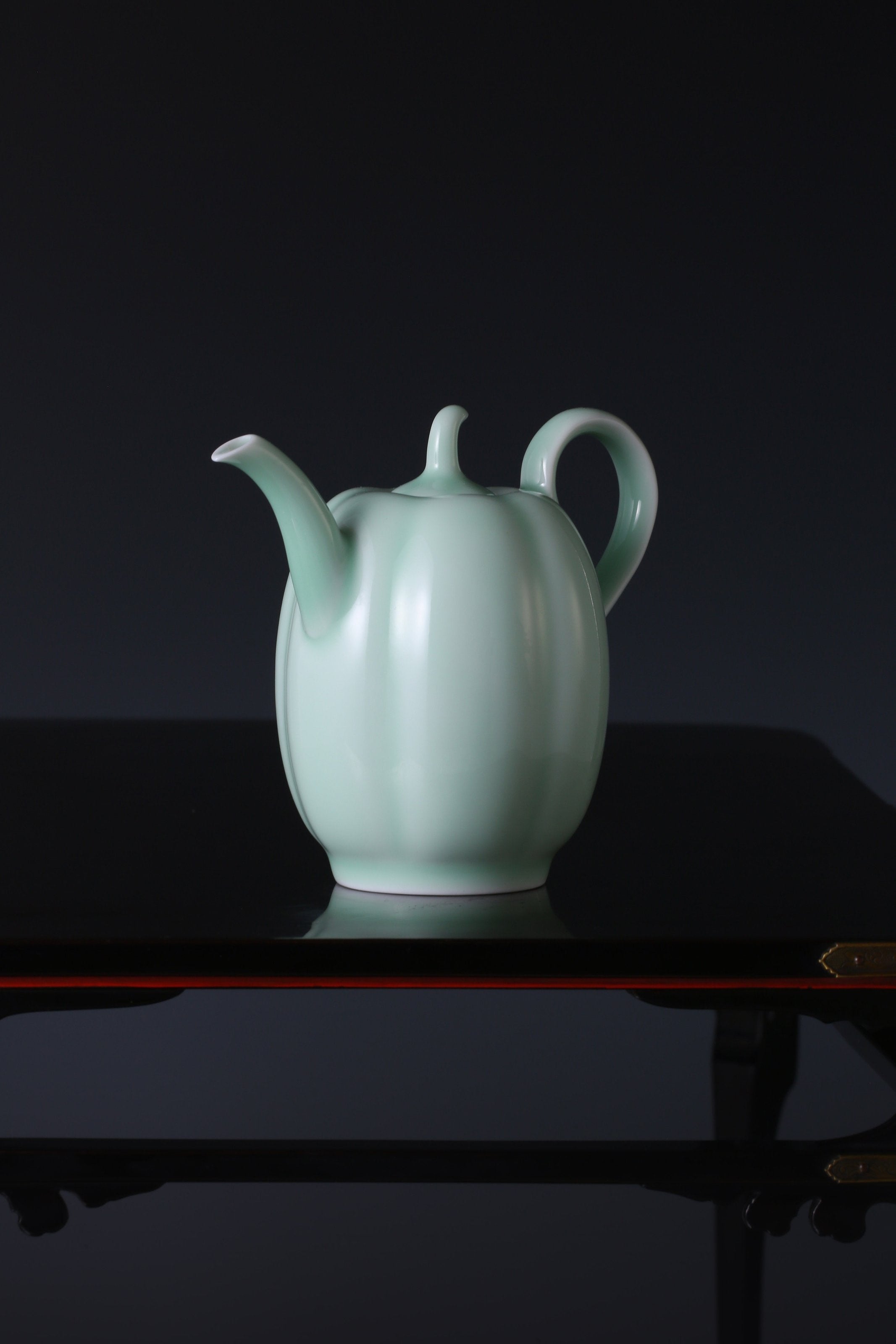
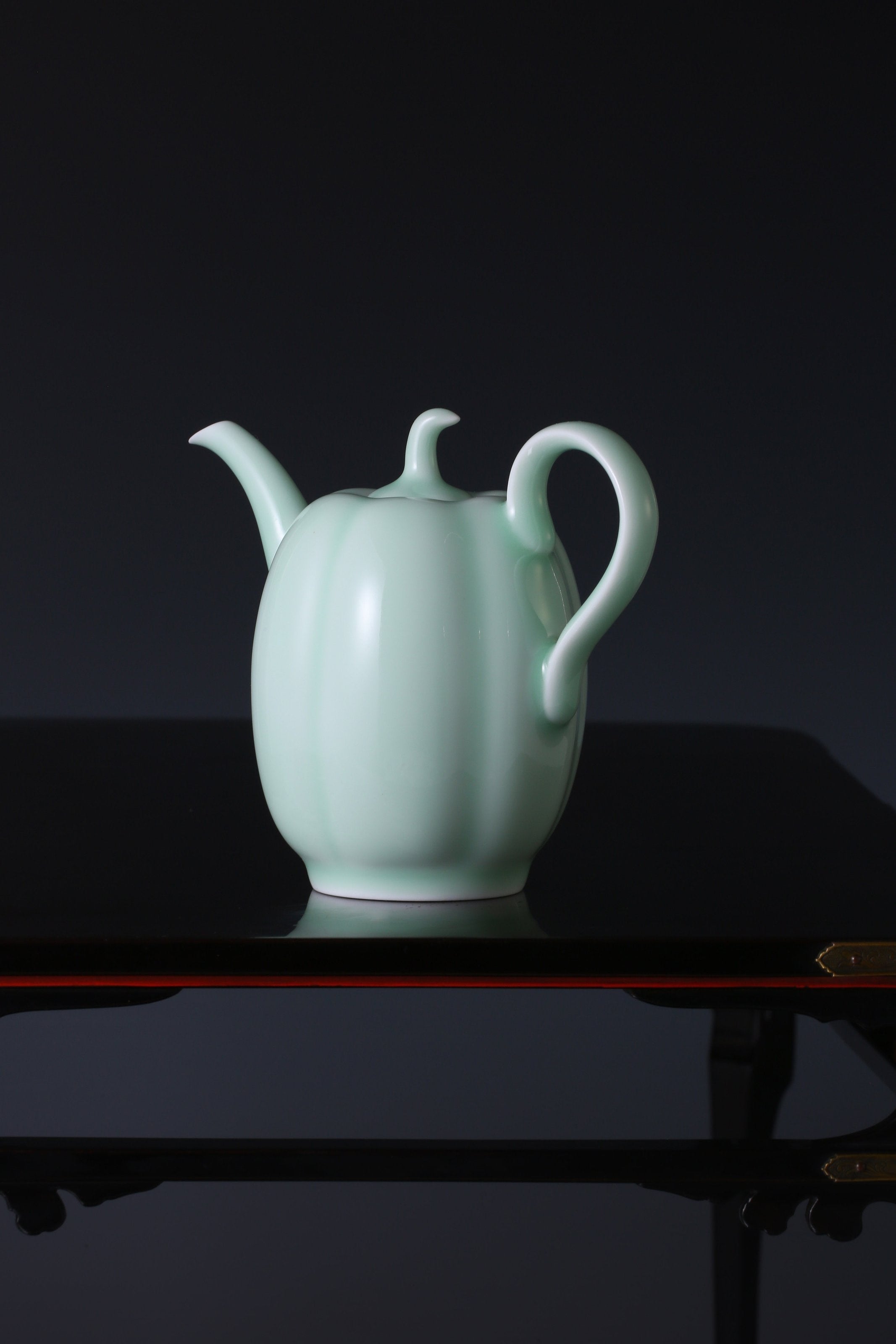
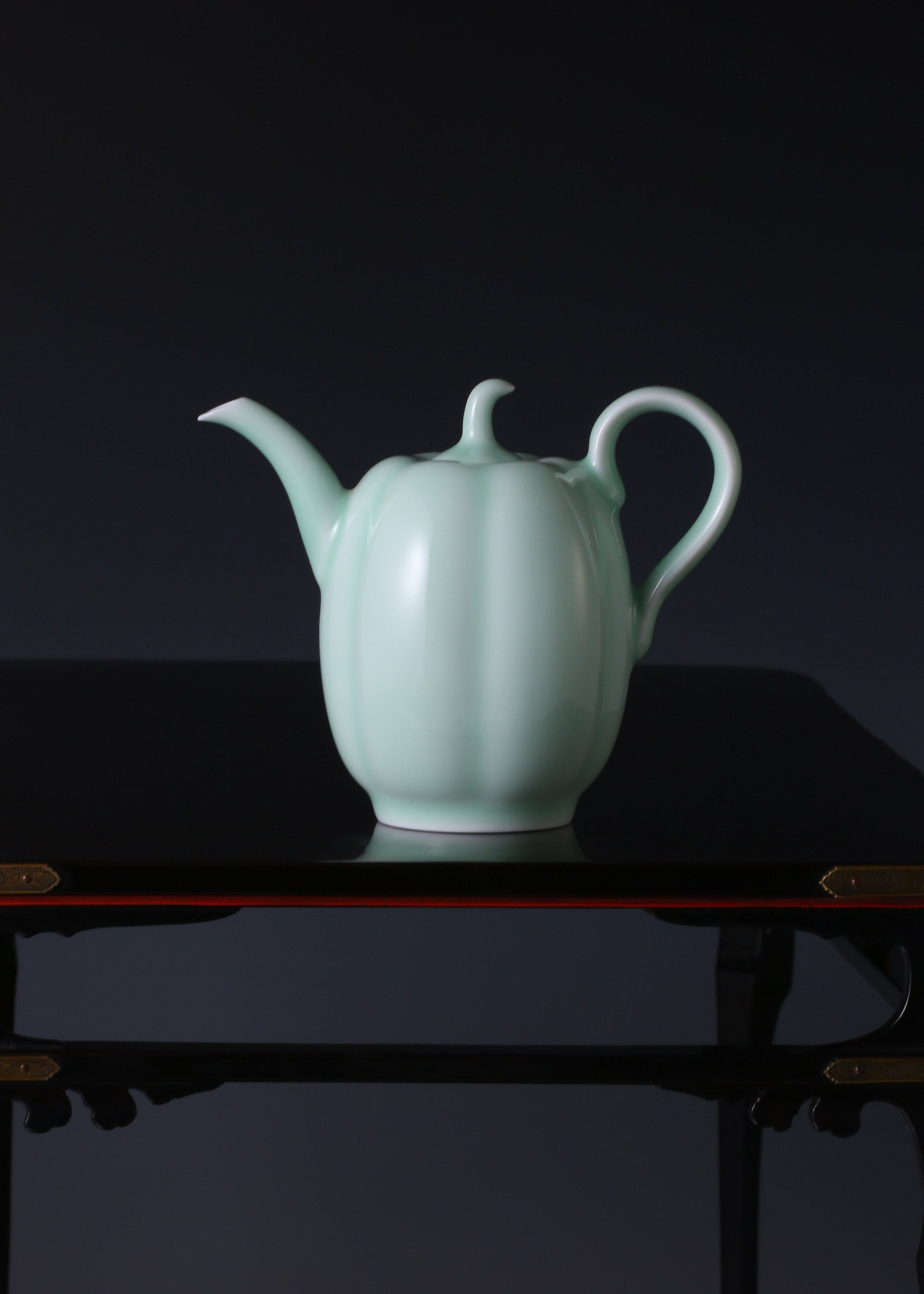
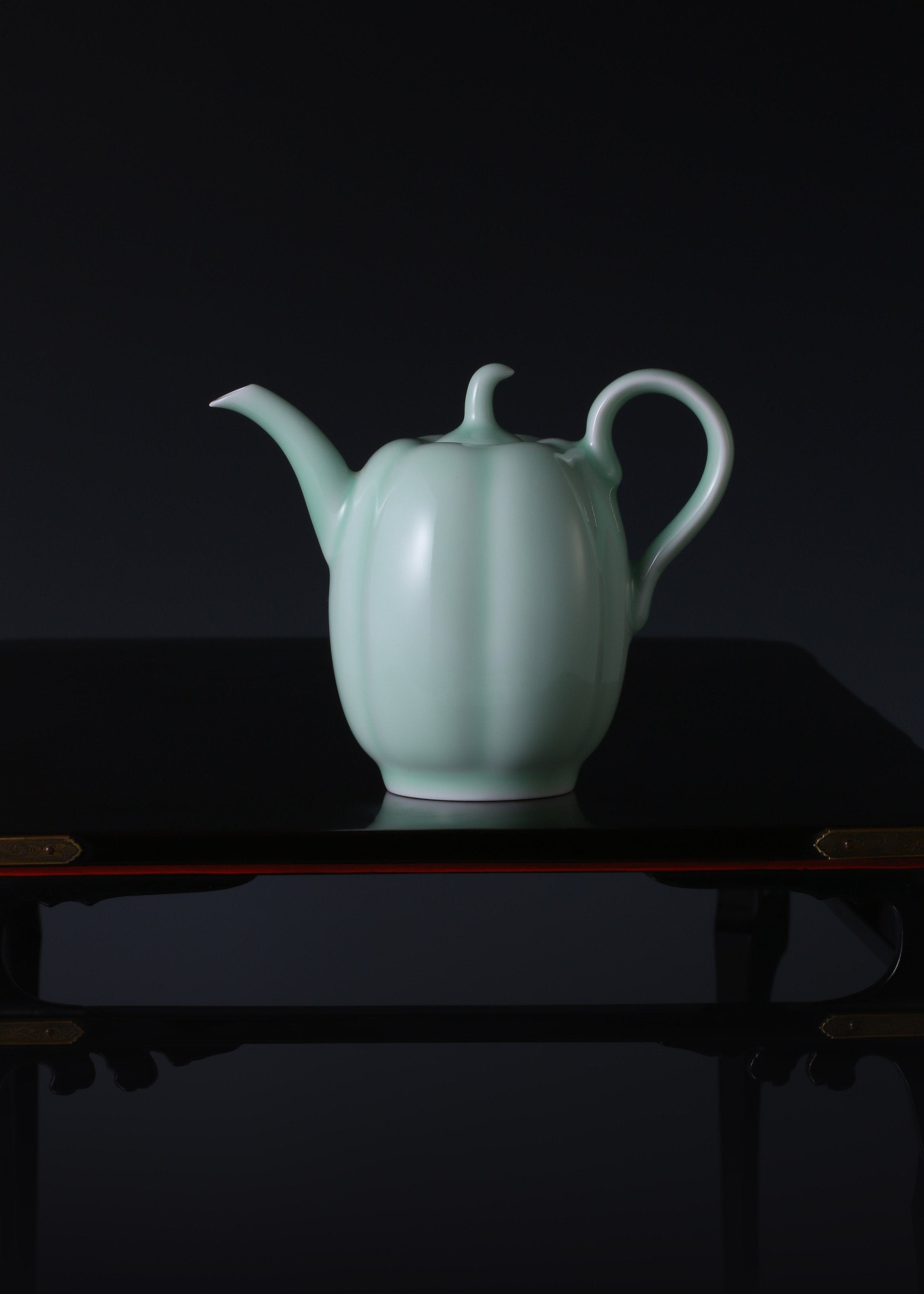
Song-Style Bluish-White Glazed Melon-Ribbed Ewer
Customization period: 15-30 days
Song-Style Bluish-White Glazed Melon-Ribbed Ewer
$441
Song-Style Bluish-White Glazed Melon-Ribbed Ewer
Customization period: 15-30 days
Song-Style Bluish-White Glazed Melon-Ribbed Ewer
Customization period: 15-30 days
Author: Dayatang
Material: Porcelain
Specifications: Diameter : 8cm; Height: 12cm
Author: Dayatang
Material: Porcelain
Specifications: Diameter : 8cm; Height: 12cm
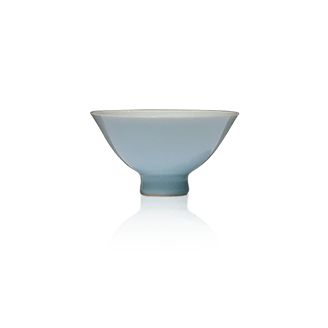
The bluish-white glaze is characterized by its pure, elegant white hue, with a bright, clear, and lustrous surface, and a warm, jade-like translucency.
It was one of the primary ceramic types of the Northern Song Dynasty, produced at numerous kilns across Jiangxi, Fujian, Henan, and other regions.
Among these, the output from the Hutian Kiln in Jingdezhen is universally regarded as the finest.
Historical records indicate that as early as the beginning of the Tang Dynasty, bluish-white porcelain from the Hutian Kiln was presented to the imperial court and known as "Rao Yu" (Jade of Raozhou), making it one of China's earliest types of tribute porcelain.
This ewer features a melon-ribbed body, a curved spout, and a melon-stem-shaped lid. It has a smoothly sloping shoulder, with the spout and handle symmetrically positioned on the upper shoulder. Its form is slender yet full-bodied. The entire vessel is covered in a bluish-white glaze with a whitish undertone. The areas where the glaze accumulates at the joints exhibit an aqua-green hue, bright, clear, and warm, simple and elegant—fully reflecting the aesthetic sensibilities of the Song Dynasty.
During the Song Dynasty, Neo-Confucianism flourished. Scholar-officials took Confucianism as the foundation of their lives, emphasizing self-cultivation and advocating a reverence for nature, embodying the ideal of "natural simplicity without adornment" and a restrained, understated elegance. This philosophy is reflected in Northern Song ceramics, all of which are cherished for their pure tones and elegant forms.
It is no wonder that Hutian Kiln bluish-white porcelain enjoyed immense popularity. According to Dreams of Splendor of the Eastern Capital (Dongjing Meng Hua Lu) from the Song Dynasty, specialized shops selling bluish-white porcelain existed in both the capital cities of Bianjing (Kaifeng) and Lin'an (Hangzhou). In her poem To the Tune of Zui Hua Yin, Li Qingzhao wrote, "Jade pillow and gauze canopy, the midnight chill penetrates deep." The "jade pillow" mentioned here refers precisely to a bluish-white porcelain pillow.
We're here to help
Frequently asked questions
Use the FAQ section to answer your customers' most frequent questions.
Order
Yes, we ship all over the world. Shipping costs will apply, and will be added at checkout. We run discounts and promotions all year, so stay tuned for exclusive deals.
It depends on where you are. Orders processed here will take 5-7 business days to arrive. Overseas deliveries can take anywhere from 7-16 days. Delivery details will be provided in your confirmation email.
You can contact us through our contact page! We will be happy to assist you.