


Tongmu Pass Jinjunmei
Tongmu Pass Jinjunmei

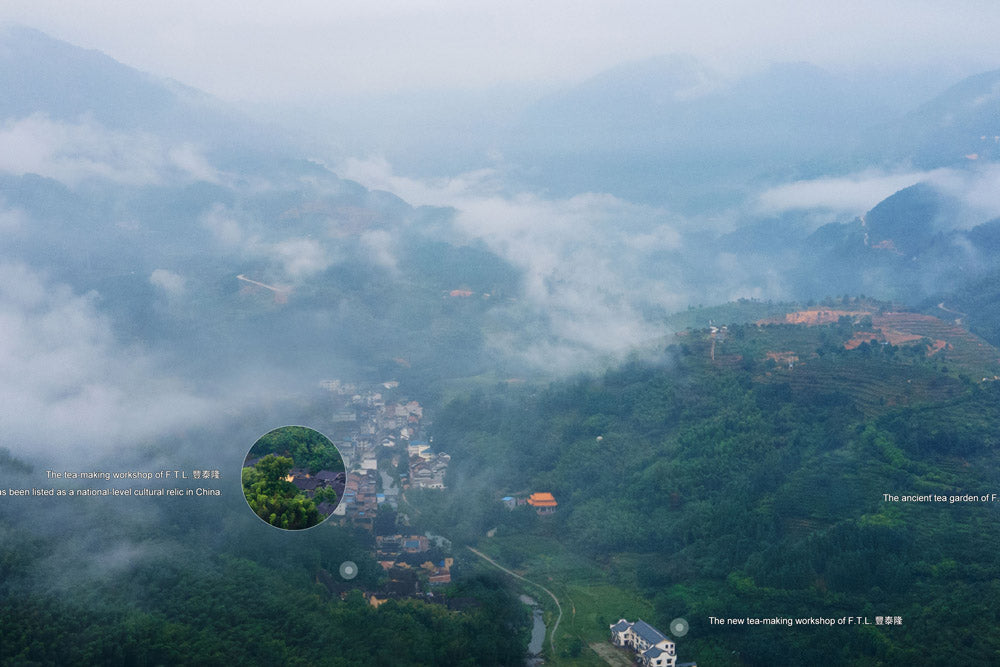
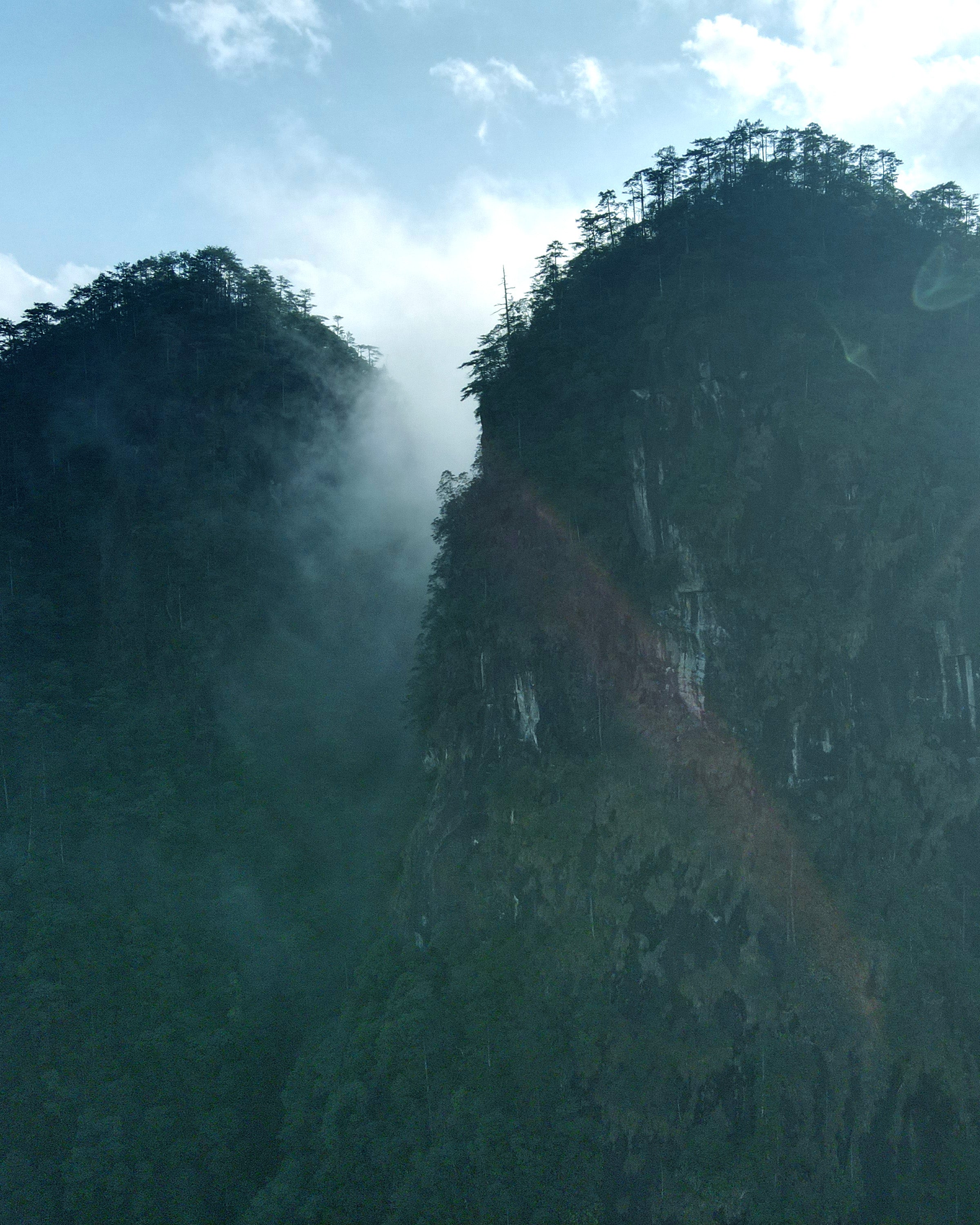
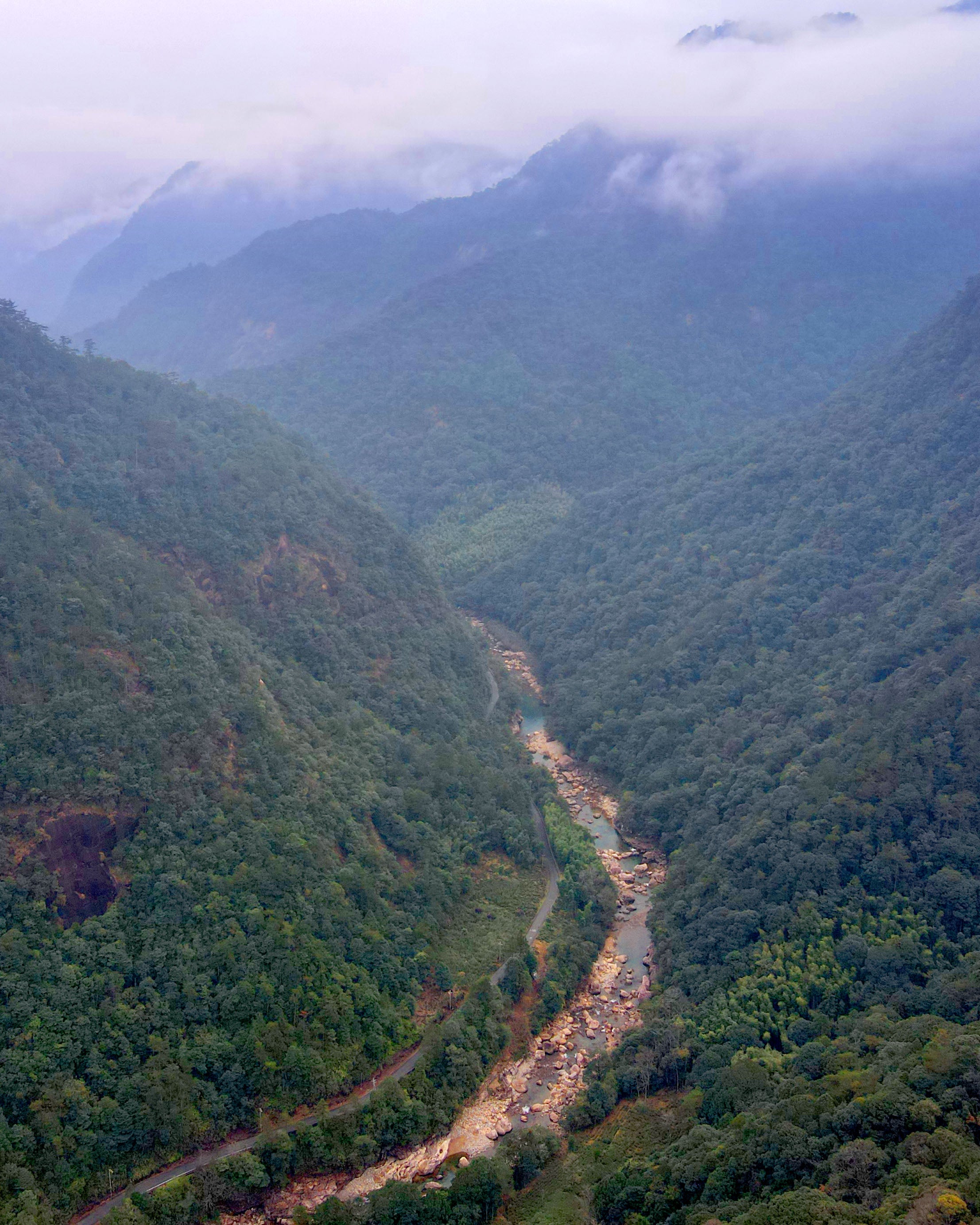
On the thirteenth day of the eleventh month of the Gengzi year, I once again stepped into Tongmu Pass. The mountains are high and the valleys are deep, shrouded in clouds and mist all year round. Upon entering, I felt as if I were surrounded by a thousand mountains and mist, and all things were in a state of primordial chaos.
The aroma of tea from Tongmu Pass lingers, naturally intertwined with over five thousand plant species. Nourished by morning dew, it thrives amidst swirling mists, rugged rocks, lush grasses, and blooming wildflowers—a natural tapestry of varying heights and depths. The high humidity, frequent fog, and gentle sunlight promote an increase in the tea's amino acids, chlorophyll, and nitrogen compounds. This results in slow-growing yet intensely aromatic teas. This unique microclimate is a gift from nature accumulated over millions of years, beyond the reach of any single individual.

The familiar scene before me reminded me of 2015. That autumn, through the introduction of relevant departments in Fujian, we visited Jiang Yuanxun and Liang Junde respectively. The two made invaluable contributions to the research and promotion of Jin Jun Mei tea.
In Jiang Yuanxun's tea room, we savored several varieties of Jin Jun Mei tea while discussing its development. Then, Mr. Jiang slowly recounted the history of black tea's birth. He said, "Before 1940, Tongmu Village mainly produced green tea. Once, an army passed through and stayed overnight at the tea factory. The tea workers couldn't finish roasting the fresh leaves in time, causing them to turn red. Combined with the smoke from the army cooking, the final tea was dark and oily, with a smoky aroma, but unexpectedly became very popular. Thus, Lapsang Souchong black tea was born."
While we were enjoying tea at Mr. Liang Junde's home, he recounted in detail: "In 2004, when I was at the Jiangzong Factory, two tea friends from Beijing approached us, hoping we would try making black tea from tender single buds. I agreed to give it a try. After several adjustments to the process, by the following year, we and the tea connoisseurs were very satisfied with the finished tea. Because its shape resembles an eyebrow, delicate and beautiful, and the selected buds are precious and covered in golden down, we took the character 'Jin' (金, meaning gold) from it, and also took one character from my name, Jun (骏, meaning swift), and named it Jin Jun Mei (金骏眉, meaning Golden Jun Eyebrow)." Listening to their story and looking at the Jin Jun Mei before us, it was indeed indeed shaped like a small, tightly rolled eyebrow, with a golden-yellow liquor, an aroma that blended floral, fruity, and honey notes, and a mellow, sweet taste.
Since we hadn't made an appointment beforehand for our visit to Tongmu Pass, we decided not to disturb the two teachers—after all, the scene of sitting around enjoying tea and listening to the story of Jin Jun Mei tea in 2015 was already a precious tea connection. Although we didn't visit old friends again, we could still find a similar warmth in the daily life of Tongmu Pass.
We visited outside of tea-making season, but still sampled tea from several households. Tongmu Pass has a beautiful ecosystem, though the monkeys were quite mischievous, climbing onto the roof of our car – just like in 2015. We also watched with great interest as villagers wove bamboo baskets, experiencing the local customs and traditions. Afterwards, we left Tongmu Pass.
Heaven and earth are in harmony, and all things are fragrant. This trip to Tongmu Pass was fleeting; I waved goodbye, leaving without taking a single cloud, only memories.
Tongmu Pass JinJunMei Tea Appreciation
Year : 2025
Grade : Premium single bud, made from 60,000-80,000 buds per pound
Origin : Tongmu Pass, Xingcun Town, Wuyishan City, made from wild tea buds grown at altitudes of 1200-1800 meters in Tongmu Pass.
Variety : Wild group species (vegetable tea)
Craftsmanship : Jin Jun Mei tea-making techniques
Dry tea appearance : Jin Jun Mei has small and tightly rolled leaves, made of tender buds, with a color that is a mix of gold, yellow, and black. The golden yellow part is the tea's downy hairs and golden tips, which make up about 30% of the tea. The dry tea has a sweet aroma with hints of ripe fruit, without any off-flavors.
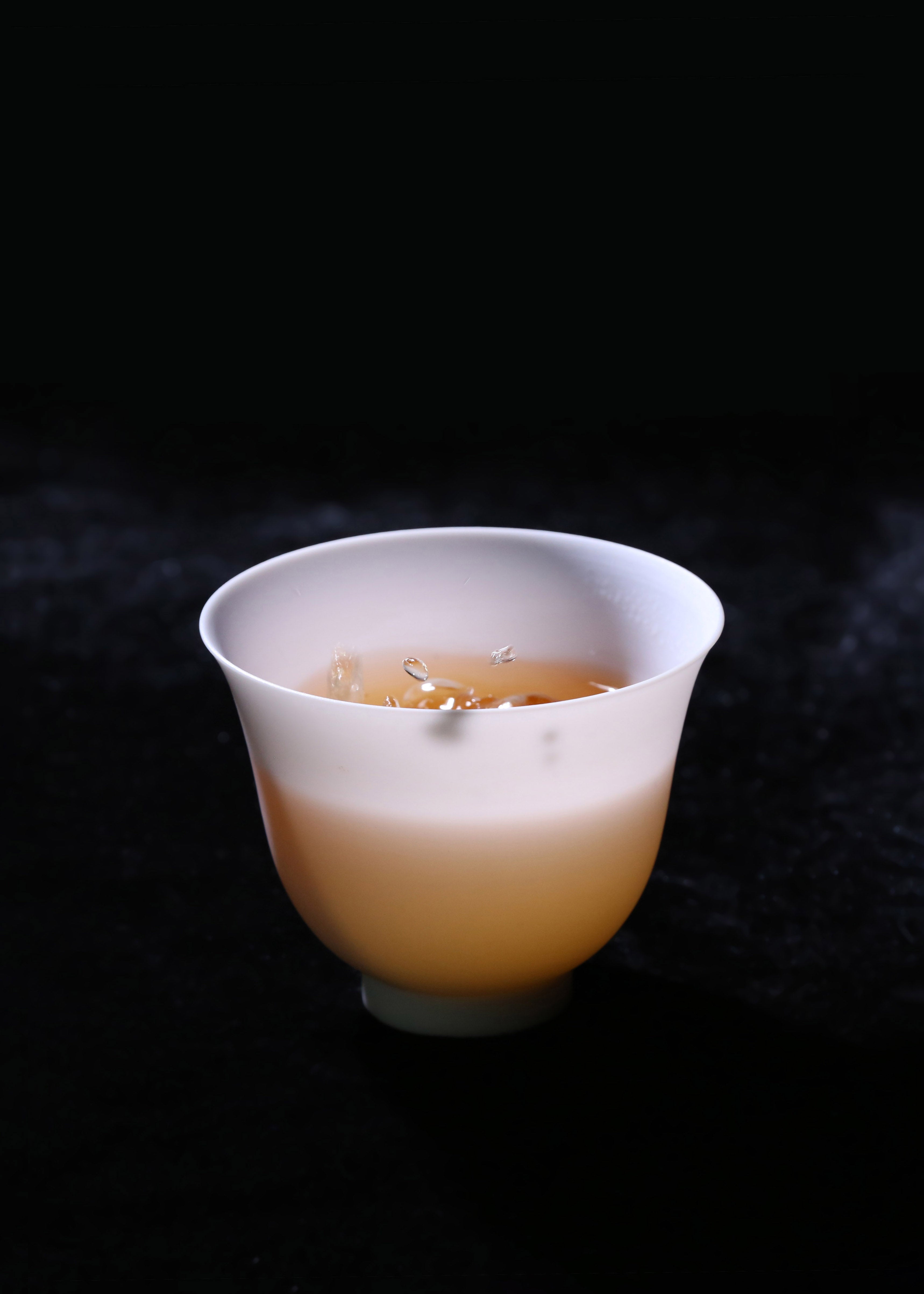
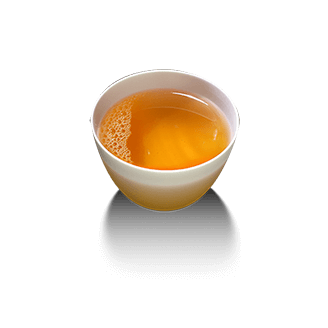
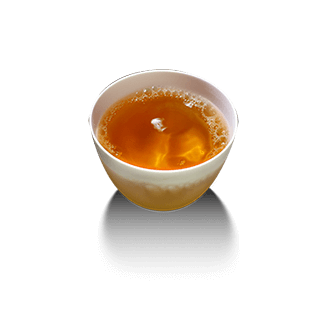
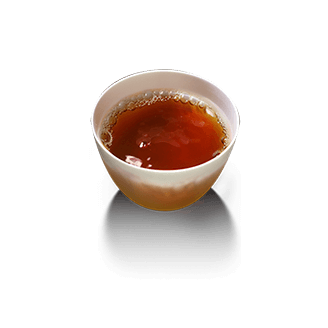
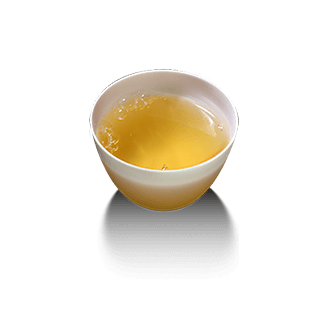
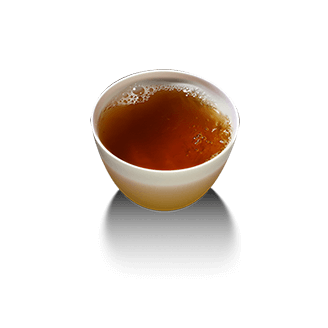
The soup is a clear, bright golden amber color, with a thick golden ring floating on the bowl's surface.

Dry tea appearance: Jin Jun Mei has a small and tight appearance, with fresh and tender buds. The color is a mixture of gold, yellow and black. The golden yellow part is the tea hairs and golden tips, which account for about 30%.
Liquor color: The 2025 Jin Jun Mei tea liquor is golden yellow, with an amber hue.
Aroma : Dry smell/warmed cup : honey and ripe fruit aroma; Brewing: top notes of orchid and peach, middle notes of mellow honey, and base notes of alpine notes; long-lasting aroma at the bottom of the cup , still clear after 5 minutes of steeping.
Taste : Sweet and refreshing on the palate with no astringency, the tea soup is thick and smooth; after swallowing, a sweet aftertaste lingers in the throat (from light sweetness to date sweetness), fresh and refreshing, with a long-lasting aftertaste.
Leaf base : The buds are upright and bronze in color, with a soft and supple feel like silk.
Scientific value:
Active ingredient: Theaflavins content ≥0.8%
Antioxidant properties: ORAC value reaches 12000 μmol TE/g (30% higher than green tea).
Mild and soothing properties: The complex of caffeine and tea polyphenols reduces irritation.
The climate of Tongmu Pass over millions of years has created JinJunMei tea.

Each gram of tea carries a family's 174 years of day-and-night guardianship
Through six generations of tea masters' perseverance
Complex brewing
exacting attention to details
Only to help you taste the true flavor
of tea aroma

With "protecting the buds and preserving freshness, and evenly releasing the aroma" as the core principle, the steps to maximize the presentation of its floral, fruity, and honey-like fragrance and sweet and refreshing characteristics are as follows:
Tongmu Pass JinJunMei Tea Brewing
I. Utensil Selection
II. Water Temperature and Tea Dosage
III. Infusion Time
Brewing tips:
1. Always brew at a low temperature . If boiling water (100℃) is used for the first infusion, the tea tends to taste strong and bitter. Due to the characteristics of oral perception, even if the water temperature is appropriate in subsequent infusions, the tea will still feel bland. Therefore, using boiling water for the first brew will deprive you of the tea’s original wonderful experience.
This tip applies to all high-grade Chinese teas made from "tender buds and leaves", such as Mengding Ganlu and Biluochun. Generally speaking, the more delicate the buds, the lower the water temperature required; the coarser the leaves, the higher the water temperature can be.
2.Water Pouring: Pour along the wall at a low height (≤3cm), avoiding direct pouring onto the tea buds.
3: A single serving of tea should be fully brewed within 20 minutes. If you can’t finish the brewed tea right away, store the tea infusion in a container. When you want to drink it again, reheat the previously poured infusion—in an instant, the room will fill with its enchanting, intoxicating aroma.
Do not leave the wet tea leaves (after steeping) in the gaiwan for an extended period (e.g., 1–2 hours) before re-steeping. This is because prolonged exposure leads to increased oxidation: tea polyphenols oxidize more deeply, the original fresh and brisk flavor fades, and aromatic compounds evaporate, resulting in a dull, tasteless brew.
4.Tasting: Let the tea cool to 55-60℃ — the floral and fruity aromas will be clearer.
This tip applies to all high-aroma Chinese teas with exceptional fragrance.
Exceptions include aged Chinese teas and those with heavy roasting or heavy fermentation styles. Such teas can be steeped for a longer time, brewed slowly, or simmered.
For brewing instructions on aged black tea, please refer to "A Guide to Slow-Brewing Aged Black Tea".
Part 1: The Effects of Alkaline Water on Tea
1. Effects on the color of tea liquor
green tea:
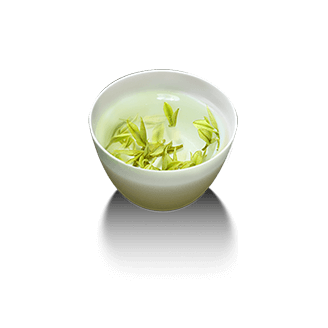
Under alkaline conditions, chlorophyll is easily destroyed (chlorophyll stability decreases at pH > 8.0) , causing the tea liquor color to easily change from bright green to yellow or dark yellow, resulting in turbidity , especially noticeable when brewed at high temperatures. Flavonoids (such as catechins) in green tea are easily oxidized in an alkaline environment, exacerbating the darkening of the tea liquor color.
black tea:
Theaflavins (bright orange-yellow) are easily oxidized to thearubigins (dark red) under alkaline conditions, and further generate dark brown, causing the soup color to change from bright red to dark and lose its transparency .
Other types of tea:
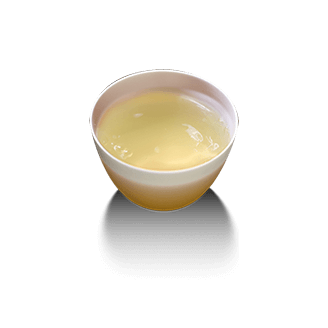
The color of oolong tea, white tea, and yellow tea may be darker due to alkaline water. The color of black tea (such as ripe Pu-erh) will become more turbid, and the color stability of aged aroma substances will also be affected .
2. Impact on taste and texture
Analysis reveals differences:
Tea polyphenols and caffeine: lead to insufficient concentration and bland taste . An alkaline environment inhibits the dissolution of tea polyphenols (bitter substances) and caffeine, reducing the bitterness of the tea soup.
Amino acids and sugars: Disruption of amino acid structure reduces the freshness and crispness.
Mineral influence: Alkaline hard water (containing more calcium and magnesium ions) combines with tea polyphenols to form insoluble precipitates (such as "cloudiness after cooling"), resulting in cloudy tea soup and a rough taste .
Balance of taste: It significantly affects the "richness" of tea soup for teas that rely on polyphenols to support their taste (such as raw Pu-erh tea and high-roasted rock tea), with no noticeable aftertaste and an overall taste that is bland and coarse .
3. Effects on aroma
Volatile aromatic substances: An alkaline environment may accelerate the degradation or transformation of aromatic substances (such as aldehydes and alcohols), resulting in a single aroma profile, especially in light-aroma teas (such as jasmine tea and Anji white tea), where the floral fragrance dissipates easily and may even develop a "mushy" taste.
Aged aroma and woody aroma: For fermented teas such as black tea and aged Pu'er, alkaline water may slightly highlight the aged aroma (pH>8.0) and suppress the fruity or honey aroma.
Second: The adaptability of different types of tea to water quality
1. The interaction between the physicochemical properties of water and tea components
- Hard water (>120 mg/L CaCO₃) : Calcium ions combine with tea polyphenols to form precipitates, reducing the astringency of tea soup (EGCG binding rate can reach 23%), but losing antioxidant activity (Food Chemistry, 2018); Magnesium ions promote caffeine dissolution, and every 1 mg/L increase in magnesium can increase the caffeine concentration by 0.8% (Journal of Agricultural and Food Chemistry, 2020).
- Soft water (<60 mg/L CaCO₃) : Theaflavin dissolution rate increased by 12%, and the brightness of the tea soup increased (L* value increased by 3.2), but the amino acid extraction efficiency decreased (Food Research International, 2019).
2. Supported by scientific experimental data
- Longjing green tea brewing experiment (TDS = 50 vs 300mg/L) : The amino acid content of the tea soup in the soft water group (1.2mg/mL) was significantly higher than that in the hard water group (0.8mg/mL), but the caffeine content was 18% lower (China Tea Processing, 2021); Sensory evaluation showed that the freshness score of the soft water group was 1.7 points higher (out of 9), while the body of the hard water group was 0.9 points higher.
- Research on water quality suitability for Wuyi rock tea : Water containing trace amounts of sulfate (20-50 mg/L) can increase the dissolution of cinnamaldehyde, a characteristic aroma compound of cinnamon, by 24% (GC-MS detection), and significantly enhance the rocky aroma (Tea Science, 2020).
3. Water quality selection recommendations (based on tea)
| Tea | Ideal TDS | Recommended pH | Key ion requirements |
| F.T.L. Green Tea | 30-80mg/L | 6.8 | Ca²⁺<15mg/L, Mg²⁺<5mg/L |
| F.T.L. Oolong Tea | 80-150mg/L | 7 | HCO₃⁻ 40-60mg/L |
| F.T.L. Black Tea | 100-200mg/L | 6.8 | K⁺ 2-5mg/L, SiO₂ 10-15mg/L |
| F.T.L. Pu‘er Tea | 50-120mg/L | 6.8 | Fe³⁺ < 0.1 mg/L |
4. Examples of the impact of special water quality
London tap water (high hardness) : When brewing black tea, the formation of oxalool-calcium complexes leads to "cold turbidity" appearing 30 minutes earlier, with the turbidity (NTU) of the tea reaching 12.5, which is significantly higher than that of the soft water group (NTU = 4.3) (Food Hydrocolloids, 2019).
Kagoshima hot spring water (containing sulfur) : Sulfides react with theaflavins to form methyl flavonoids, which reduces the umami intensity of sencha by 37% (*Journal of the Japanese Institute of Food Science and Technology, 2022).
The quality of water from a particular source can enhance the color, aroma, and flavor of local tea, but using local water requires systematic professional knowledge and is very costly. For non-professionals, mastering the basic principles of "soft and clean water + temperature control" is far more practical than pursuing famous springs from their place of origin.
The precise matching of water and tea is essentially a dialogue of geographical genes, which needs to be built on a multidisciplinary system of geology, food chemistry, heat transfer and other disciplines, and cannot be covered in just a few lines of web pages.
The UK-based AquaSim laboratory has simulated 12 core indicators of Tiger Spring water. However, it lacks the original spring's microbial community (such as Nocardia tea-loving bacteria), resulting in a 27% difference in post-fermentation flavor. In addition, the operation is complex: it requires mastering the "listening to the spring while boiling water" method (stopping the fire immediately when the water first boils), and a temperature error of more than 3°C will disrupt the flavor balance.
The charm of tea ceremony lies
in what suits you as precious
A pot of pure water is enough
Don't be trapped by water quality metaphysics
A pot of pure water is enough
Don't be trapped by water quality metaphysics
The charm of tea ceremony lies
in what suits you as precious

Please refer to the traditional Chinese black tea brewing method.
The source of JinJunMei tea – Tongmu Pass
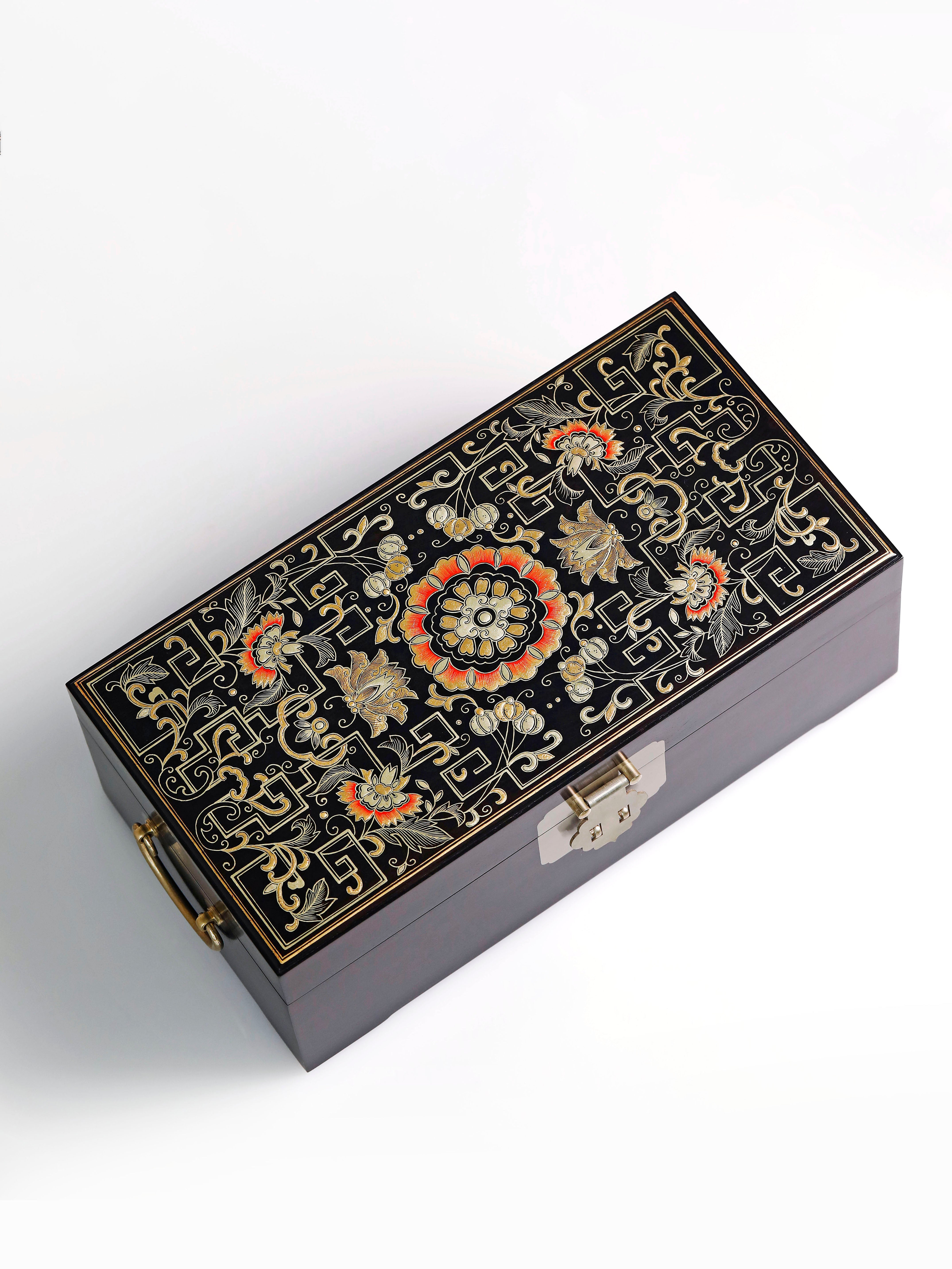
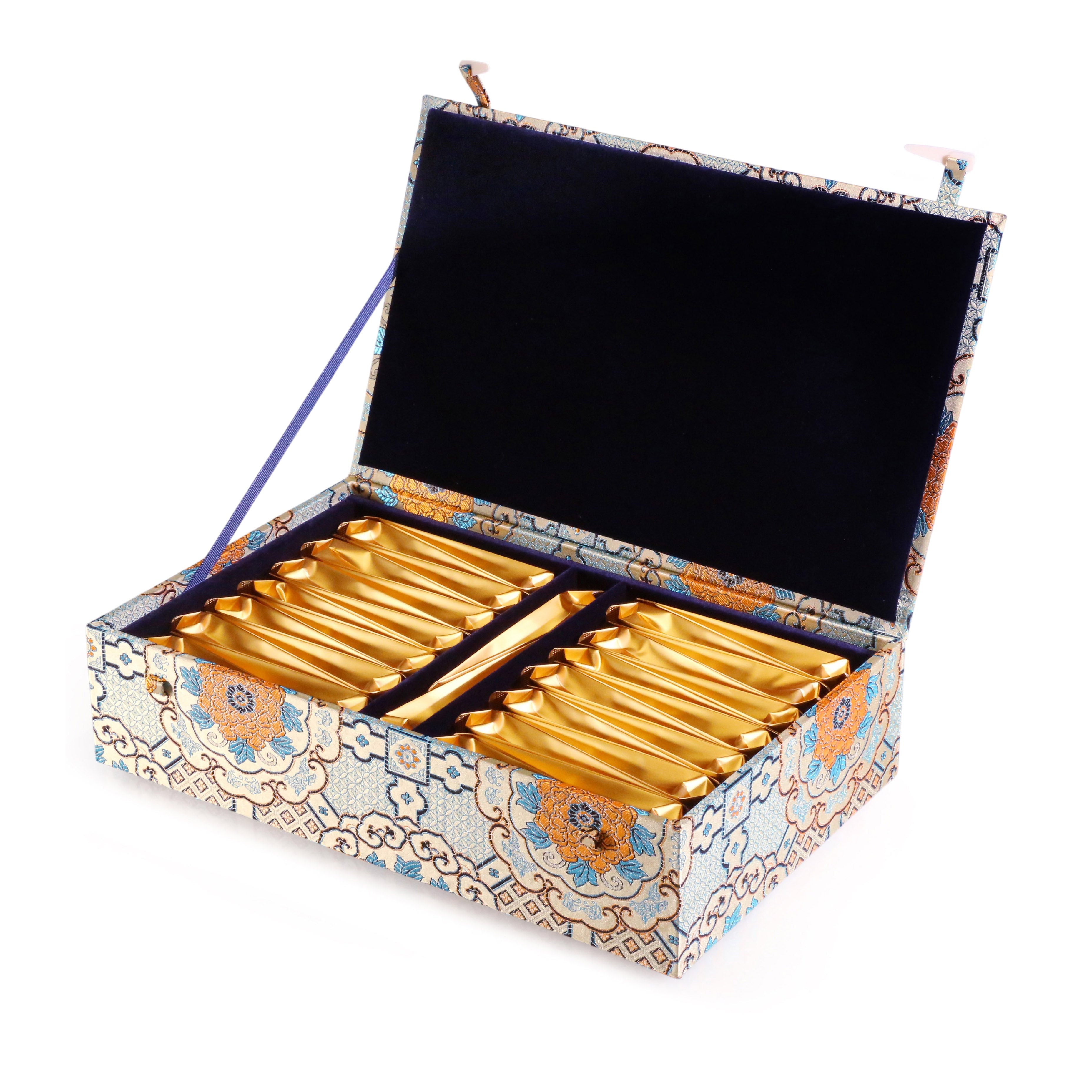
The brocade box contains 30 tea bags .
effectively blocking out oxygen, light, and moisture, long preserving the original aroma and nutrients of the tea, and extending its freshness.
Store in a sealed container in a clean, odorless, and dry environment.
The ideal temperature is below 25 degrees Celsius. Avoid direct sunlight and moisture.
Note: Avoid opening the container frequently.
Every time the container is opened, the tea leaves come into contact with air and moisture, which accelerates the oxidation and deterioration of the tea.
Therefore, minimize the number of times you open the storage container.
Shelf life
Stored under the aforementioned conditions, it can be preserved for a long time. Dayatang’s Recommendation: Jinjunmei Black Tea is best consumed within the year of production.
1-year appreciation period
Aroma: Compared to aged tea, the aroma is fresher, more invigorating, and more pronounced, with a noticeable floral and sweet fragrance, and a high degree of freshness.
Taste: Fresher and more vibrant than aged tea. Upon tasting, the robust inner qualities of the tea leaves are clearly perceptible, with a full-bodied flavor and a rapid and pronounced aftertaste.
Enjoy after 5 years or more of storage
Aroma: The floral and fruity aromas gradually fade, transforming into a rich and deep aged aroma, woody aroma, and camphor aroma, accompanied by a slight medicinal aroma.
Taste: The taste becomes increasingly mellow and smooth. After years of storage, the chemical composition of the tea leaves changes, and the content of irritating substances such as tea polyphenols decreases, resulting in a milder taste, a rich and mellow liquor, a long-lasting aftertaste, and a smooth and delicate flavor with a unique character.