

Royal Loong Tuan Tea "Golden Gourd Tribute Tea"
Royal Loong Tuan Tea "Golden Gourd Tribute Tea"
When that lump of Qing-dynasty Pu'er Golden Gourd Tribute Tea, which had slumbered in the Palace Museum for a century, returned to Pu'er, Li Xingchang was there. He stood at the back of the crowd and watched quietly for nearly half an hour. That tea cake, darkened by the passage of time, was handcrafted by his great-grandfather’s generation. He wanted to see clearly the exact differences between the tribute tea of that era and what he himself crafted with his own hands today.
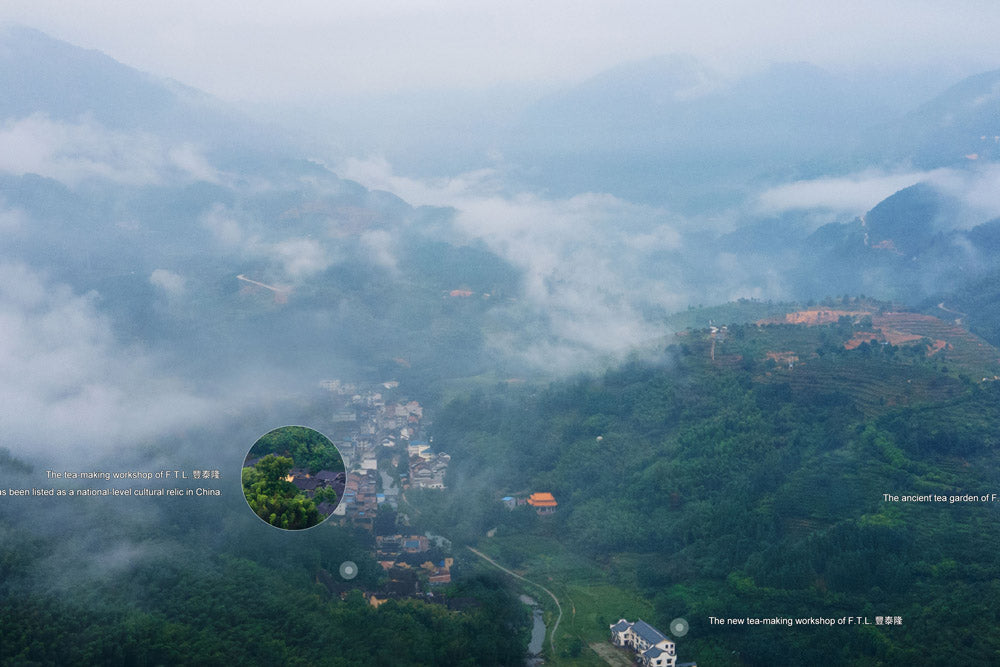
The origin of Pu'er tribute tea lies hidden deep in a mountain – the Imperial Ancient Tea Garden of Kunlu Mountain. Located in Ning'er County, Pu'er City, Yunnan Province, this tea garden was once an imperial-designated raw material base for tribute tea during the Qing Dynasty. Within the garden, centuries-old ancient tea trees twist and gnarle; with the demise of the imperial tribute tea system, this ancient tea garden gradually declined, overgrown with weeds that choked the tea bushes, and the vitality of the old tea trees all but faded into silence.Yet Li Xingchang’s bond with tea had long been deeply rooted in the soil of Kunlu Mountain..

A turning point arrived three decades ago. His mother, already in her nineties, insisted on using her life savings – the money she had put aside for her retirement over a lifetime – to purchase the operating rights to a hundred mu of ancient tea gardens on Kunlu Mountain.
Back then, everyone was preoccupied with planting terrace tea for quick profits, and no one understood why she clung to these "useless" old tea trees.
This stubborn perseverance was rooted in the Li family’s multi-generational bond with tribute tea: dating back to the Qing Dynasty, when the family crafted tribute tea for the imperial court, the Lis had made "guarding tea" their lifelong vocation. By Li Xingchang’s generation, he had become the 8th inheritor of this legacy.
His mother’s choice not only preserved a stretch of ancient tea gardens, but also safeguarded the "raw material lifeline" of traditional tribute tea craftsmanship – only the fresh leaves plucked from the ancient tea trees of Kunlu Mountain can yield the purest, most authentic flavor of tribute tea..

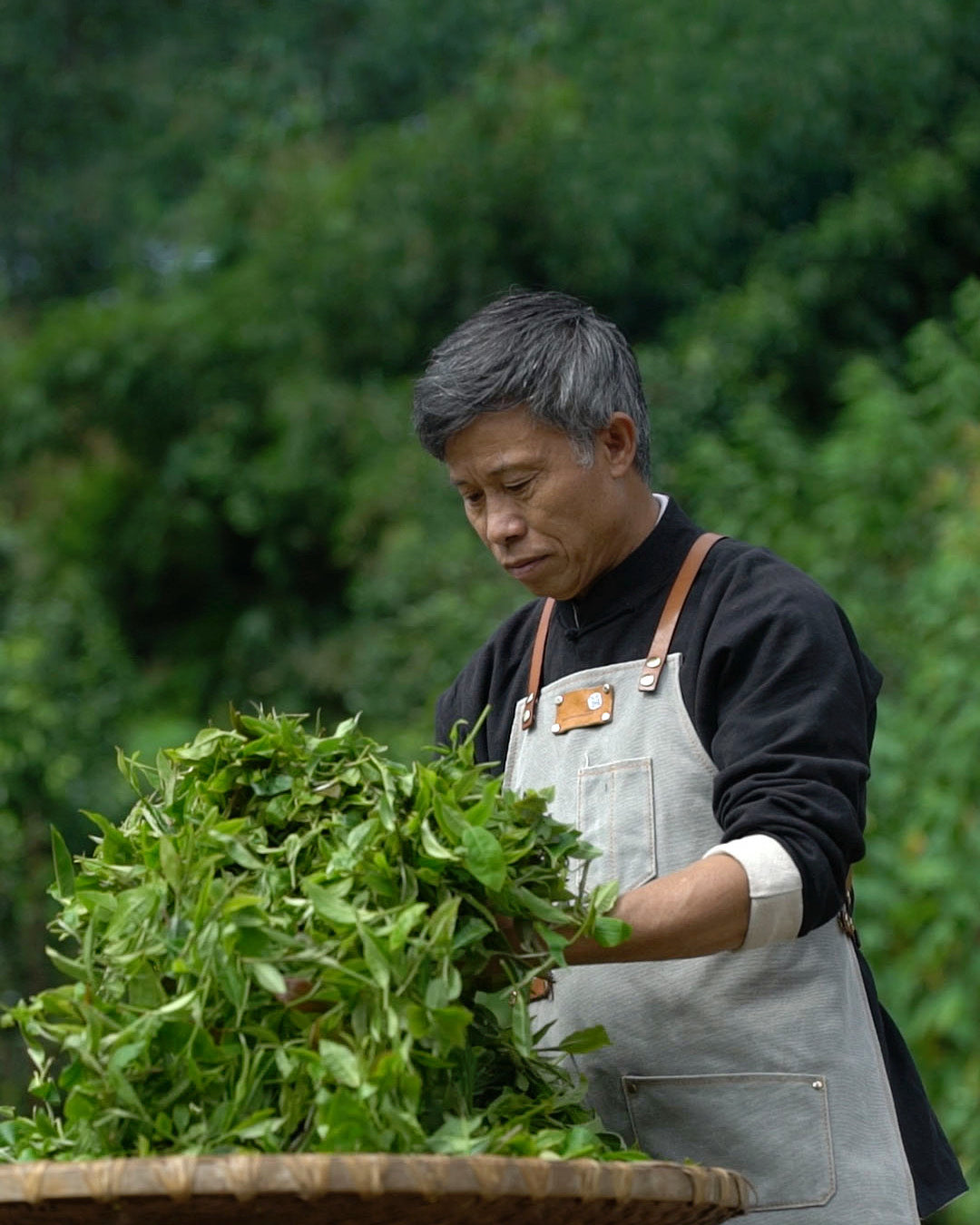
"There are no secrets to making tribute tea – we simply dare not cut corners on a single step," Li Xingchang said. The traditional craftsmanship of Pu'er tribute tea involves 72 manual processes and takes a full 36 days from fresh leaf plucking to tea cake formation. Every step must be "felt by hand and understood by heart".

For plucking, only "one bud with two leaves" is selected – plucking too early (too tender) results in astringency, while plucking too late (too old) causes loss of aroma. Withering is subject to "weather conditions": 4 hours of sunning on sunny days, and extended to 6 hours on cloudy days to ensure the tea leaves retain just the right amount of moisture. Fixing (Shaqing) is the crucial step: the temperature of the iron wok must be controlled at around 180℃. When stir-frying by hand, the fresh leaves must be heated evenly, yet the edges must not be scorched. In his youth, Li Xingchang practiced this step so relentlessly that his hands were covered in blisters countless times. Rolling and twisting requires strength: the tea strips must be tightly twisted, but the tea stems must not be broken – otherwise, the subsequent aging process will lose its unique appeal.
Tea cakes are pressed using traditional stone mills with a strength that is "loose yet not scattered, tight yet not hard" – this is the secret behind Li Xingchang’s tea cakes being "breathable when blown and unbreakable when dropped": blowing air at the tea cake, the airflow can pass through the gaps in the cake, indicating that the pressing is not overly tight (avoiding stuffiness); even if accidentally dropped onto a wooden table, the tea cake remains intact, simply because the perfect tightness locks in the tea’s aroma and inherent properties.

In 2008, this century-old craft was included in the National Intangible Cultural Heritage List , becoming an indispensable "living fossil" in Pu'er culture.
Someone said to him: "Your craftsmanship is a national-level intangible cultural heritage – it’s truly remarkable." He just smiled in response: "Forget about 'intangible cultural heritage' or not; I’m just a tea maker." Every early morning, he still heads up the mountain without fail to check on the growth of the old tea trees.
When he descends the mountain in the evening, he often sees his son tidying up the withering mats in the workshop – his movements are far more skillful than before.

The setting sun stretches the shadows of the tea trees long and far. Li Xingchang walks beneath the ancient trees, his steps unhurried and steady. He knows that making tea is not something to be rushed – just like the old tea trees on Sleeping Deer Mountain, which bud and shed their leaves year after year; only with slow, patient waiting can they grow the fine leaves worthy of making tribute tea. It is also like the craftsmanship of the Li family, passed down from generation to generation – it must be taught hand in hand, so that the legacy can be truly carried on.

Year: Spring 2017
Producer: Li Xingchang, National ICH Inheritor
Origin: Kunlu Mountain Royal Ancient Tea Garden, Yunnan
Variety: Yunnan Large-Leaf Tea
Craftsmanship: Sun-Dried Green Tea (Shaiqing)
Grade: Grade 1
Weight: 2499g
Dry Tea: Uniform in shape, dark and glossy, with moderate compression (allows air circulation without crumbling). A subtle wild aged aroma lingers.
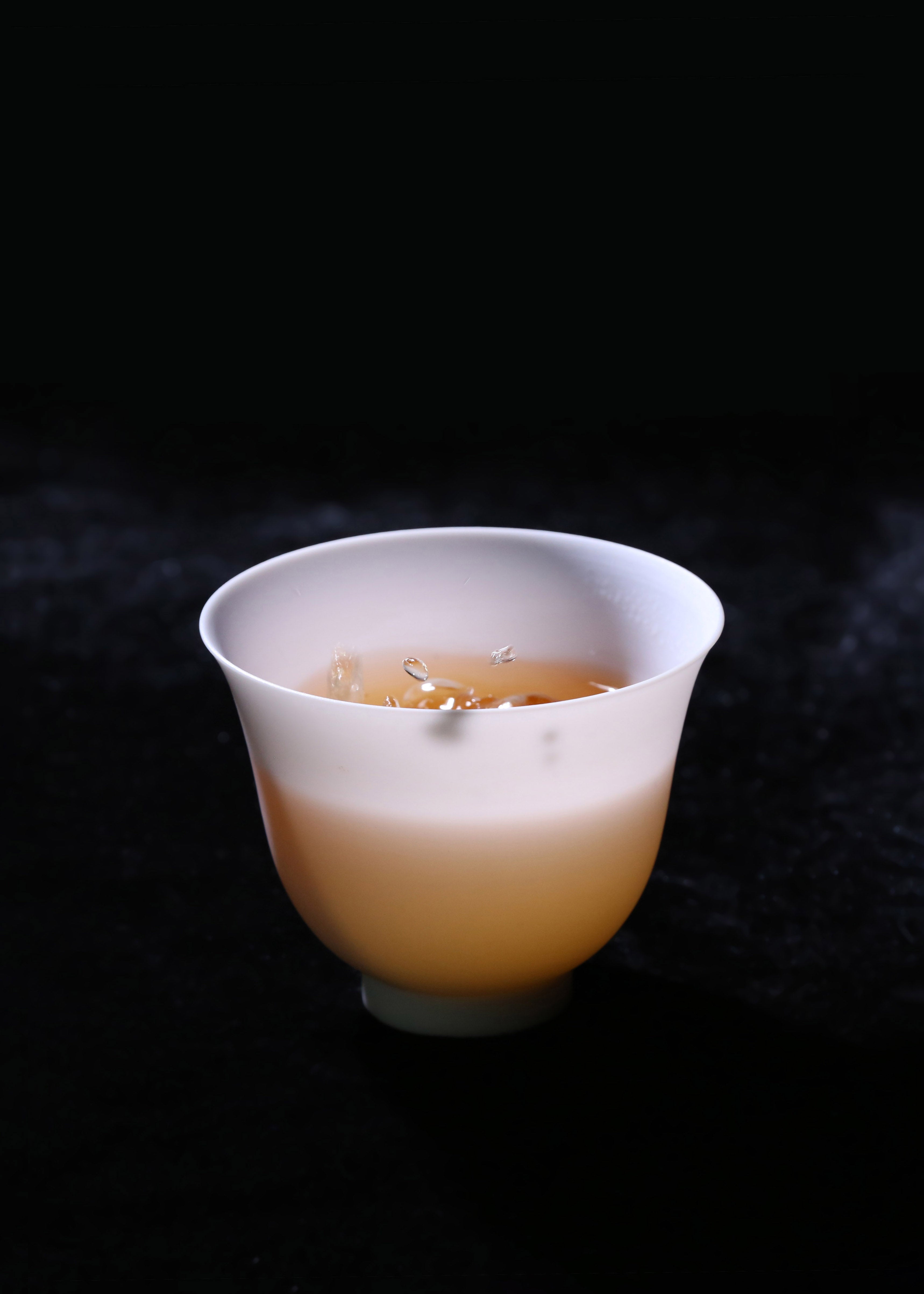
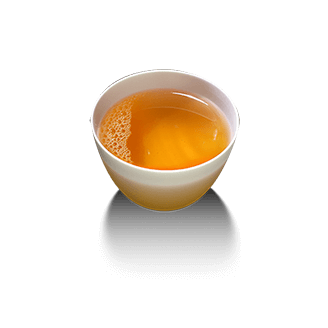
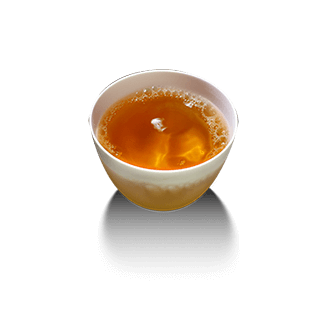
Tea Liquor: Golden yellow and translucent with strong luster. Obvious fragrance clings to the cup wall.
Aroma: Dominant notes of exotic fruit, wrapped in natural honey sweetness—aromatic, uplifting and long-lasting.
Taste: Full and silky on the palate. Rock sugar sweetness stands out in the middle section, with rapid sweetness return and enduring saliva secretion.
Infused Leaves: Soft and uniform, bright in color, flexible and elastic.
Year: First Spring 2023
Weight: 357g (Standard Pu-erh tea cake specification, facilitating storage and aging)
Grade: Grade 1 (Selected raw materials with tender buds and leaves, excellent uniformity)
Origin: Core Area of Puer Mountain, Puer City, Yunnan
Variety: Yunnan Puer Small-Medium Leaf Tea (Leaf veins ≤ 10 pairs, leaf area < 60 cm²)
Craftsmanship: Traditional Sun-Dried Green Tea (Natural withering + sun drying, retaining the tea’s natural flavor)
Supervisor: Li Xingchang, National-Level Intangible Cultural Heritage Inheritor
Dry Tea Appearance: Tight, thin and uniform strips, glossy color, with obvious fine white hairs.
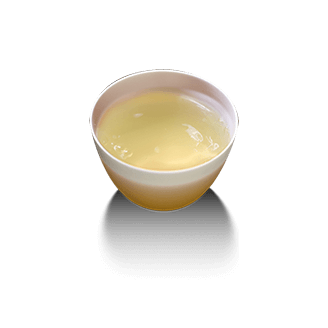
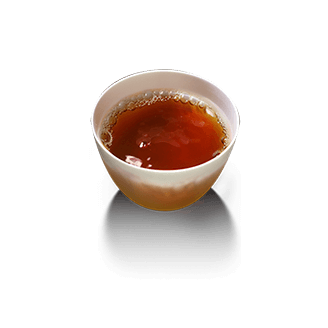
Tea Liquor: Orange-yellow and translucent, with a light delicate oil sheen on the surface.
Aroma: Woody fragrance as the core, mixed with wild honey aroma—elegant, calm and layered.
Taste: Full and mellow, sweet and smooth on the palate. Low bitterness and astringency that dissipate quickly, with dense and long-lasting sweetness return and saliva secretion.
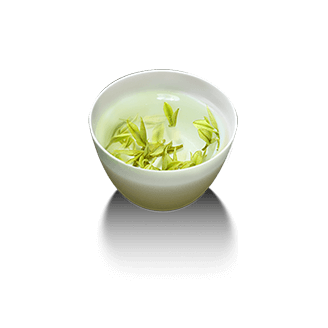
Infused Leaves: Tender, soft and glutinous, uniform and fresh, presenting a tender yellowish-green color, flexible when gently twisted.
 2023 Puer Mountain Pu-erh Tea Dry Tea Appearance: Tight, slender and uniform strips, glossy luster, with visible fine white hairs.
Crafted with early spring 2023 raw materials and paired with the unique terroir of Puer Mountain, this tea retains natural nutrients through traditional sun-dried green tea craftsmanship. It inherits the "gentle and delicate" style of small-medium leaf variety, while the Grade 1 raw materials enhance its full-bodied taste.
The 357g standard cake shape facilitates aging—for daily drinking, you can savor the blend of woody fragrance and sweet smoothness; for long-term collection, you can witness its aroma transforming into aged fragrance and medicinal fragrance. It is a representative of Yunnan Puer small-medium leaf tea that combines drinking value and collection potential.
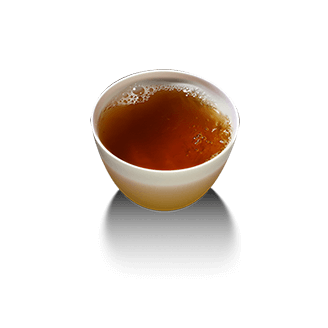
 Tea Liquor: Orange-yellow and translucent, with a faint delicate sheen on the surface.
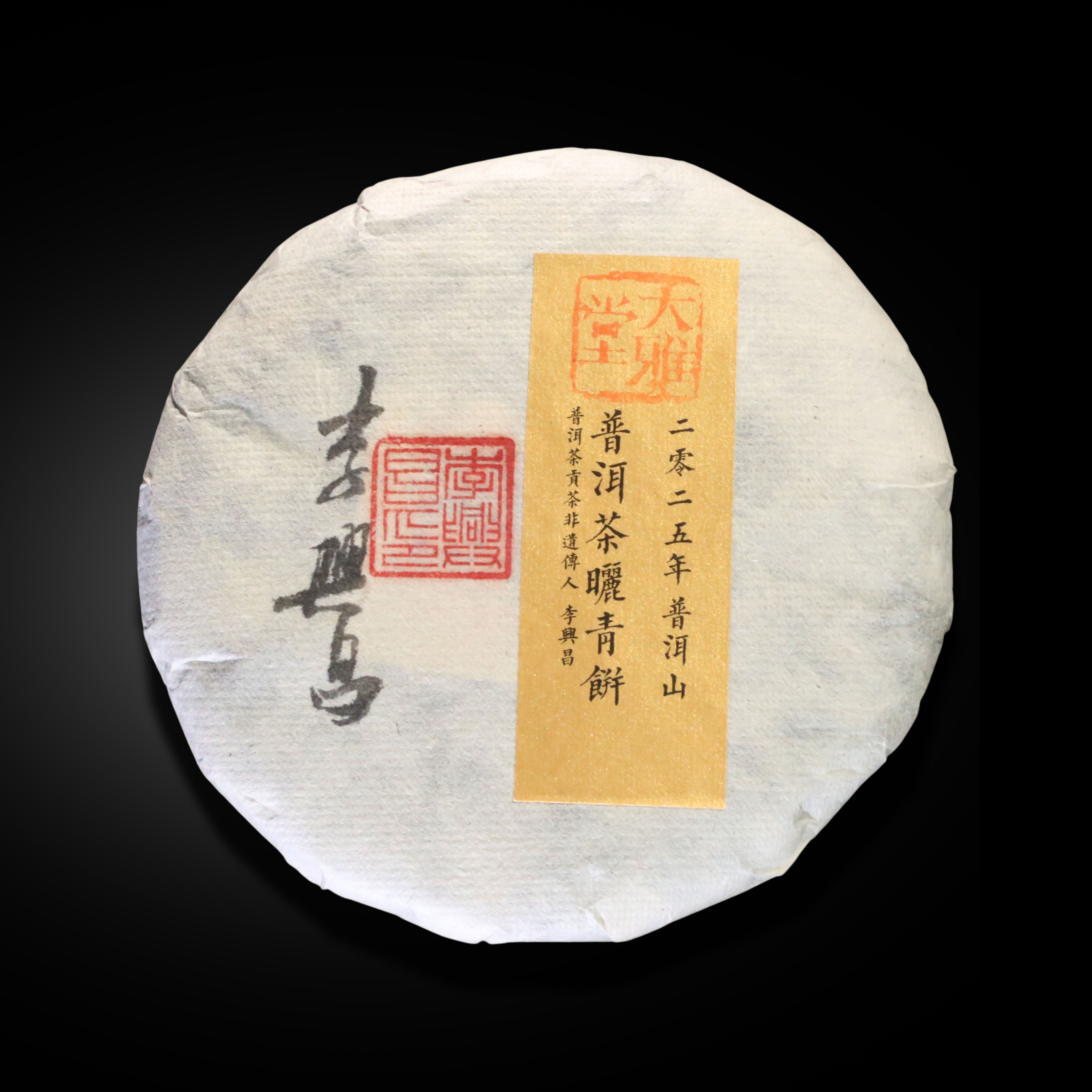
Year: First Spring 2025, Pressed on April 6th
Weight: 200g (Portable small cake shape)
Grade: Grade 1 (Selected high-quality raw materials with uniform and superior tender buds and leaves)
Origin: Core Producing Area of Puer Mountain, Puer City, Yunnan
Variety: Yunnan Population Variety (Sexually propagated offspring of large-leaf tea)
Supervisor: Li Xingchang, National-Level Intangible Cultural Heritage Inheritor
Craftsmanship: Traditional Sun-Dried Pu'er Tea (Natural withering + sun drying, low-temperature freshness locking at 40-50℃ to retain tea active enzymes)
Dry Tea Appearance: Uniform and regular, tightly twisted strips with subtle fine white hairs
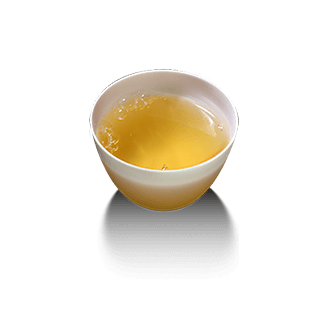
Tea Liquor: Orange-yellow and translucent, with a faint delicate sheen on the surface and long-lasting fragrance clinging to the cup wall
Aroma: Honey fragrance as the base, mixed with fresh fruit notes—layered, uplifting yet calm, with inherent mountain wild charm
Taste: Prominent freshness, sweet and non-astringent on the palate, rapid and long-lasting sweetness return, obvious saliva secretion, and a full, balanced liquor texture
Infused Leaves: Uniform and neat, presenting a tender yellowish-green color, soft and resilient texture, reflecting the high quality of the raw materials
 2025 Puer Mountain Pu'er Tea Dry Tea Appearance: Uniform and regular, with moderately tight strips and subtle fine white hairs.
Crafted with early spring 2025 raw materials and paired with the premium terroir of Puer Mountain, every step of the craftsmanship adheres to traditional standards. The genetic diversity of Yunnan Population Variety endows the tea with rich flavors, while the active substances retained by the sun-drying process lay the foundation for later transformation. The 200g small cake is pressed tightly yet breathable—suitable for savoring the unique taste of fresh honey fragrance and rapid sweetness return now, and also convenient for daily storage and aging.


Brewing
Royal Loong Tuan Tea "Golden Gourd Tribute Tea"
Craftmade by Li Xingchang,ICH inheritor
Preparation of Utensils
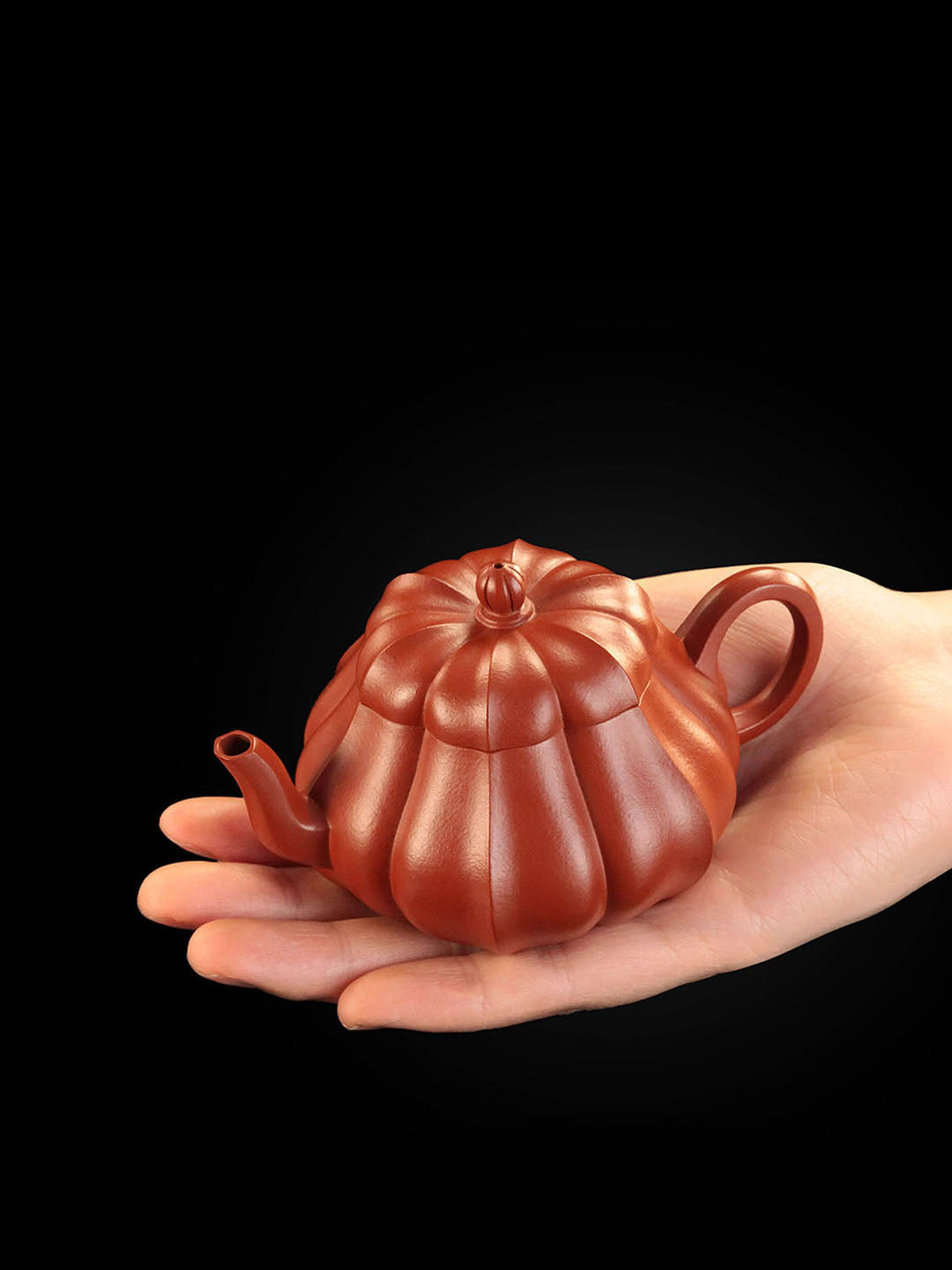
Main brewing vessels:Purple clay teapots with good air permeability (suitable for aged tea or teas needing aroma concentration) or open-mouthed covered bowls (easy to observe tea color and control infusion time, recommended for beginners).
Fair cup:Glass is preferred for easy observation of tea color.
Tasting cups:Small porcelain or pottery cups, good for aroma retention.
Auxiliary tools:Tea needle (for prying pressed tea), tea scoop, tea cloth, etc.
Tea Leaves and Water
Tea leaves:Loose tea can be used directly. Compressed tea (cakes, bricks, tuocha) needs to be pried loose in advance and "awakened" for 1-3 months (in a ventilated, light-proof, and odor-free environment).
Water:Qualified purified water is sufficient; never use alkaline mineral water.
(Commercially available mineral waters and mountain spring waters vary in water quality due to different sources; so-called "high-quality mineral water" will likely cause loss of functional components in tea and inhibit its aroma.)
Tea dosage:Use 5-8g of tea for a 100-150ml container (tea-to-water ratio of approximately 1:20; adjust strength to personal taste).
Steps
1.Warm and clean the utensils
Rinse all utensils with boiling water to raise their temperature, helping to release the tea's aroma.
2.Formal brewing
Infusions 1-3:
Pour boiling water from a height(When pouring, slightly lift the kettle to let the water flow hit the tea leaves and release the tea's aroma).
The infusion time is 5-10 seconds; drain the tea soup quickly to avoid excessive leaching of bitter and astringent substances. (For new tea with obvious bitterness, shorten the time to within 5 seconds; for aged tea, extend it to 10 seconds.)
Infusions 4-7:
Pour water at a medium height (gentle circular flow to keep tea evenly heated);
infusion time: 10-15 seconds. Adjust based on taste—if the tea fades, steep for an extra 5 seconds.
After infusion 8:
Pour water at a low height (close to the bottom of the pot/bowl to reduce impact);
gradually extend steeping time (add 5-10 seconds each time). Aged tea can be steeped for 1-2 minutes until the flavor fades.
Tasting
After pouring the tea into the fair cup, divide it evenly into tasting cups. Smell the aroma while it's hot (raw Pu'er often has floral, fruity, nectar-like, or wild mountain notes). Sip slowly to feel the bitterness, sweet aftertaste, salivation, and lingering throat sensation.
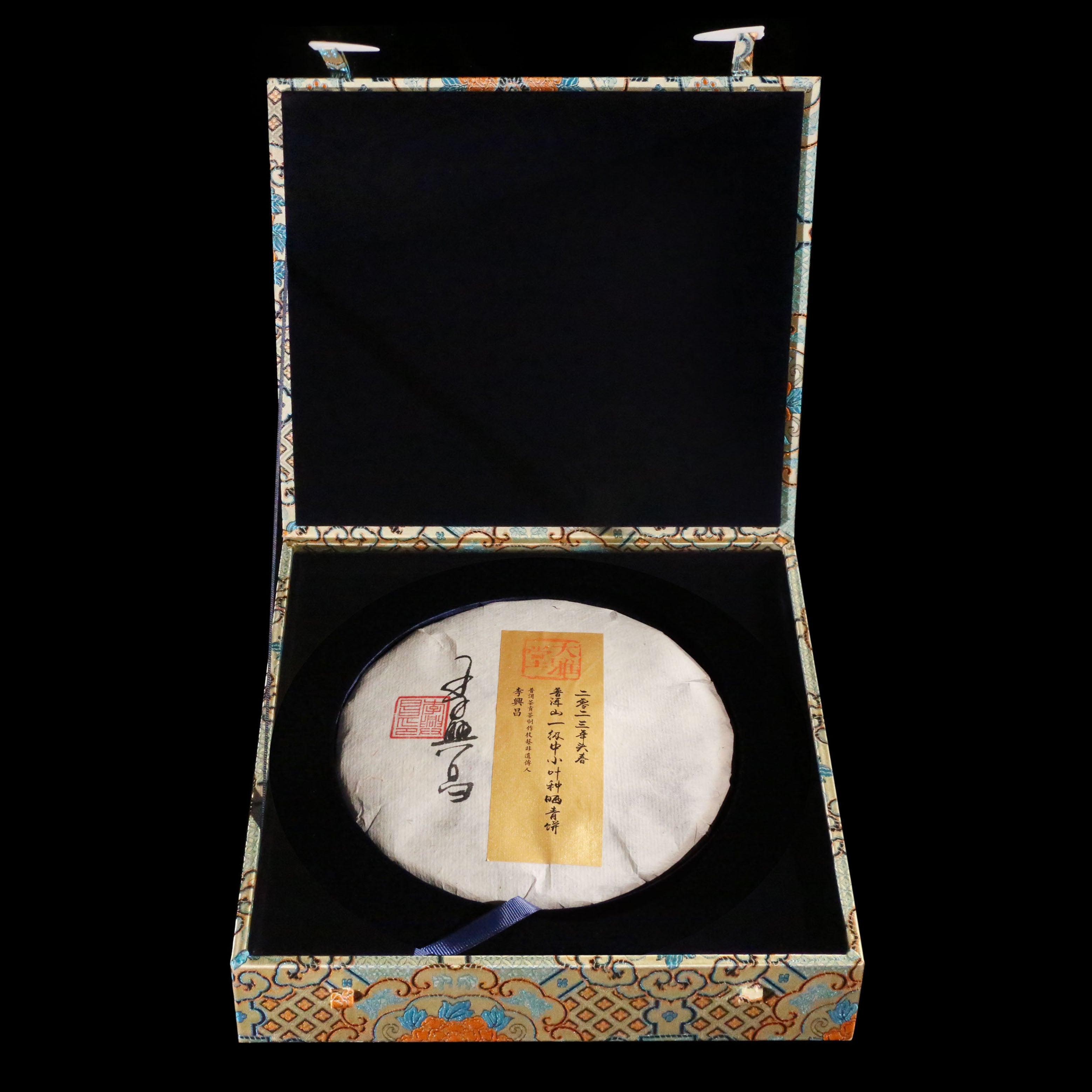
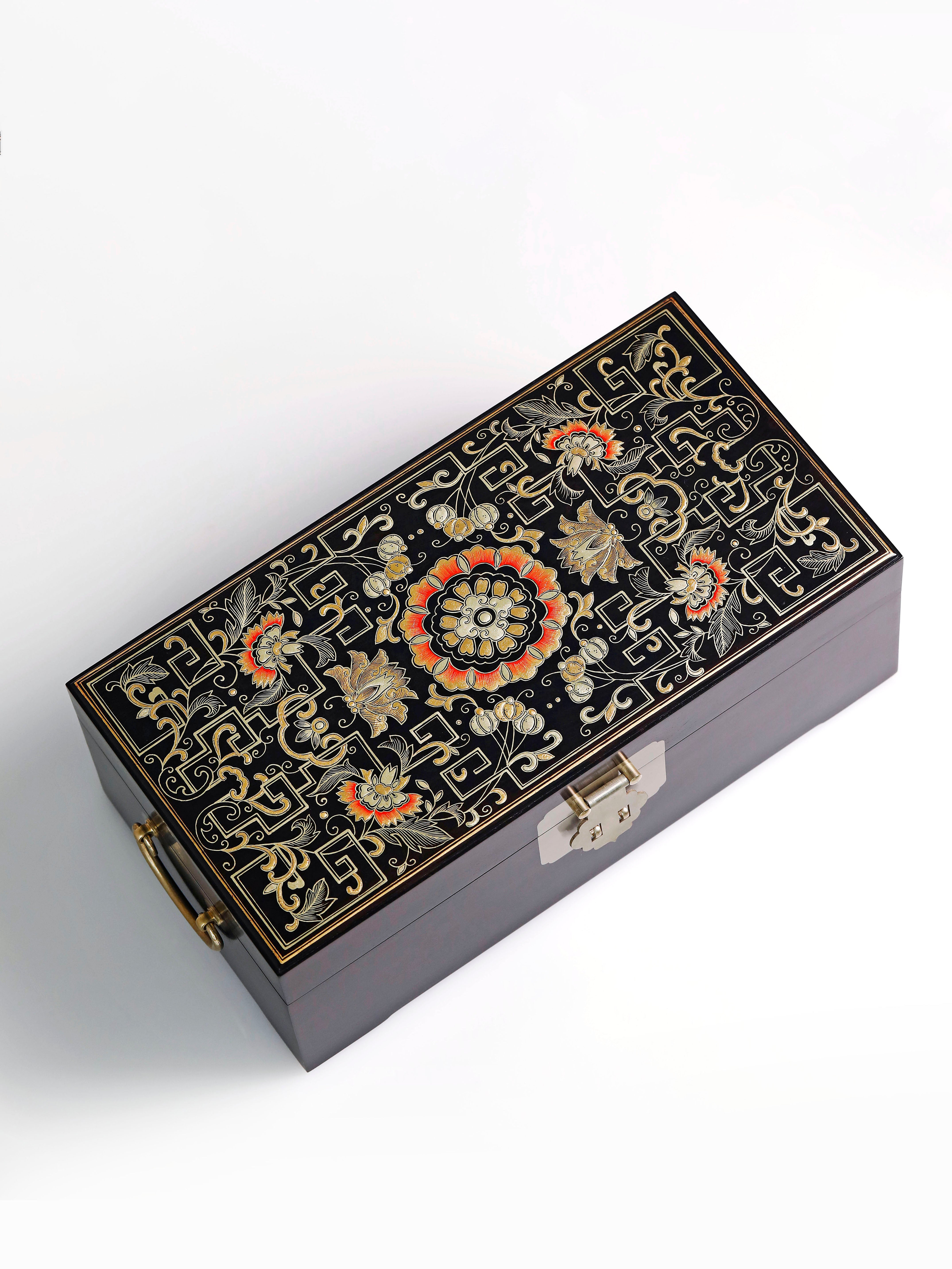
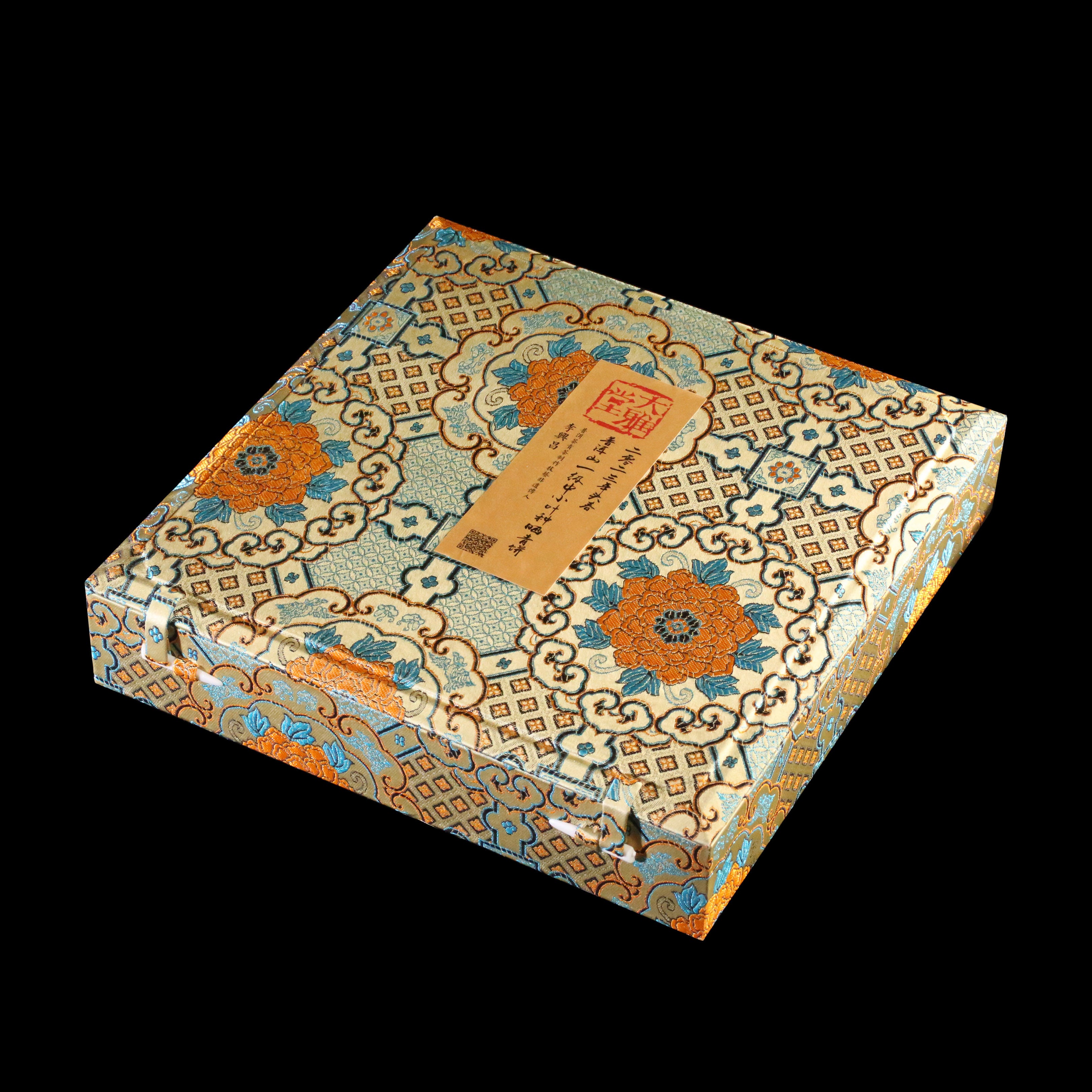
Wooden box packaging with inner sealed bags
Place in a clean, odorless environment,
Avoiding light and moisture.
Ideal humidity : 60%~70% (moisture protection is needed in southern regions)
Optimal temperature : 20~30℃, avoid drastic fluctuations (such as direct airflow from heating or air conditioning).
Ventilation and protection from light : Provide moderate ventilation (avoid complete sealing), while isolating from odors (e.g., cooking fumes, cosmetics).
Dark storage: Ultraviolet rays can damage the internal qualities of tea leaves; it is recommended to use a light-proof container or store in a dark place.
Clean and odorless
Keep away from odor sources such as kitchens and bathrooms to avoid absorbing miscellaneous smells.
storage container
1. Purple clay pot/pottery pot
It has good breathability and is suitable for long-term storage, but the humidity needs to be checked regularly (use with caution in the south).
Clean with boiling water and air dry before use to avoid residual moisture.
2. Cartons + Bamboo Shells/Cotton Paper
An economical and practical combination: Bamboo shells resist moisture and allow ventilation, cartons block light and are easy to stack.
It is recommended to store compressed tea cakes in their entirety (without removing the bamboo shoot husks) to minimize external interference.
3. Sealed Bags (Short-Term Use)
Only for short-term storage (within 1 year); long-term sealing hinders aging.
Choose food-grade aluminum foil bags, squeeze out air after filling with tea, and seal tightly.
Common Misconceptions
Refrigeration is incorrect: Low temperatures inhibit fermentation, and tea easily absorbs odors from the refrigerator.
Complete sealing is incorrect: Puer tea requires trace oxygen for transformation; vacuum packaging is unsuitable.
Folk claims, “New Puer is bitter and intense; "requiring 3 years of sealed storage to reduce its pungent flavor " only applies to teas from poor ecological environments.
For Pu’er made from top-grade materials like thousand-year-old ancient trees or Bingdao old village tea, the new tea stage is precisely the starting point of its flavor peak.
Take such ancient tree spring tea: It boasts rich wild floral aromas, fresh liquor, prominent rock sugar sweetness, and layered depth, fully embodying the essence of primitive ecology. Its charm lies in the unpolished vitality of the new tea phase.
Practice shows that after 5 years of storage, it shifts to a “classic aging trajectory” and loses its uniqueness.
For fine tea, drink it when new — savor its annual transformations.
Allow moderate air exposure in the first 3 years of storage to preserve the new tea’s ecological essence.
5-10 years: The tea’s nature mellowss; woody and aged aromas emerge.
Over 15 years: The liquor turns rich reddish-brown; the taste becomes mellow and full.
The storage philosophy of top-grade ancient tree tea is, at its core, reverence and preservation of primitive ecology.