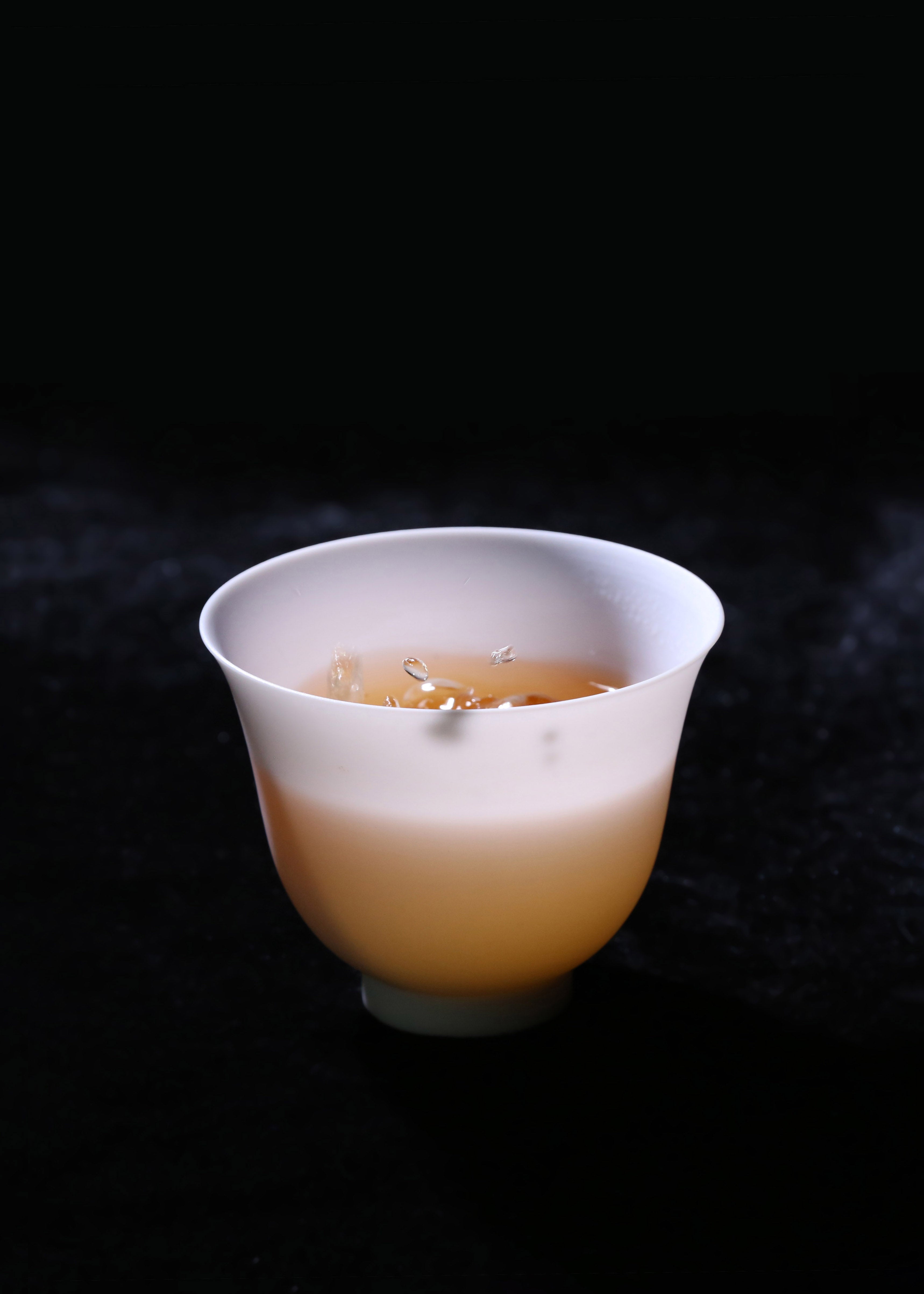
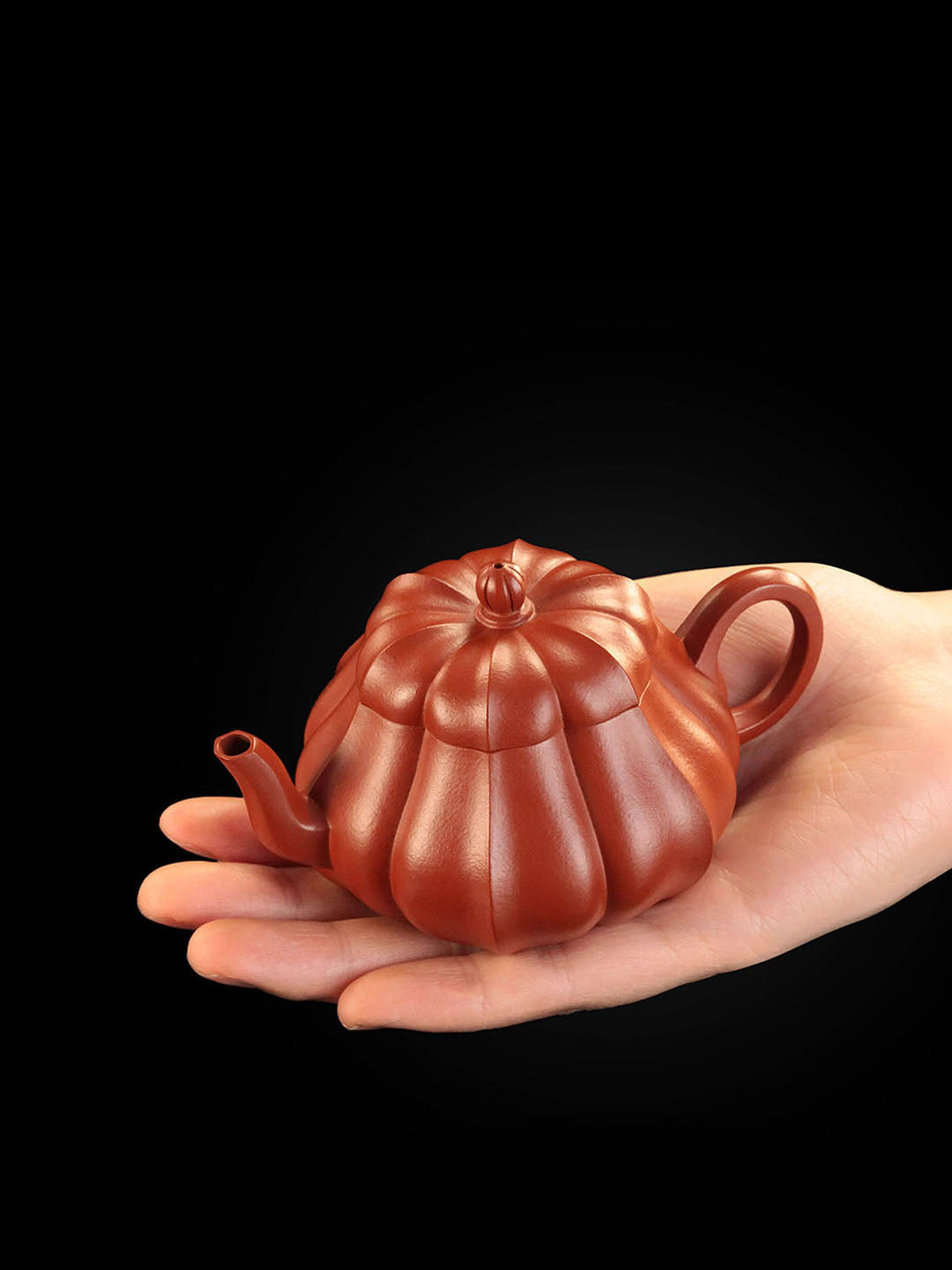
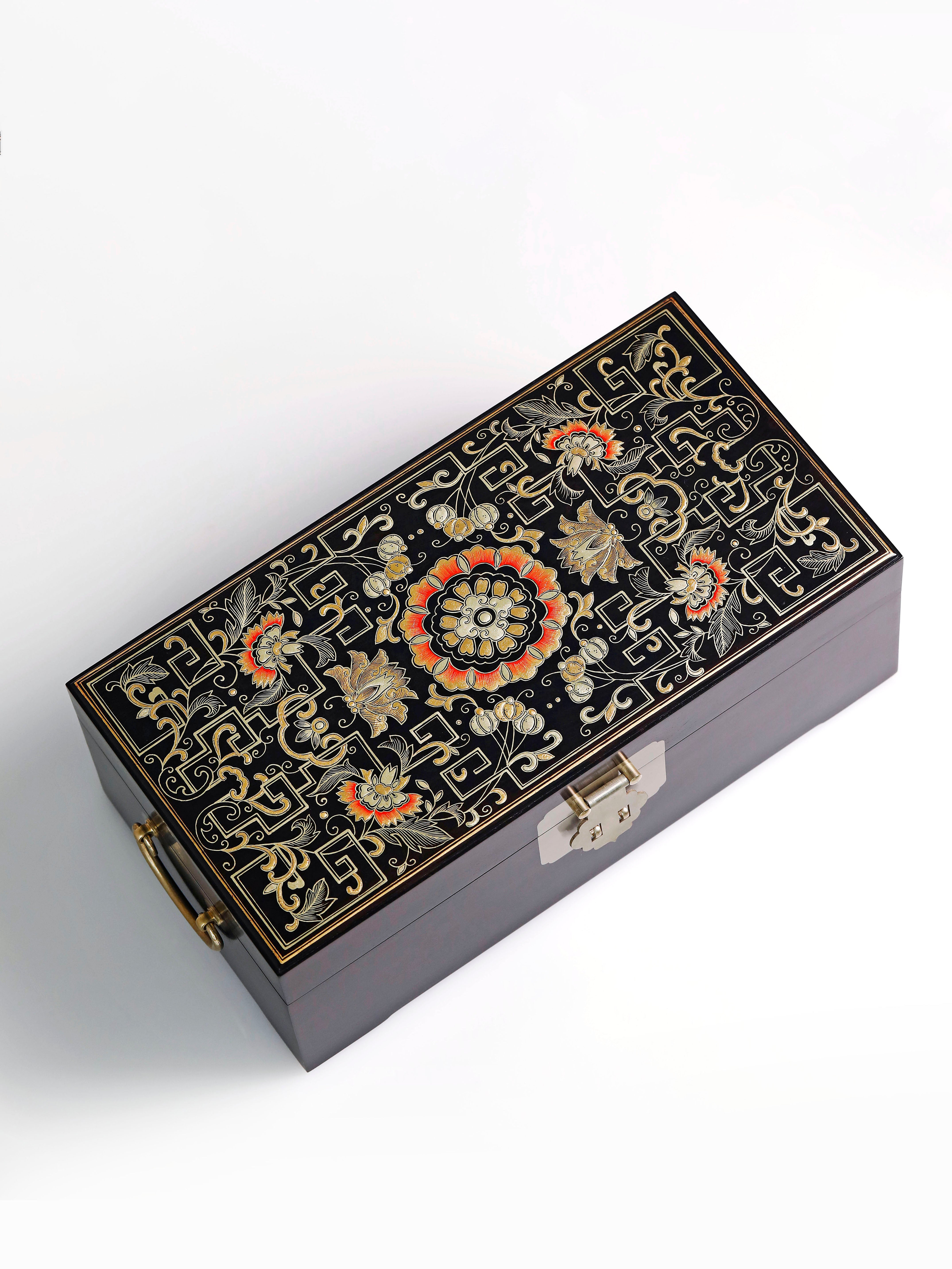
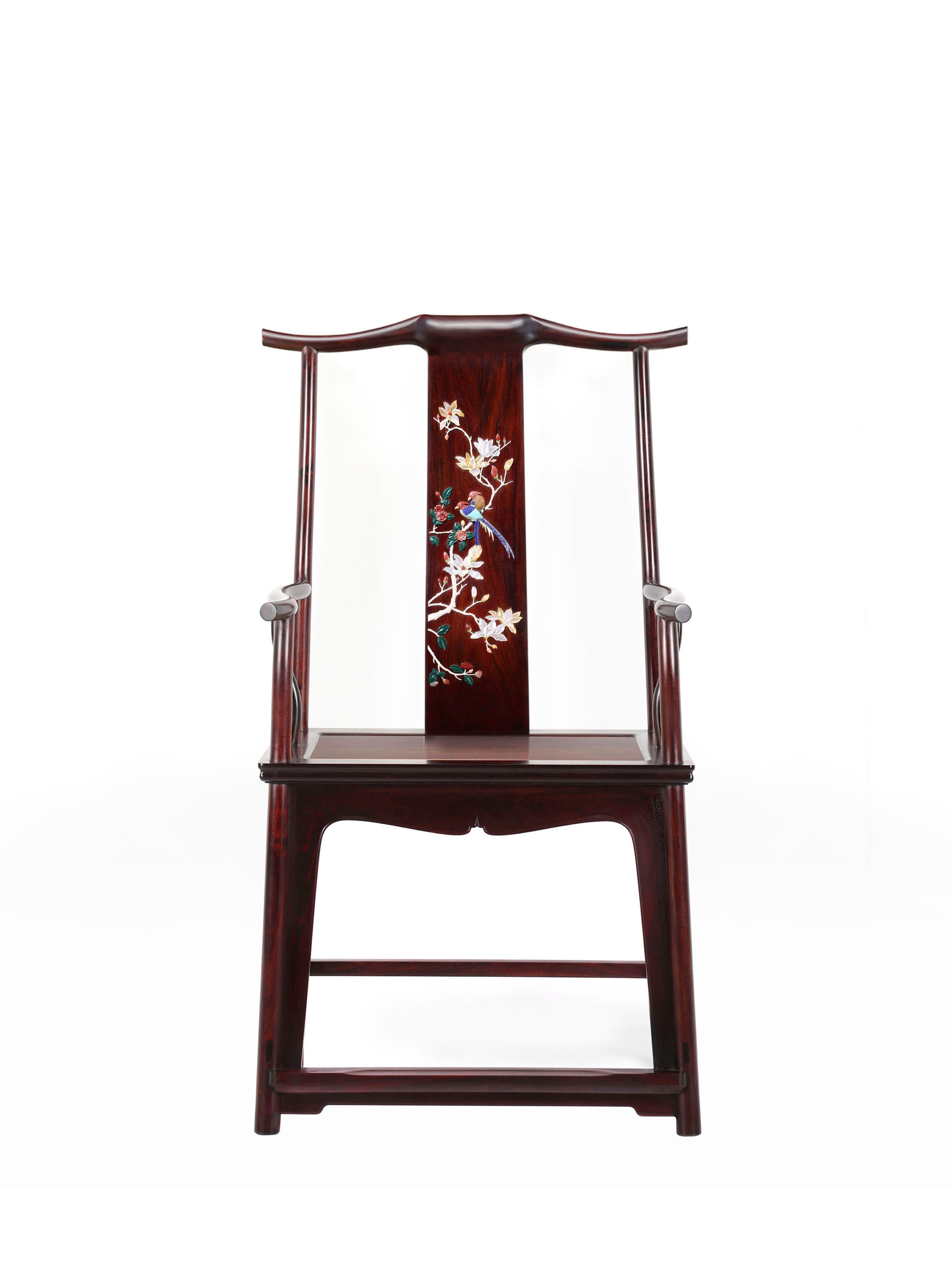
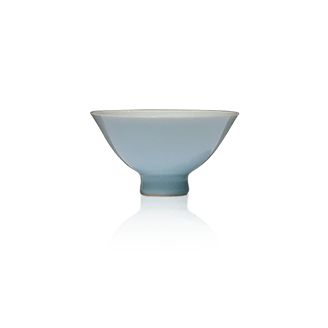
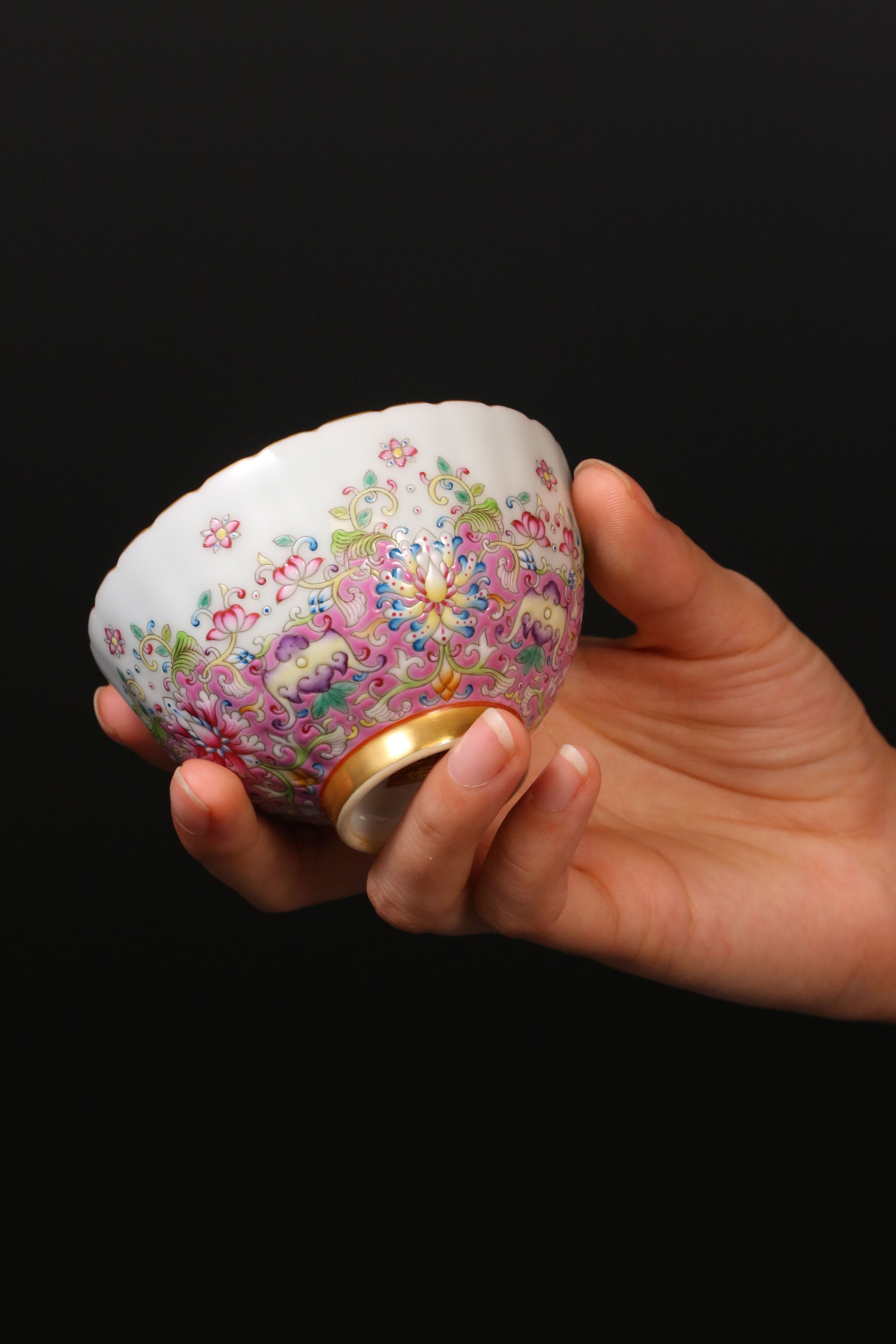
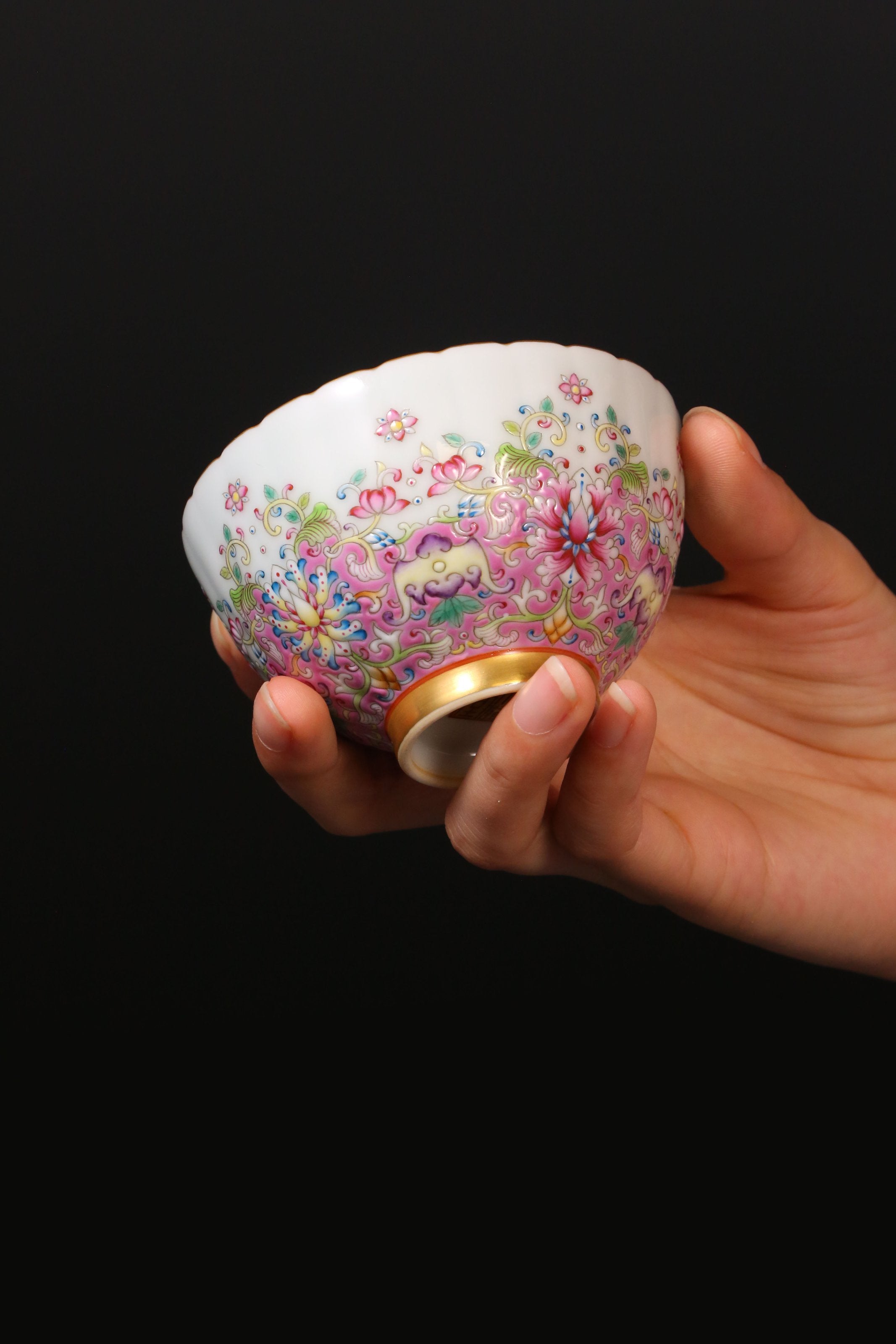
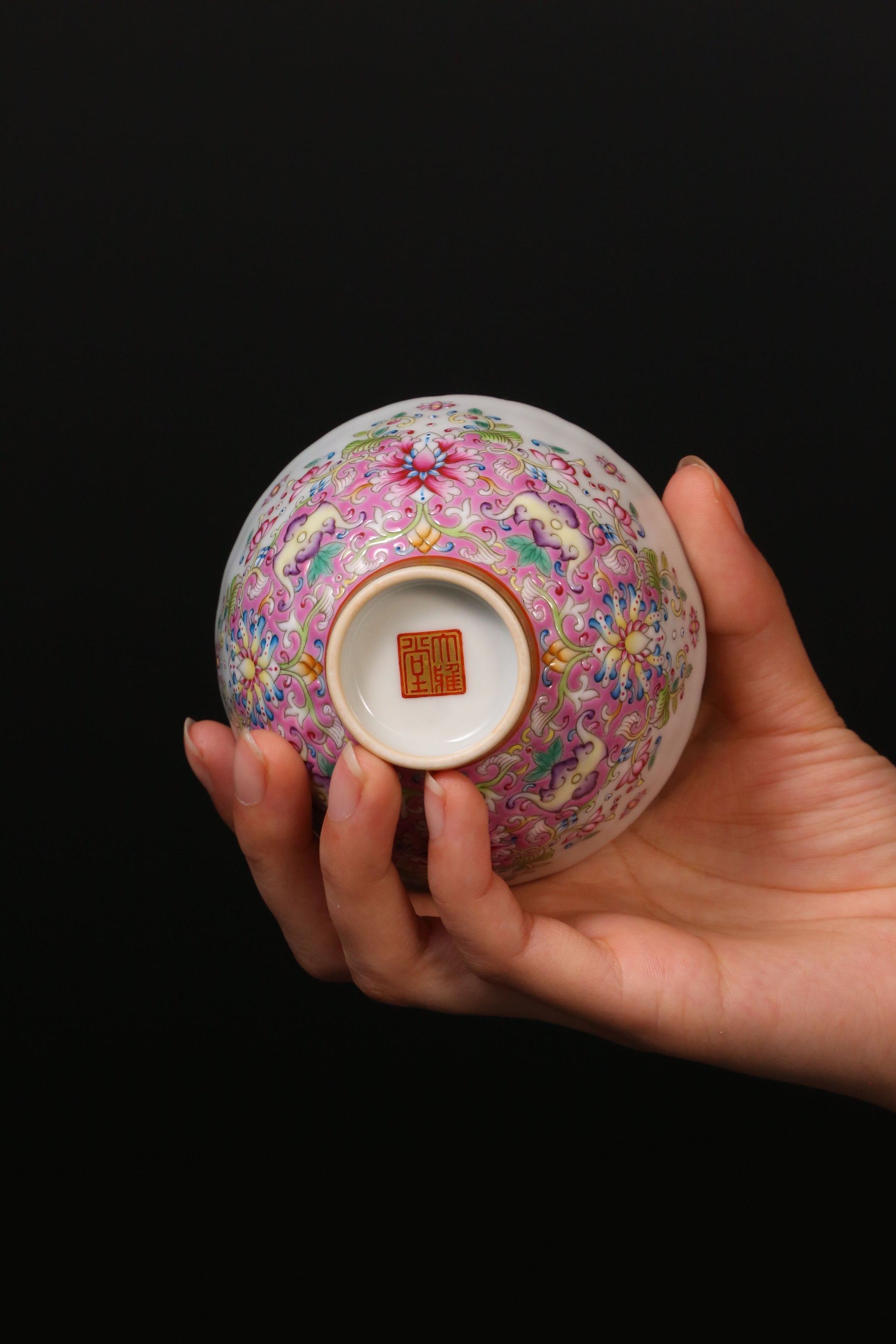
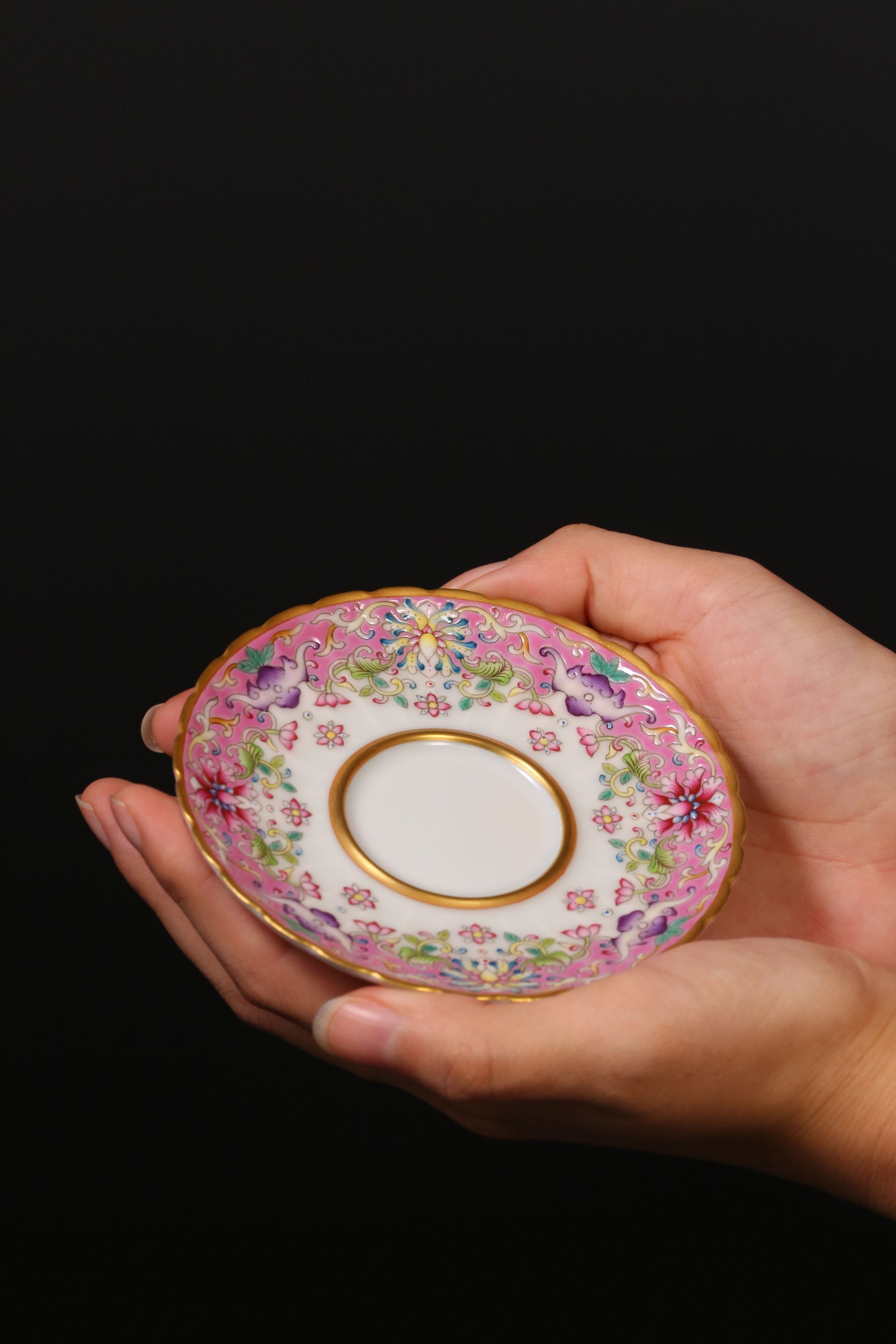
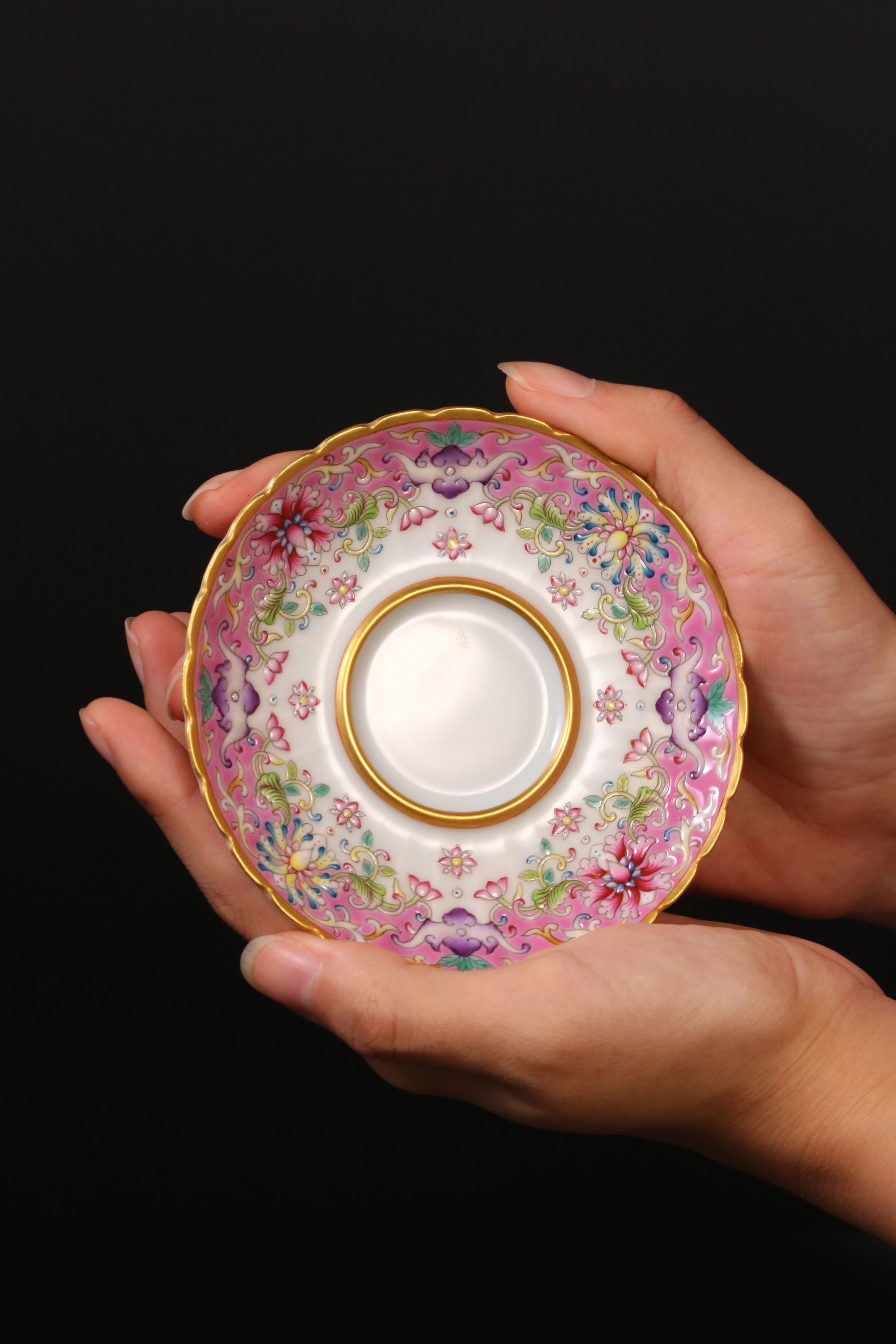
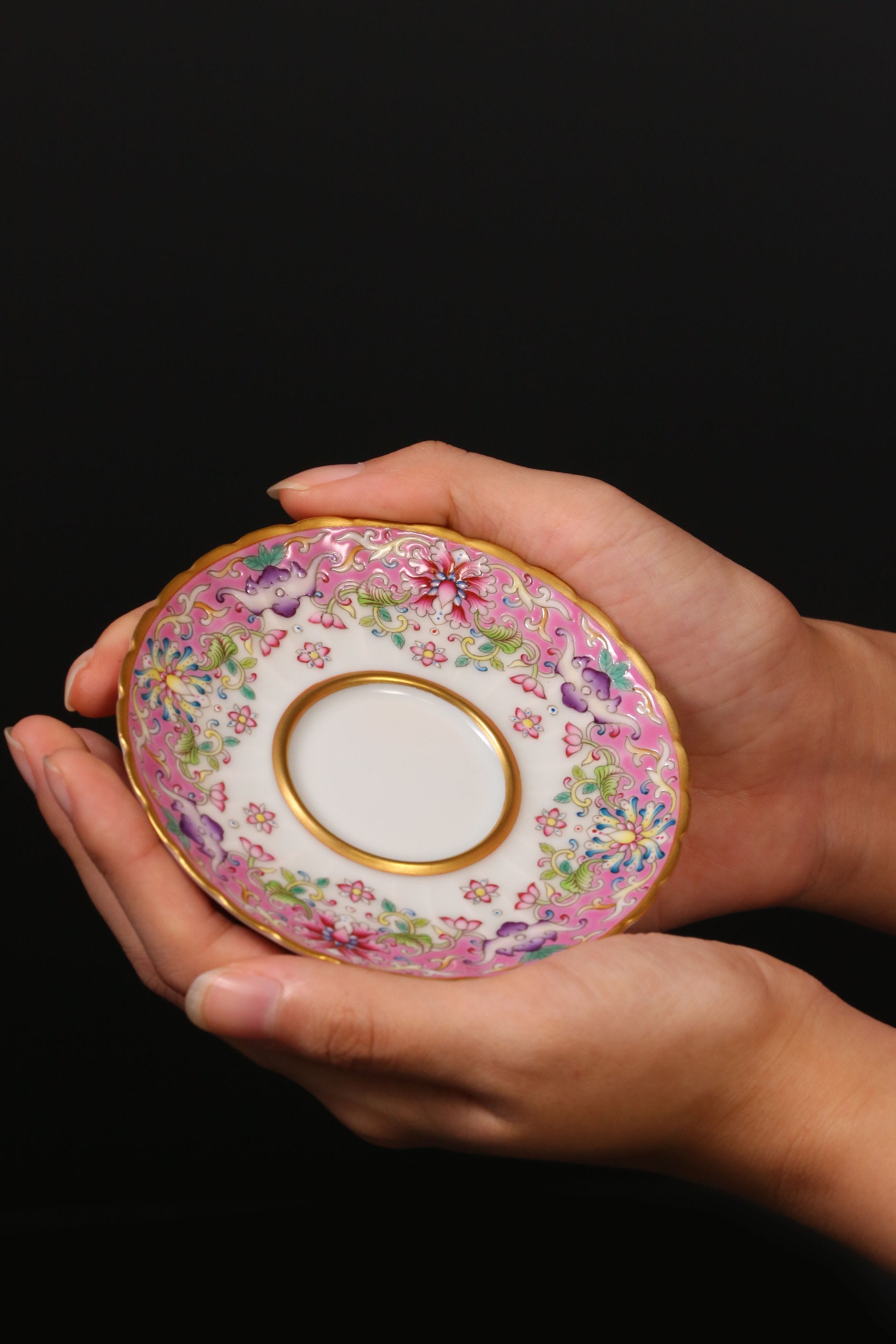
Scrolling Lotus Auspicious Fortune Chrysanthemum-Petal Rim Cup,
This cup is collaboratively crafted by Mr. Xu Zhijun, inheritor of the intangible cultural heritage of Qing Dynasty imperial kiln famille rose hand-painted porcelain craftsmanship of Jingdezhen, Master Zhang Jian, master of overglaze decoration and piled gold technique, and several other renowned artisans. The porcelain painting features lines as fine as hair, of extraordinary delicacy.
Chrysanthemum-Petal Rim
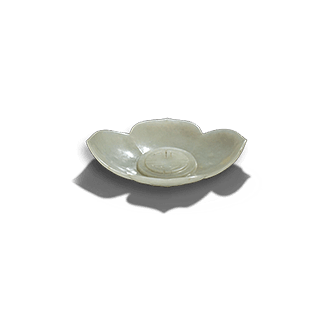
It is a classic rim style of porcelain wares, named for its shape resembling chrysanthemum petals.
The earliest example is the celadon chrysanthemum-petal bowl from the Yue Kiln of the Tang Dynasty. Chrysanthemum-petal plates were also produced in the Ge Kiln of the Song Dynasty, and the style was continuously made in later dynasties.
Bat Auspicious Pattern
Bats are regarded as auspicious omens reflecting divine will in Confucianism, along with colorful clouds, favorable weather, double-eared crops, sweet springs emerging from the earth, and the appearance of rare birds and exotic animals.
Scrolling Baoxiang Flowers
The term “baoxiang” originated from Buddhism as an honorific title for the Buddha among Buddhist believers.
Baoxiang flower is an ideal floral form that represents purity, dignity and grace.
It does not refer to a single kind of flower, but an artistically refined pattern that integrates elements from various flowers such as lotus, peony and pomegranate.
Combined with scrolling branches, it forms the
scrolling baoxiang flower pattern.
The baoxiang flower motif originated and flourished in the Tang Dynasty, inheriting the Tang aesthetic of fullness and the characteristics of national art and culture.
The pattern is magnificent and elegant, deeply favored by people, and exerted a profound influence on decorative patterns in the Song, Yuan, Ming and Qing dynasties, and has been used ever since.
Enamel Porcelain
Beyond its elaborate and exquisite painting, the Guyuexuan Palace Lantern teapot requires four separate kiln firings to complete, with the risk of damage in each firing.
In the Qing Dynasty, enamel porcelain was originally an artwork made exclusively for the appreciation of emperors and empresses.
Enamel is a special colored pigment produced by artificial firing.
Before the 6th year of the Yongzheng reign (1728), enamel materials had to be imported from Europe.
After that year, the
Imperial Workshop of the Qing Court successfully developed more than 20 kinds of enamel pigments on its own.
Enamel porcelain represents the pinnacle of ancient Chinese polychrome porcelain craftsmanship.