


Foshou Zen Tea
Foshou Zen Tea

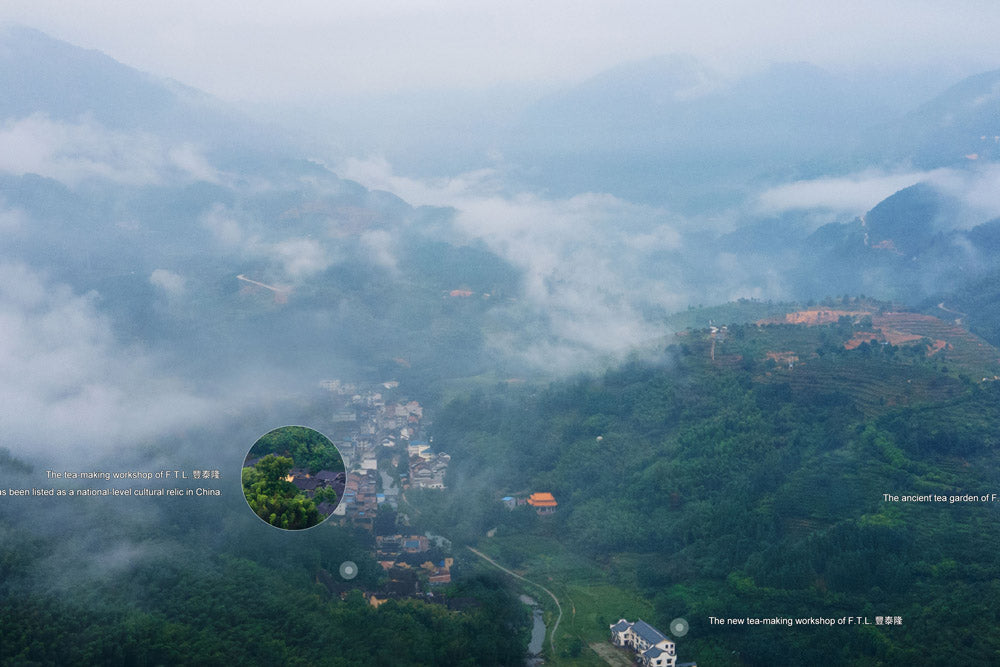
This is Yongchun County, Fujian, China. The people of Yongchun deeply venerate their local deities. Here, local faith has syncretized with Buddhism and Taoism, endowing this land with a unique spiritual ethos.
People of faith naturally develop an inner strength of peace and steadfastness. This has fostered a prevailing tradition of martial arts among the populace, leading to the widespread renown of Yongchun White Crane Fist.
And from this fertile ground of diverse culture, a unique Zen Tea culture was also nurtured.

Shifengyan Ancient Temple is the birthplace of Yongchun Foshou Tea. During the Kangxi reign of the Qing Dynasty, monks at the temple first crafted this tea. Its leaves are notably as large as a human palm and possess a unique, distinctive "Foshou Yun" (Buddha's Hand Charm).

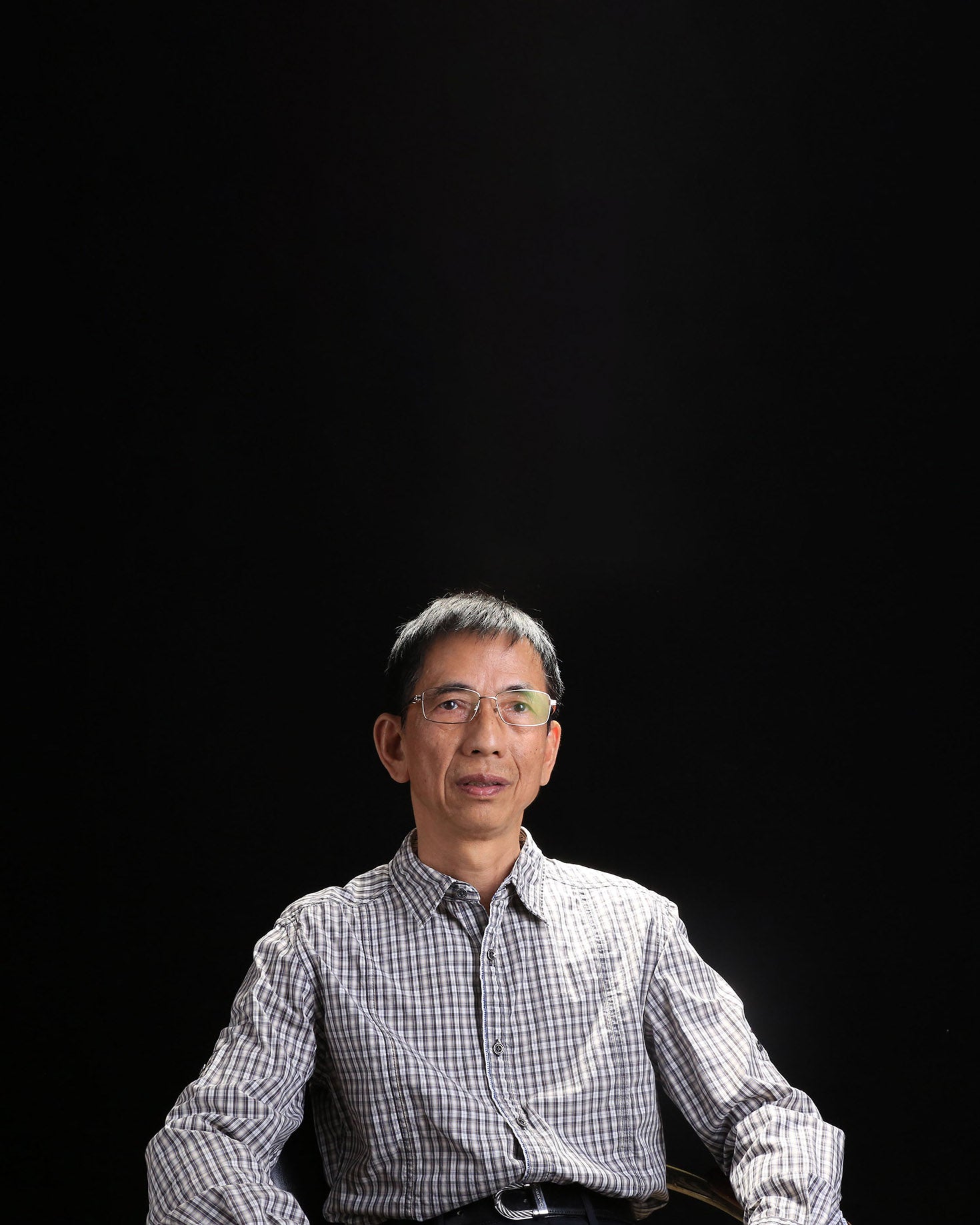
Zheng Qingchi, the contemporary "Tea King" of Yongchun Foshou Zen Tea, offers a more profound interpretation: The tea must not only possess the inherent aroma of its cultivar, but must also integrate the fragrance of Citron (香橼), and embody the subtle rhyme of the changing seasons.

His father, Zheng Yongzhen, was lauded by Zhang Tianfu, the doyen of the tea world, as the "Tea King of Tea Kings."
Inheriting this family legacy, the Foshou Zen Tea that Zheng Qingchi personally crafts still retains a persistent, lingering fragrance even after seven infusions.
This tea is not only beloved by domestic scholars but has also earned high praise from Abdullah Badawi, the Prime Minister of Malaysia.
After tasting Yongchun Foshou Tea in Malaysia, the renowned tea expert Guo Yaling could not help but exclaim, "All of your best tea has ended up abroad!"

Amid the White Cloud Monasteries of Yongchun, the fragrance of tea curls endlessly.
Foshou Zen Tea,
Zen and tea have been inseparable for thousands of years.
Practicing Zen seeks enlightenment and liberation amid samsara.
Tasting tea brings a sense of peace and ease in the moment of sudden enlightenment—tranquility, purity and harmony.
The tea's mellow charm lingers on, while the wisdom of Zen is profound and timeless.
 Zhang Tianfu, the doyen of the tea world, once went to great lengths just to obtain a single brew of this supreme-grade Foshou tea! He held a unique fondness for it, praising the tea made by [Zheng Qingchi's] father, the "Tea King" Zheng Yongzhen, as the "Tea King of Tea Kings."
 The Foshou Zen Tea crafted by Zheng Qingchi from the "Tea King" Legacy Family has been praised by leaders.
 Malaysian Prime Minister Abdullah Badawi Praised the Foshou Zen Tea Personally Crafted by Zheng Qingchi.
 Guo Yaling, a renowned tea expert and Deputy Director of the Tea Research Institute, exclaimed after drinking Yongchun Foshou Tea in Malaysia, "All of your best tea has ended up abroad!"
Zheng Qingchi inherited his father Zheng Yongzhen's tea-making skills. His father was hailed as the "Tea King" and praised by Zhang Tianfu as "the tea king among tea kings." In 1995, the father and son jointly produced Foshou Zen Tea, which won a gold medal at the China Agricultural Expo. In 2015, their Zen Tea won a gold medal for Oolong Tea at the Milan Expo.
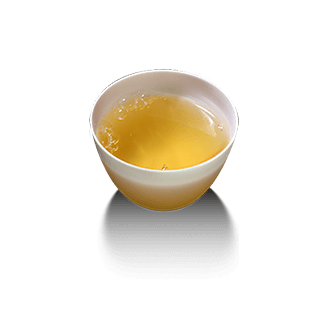
The tea grows in the misty mountainous area of Yongchun, at an altitude of 600-900 meters. The soil is rich in minerals, and the spring water is clear and suitable for brewing. The tea is made according to the ancient method of "making tea by observing the leaves," with precise time control, preserving the aroma of bergamot and the sweetness of snow pear. When tasted, the tea soup is golden yellow, with an orchid-like fragrance, and one can taste "tea and Zen as one."
Zheng's tea workshops once broke auction records for oolong tea, becoming a "symbol of nostalgia" for overseas Chinese. The art of making Foshou tea has been listed as an intangible cultural heritage, with ancient trees and inscriptions bearing witness to its history. This tea connects the past and present, carrying on cultural traditions, and is a representative of Chinese tea culture.
Dry tea leaves: tightly rolled, sandy green and oily, with a fragrance of citrus and orchid.
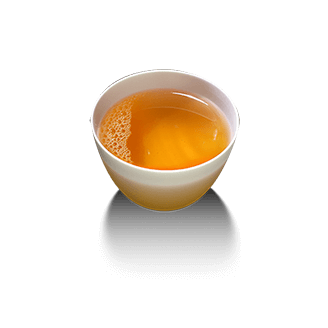
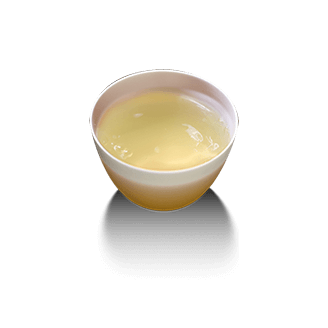
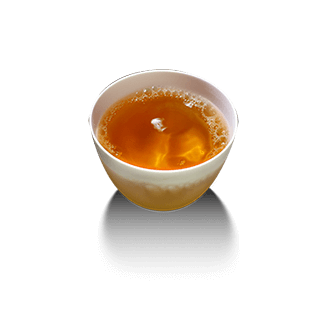
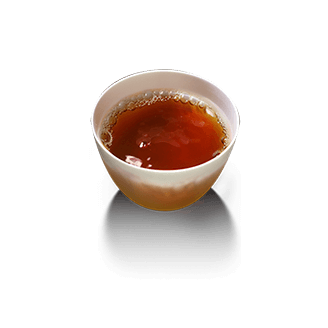
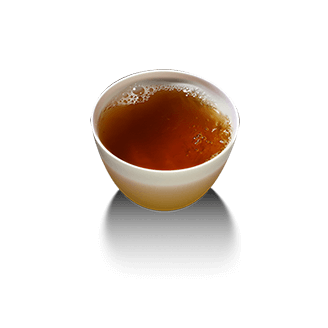
Tea liquor: Golden and bright; when hot, it has a fruity aroma; when warm, it has an orchid aroma; when cold, it has a lingering fragrance; when it enters the mouth, it is mellow and refreshing, turning sweet and sweet, with a long-lasting aftertaste; it can be infused more than seven times, with each infusion having a different flavor.
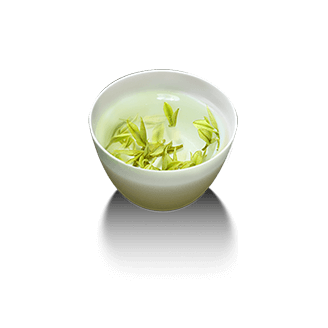
Leaves at the base: plump, soft, and uniform, with green leaves and red edges, showing exquisite craftsmanship.

Foshou Zen Tea, Handcrafted by Zheng Qingchi of the "Tea King" Legacy Family
Brewing
1. Utensils
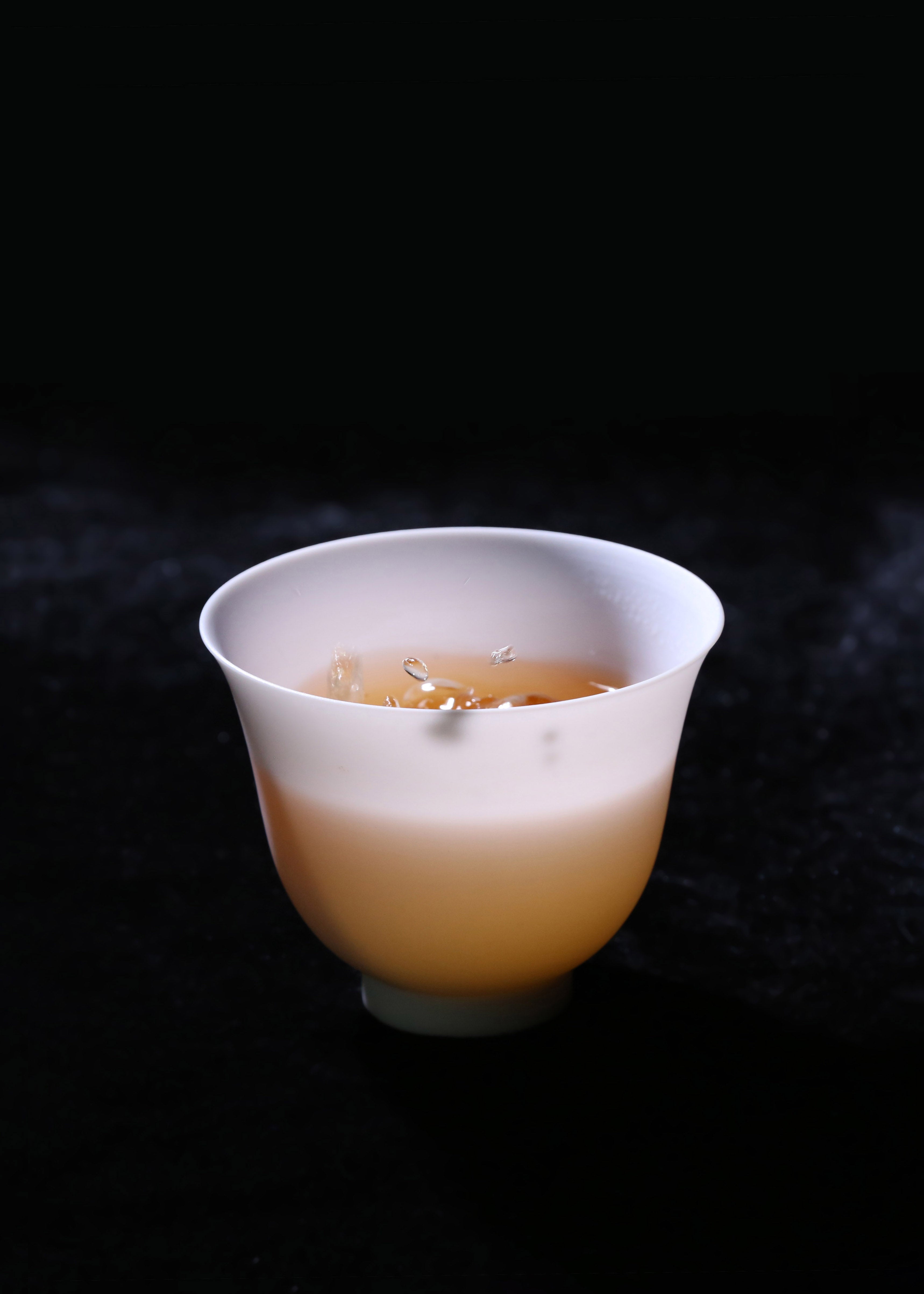
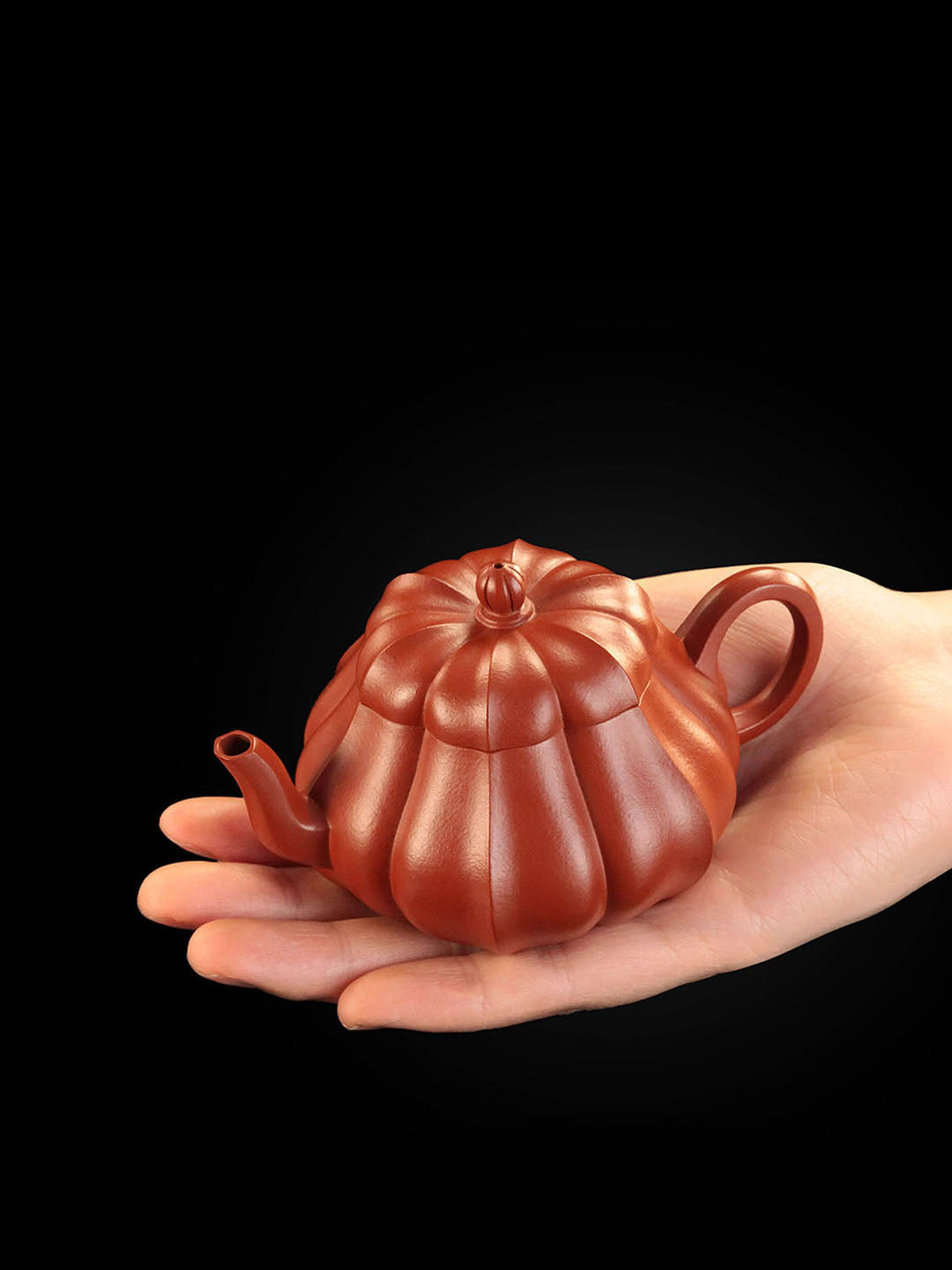
White porcelain gaiwans or small purple clay teapots are highly recommended, as they help bring out the aroma of the tea and make it easy to observe the color of the tea soup.
2. Water temperature and tea addition
Water temperature: 100℃ boiling water, high pour to release the rich fruity aroma.
Tea quantity: 7-8g for gaiwan (1:15 ratio), 1-2g more for Yixing teapot.
3. Serving time
Warm the cups and saucers, then add dry tea leaves. You can smell the aroma of roasting and the sweet fragrance of dried fruit.
It is ready to drink instantly, with a prominent fruity aroma when hot, a mellow taste when warm, and a refreshing sweetness with a hint of orchid.
The first 3 infusions: steep within 5 seconds (reduce dryness and preserve sweetness). The soup is golden and clear.
4-8 infusions: Each infusion should be steeped for 5-10 seconds (for a better blend of the aroma of smoky wood and orchid).
For each subsequent infusion, extend the steeping time, allowing for more than seven infusions to savor the evolving flavors of each.
4. Techniques
Pour boiling water from a high position (15cm) to release the aroma, then pour from a low position (close to the rim of the cup) to preserve the aroma.
If the smoky flavor is too strong, you can open the lid and let it cool for 30 seconds after the second infusion to remove the dryness.
Quietly appreciate the layers of tea soup, from fresh and invigorating to mellow and sweet, and experience the state of "tea and Zen as one".
Packaging
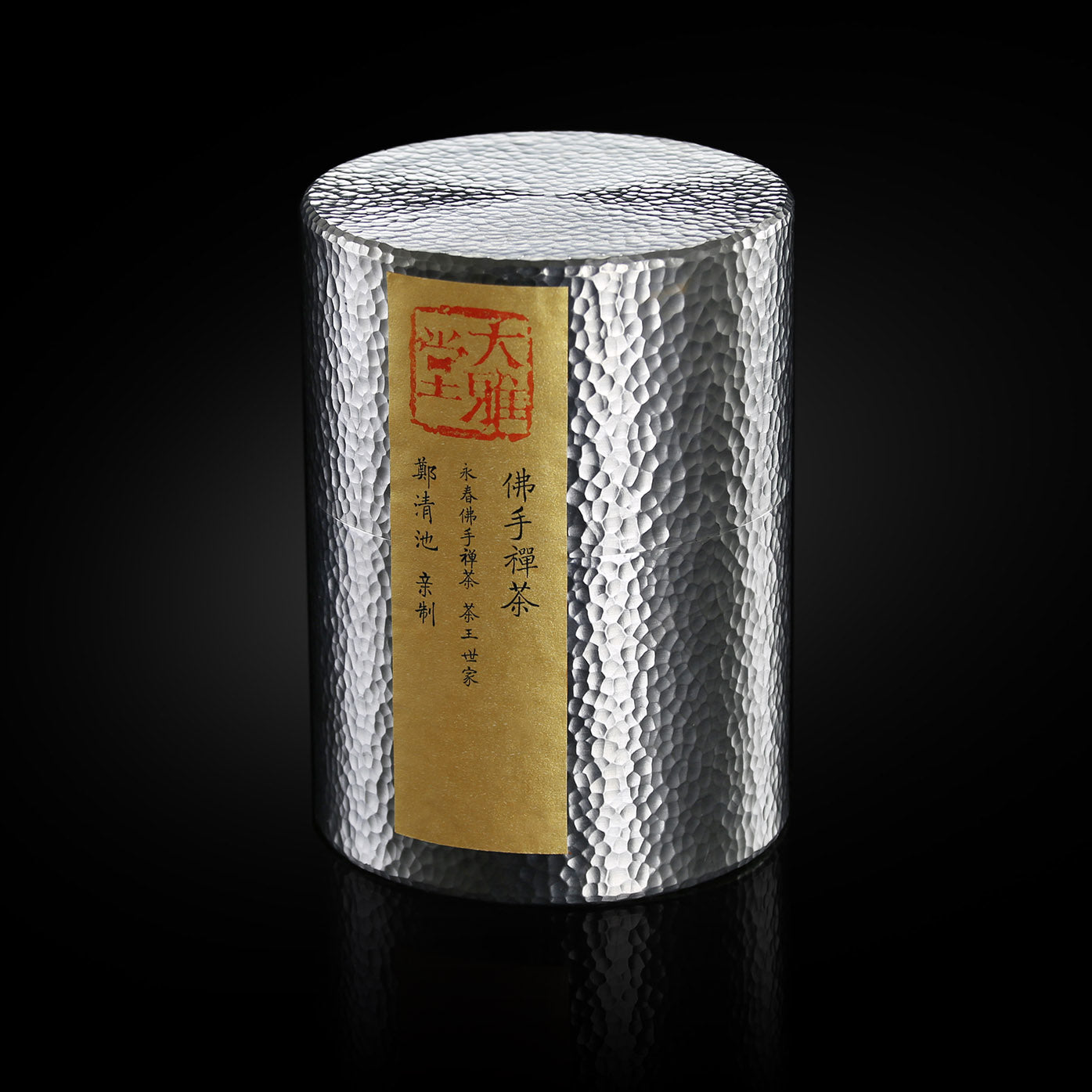
Pure Tin Can Handcrafted by Sheng Yiyuan, Intangible Cultural Heritage Inheritor of Yongkang Tin Carving
Height: 15cm | Diameter: 11cm | Net Weight: 200g
The can body is shaped through thousands of manual hammer strikes, boasting a delicate and warm texture. Each hammer mark, varying in depth, is a unique imprint—not a repetition, but a vivid testament to the warmth of handcraft, embodying the profound connotation of intangible cultural heritage craftsmanship. The inner wall is finely polished using precision CNC technology, ensuring a smooth touch without roughness. Relying on high-precision craftsmanship, the lid achieves an airtight seal, integrating the warmth of handcraft with the accuracy of modern technology. It preserves ancient charm while maintaining practicality.


Sheng Yiyuan, the ICH Inheritor of Yongkang Pewter Craft
Height 15cm, Diameter 11cm, Net Weight 200g
Foshou Zen Tea,Handcrafted by Zheng Qingchi, a member of "Tea King" Legacy Family
Moisture-proof and fragrance-protecting![]()
Sealing : After each use of tea, be sure to seal the packaging tightly to prevent moisture and odors.
Keep away from light : Store in an opaque container, away from sunlight and strong light sources.
Moisture protection : Store in a dry, cool place. Do not place in damp environments such as kitchens or bathrooms.
Prevent odors : Keep away from strong-smelling items such as fragrances and cleaning agents.
Keep away from high temperatures : (temperature ≤ -5℃) is best. Avoid proximity to heat sources such as radiators and stoves.
This tea can be stored in sealed tin cans, clay pots, or aluminum foil bags. Glass jars (unless stored away from light) or wooden containers are not recommended. Under proper conditions, this tea can be stored for a long time, and its flavor will gradually become more mellow over time, but to fully appreciate its aroma... Long-term storage is not recommended.