


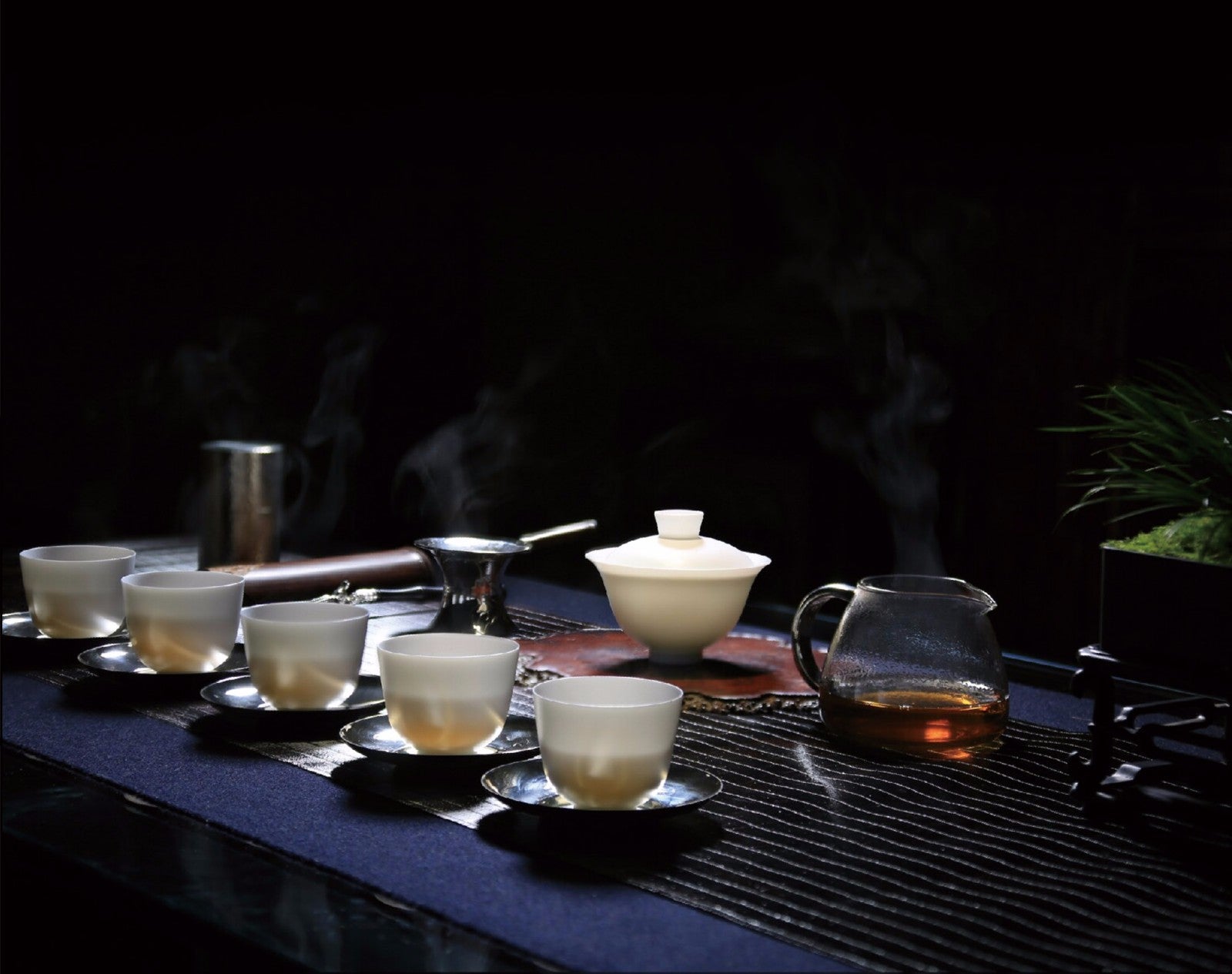
Dayazhai Plain Porcelain Lidded Bowl / Cup
Dayazhai Plain Porcelain Lidded Bowl / Cup
During the Song Dynasty, there was no pure tea infusion, nor was there a gaiwan.
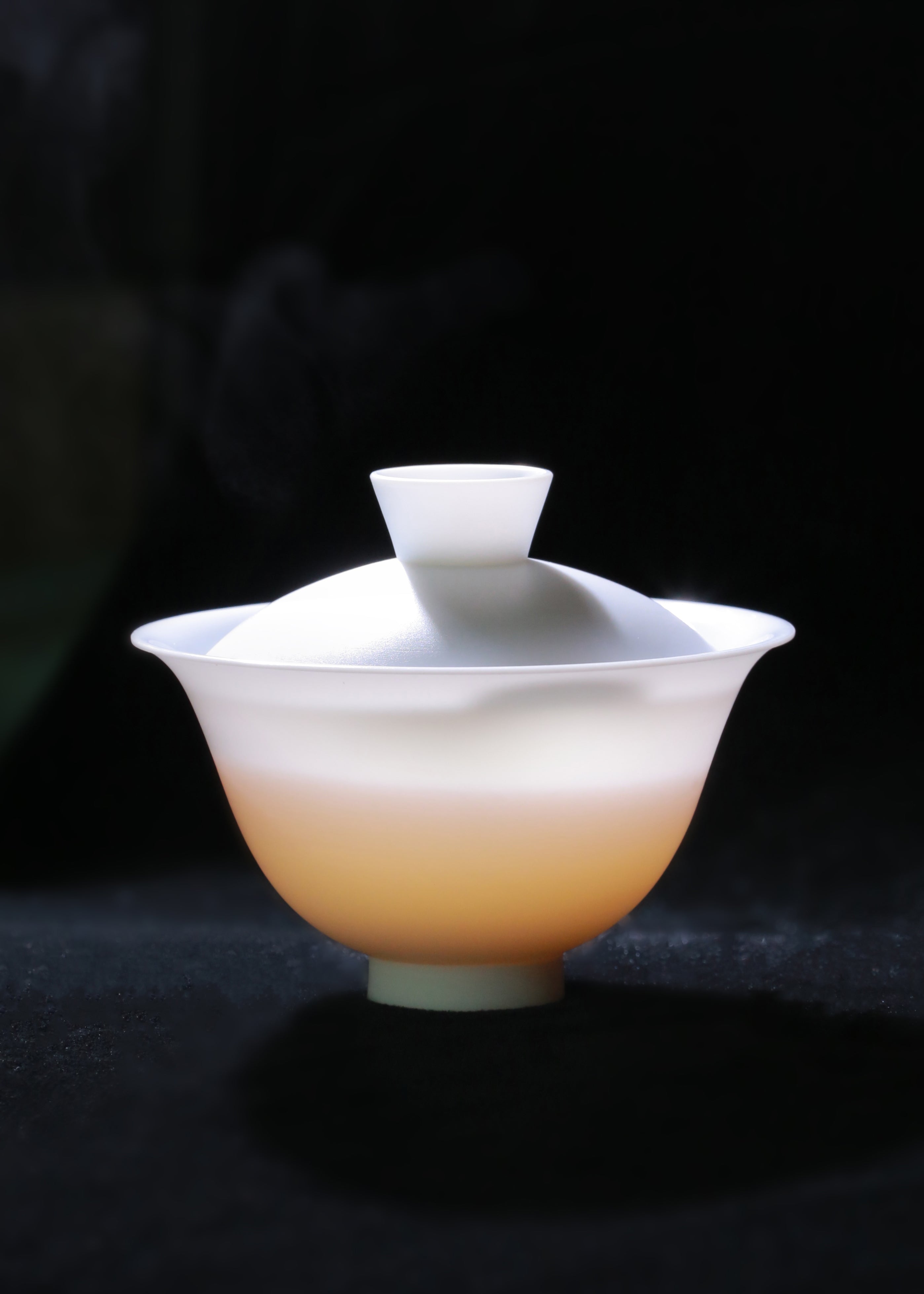
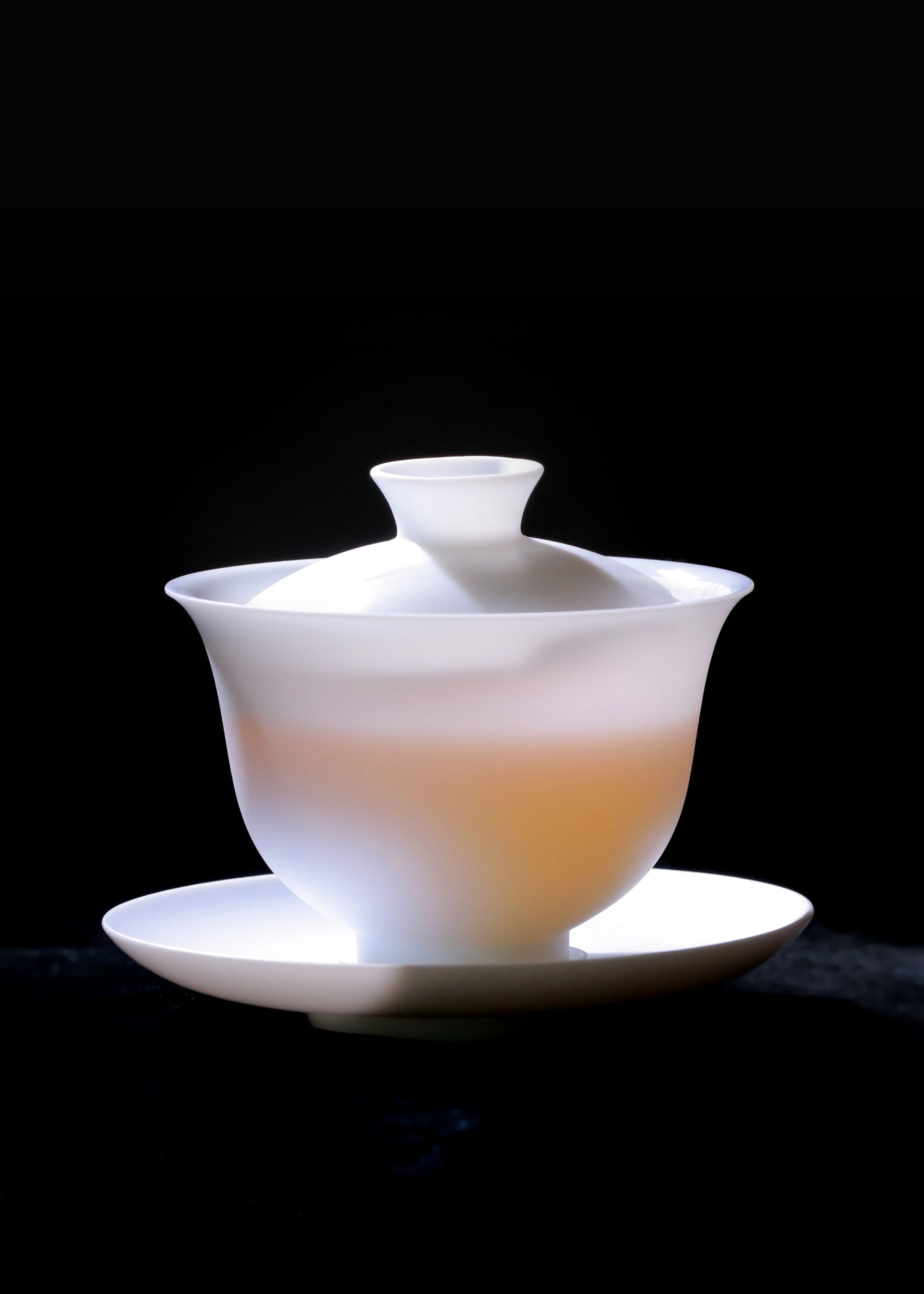
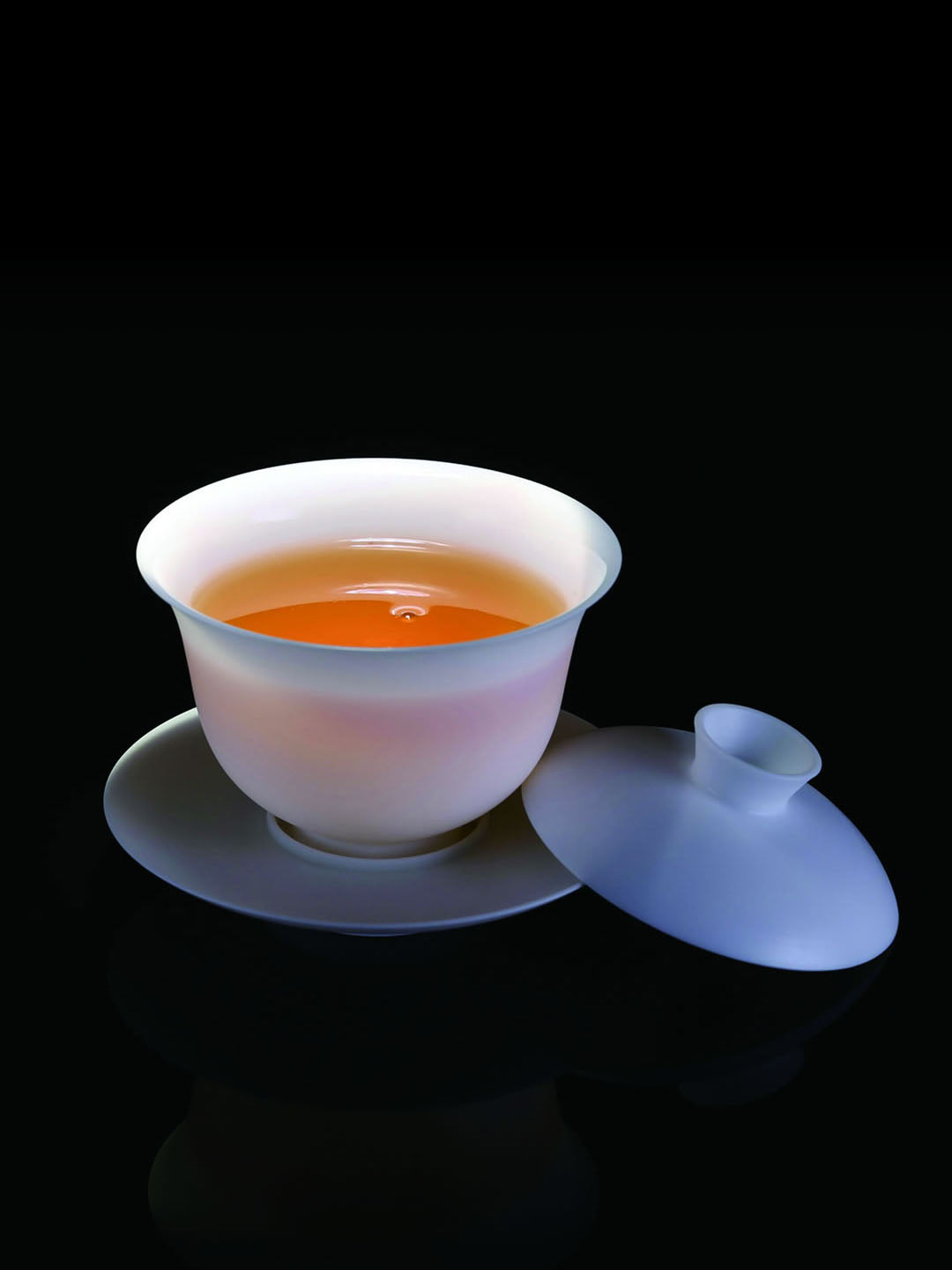
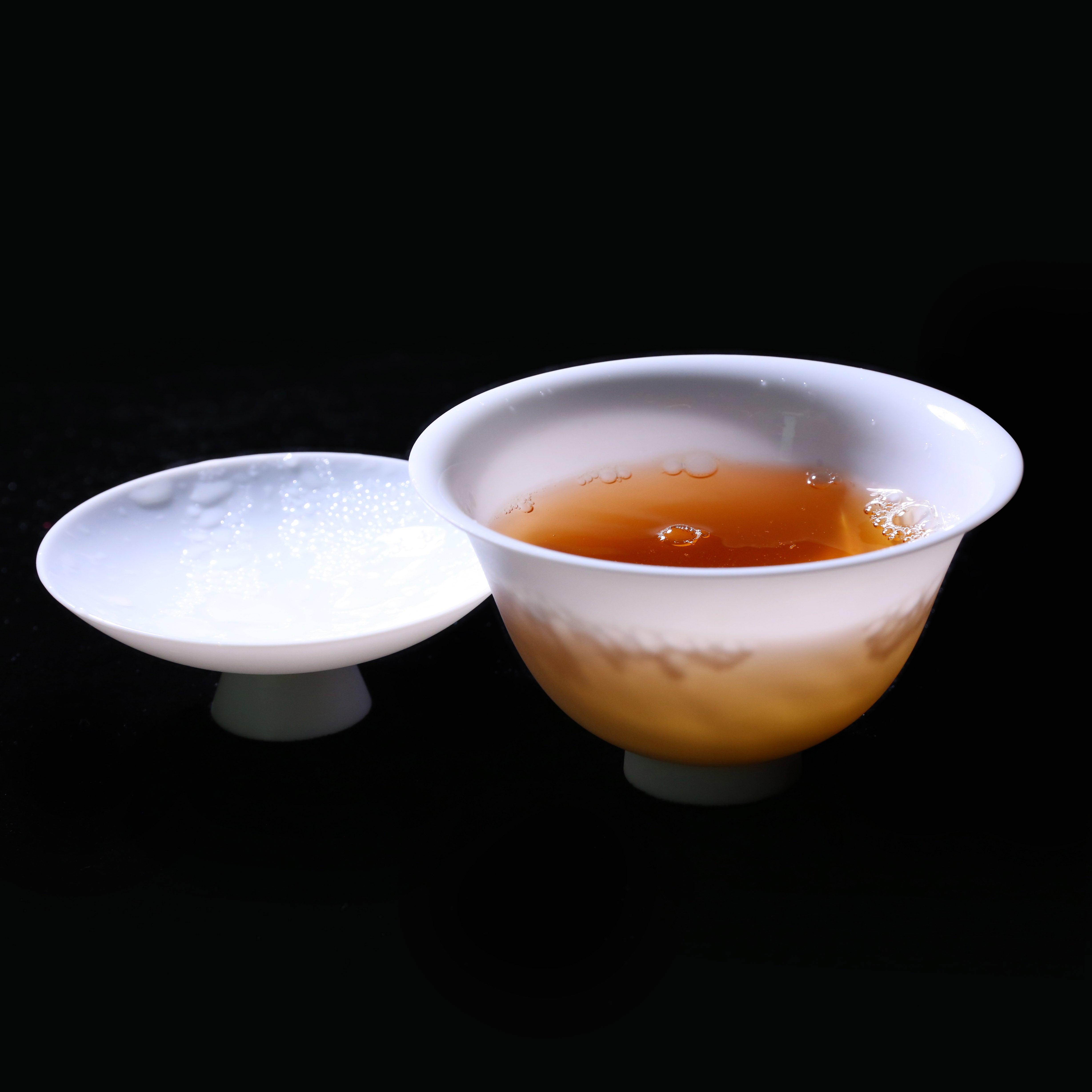
Yet the aesthetic form of Song porcelain carries a profound sense of ritual in itself. The flared‑mouth bowl is open and graceful, the stem cup upright and sharp—both classics of that era. Then one day a thought struck: what if a stem cup were used as a lid, resting upon a flared‑mouth bowl? Would that not be a gaiwan?
Once made, it carries a majestic presence, full of character.
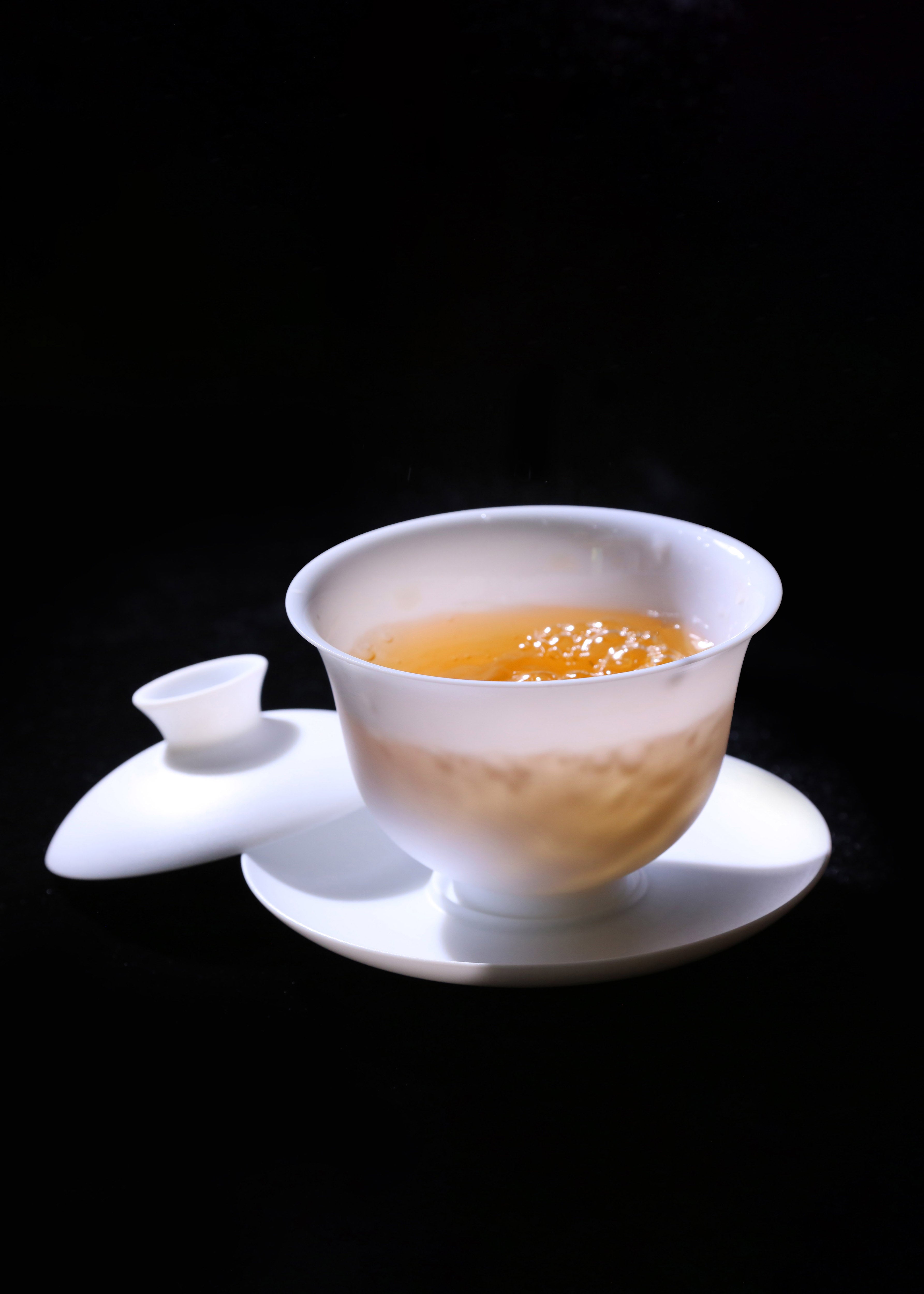
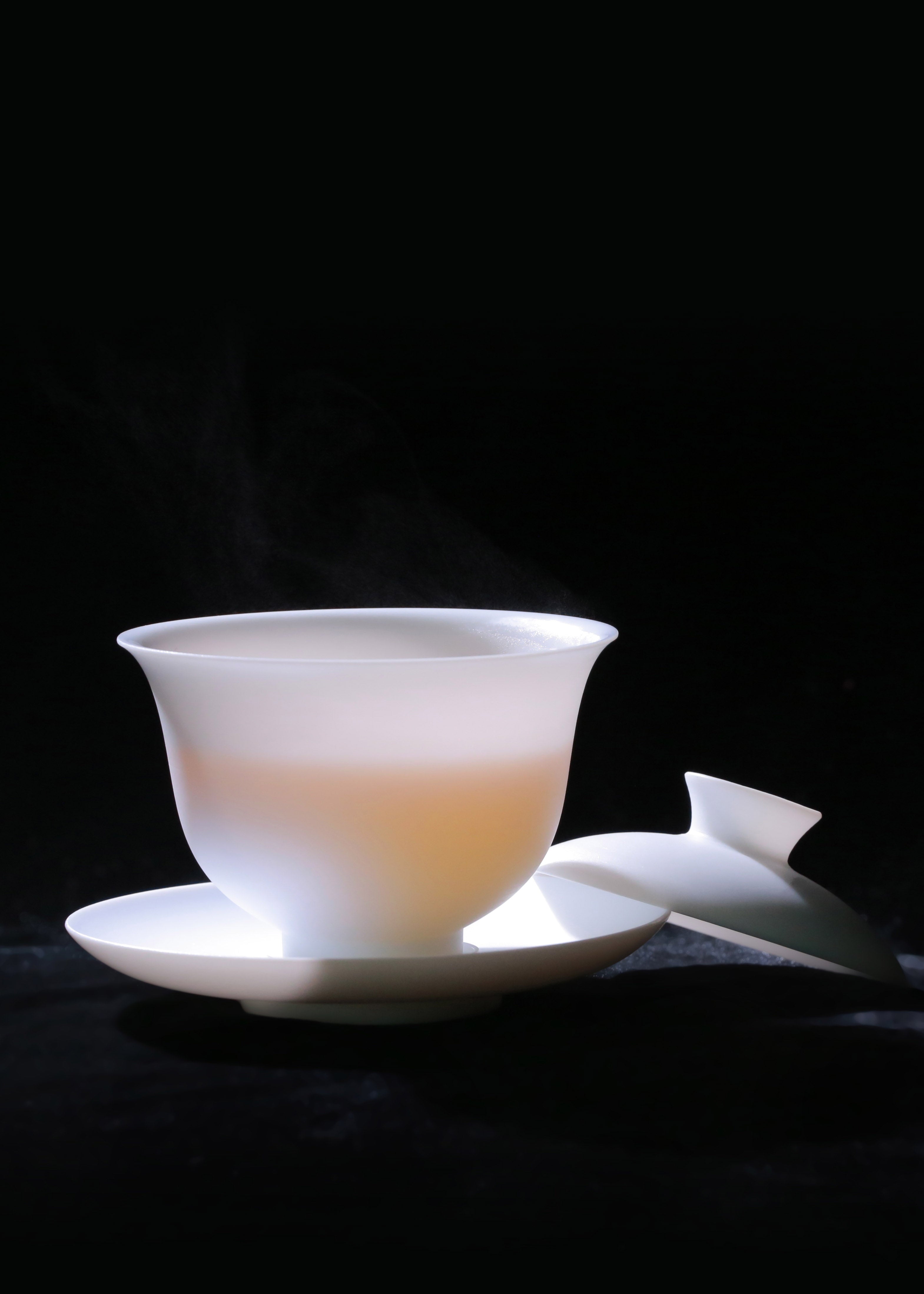
The bowl follows the classic shape of Song bowls, broad and elegant; the lid takes the form of a stem cup, upright and crisp. With no saucer, holding the bowl feels even more free and unrestrained.
When brewing tea, you can not only appreciate the fragrance of tea, but also feel the unrestrained elegance of the Song people.
Unglazed yet as sleek and lustrous as Hetian jade. For the finest ornamentation lies in the natural splendor of the clay itself.
The selection of clay determines the very soul of this lidded bowl.
— To pursue such jade-like tenderness, flux is added to the formula, prompting the porcelain body to generate more glassy phases at high temperatures, rendering it translucent as jade. Yet this beauty exacts a price: the more flux is used, the lower the refractoriness, and the more easily the body softens and deforms in the kiln fire. Conventional thin-body clay does not dare such a formulation; it is precisely this boldness that fires out the breathtaking luster.
To resist the "capriciousness" of high temperatures, the content of alumina must be increased during batching, so that the liquid phase retains sufficient viscosity when molten to keep the body firm and straight. Yet this is still not enough.
Heaven & Earth Lidded Bowl:Mouth diameter: 11 cm; Height: 10 cm
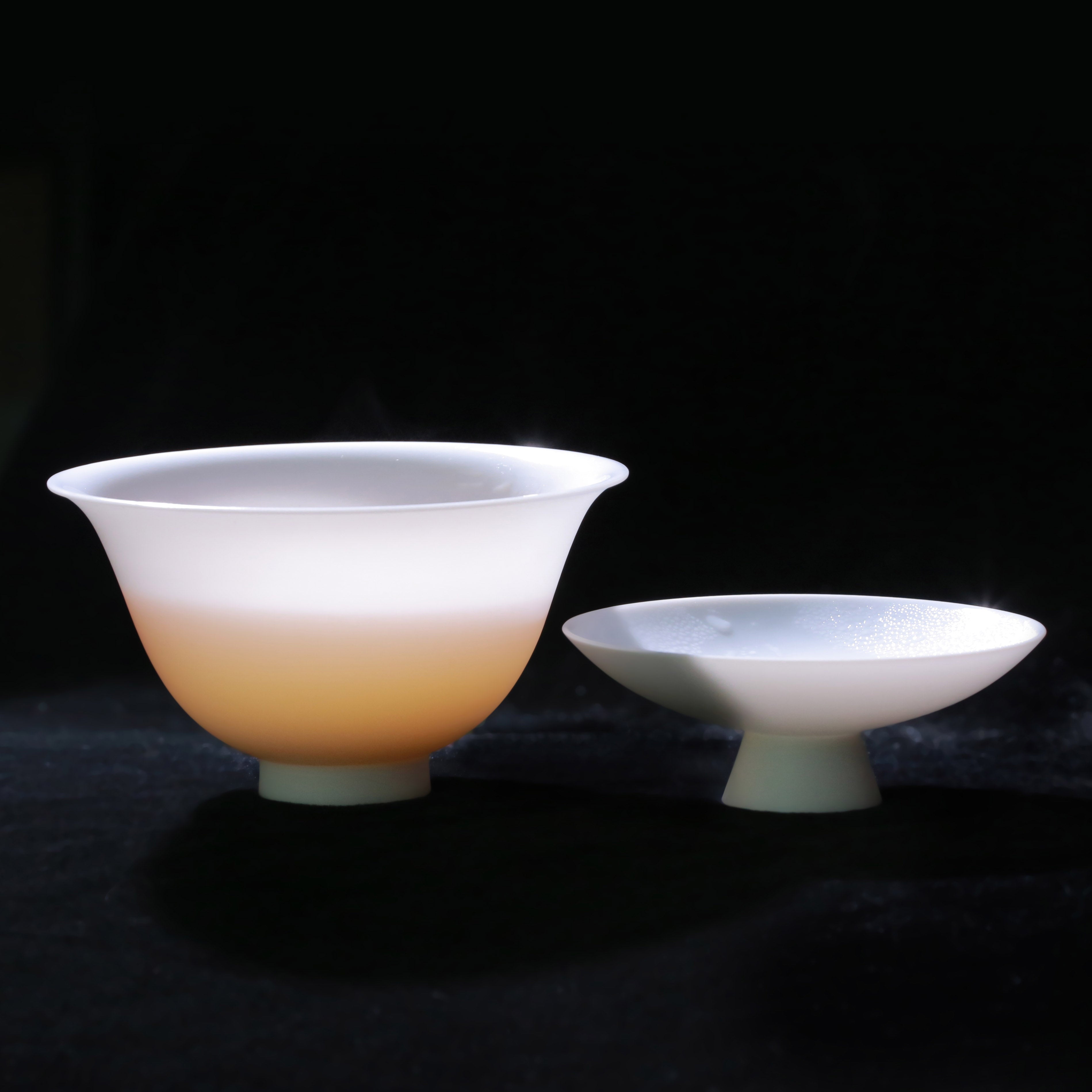
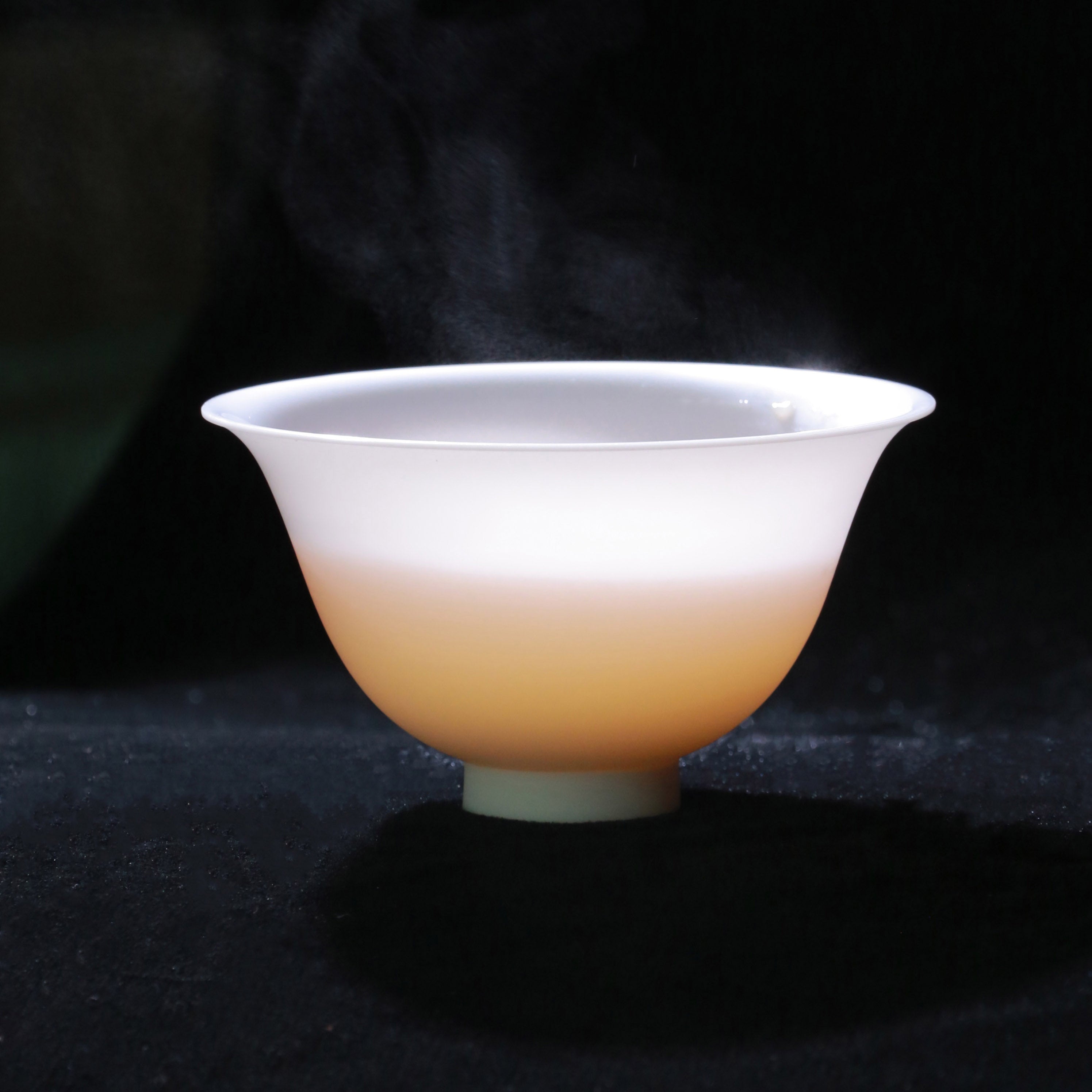
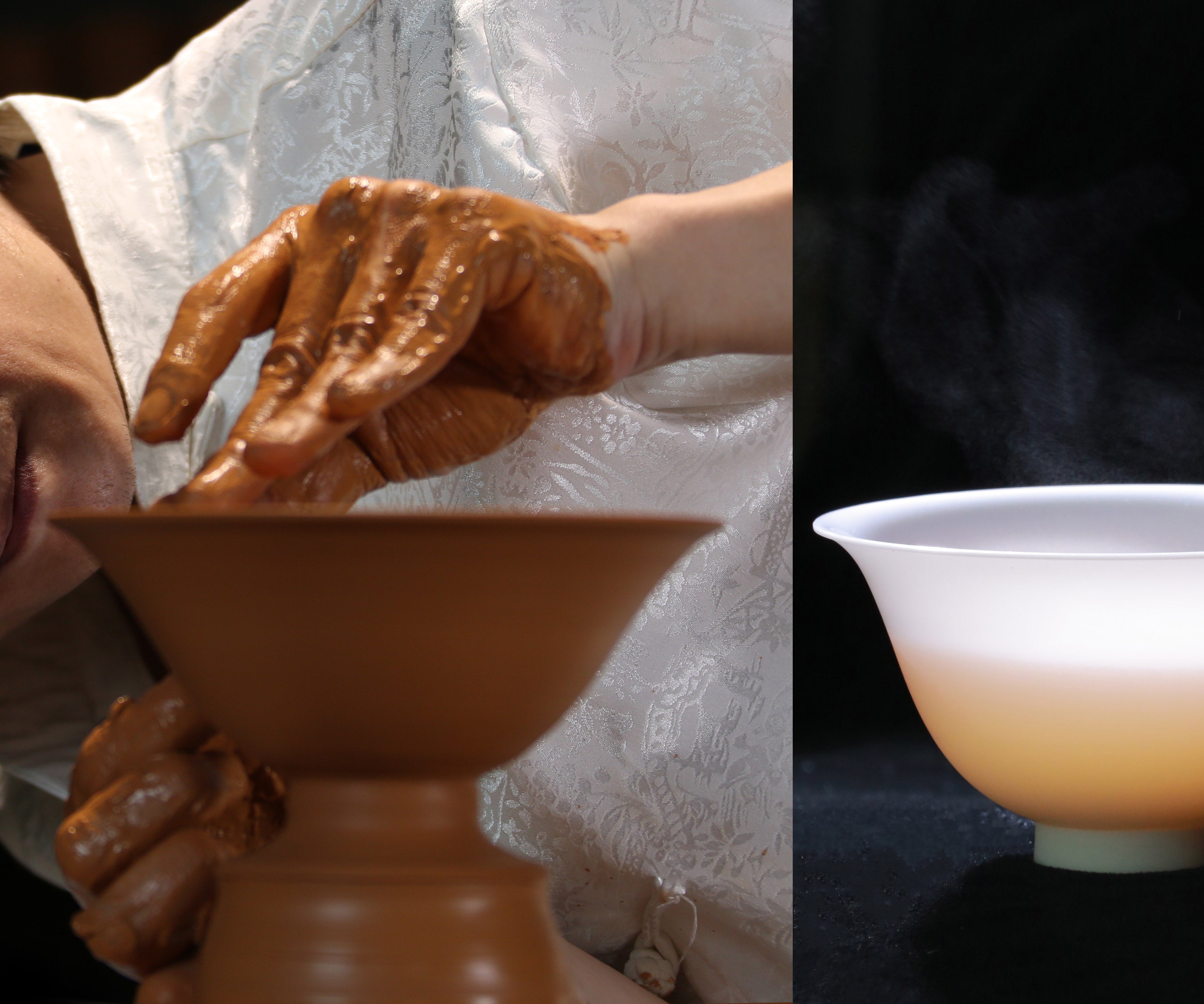
The final shape is never finished beneath the trimming knife—that is only halfway. The real shaping takes place in the 1300°C kiln fire. At that moment, the clay body turns soft like jelly, sagging gently under the intense heat, which forges its full, rounded waistline. How much to leave, and where, all lies in the craftsman’s heart. A little too much, and it collapses; a little too little, and it turns stiff. This sense of measure comes not only from skill, but from decades of rapport with clay and fire.
Reborn through raging fire, the success rate is never high. Senior craftsmen in Jingdezhen say it is common for an entire month’s work to be ruined. Yet whenever they see a crystal-clear piece under the light, joy surges in their heart. Thin-bodied porcelain is hardly practical, far too fragile. But that single glance that steals the heart is enough to make it all worthwhile.
Hold the clay in your palm, and take it slow.
Three-Talent Lidded Bowl:Mouth diameter: 9.5 cm; Height: 9 cm
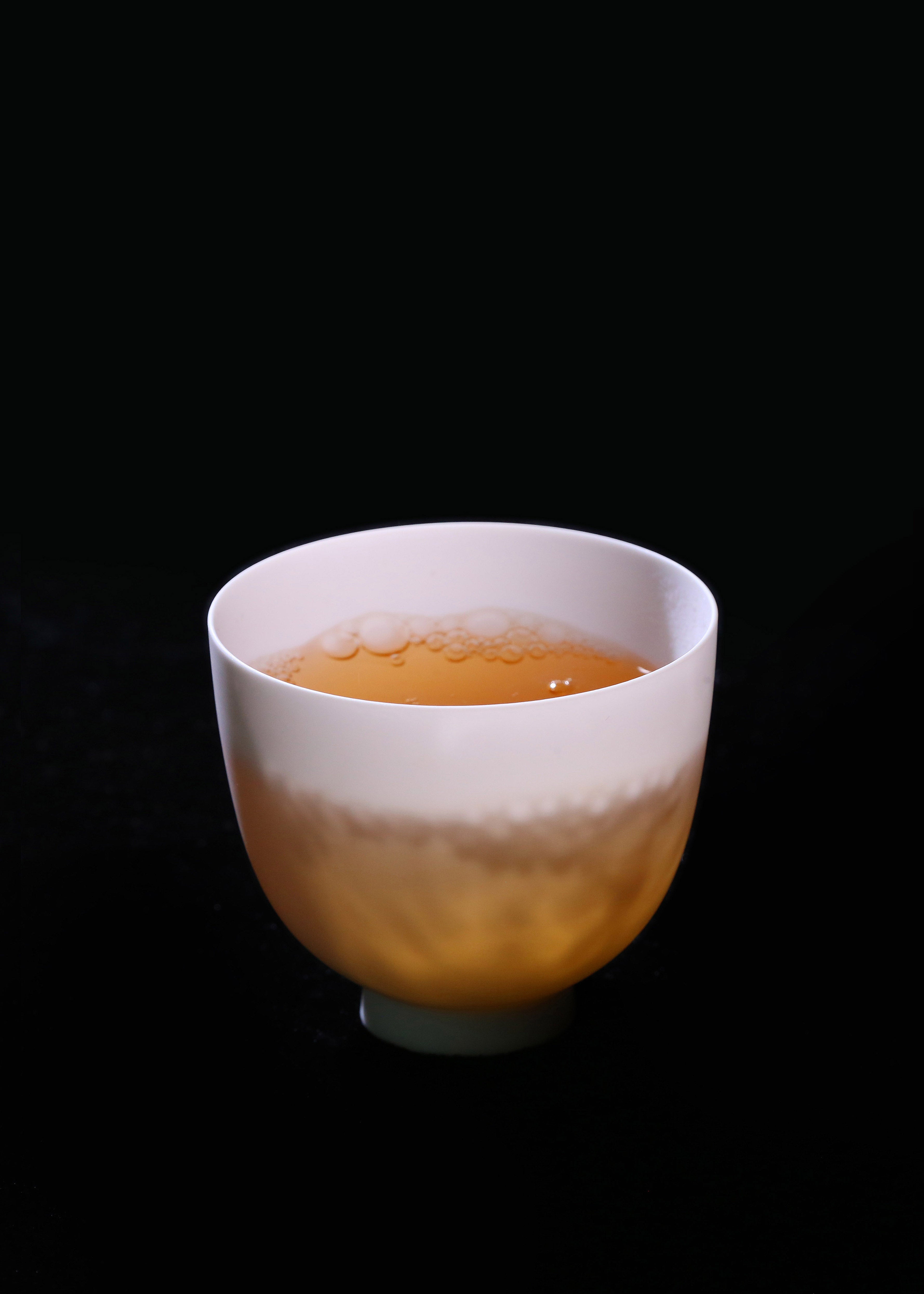
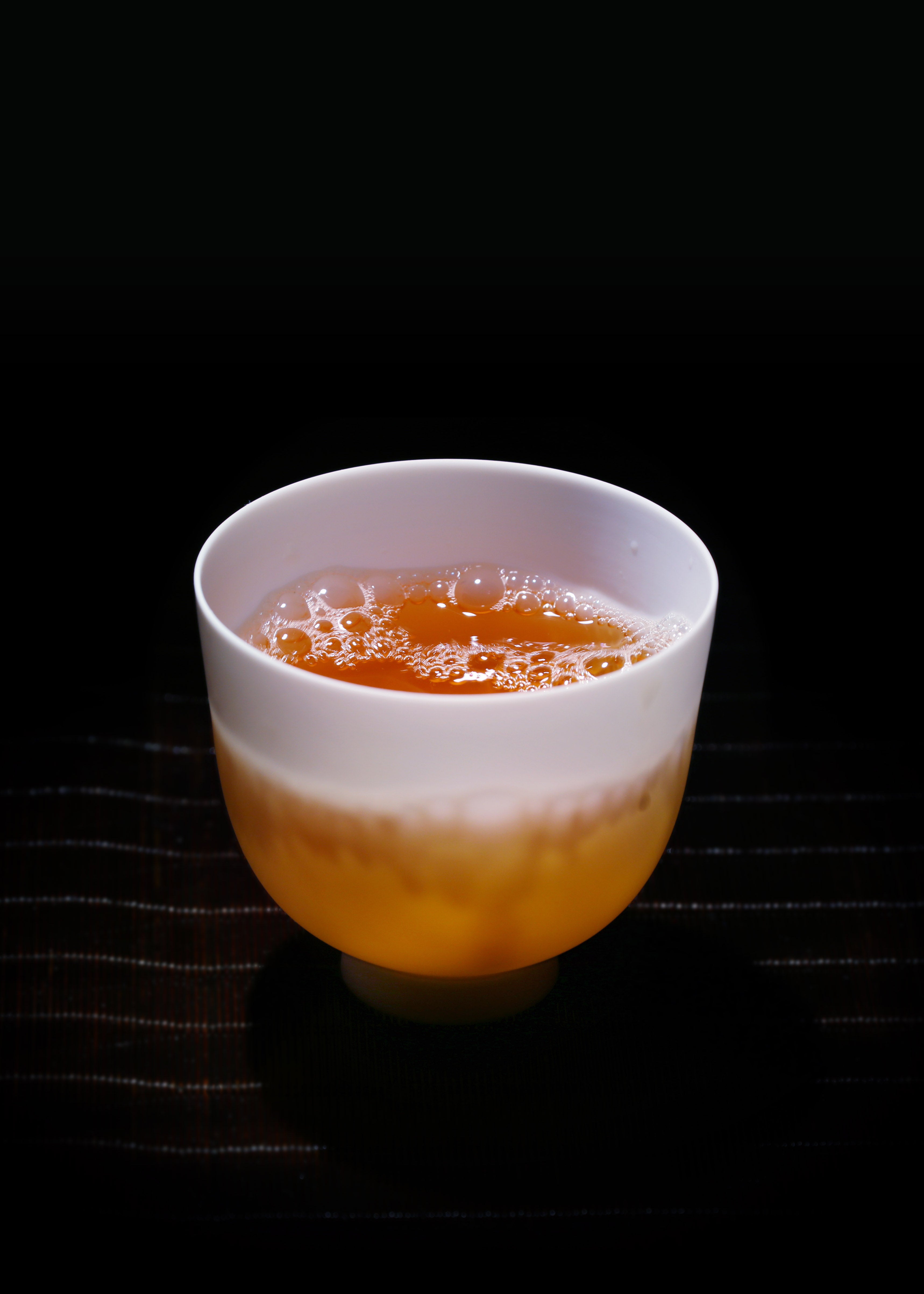
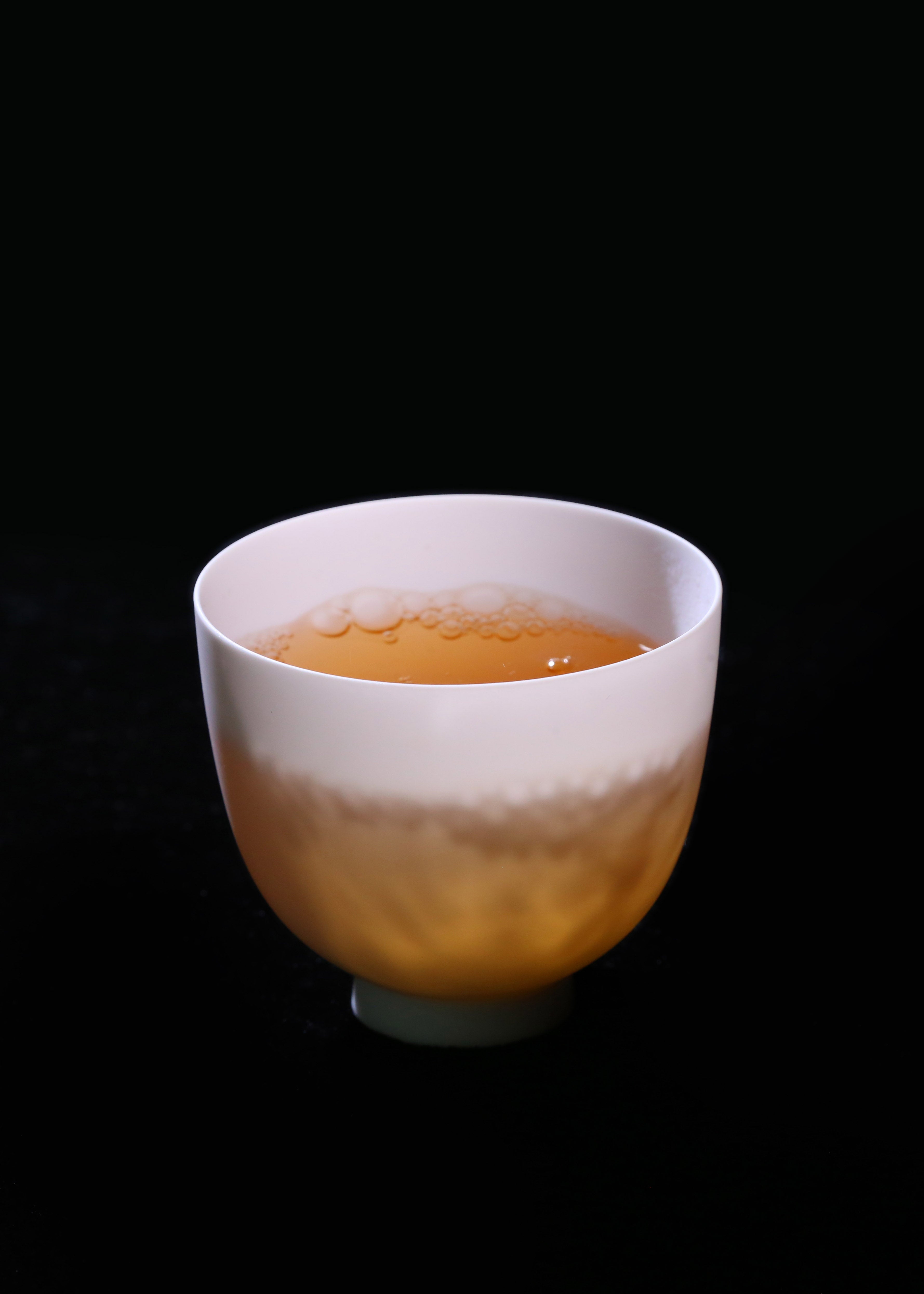
This cup is unglazed, yet as smooth and lustrous as Hotan jade.
It brings "natural simplicity without adornment" to the extreme. Forged from top-grade kaolin in 1300°C fire, it appears crystal clear under light. Hold it in your palm when you feel restless, and its gentle warmth will calm your heart in an instant. Exquisite work takes time, made just for that heartbeat at first sight.
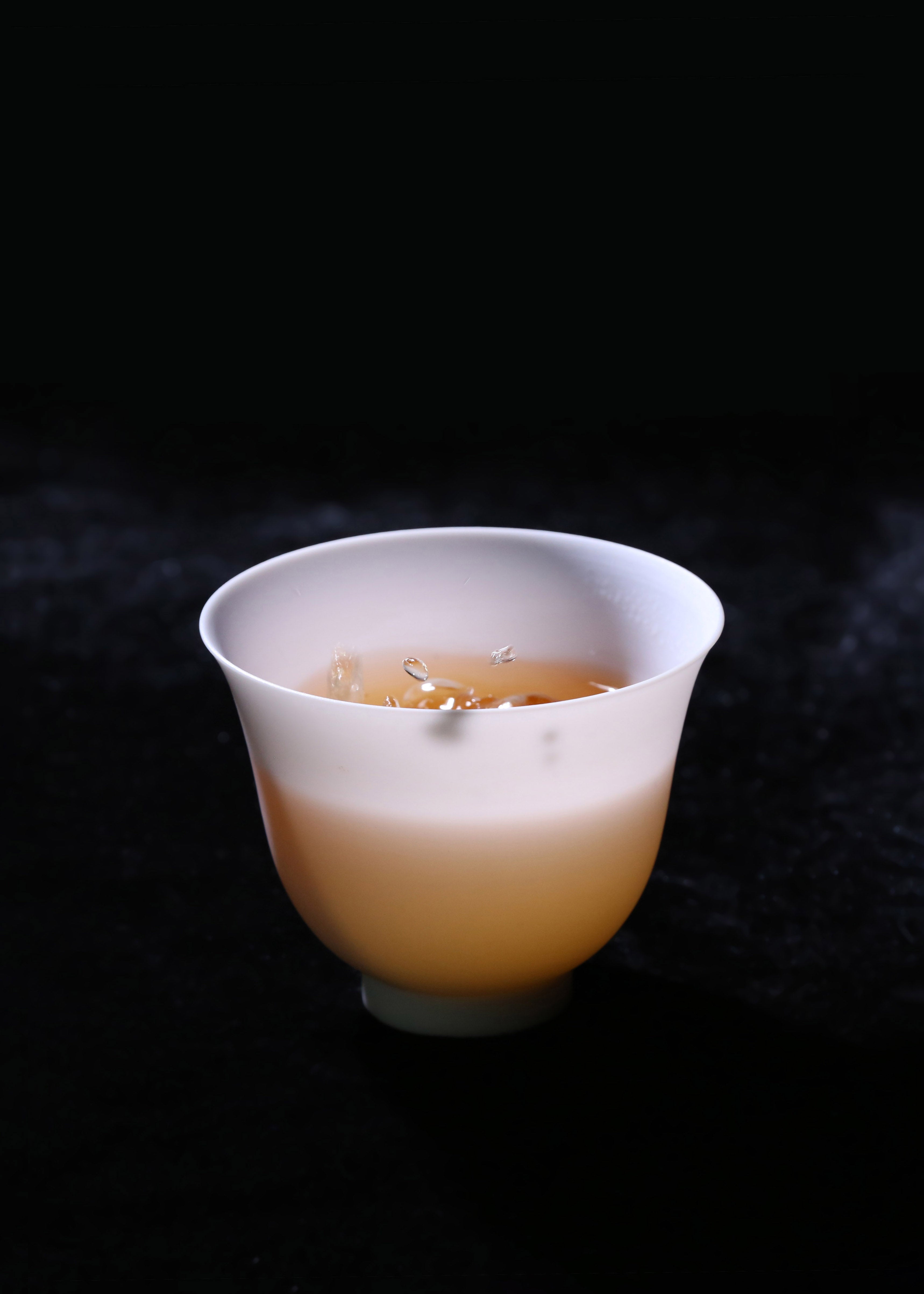
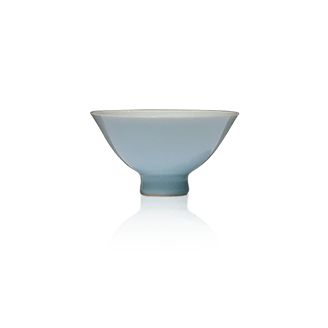
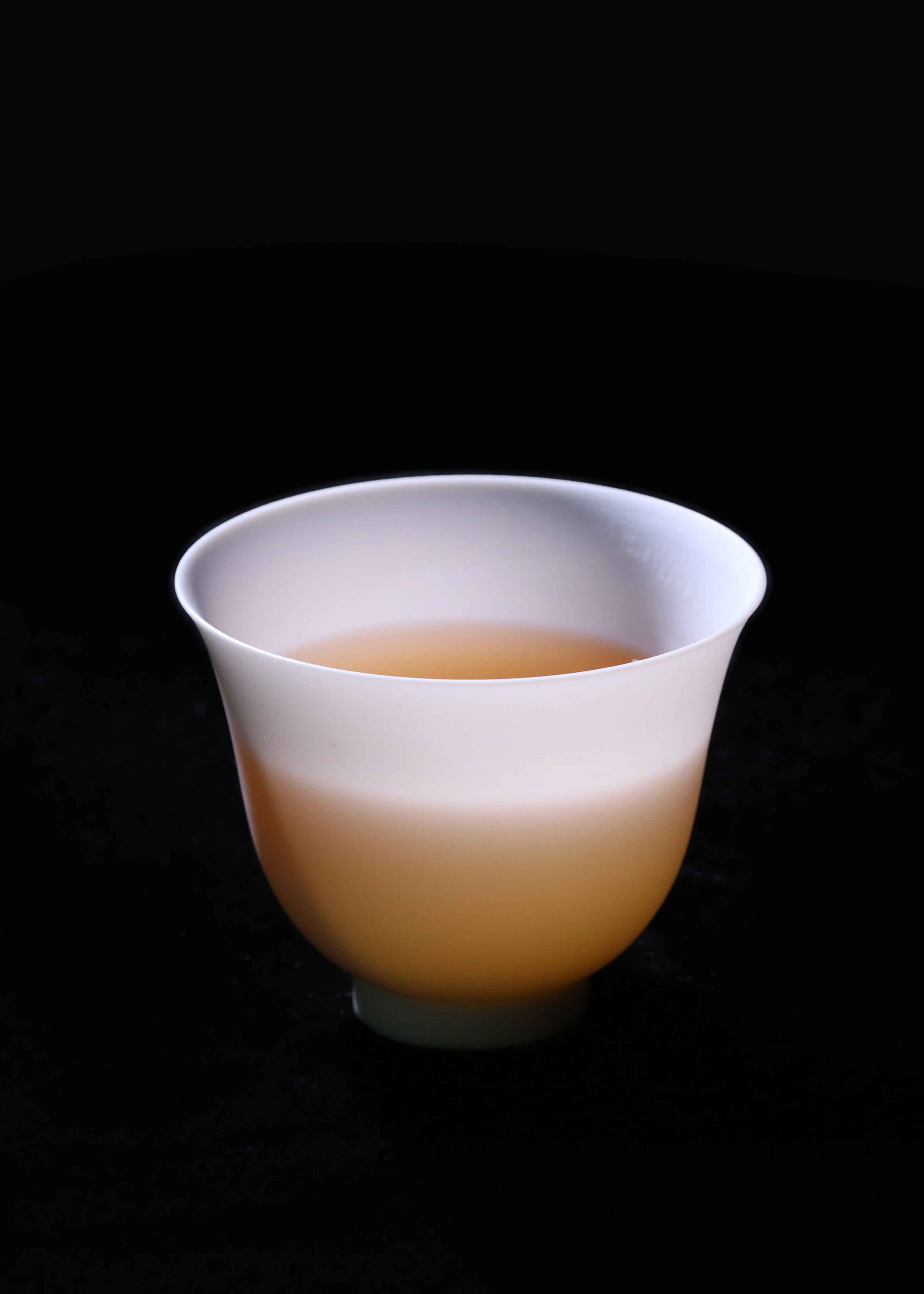
Lotus seed cup
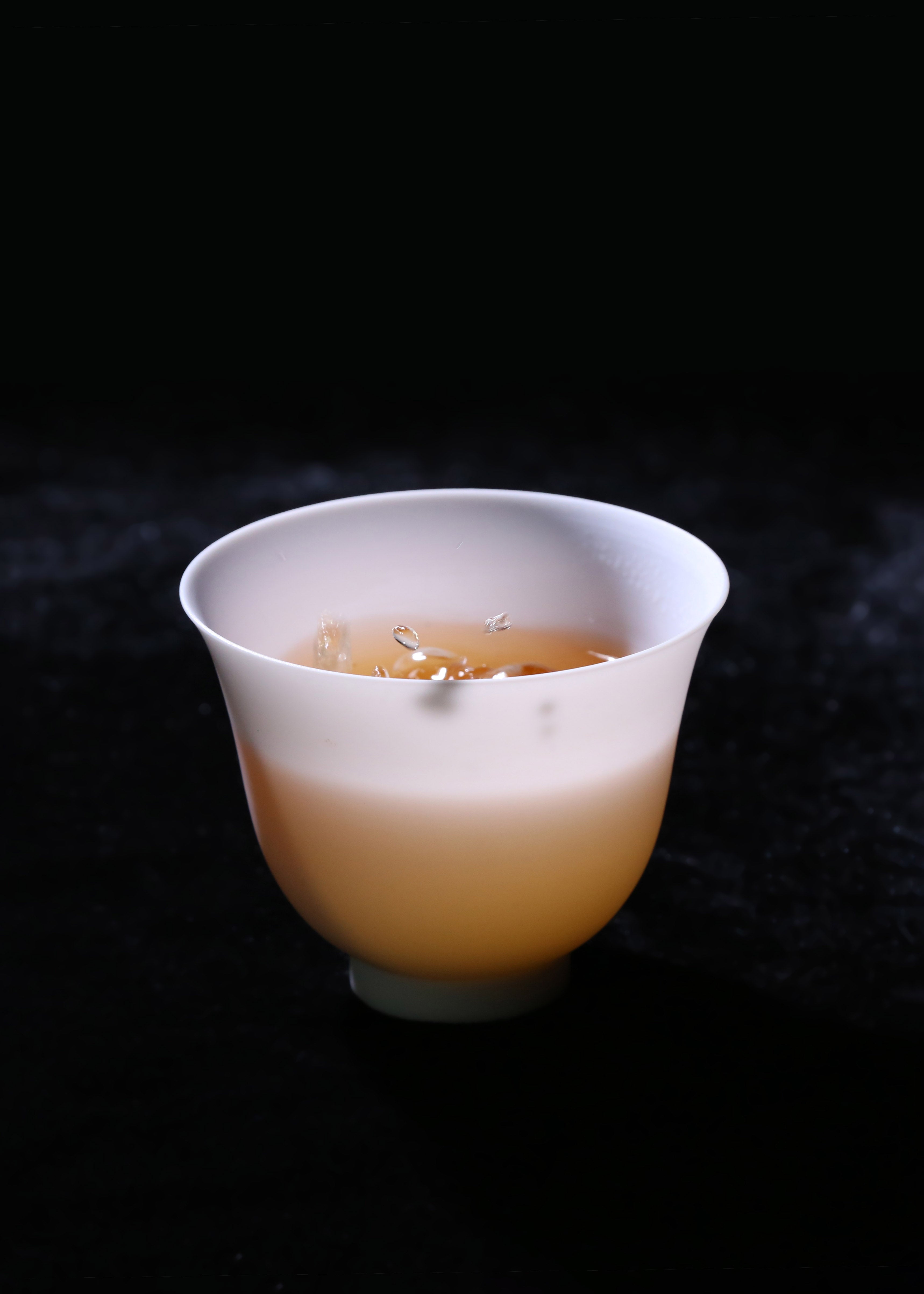
Its shape is inherited from the Wei and Jin dynasties, simple and classic.
Held against the light, its thin body has a warm, jade‑like texture—unglazed, yet full of natural grace.
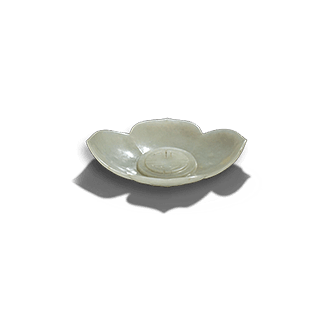
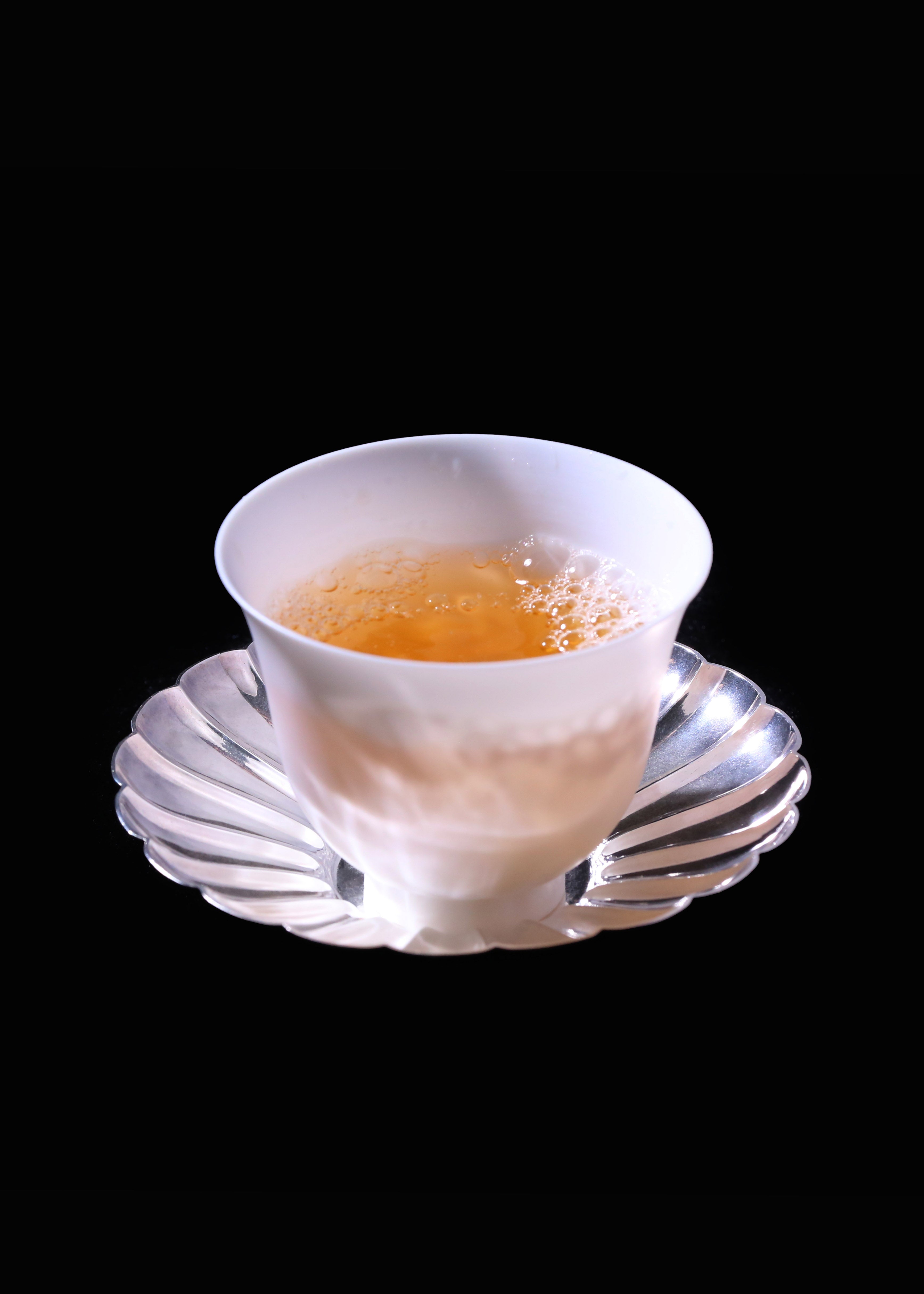
Monthly Flower Cup
— Elegance originating from the Kangxi period, embracing the leisure of literati and scholars.With soft lines and a gentle shape, it is an everyday utensil yet boasts the grace of a decorative piece.
Behind the fragile beauty lies a soul that can endure loneliness.
There are many fragile things in the world, such as the fleeting youth of human beings and the throbbing of love at first sight. But there is another kind of fragility, which is the exquisiteness tempered in the fire of 1300 degrees Celsius — that is the dream of the Song and Tang dynasties, and the texture of porcelain.
Those who understand porcelain often say that everything depends on fate. The fate with porcelain is a glance that takes your breath away; you can understand its strength beneath the gentleness without words. The fate with craftsmen is to see the figures who endured fifty years of loneliness behind that strength.
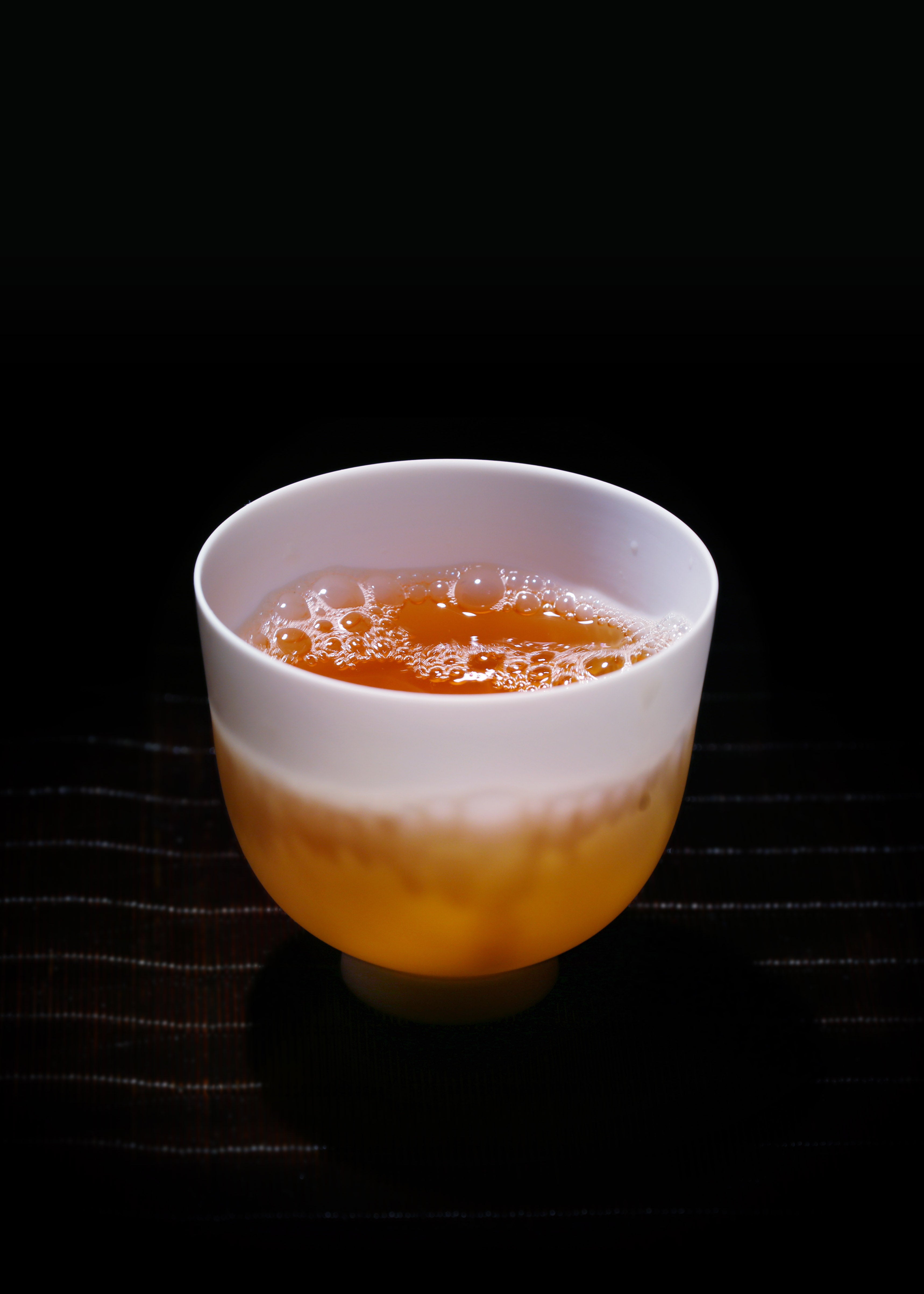
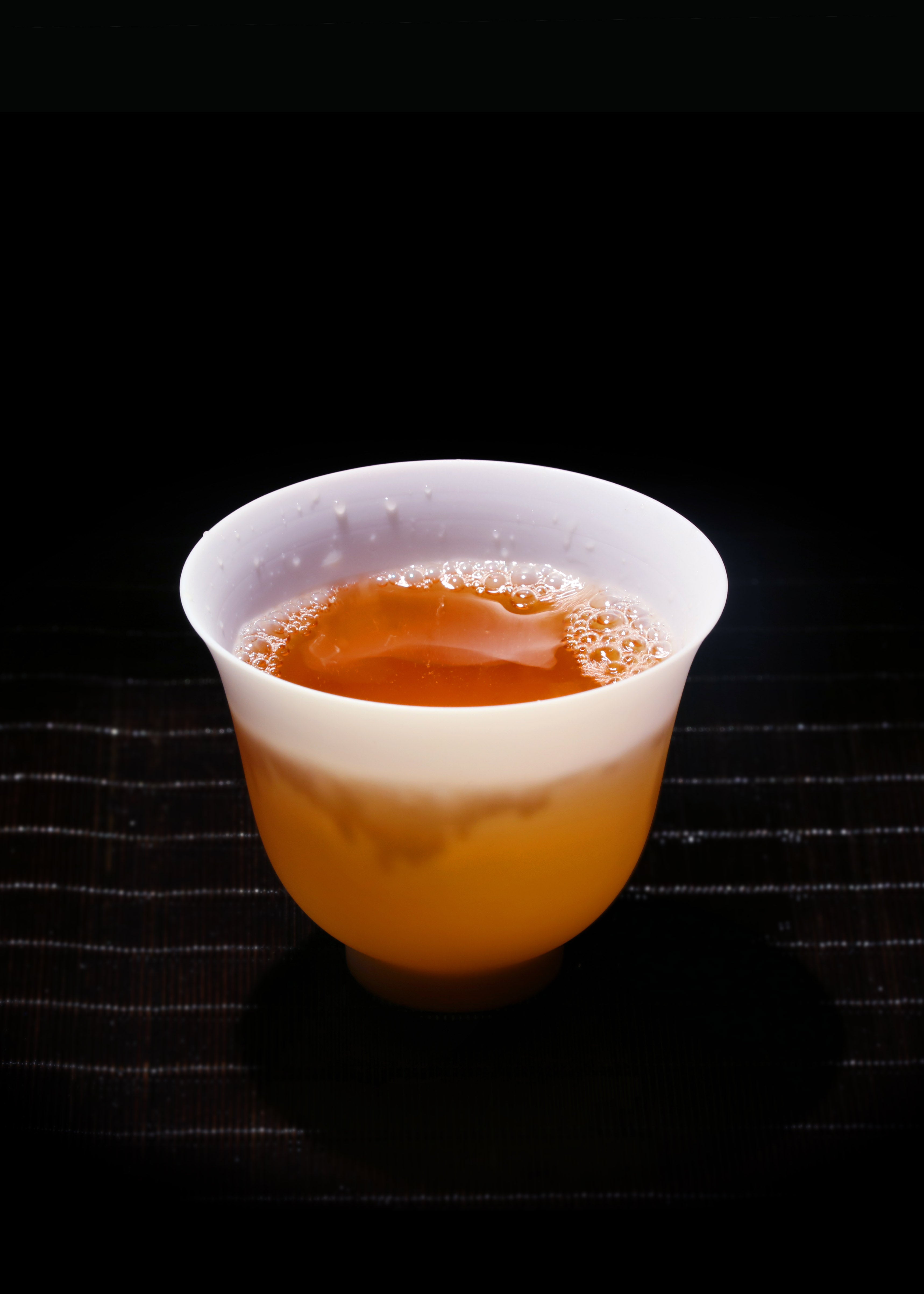
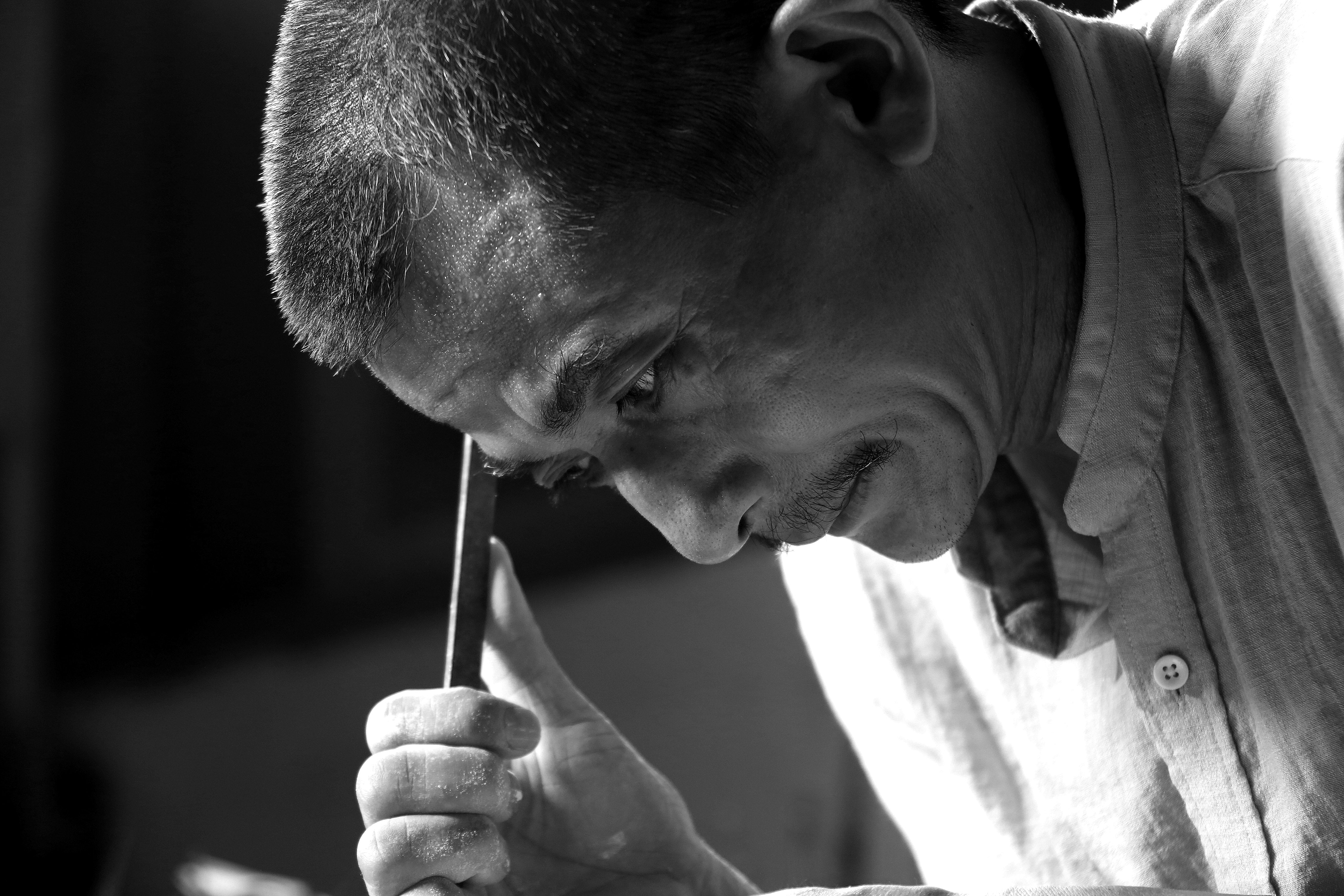
In Jingdezhen, the name Xiong Guo’an resonates deeply. Known in the craft circle as "Xiong Xiong Lao'er", he is the son of Xiong Yougen, the famed "King of Thin‑bodied Porcelain". As a national‑level inheritor of intangible cultural heritage, there are no shortcuts to this legacy—it starts with boyhood training that takes a lifetime to master.
This art has an almost unforgiving rule: you can never learn it after the age of 18. As people grow up, their minds grow restless. A distracted heart dulls the ears; dull ears cannot distinguish the subtle echoes of the trimming knife as it glides over the clay body, thin as a cicada’s wing.
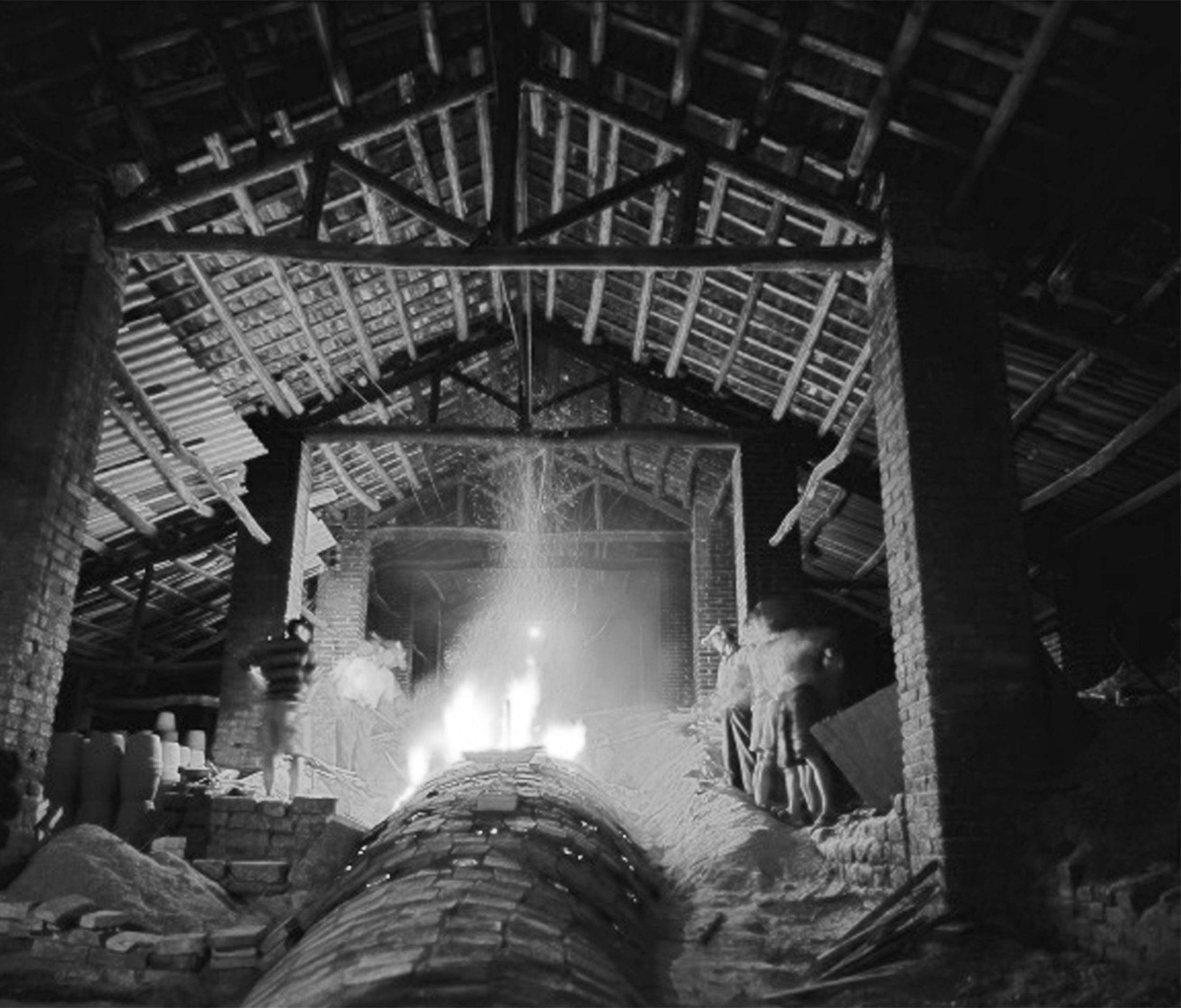
Xiong Yougen mastered his lifelong ceramic foundational skills at the age of 8. His craftsmanship was unmatched among his peers, earning him the nickname "Boss Xiong". His son, Xiong Guo'an, was one of the rare 12-year-old child apprentices specially approved by the state. While other children were running and playing freely in the streets, he already held a ceramic trimming knife in his hand, engraving the character of "tranquility" deep into his bones.
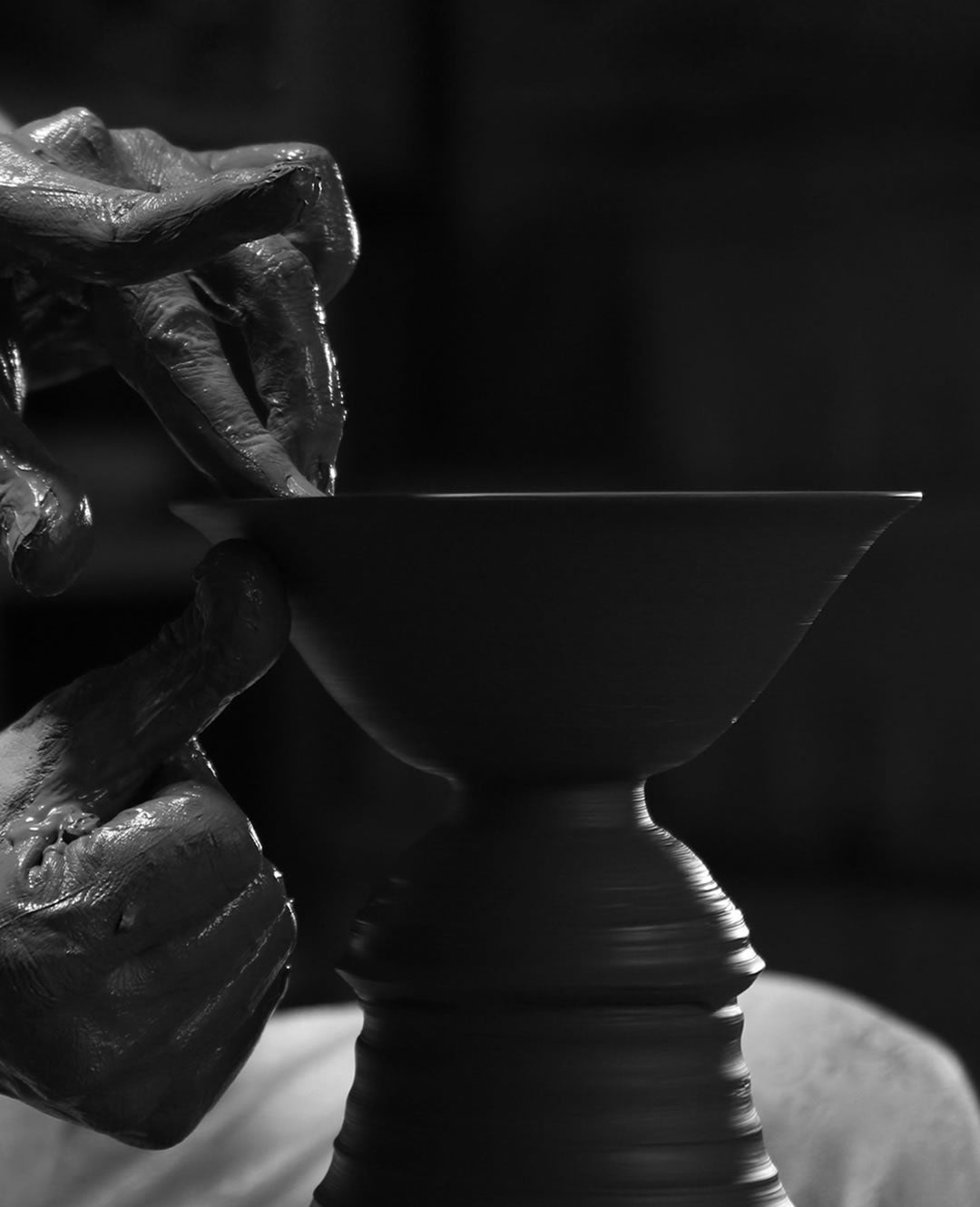
To this day, he still keeps the habit of working late at night. He only starts working when all is silent, for only then can the porcelain blank "speak" to him. When its thickness falls below 0.5 millimeters, visual judgment no longer works. He can only press the long blade against his ear like a stethoscope, judging the quality of the clay blank by its echo. One slight mistake, and the extremely fragile clay body will be ruined in an instant, with all his hard work going to waste.
It was those rough, calloused hands that crafted thin‑bodied porcelain just 0.15 millimeters thick — white as jade, thin as paper, resonant as a chime.
When he first saw the completed lotus seed cup, he sighed:
“Every cup bears the heart and soul of the craftsman, tempering souls like ours that choose to endure solitude.”