


2020 Bingdao Old Village Ancient Tree Pu'er Tea
2020 Bingdao Old Village Ancient Tree Pu'er Tea
2020 Bingdao Old Village Ancient Tree Pu'er Tea
Entrusted by the Mission, the Tea King Crafts Tea with Devotion

One of the Core Representatives of Top - tier Ancient Tree Pu'er Tea
The Ice Queen among Pu'er Teas

Che Jie, the "Tea King" of 半坡 Banpo Old Village, is renowned far and wide for his extraordinary tea-frying skills. Even BBC and CCTV'sThe Story of Tea: A Leaf's Journeyhave visited to document his story. This tea-obsessed craftsman lives halfway up a mountain at an altitude of 1,700 meters, with his roof and courtyard walls covered in tropical plants like dendrobium, and flowers blooming year-round; pushing open the window, one can see clouds surging and stars hanging over the vast wilderness — a breathtaking scene specially filmed by CCTV.
In 2016, when making ancient single-plant tea for us, he sighed, "Actually, apart from our single-plant teas, the tea from 冰岛 Bingdao Old Village in 临沧 Lincang is also exceptional! It's smooth and mellow, with a unique rock sugar charm. It's equally precious, but I've never had the chance to make it myself."
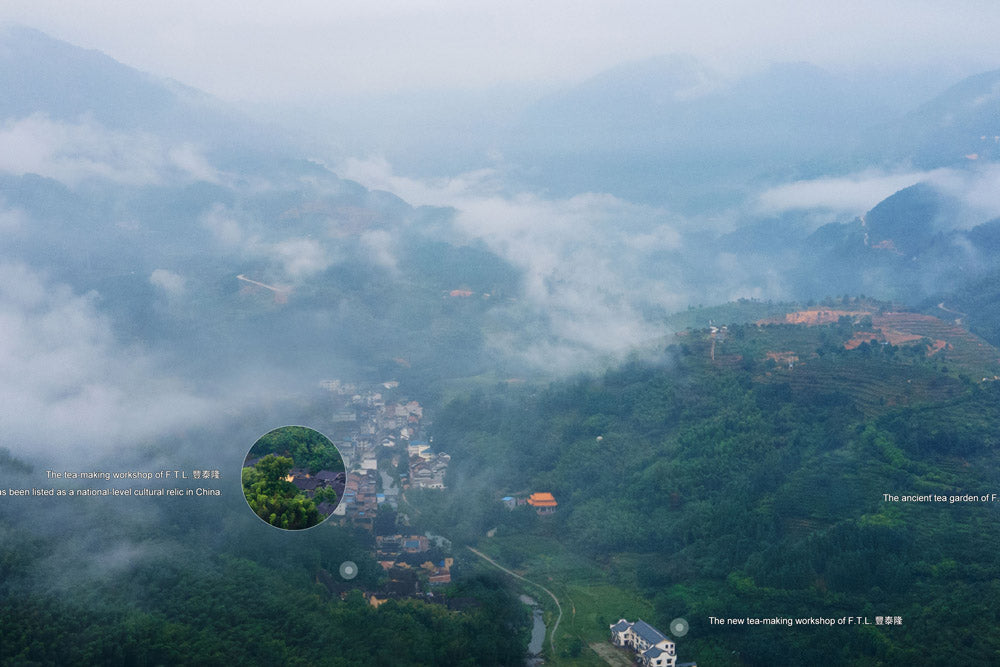
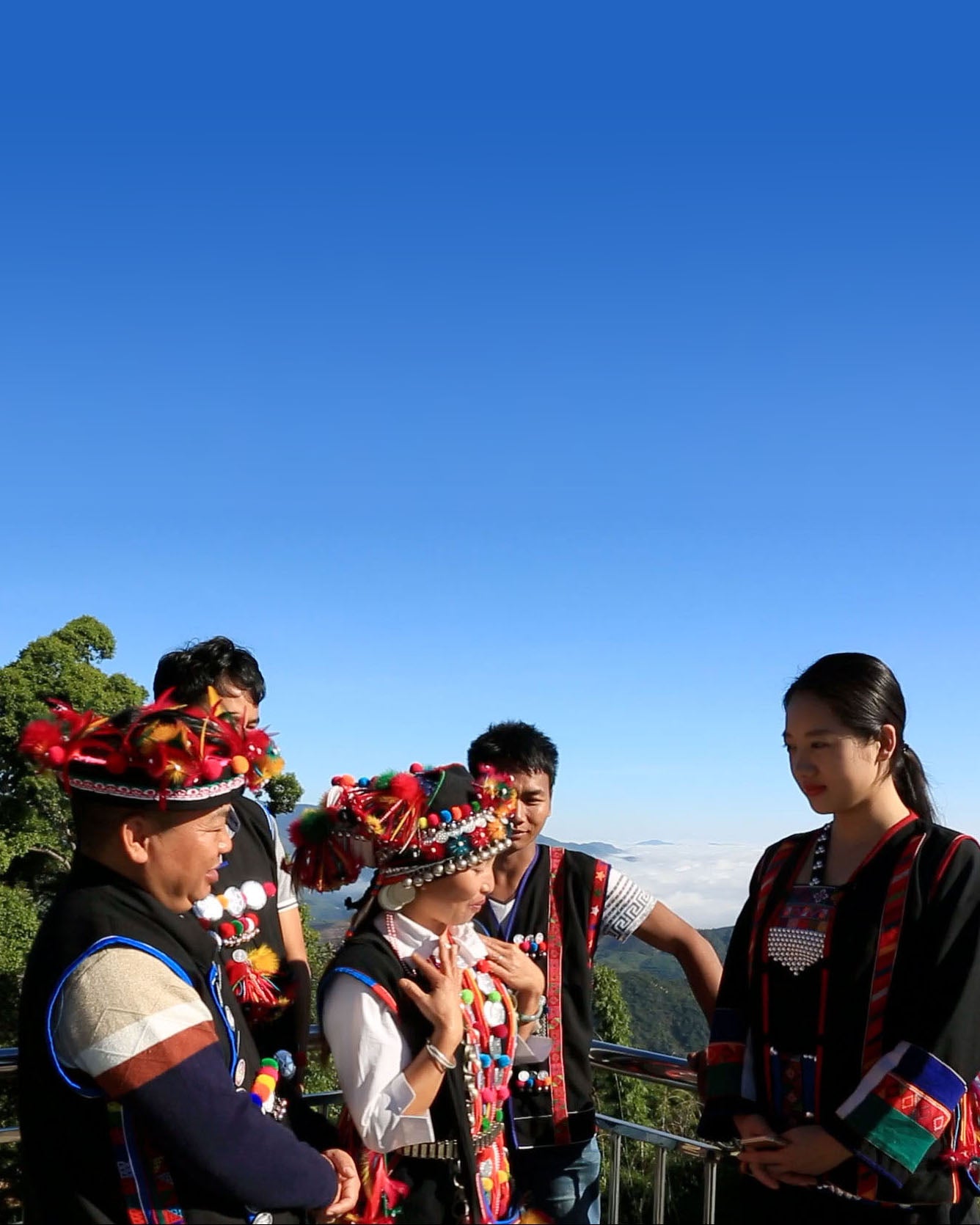
A turning point came in the first spring of 2022. Entrusted by me, Che Jie finally set off for 冰岛 Bingdao Old Village — a secret place hidden among the mountains of 临沧 Lincang, where the Dai, Lahu, and Han ethnic groups live together. It is home to ancient tea trees over 500 years old, serving as the authentic source of 冰岛 Bingdao ancient tree tea, with scarce quantity and limited output.

At an altitude of 1,700 meters, surrounded by mountains, clouds and mists curl like veils. Ancient tea trees stand proudly on the slopes, with an annual average temperature of 18℃, bathed in ample sunshine and rain. Coexisting with the lush surrounding vegetation, they form a primitive yet vivid scene.
At the sight of the ancient tea trees that caught his fancy, Che Jie’s eyes suddenly lit up, and the way he reached out to brush his fingers over the trees’ textures conveyed deep reverence.
At dawn the next day, he hurried to climb the tea trees with fellow villagers from the old village, seizing the optimal moment just as the sun rose to pick the leaves. From withering and rolling to frying, each step embodies decades of his craftsmanship—he has an acute sense for the leaves’ curliness and changes in aroma.

In the tea-frying room late at night, with his chest and arms bare, he stood before the red-hot wok, mastering the heat with precision. The steaming tea fragrance filling the room was the most touching scent of the night.

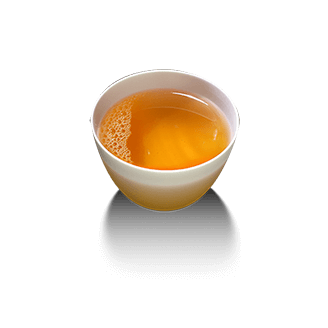
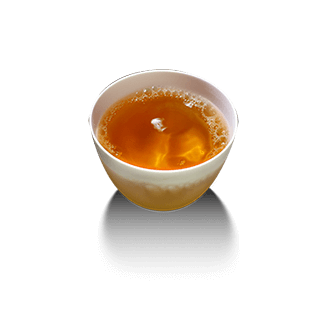
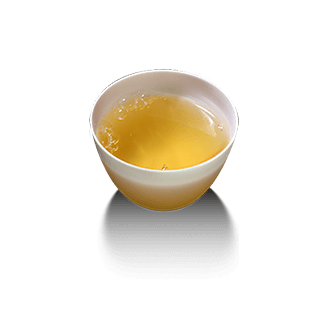
Once the new tea was made, its liquor color was golden and translucent. The Tea King held the cup, sipped carefully, and then smiled heartily — the tea soup was smooth and mellow, with a long-lasting sweet aftertaste in the throat, and the unique "rock sugar charm" of Bingdao tea was fully displayed.
A cup of Bingdao Pu'er tea embodies the Tea King's passion, and also carries the charm and legend of the local land.
The authentic source of Bingdao Ancient Tree Tea (from Bingdao Old Village) is scarce in quantity and extremely precious.

The picking standard for Bingdao ancient ancient tree tea is one bud with two leaves.
2020 Bingdao Old Village Pu'er Tea
Che Jie the Tea King, Handmade
Appreciation
Year:First spring of 2022
Grade:Special Grade Bingdao Old Village Ancient Tree First Spring Tea
Maker:Handcrafted by Tea Master Che Jie
Origin:Selected 300-500-year-old ancient tea trees in the core area of Bingdao Old Village.
Variety:Ancient Pu'er tea of Mengku large-leaf variety from the core area of Bingdao Old Village.
Craftsmanship:Supervised by Che Jie the Tea King throughout; "low-temperature long-stir frying" fixation technique, which retains the active substances of fresh leaves and stimulates the unique rock sugar-like sweetness.
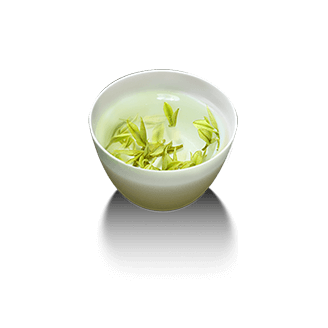
Dry tea appearance: The tea leaves are plump, tightly knotted, glossy with visible down. (Picked in the first spring, mainly one bud with two leaves).
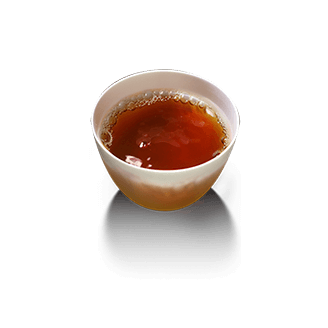
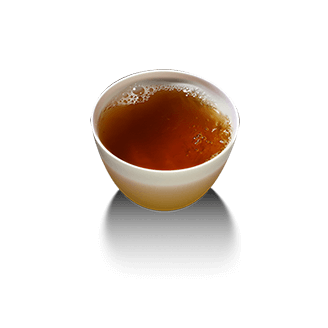
Liquor color: Golden and translucent in the new tea period; turns to amber after 2 years of aging.
Aroma: High notes of mountain wild flower fragrance in the first infusion; honey fragrance and rock sugar-like sweetness emerge after the 3rd infusion; long-lasting fragrance remains at the bottom of the cup.
Taste: Smooth and mellow on the palate, with minimal bitterness and astringency; quick sweet aftertaste like a clear spring, with persistent salivation reaching the bottom of the throat; still exhibits sweet and mellow woody notes after 10 infusions.
Quality Appreciation

2022 Bingdao Old Village Ancient Tree First spring Raw Puer Tea
Tea liquor color : Bright golden yellow and translucent in the new tea period; turns amber after 2 years of aging.

2022 Bingdao Old Village Ancient Tree First spring Raw Puer Tea
Dry Tea Appearance: Fat and tight strips, glossy with obvious fine hairs.
Origin:As one of the five Bingdao villages, Bingdao Dijie Old Village is the closest to Bingdao Old Village—a 20-minute walk to its ancient tea plantations. Located at an altitude of 1,700 meters, its ecology shares the same origin as Bingdao Old Village.
Raw Material: Loose raw tea made from ancient tea trees with a tree age of 100-300 years.
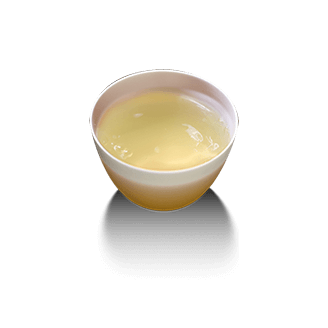
Quality: The tea liquor presents a golden hue. Its aroma and rock sugar melody are highly similar to those of Bingdao Laozhai tea, with a sweet, mellow and clear texture.

2024 Bingdao Dijie Old Village Old-Tree Pu'er Raw Tea, boasts a golden soup-like liquor color.

2024 Bingdao Dijie Old Village Old-Tree Pu'er Raw Tea Dried leaves

namely 冰岛 Bingdao Old Village, 地界 Dijie Old Village, 南迫 Nanpo Old Village, 坝歪 Bawai Old Village, and 糯伍 Nuowu Old Village.
West Half Mountain (core tea area, benchmark area for Bingdao flavor)
冰岛 Bingdao Old Village:Located in the center/north of the West Half Mountain, it is the birthplace of the Mengku large-leaf variety, at an altitude of over 1,700 meters. Inhabited by the Dai people, its ancient tea plantations are the benchmark for the "rock sugar charm" among the five villages.
地界Dijie Old Village:The closest village to Bingdao Old Village in the West Half Mountain—it takes only 20 minutes on foot from Dijie's ancient tea plantations to those of Bingdao Old Village. Situated on the main ridge of the Mengku Snow Mountain, it "connects three counties in one place (Shuangjiang, Gengma, Linxiang)" and has a slightly higher altitude than Bingdao Old Village.
南迫anpo Old Village:The northernmost in the West Half Mountain, northwest of Bingdao Old Village, hidden deep in the mountains, about 5 kilometers from Bingdao Village Committee. It is a concentrated area of artificially cultivated ancient tea trees in Mengku.
East Half Mountain (area with differentiated styles)
坝歪Bawai Old Village:In the East Half Mountain, north of Mengku Town, 25 kilometers from Bingdao Village Committee, at an altitude of about 1,900 meters. The tea trees here were planted around the same time as those in Nuowu, with a "strong and bold" tea style.
糯伍Nuowu Old Village:In the East Half Mountain, north of Mengku Town, 25 kilometers from Bingdao Village Committee, at an altitude of about 1,400 meters. It has an "elegant and mild" tea style, with tea tree scale and form similar to those in Bawai.
Bingdao Old Village is the soul origin of "rock sugar rhyme" in the Pu'er tea circle.
Its scarcity is irreplicable
Preparation of Utensils
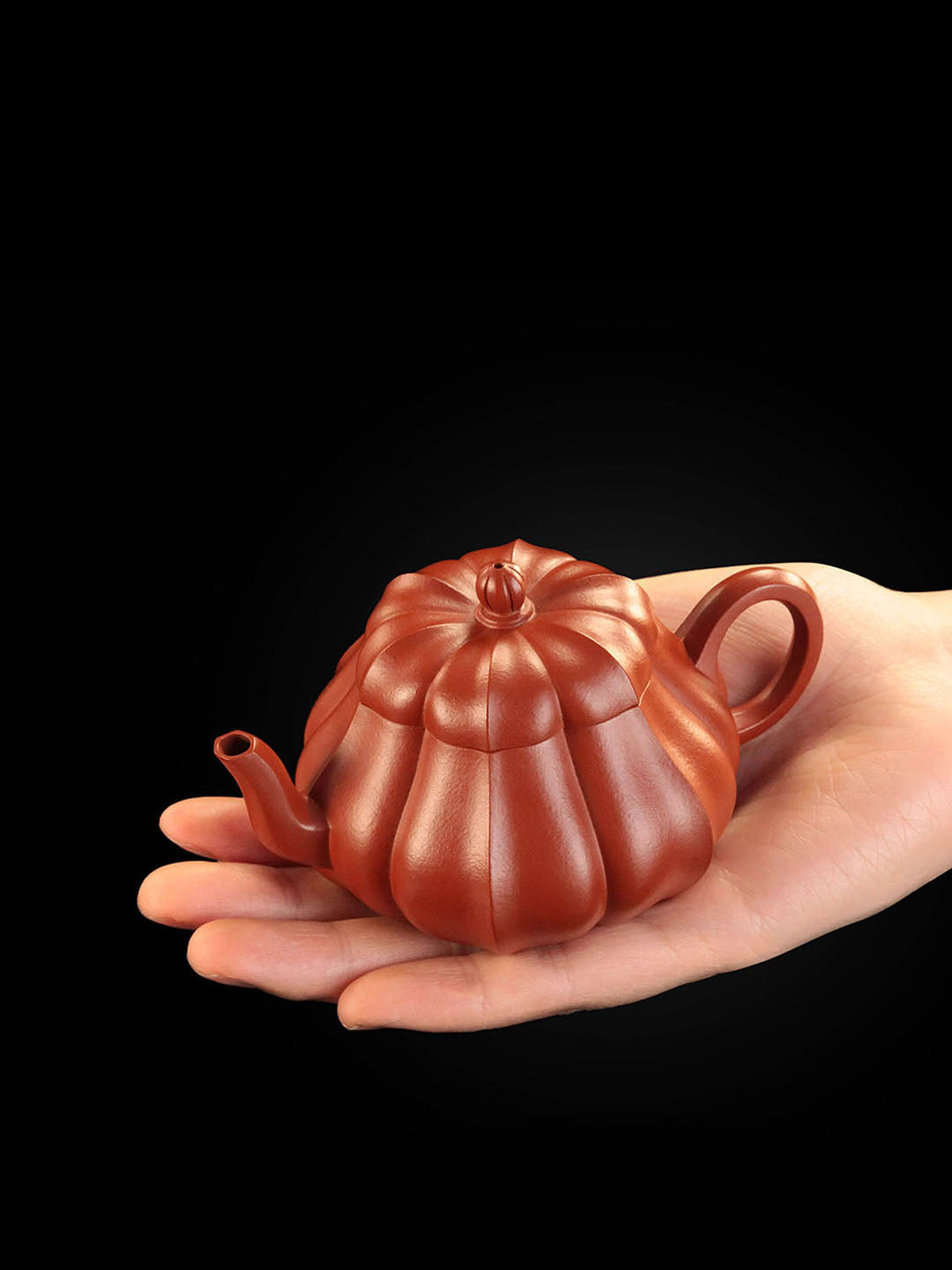
Main brewing vessels:Purple clay teapots with good air permeability (suitable for aged tea or teas needing aroma concentration) or open-mouthed covered bowls (easy to observe tea color).
Fair cup:Glass is preferred for easy observation of tea color.
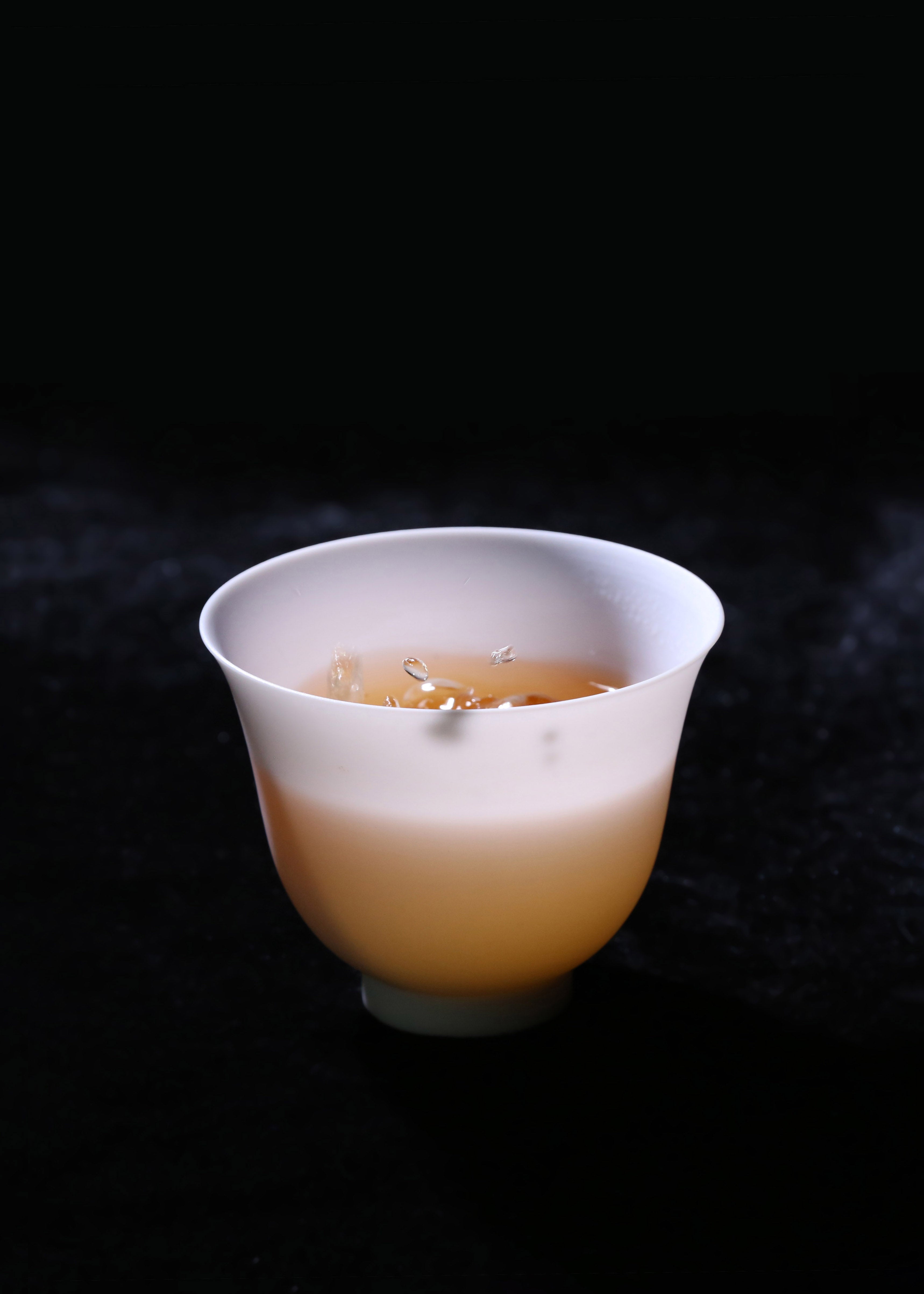
Tasting cups:Small porcelain or pottery cups, good for aroma retention.
Auxiliary tools:Tea needle (for breaking compressed tea), tea scoop, tea cloth, etc.
Tea Leaves and Water
Tea leaves:Tea leaves: Loose tea can be used directly. Compressed tea (cakes, bricks, tuocha) needs to be pried loose in advance and "awakened" for 1-3 months (in a ventilated, light-proof, and odor-free environment).
Water:Qualified purified water is sufficient; never use alkaline mineral water.
(Commercially available mineral waters and mountain spring waters vary in water quality due to different sources; so-called "high-quality mineral water" will likely cause loss of functional components in tea and inhibit its aroma.)
Tea dosage:Use 5-8g of tea for a 100-150ml container (tea-to-water ratio of approximately 1:20; adjust strength to personal taste).
Steps
Warm and clean the utensils
Rinse all utensils with boiling water to raise their temperature, helping to release the tea's aroma.
Formal brewing
This tea does not require rinsing —
the first infusion is the essence, full of the delicate fragrance of tea down and the sweetness of amino acids. (Only aged Pu'er tea over 15 years old, such as tuocha and brick tea, needs rinsing.)
Infusions 1-3: Pour boiling water from a height
(When pouring, slightly lift the kettle to let the water flow hit the tea leaves and release the tea's aroma). The infusion time is 5-10 seconds; drain the tea soup quickly to avoid excessive leaching of bitter and astringent substances. (For new tea with obvious bitterness, shorten the time to within 5 seconds; for aged tea, extend it to 10 seconds.)
Infusions 4-7:
Pour water at a medium height (gentle circular flow to keep tea evenly heated); infusion time: 10-15 seconds. Adjust based on taste—if the tea fades, steep for an extra 5 seconds.
After infusion 8:
Pour water at a low height (close to the bottom of the pot/bowl to reduce impact); gradually extend steeping time (add 5-10 seconds each time). Aged tea can be steeped for 1-2 minutes until the flavor fades.
Tasting
After pouring the tea into the fair cup, divide it evenly into tasting cups. Smell the aroma while it's hot (raw Pu'er often has floral, fruity, nectar-like, or wild mountain notes). Sip slowly to feel the bitterness, sweet aftertaste, salivation, and lingering throat sensation.
Tips
1.Time control
A batch of tea should be brewed within 30 minutes. If not finished immediately, store it in a container. When you want to drink again, reheat the brewed tea—suddenly, the room fills with aroma, enchanting you.
Never leave brewed tea in the covered bowl for a long time (e.g., an hour or two) before rebrewing. Oxidation will deepen, weakening the fresh taste and volatilizing aromatic substances, resulting in a bland flavor. Such brewing reduces a rare fine tea to a lackluster experience.
2. Adjust based on age.
Aged tea (over 15 years old): Mellow in taste; this style can be steeped for a long time, brewed slowly, or even simmered.
By properly controlling water temperature, infusion time, and pouring method, the "richness, intensity, freshness, and briskness" of raw Pu'er or the "mellowness, smoothness, agedness, and fragrance" of aged tea can be fully displayed. It's advisable to adjust flexibly according to the tea's characteristics to find your ideal taste balance.
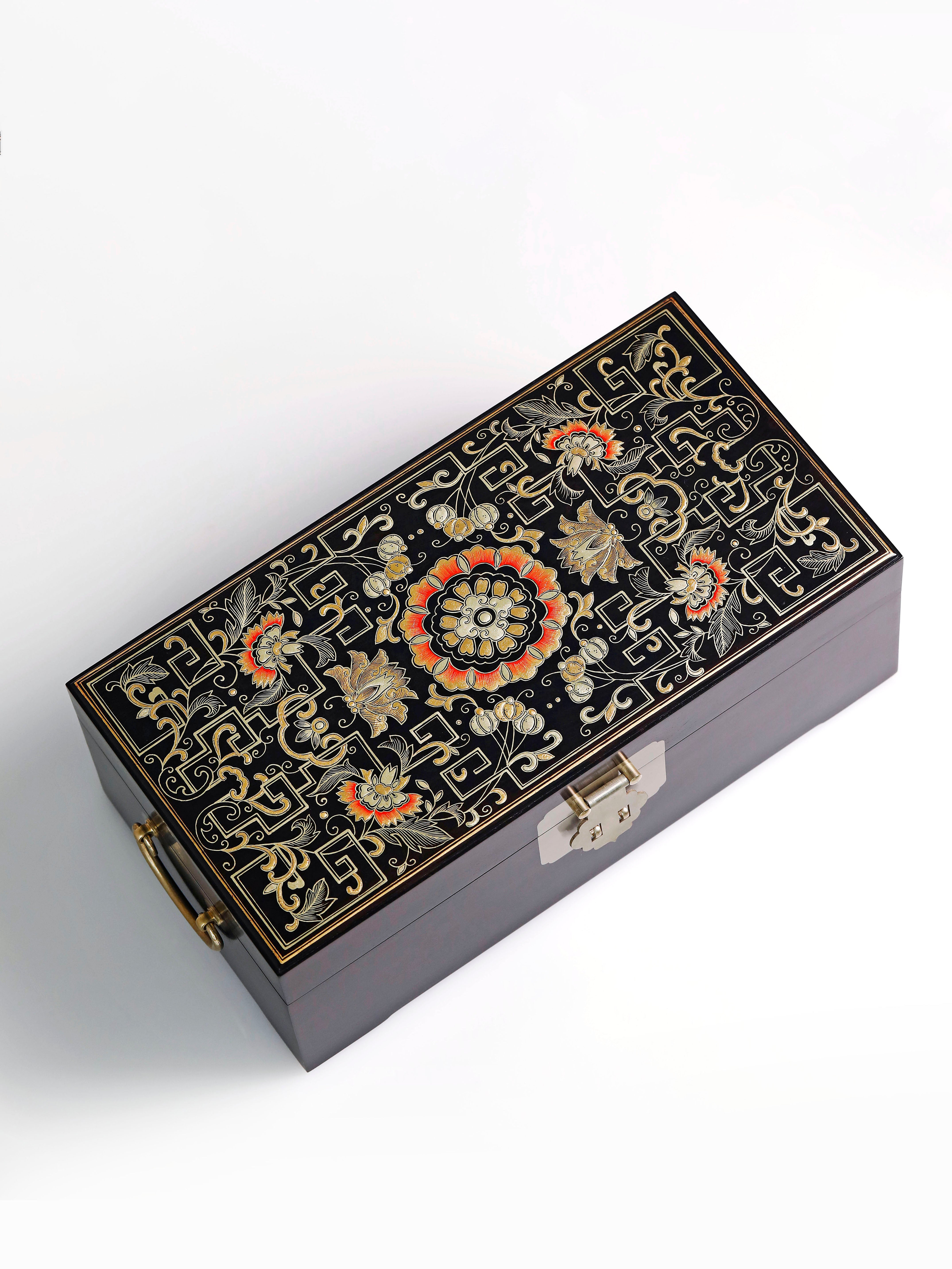
Wooden box packaging with inner sealed bags
Store in a clean, odor-free environment
Keep away from light and moisture
Ideal humidity:60%~70% (moisture protection required in southern regions)
Optimal temperature:20~30℃, avoid drastic fluctuations (e.g., direct exposure to heating or air conditioning)
Maintain moderate ventilation (avoid complete sealing) but isolate from odors (e.g., cooking fumes, cosmetics).
Light-proof storage: Ultraviolet rays damage the tea’s internal components; use light-shielding containers or store in dark places.
Keep away from odor sources like kitchens and bathrooms to prevent absorbing unwanted smells
Storage Containers
1. Purple clay jars/pottery jars
Good air permeability, suitable for long-term storage; check humidity regularly (use cautiously in southern regions).
Clean with boiling water and dry thoroughly before use to avoid residual moisture.
2. Cartons + bamboo shoot husks/cotton paper
An economical, practical combination: Bamboo shoot husks resist moisture and allow breathability; cartons block light and stack easily.
For cake tea, store whole batches (unopened in bamboo shoot husks) to minimize external interference.
3. Sealed bags (for short-term use)
Suitable only for short-term storage (within 1 year); long-term sealing hinders aging.
Use food-grade aluminum foil bags; squeeze out air and seal after adding tea.
Notes
Refrigeration is incorrect: Low temperatures inhibit fermentation, and refrigerator odors are easily absorbed by tea.
Complete sealing is incorrect: Pu’er requires trace oxygen for transformation; vacuum packaging is unsuitable.
The Myth: “New Tea Needs Sealing to Reduce Bitterness”
Folk wisdom claims, “New Pu’er is bitter and harsh; seal it for 3 years to ‘cool its heat’” — but this only applies to teas from poor ecological origins.
For Pu’er made from top-grade materials like thousand-year-old ancient trees or Bingdao old village tea, the new tea phase is the start of its flavor peak.
Take such ancient tree spring tea: It boasts rich wild floral aromas, fresh liquor, prominent rock sugar sweetness, and layered depth, fully embodying the essence of primitive ecology. Its charm lies in the unpolished vitality of the new tea phase.
Practice shows that after 5 years of storage, it shifts to a “classic aging trajectory” and loses its uniqueness.
For fine tea, drink it when new — savor its annual transformations.
Allow moderate air exposure in the first 3 years of storage to preserve the new tea’s ecological essence.
5-10 years: The tea’s nature mellowss; woody and aged aromas emerge.
Over 15 years: The liquor turns rich reddish-brown; the taste becomes mellow and full.
The storage philosophy of top-grade ancient tree tea is, at its core, reverence and preservation of primitive ecology.
一、问题的缘起
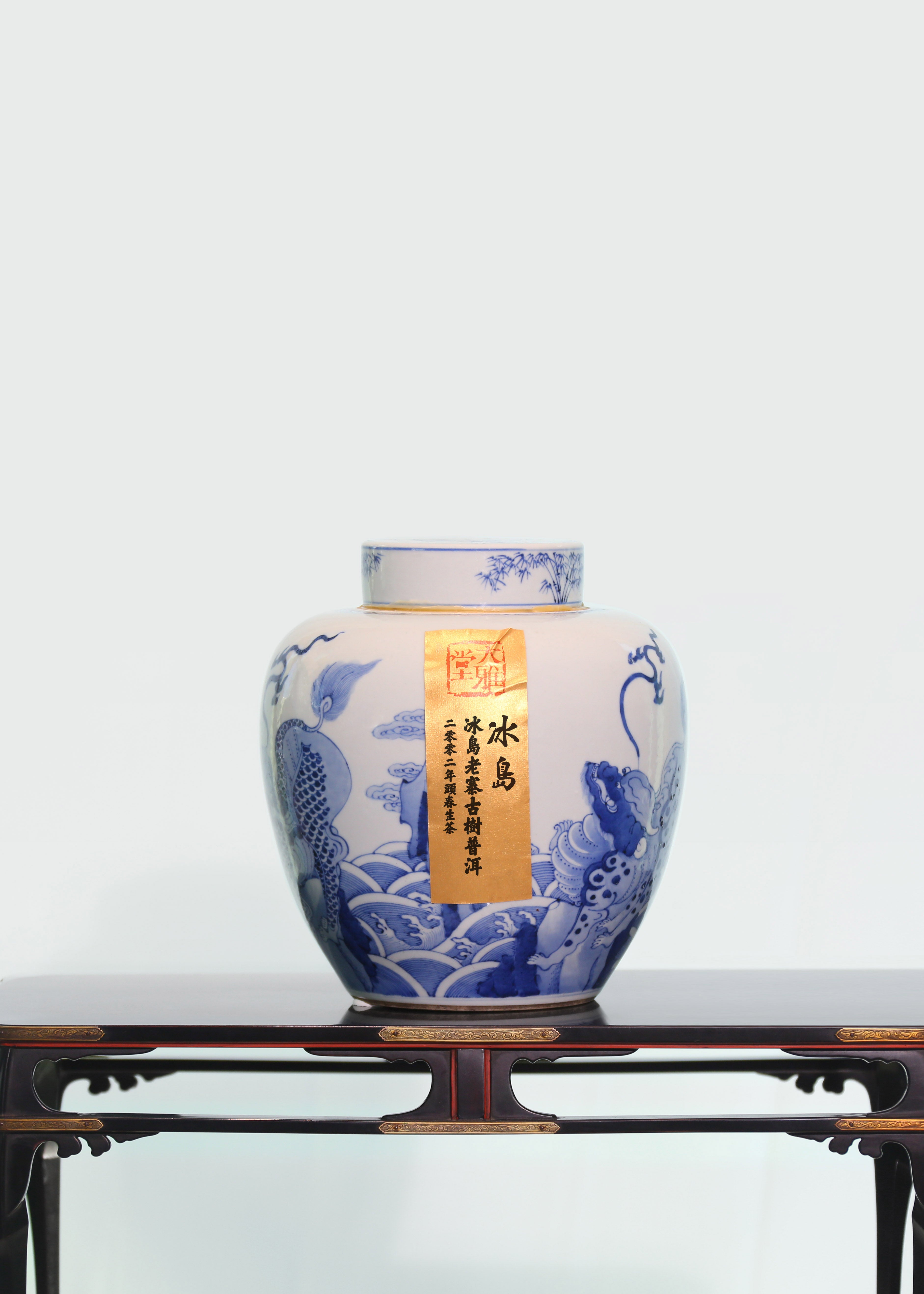
一位制茶人要在茶罐上以书法落款“2003年”。他面临三种选择:国家标准规定的“二〇〇三年”、日常常见的“二零零三年”、以及传统数词写法的“二千零三年”。哪个才是正确的?
这个问题看似微小,却牵扯出汉字书写史上一个有趣的断层:一种诞生于二十世纪以后的行政规范,与千年相承的笔墨传统之间,究竟谁该服从谁?
二、“〇”的身份困局
1. 从文献看“〇”
“〇”作为数字空位符号,在宋金时期的算筹记录中偶有出现,但从未被历代书法经典收录。唐代颜柳欧赵、宋代苏黄米蔡、元代赵孟頫、明代文徵明董其昌——没有一位书法家的传世作品中写过“〇”字。直到近现代,随着印刷排版的需要,“〇”才被纳入国家标准字符集,成为“规范汉字”。
2. 规范的性质
《出版物上数字用法》(GB/T 15835-2011)明确规定:公历年份中的“0”应写作“〇”,例如“二〇〇三年”。这是一项行政与印刷规范,其目的是统一公文、教材、报刊的数字书写,减少歧义。它从未被宣称适用于书法创作、艺术品落款或传统文化实物。
因此,将“二〇〇三年”强加于书法作品,等于要求颜真卿写一个他从没见过的字——这既不尊重传统,也不符合规范的适用范围。
三、“零”的传统与误解
1. 传统数词的“零”规则
在明清文献中,数词遇到连续空位时只用一个“零”。例如《金瓶梅》中的“一百零六两”,《西游记》中的“三千零四十点”,国家标准也保留了这一规则:计量时“一千零三”正确,“一千零零三”错误。
但这一规则适用的是数量表达(几斤几两、多少人),而非年份编号。公历年份本质上是编号,传统中国本无公历纪年,自然也没有“年份应当如何写”的既定规则。古人若需写“2003”这个数目,会写“二千零三”;若需标记年份,则用干支或年号。把传统数量规则照搬到公历年份上,本身就是一种嫁接。
2. “零”在书法中的正当性
与“〇”不同,“零”字是一个拥有完整书写谱系的传统汉字。从汉隶到唐楷,从王羲之到董其昌,“零”的写法代代相传,有帖可临、有碑可宗。这意味着在书法作品中写“零”不会造成审美的断裂。
四、“二千零二十六年”为何别扭?
有朋友提出:既然“二〇〇三”不好,那写“二千零二十六年”如何?这个方案每个字都有来历,且符合传统数词规则。
实测读感:“二千零二十六年” 七字,读音拖沓,书面感强。在简练为上的茶罐、扇面、小品中,显得笨重。“二千零二六年”更顺口,却不符合数位规则(跳过了“十”位)。而“二零二六年”虽然连续用两个“零”违反传统数词规则,但胜在口语自然、书写简练、一目了然。
这说明:传统文化实物的受众是“人”而非“规范”。一个写在茶罐上的年份,首先要让买家看得懂、觉得美,其次才谈得上是否符合某条文。为了遵守一条针对印刷公文的规定,而牺牲直观与雅致,无疑是舍本逐末。
五、真实场景下的抉择
场景:一款珍贵的老茶,泥金纸上书法落款
- “二〇〇三年”:规范但生硬。“〇”字无古法,写出来与周围笔墨格格不入,行家一看便觉不伦。
- “二千零三年”:传统但歧义。若无“公元”前缀,可能被理解为“时长二千零三年”,且字数略多。
- “2003年”:清晰但非书法。阿拉伯数字与笔墨纸砚属于两个审美系统,破坏整体感。
- “二零零三年”:通俗而可书。每个字都有书法依据,连用两个“零”虽是俗写,但百姓熟知、视觉协调。
为何不选“干支”?
干支纪年(如“癸未年”)最为传统,且常以印章形式出现,完美避开数字难题。然而,制茶人有时希望年份一目了然,无需买家换算。因此,手写公历年份的需求真实存在,无法完全被干支取代。
六、结论:让规范的归规范,传统的归传统
我最终的立场是:
在书法、茶包装、传统工艺品等以审美和文化传承为核心的场景中,应当写“二零零三年”(或“二零二六年”),而非国家标准中的“二〇〇三年”。
理由有三:
- “〇”没有书法传统,强行使用破坏笔墨气韵。
- 国家标准是行政规范,适用范围不包括艺术创作。艺术有自己的约定俗成。
- 传统文化的生命力在于活态使用,而非死守教条。老百姓读“二零零八年”顺口,看“二〇〇八年”一愣——规范不能凌驾于常识。
至于“零”不允许重复的传统数词规则,那是计量逻辑,不是编号逻辑。公历年份是编号,老百姓逐位读写“二零零三”完全合理。我们不必为了一条适用于账本的规则,去绑架一幅书法作品。
最后,送给每一位制茶人、书家、藏家:
当你提笔落款时,先问自己——你的作品是写给公文柜,还是写给懂茶的人?若答案是后者,那就放心写下“二零零三年”。笔墨从心,不必为铅字规范所困。