


Nanuo Mountain Ancient Tree Sun-Dried Black Tea
Nanuo Mountain Ancient Tree Sun-Dried Black Tea
Nanuo Mountain Ancient Tree Sun-Dried Black Tea
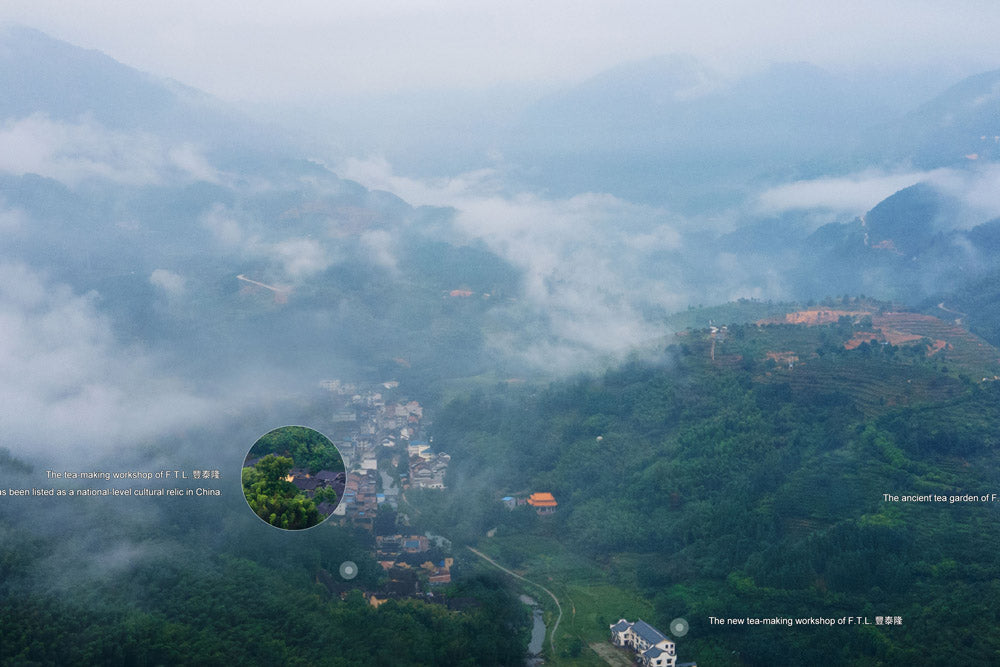
The mists of Nannuo Mountain in Yunnan are always softer than elsewhere—at an altitude of 1700 meters in Banpo Old Village, the morning mist is like a veil, and the balcony of the wooden house of Tea King Che Jie faces the layered, verdant tea mountains. Dendrobium orchids quietly climb the rooftops and courtyard walls, and flowers bloom in all seasons. Since the house was built, the hearth inside has never been extinguished. The lives of the Aini people revolve around this fire and this tea, slowly brewing a long and enduring human warmth.
Che Jie often says that the dozens of ancient tea trees in his home are "more precious than anything else." They are not only his most treasured possessions, but also the economic pillar upon which his family depends for survival.
Ascending the winding mountain path to see his family's ancient trees, fallen blossoms carpet the path, the air is filled with the fresh scent of grass and earth, and a sea of clouds surges below. Before me stands this ancient tea tree, a single horizontal branch stretching five meters, its canopy covering nearly a hundred square meters. For centuries, these ancient trees have never been treated with pesticides or fertilizers; birds peck at them, insects roost in them, fallen leaves return to their roots—everything follows the natural ecological cycle, growing quietly.
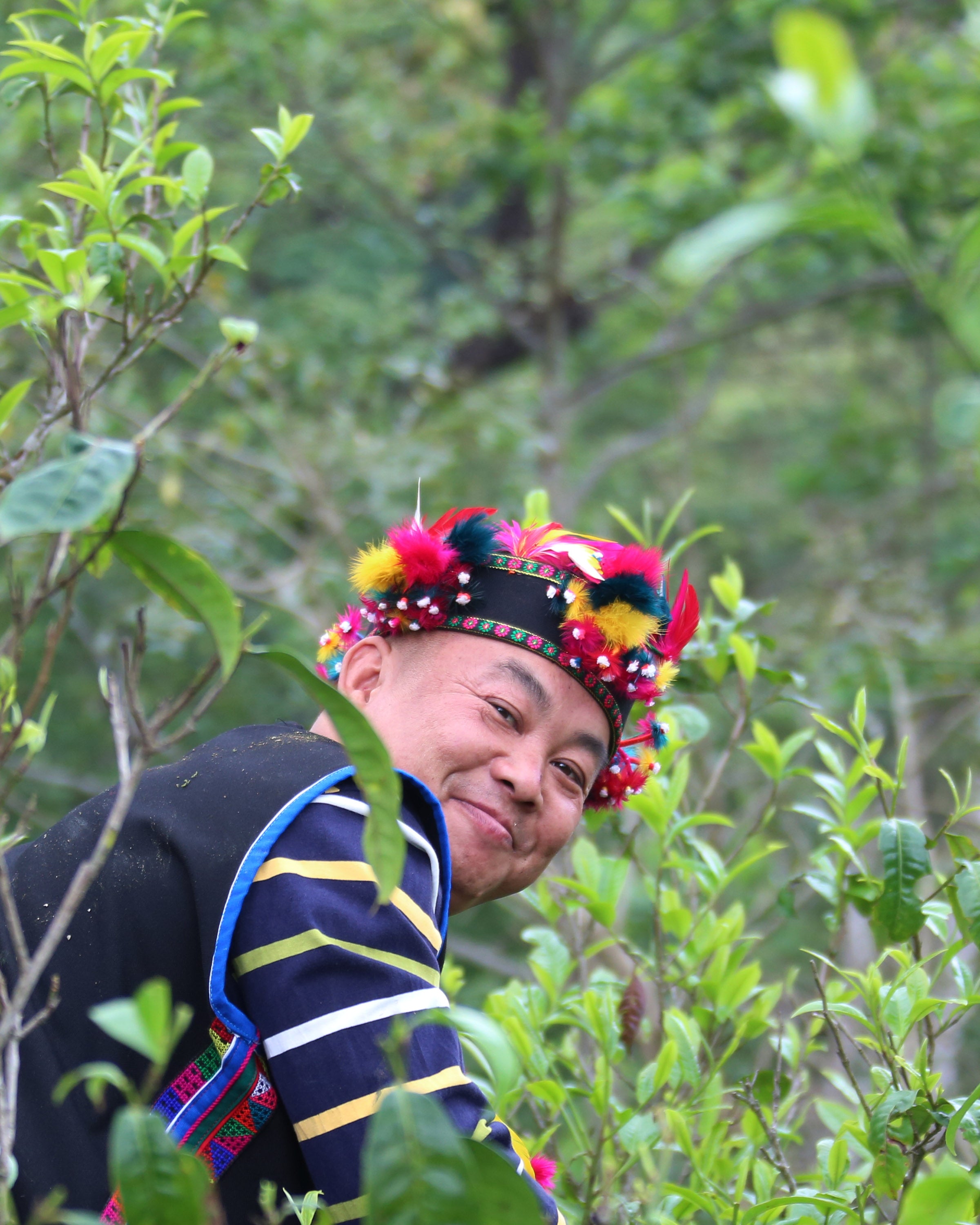
Every tea-picking season, the lights at Che Jie's house stay on until late at night. He and his brother-in-law stand shirtless before a scorching hot iron wok, their wrists flying as they stir-fry the new tea. Che Jie's control over the heat and his keen sensitivity to the changes in the tea leaves have long been renowned. This undisputed "Tea King" of Banpo Old Village has not only attracted the attention of the BBC but has also been featured in the CCTV documentary "Tea, the Story of a Leaf." Despite his growing fame, Che Jie remains as simple and unassuming as ever, working tirelessly day after day with his sister and brother-in-law, sharing their joys and sorrows.

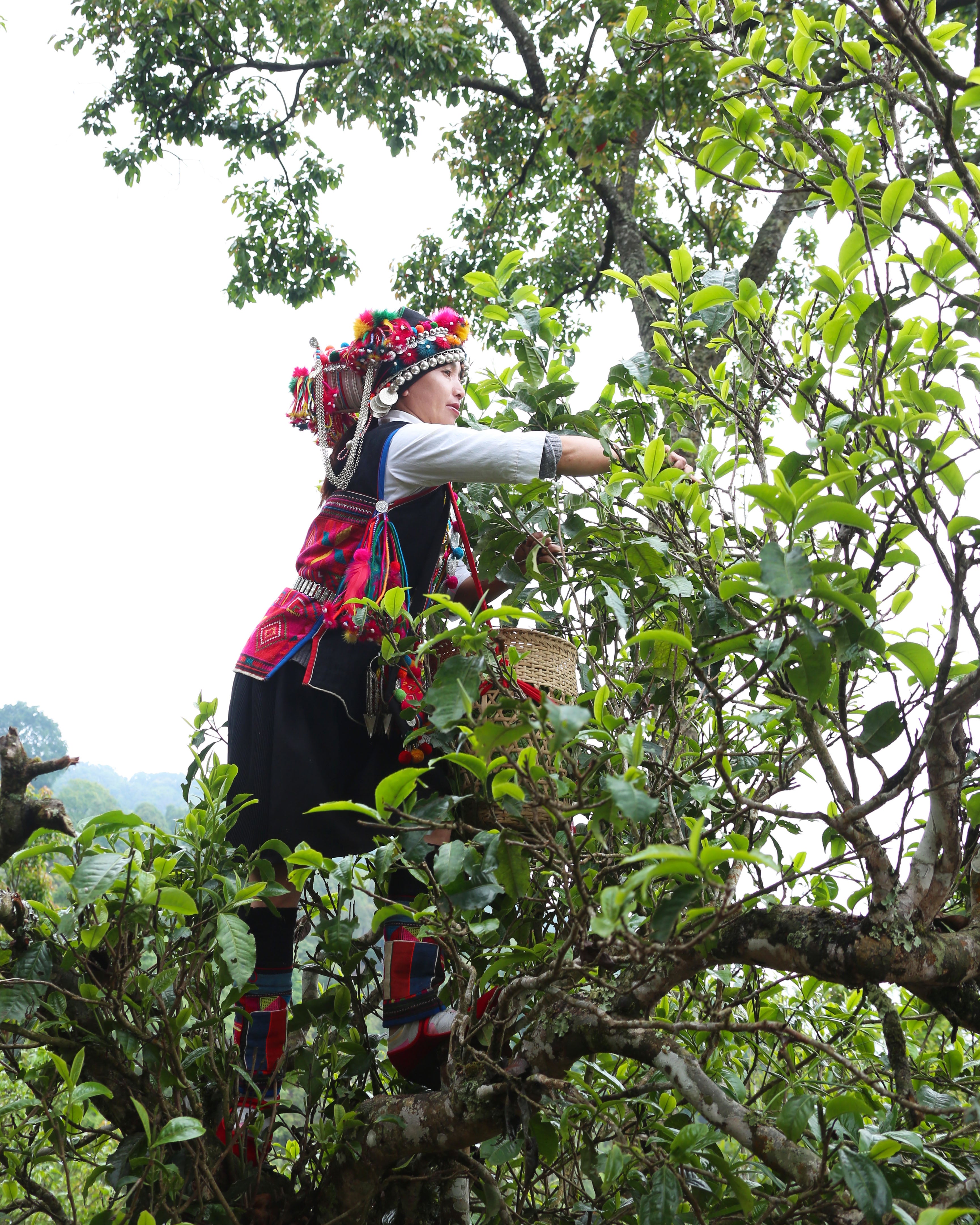
Che Jie's younger sister, Che Dian, is the most vibrant sight in the tea mountains. She married not far away and returns to her parents' home to help during the tea season. She can easily step onto a log placed over a tea tree, her hands moving lightly and swiftly among the buds and leaves, almost like dancing. When she's in high spirits, she sings ancient songs of the Aini people, and Che Jie echoes from another tree. The songs, mingled with the aroma of tea, resonate through the valley, more beautiful than birdsong.

After finishing work and returning home, Che Dian had transformed—Aini cured pork was stewing on the earthen stove, and bamboo rice steamed with an irresistible aroma. During the meal, she still remembered to "leave a chicken wing to hang in the house after eating," saying it meant "abundance year after year." Holding our steaming bowls of rice and listening to the crackling of the fire pit, we suddenly understood: the tea in these mountains was never just isolated leaves, but life itself, inextricably linked to family, customs, and songs.

In early spring this year, Che Jie called, his voice brimming with excitement: "The first flush of tea, sun-dried red, is about to be harvested!" After a long week of waiting, I finally received this can of "tea personally crafted by the King of Tea." As soon as I poured boiling water over it and opened the lid, a rich floral aroma filled my nostrils. Taking a small sip, the fragrance lingered on my cheeks. Closing my eyes, I felt as if I were back in the tea mountains of Banpo Old Village—cicadas chirping in my ears, wildflowers blooming in the air.
This Nannuo Mountain ancient tree sun-dried red tea embodies Che Jie's craftsmanship: he uses fresh leaves from his own ancient Pu'er tea trees as raw material, employing the sun-drying process for black tea—using sun-drying instead of baking to retain more natural activity. The tea soup has both the sweetness of black tea and the mellowness of Pu'er, and possesses greater potential for later aging. This 2025 vintage is more intense and vibrant than previous years, as if the entire spring of Nannuo Mountain has been infused into this cup of tea.
Time may pass, but the camellia remains evergreen. Just as Che Jie guards his ancient tea trees and his family by the hearth, this cup of sun-dried red tea silently protects the spirit of Nannuo Mountain—it has a sweet aroma on the palate, and once it touches the heart, it embodies the deep affection between the tea king's family and this land.

Every early spring, Che Jie calls: "Once you've tanned your skin red in the early spring, it's time to go out of the mountains!"

The picking standard for Bingdao ancient ancient tree tea is one bud with two leaves.
Tea King Che Jie's Sun-dried Red Tea from Ancient Trees in Nannuo Mountain
Appreciation
This sun-dried tea uses fresh leaves from century-old tea trees belonging to Che Jie, the "Tea King" of Banpo Village in Nannuo Mountain, Yunnan. It is made using his unique techniques combined with the traditional sun-drying methods of the Hani ethnic group. It is a fusion of the ecology of Nannuo Mountain, the intrinsic quality of ancient trees, and the craftsmanship of the tea king, with a sweet taste that hides the charm of the mountains and forests.
Year: 2024, 2025
Level: Top Rare
Maker: Che Jie, King of Tea from Nannuo Mountain, Yunnan
Origin: Che Jie's family's ancient tea trees, located at an altitude of 1800 meters on the mountainside of Banpo Laozhai, Nannuo Mountain, Yunnan.
Variety: The Menghai large-leaf variety is a sexually propagated species formed through long-term natural evolution without artificial selection, thus retaining rich genetic diversity.
Craftsmanship: Using the first spring buds and two leaves from the family's century-old tea trees, it combines the millennia-old tea-making wisdom of the Hani people with its own unique techniques.
Quality Appraisal
Dry tea appearance: the natural texture of ancient tree buds and leaves
The dry tea leaves are in the form of one bud and two leaves. The leaves are tightly rolled but not stiff. The buds are plump and fresh, with a dark and lustrous color and light brown and golden hairs. They have a fine velvety feel to the touch. This is the mark of Che Jie's selection of tender shoots from ancient trees in the first spring. If you bring your nose close, you can smell a faint honey fragrance mixed with a hint of the freshness of mountain forest grass and trees.
Aroma: A layered, mellow sweetness
The moment you lift the lid, a rich floral fragrance wafts out. The top notes are fresh wildflowers and peaches, the middle notes turn into a mellow aged fragrance, and the base notes reveal the unique woody scent of ancient trees. The layers are distinct yet not chaotic. The fragrance lingers at the bottom of the glass: the honey scent is long-lasting and does not dissipate.
Flavor: The beauty of a perfect balance between sweetness and richness
Unlike traditional black tea, sun-dried black tea from ancient trees is much more vigorous and fresh! The tea is rich yet refreshingly sweet – this comes from the high amino acid content of the fresh leaves from ancient tea trees. When swallowed, the tea soup is thick and smooth like syrup, and a sweet aftertaste immediately rises in the throat, changing from the initial floral and fruity sweetness to the jujube sweetness. The sweetness of black tea and the mellowness of Pu'er tea intertwine in the mouth, "fragrant in the water, and moist in the fragrance".
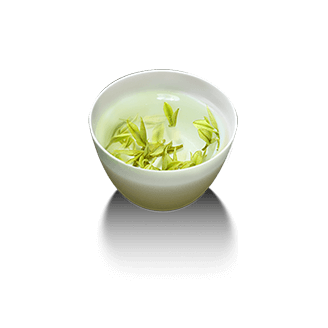
Infused Leaves: Reddish-brown and intact, with thick and elastic leaf flesh, showing the characteristics of tender shoots from ancient trees.

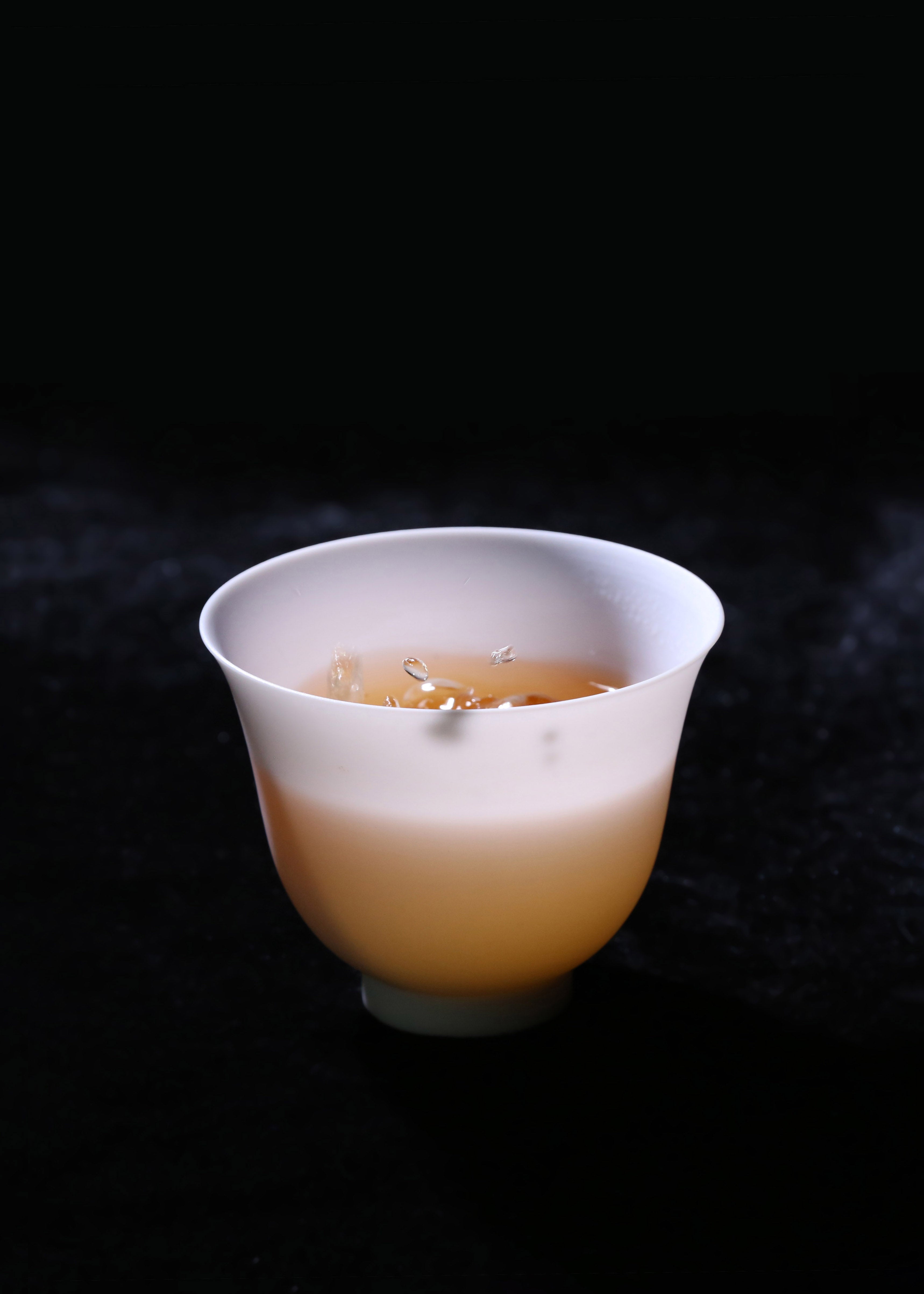
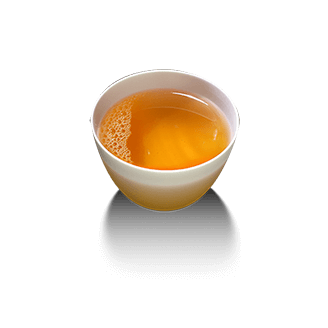
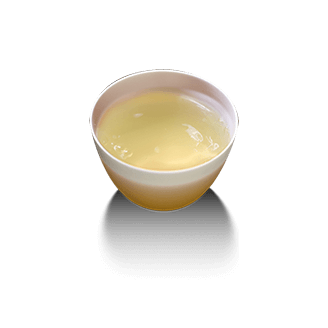
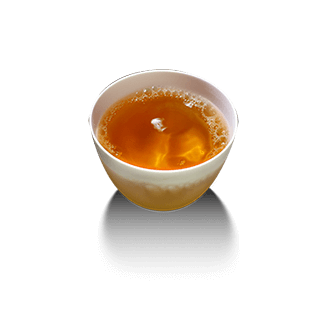
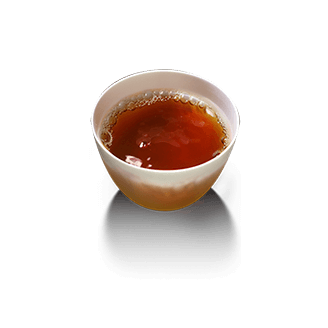
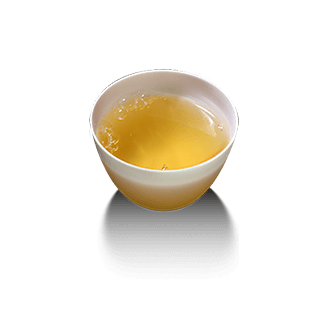
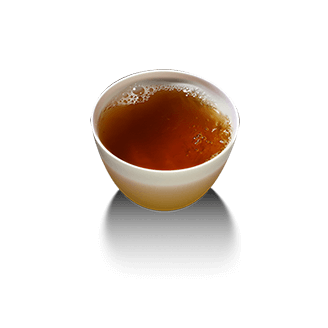
The soup color exhibits a lustrous beauty reminiscent of amber with a golden ring.

The natural texture of ancient tree buds and leaves
The tea liquor possesses both the refreshing sweetness of Black Tea and the mellow richness of Pu'er, while holding significant potential for future transformation (ageing).
The tea liquor possesses both the refreshing sweetness of Black Tea and the mellow richness of Pu'er, while holding significant potential for future transformation (ageing).
I. Equipment Selection
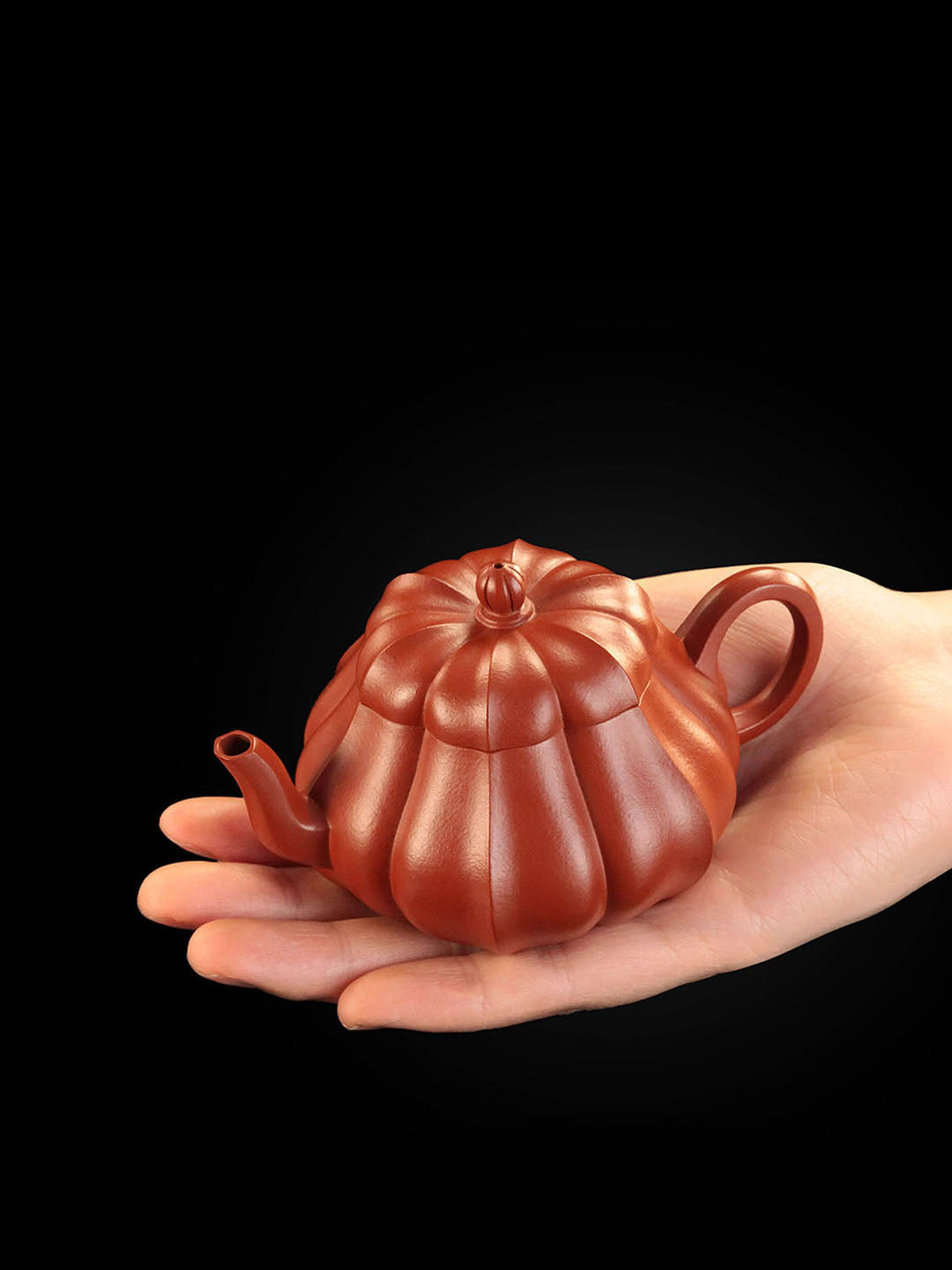
The first choice is a white porcelain gaiwan, which does not absorb aroma and has good light transmission, allowing you to clearly observe the golden ring and tea hairs in the tea soup, and restore the natural aroma of the sun-drying process; the second choice is a small-capacity purple clay teapot (80-100ml), which needs to be boiled in advance to remove any impurities.
II. Water Temperature and Tea Addition
Water temperature should be controlled at 90-95℃ (avoid boiling water to scald the buds and protect the active substances). The utensils should be thoroughly scalded before brewing to stabilize the temperature. The amount of tea leaves should be 5-6g (tea to water ratio 1:20) to match the concentrated internal quality of fresh ancient tree leaves and avoid excessive astringency.
III. Serving the soup
No need to rinse the tea. For the first three infusions, steep for 15-20 seconds to bring out the freshest floral and fruity aromas.
4-8 infusions: Extend each infusion by 5-10 seconds, and the aroma of aged wine and honey will gradually emerge;
After 9 infusions: Steep for 30 seconds, the last infusion will still retain a sweet and smooth taste. Leave 1/6 of the tea soup at the bottom of the cup after each infusion to maintain a stable concentration and fully release the inner qualities of the ancient tree and the sweet and smooth taste of the mountain forest from the tea king's handcrafted tea.
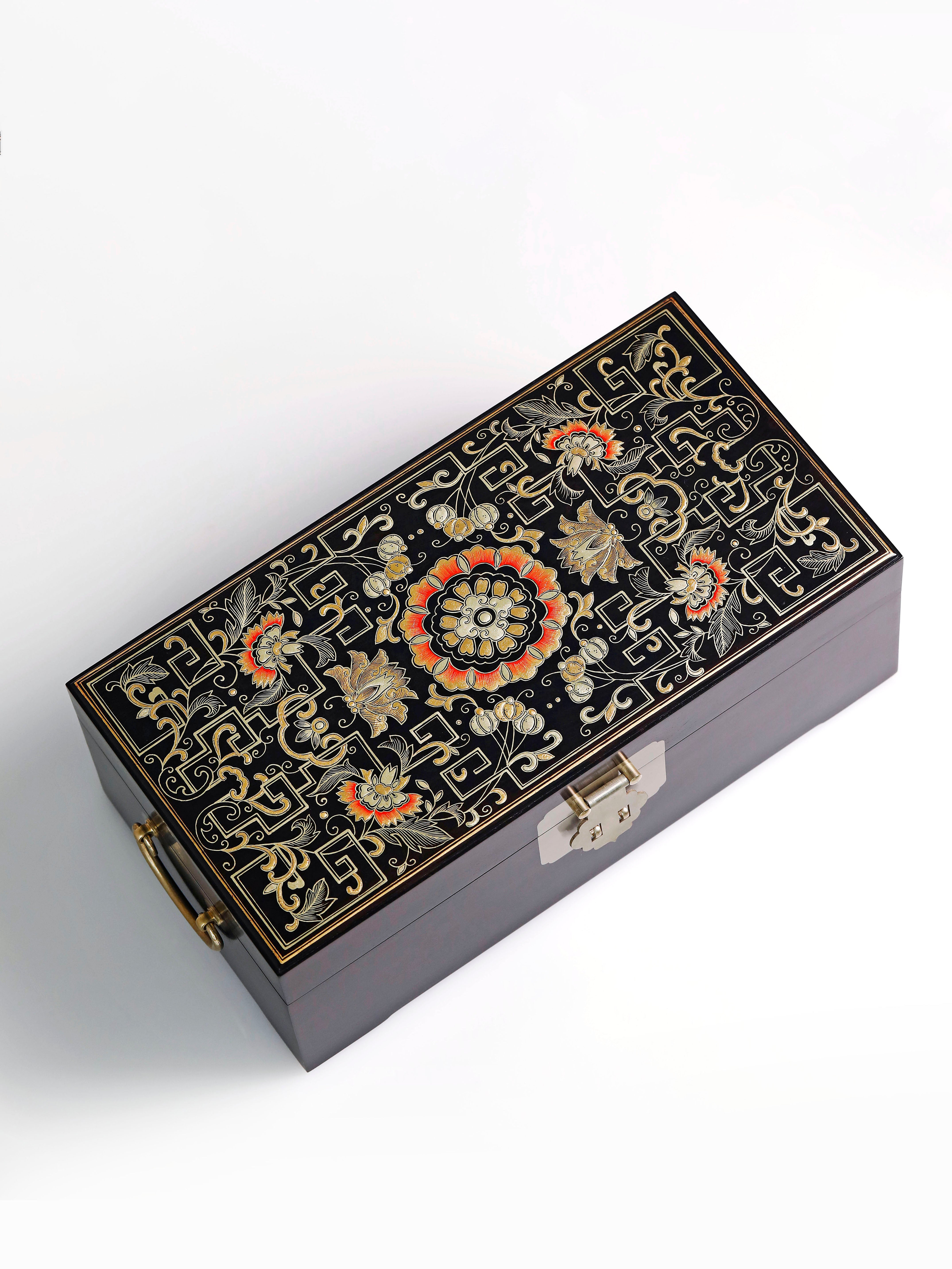
Wooden box packaging with a sealed bag inside.
Ancient Trees Sun-Dried Black Tea
This sun-dried red tea combines the sweetness of black tea with the transformation potential of Pu-erh tea. Storage should balance preserving its current flavor with promoting future transformation. The key points are as follows:
Core Storage Principles
Avoid light, high temperatures, and odors.
Temperature and humidity: Temperature 15-25℃ (avoid high temperatures that accelerate oxidation), relative humidity 50%-65%;
Keep away from direct sunlight (to prevent theaflavins from decomposing and the tea soup from darkening), and place in a well-ventilated area;
No odor interference: Do not store with items that have odors such as oil fumes, spices, or cosmetics, as the tea will absorb odors and destroy its original honey and aged aroma.
Container selection
For short-term storage (within 1 year): Use a clay or ceramic jar with ventilation holes (the capacity should match the amount of tea to reduce air retention inside the jar). After taking out the tea, seal the jar tightly to balance preservation and slight ventilation.
For long-term storage (over 1 year): Use an aluminum foil bag (vacuumed to a semi-vacuum, leaving a small amount of air) + a kraft paper box (wrapped with moisture-proof paper), and place it in a cool, dry storage cabinet. This will prevent moisture and allow for slow transformation.
Taboo
Avoid placing it in the kitchen/bathroom: oil fumes, moisture, and odors will directly contaminate the tea leaves;
Avoid placing it on the balcony/windowsill: direct sunlight will cause the aroma to dissipate and the flavor to become bland;
Avoid frequent stirring: Frequent opening of the container will disrupt the temperature and humidity stability and accelerate the evaporation of flavor.
Post-conversion and inspection
Check the tea leaves every two months by opening the box/can to see if they are moldy or have any off-odors (they should normally retain a honey and aged aroma). If stored properly, the tea leaves will gradually develop a richer woody and jujube aroma within 3-5 years, and the tea soup will also become smoother.
Shelf life
The above storage method allows for long-term storage.

The Home of the Tea King