


2026 Handcrafted Wild Black Tea
2026 Handcrafted Wild Black Tea
2026 Handcrafted Wild Black Tea

F.T.L. 豐泰隆 and Dayatang 大雅堂 are our two brands —
rooted together, bound by a single lineage.
A Cup of Fine Tea
Six Generations of Perseverance and Legacy
F.T.L. 豐泰隆 and Dayatang 大雅堂 are our two brands —
rooted together, bound by a single lineage.

F.T.L.:Since 1851
【F.T.L. 豐泰隆: A 175-Year Legacy, Six Generations】
F.T.L. 豐泰隆 represents the most completely documented lineage of the Tanyang Congou tea-making craft. According to the Memorials of Min-Zhe Governor Ying Gui: "The village of Tanyang produces over 7,000 chests of tea annually, accounting for more than 70% of Fujian black tea production at the time."

(1827.9.9 – 1893.4.4)
Shi Guangling founded F.T.L. 豐泰隆. He was a co-founder of Tanyang Congou black tea and a pioneer of China's modern tea industry. He opened the maritime tea route for Fujian black tea and pioneered the double-smoked method. Due to the exceptional quality of his tea, F.T.L. 豐泰隆 was chosen as a supplier of specialty tea to the British royal family.

(Double-smoked Congou from Fuhkien, mark F.T.L.-D.S., 30 chests for Windsor Castle, included in the Annual Provision List.)
30 chests ≈ 1.5 tons (1 chest ≈ 50 kg)
This record is cross‑verified with the original 1888 annotated entry from the Royal Household Procurement Records.

Archival Evidence:
The National Archives (UK), reference LS 4/132 (1889), accounting records of the Lord Steward's Office (Royal Household) state:
(1895-1972)

Shi Zuofan (style name: Fulong), great-grandson of Shi Guangling, was a founder of modern China's tea industry and the first Chief Tea Evaluator of the state-run Fu'an Tea Refining Factory.
He systematically established the modern black tea evaluation system, trained the first group of Chinese tea experts to go abroad, and authored Essentials of Minhong Black Tea Refining, still a classic textbook in tea science.
Key contributions:
He formulated industry standards for China's black tea sector;
Innovated the “stepwise fermentation method”;
During a difficult period, he risked his life to preserve traditional tea-making techniques.
In 2021, the Tanyang Congou Intangible Cultural Heritage Protection Center posthumously recognized him as the “Founder of the Modern Black Tea Refining System.”
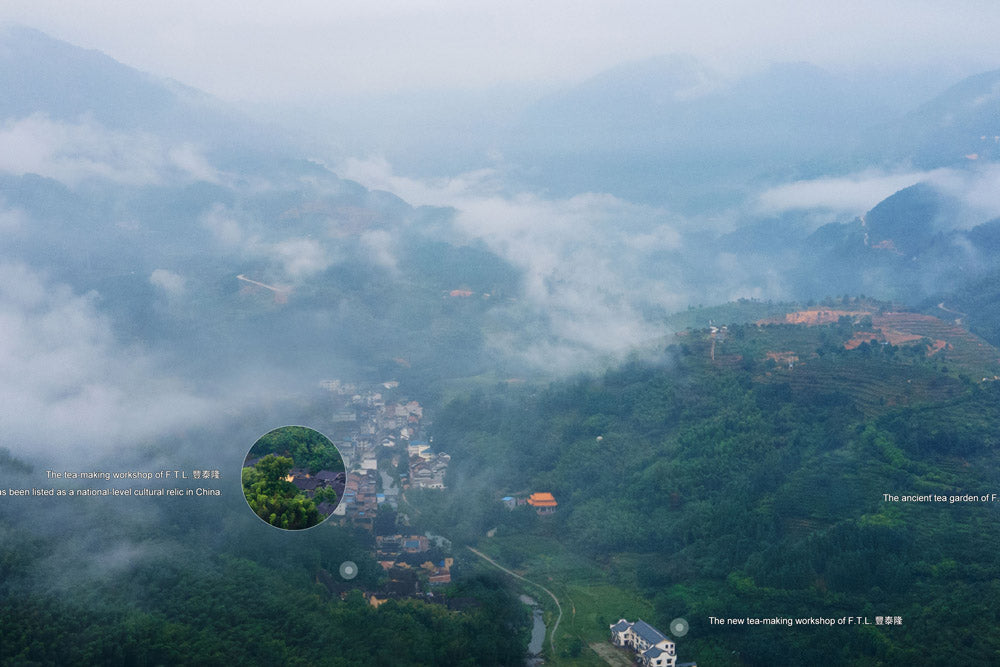
The tea-making workshop of F.T.L. 豐泰隆 holds significant importance in the history of tea production and is recognized as a cultural relic in China.

(1928-2015)

Shi Jikang was a tea scientist, engineer, and head of the Technology Section at the state‑run Tanyang Tea Factory.
His life was marked by turmoil and lived at the edge of danger. At a time when the craft of Chinese Gongfu black tea was at risk of being lost, he risked everything to preserve this intangible cultural heritage:
Winter 1969: Used an ox‑cart to hide six chests of antique tea‑making tools engraved with "F.T.L. 豐泰隆" in an abandoned kiln on Baiyun Mountain's north slope.

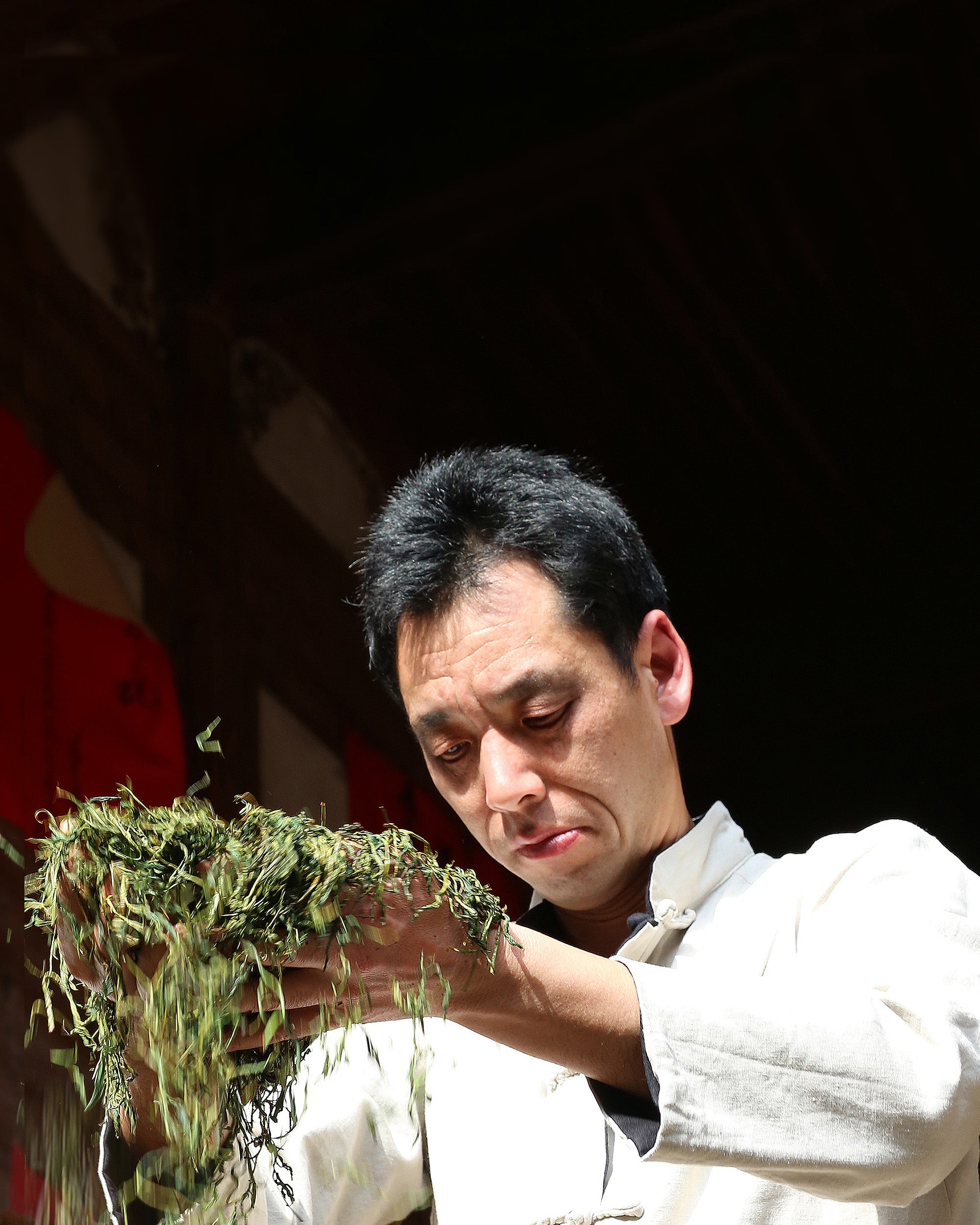
Shi Liqiang is the sixth‑generation direct inheritor, an ICH bearer, and a tea industry innovator of the 21st century.
The ICH collection teas personally crafted by Shi Liqiang set a contemporary black tea auction record of 450,000 RMB per chest at a Soong Ching Ling Foundation charity auction.
His work has been featured in reports by major Chinese media outlets.
Guanxianghong and the Double-Smoked Method – An Oriental Taste Code Flowing in the Genes
Six generations have preserved the taste heritage through the double-smoked method (achieving 0.8% theaflavin content) and the Guanxianghong cultivar (with an 85% purple bud rate).
The tea's history as a royal tribute (served at the 1887 Golden Jubilee banquet) and global material evidence (such as a 1908 tea chest found in Singapore) attest to its 175 years of cultural depth. From its premium status at London auctions to the contemporary record of 450,000 RMB per chest, the tradition continues through innovation while honoring its roots.
Crafts Never Age
– From Yesterday into the Future
Appreciation
Year: 2026
Level: Top Rare
Produced by: Shi Liqiang, inheritor of the intangible cultural heritage of Congou black tea
Origin: Tanyang Village, Fujian, China, the birthplace of Tanyang Congou
Variety: Wild population
Craftsmanship: Shi Family's Seven-Sieve, Eleven-Step Process, Guanxiang(AromaPrime) Ancient Method
Quality Appraisal
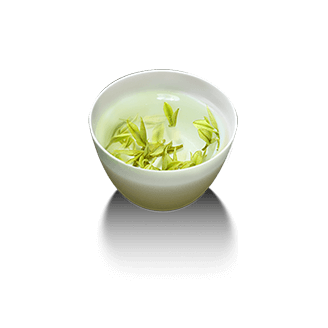
Dry tea appearance: single bud, The buds are plump and strong.
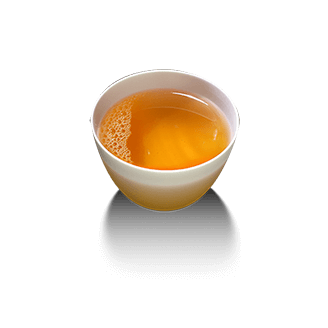
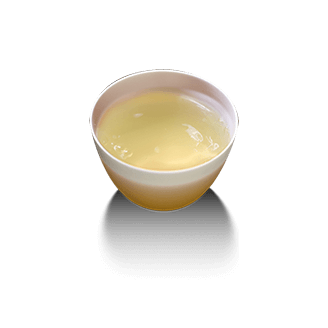
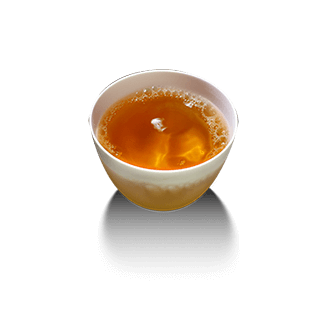
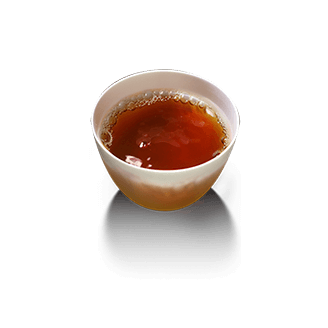
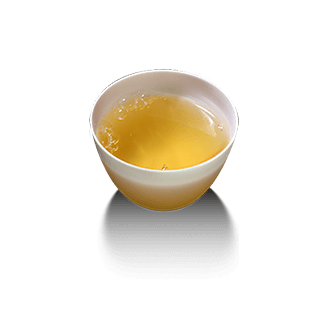
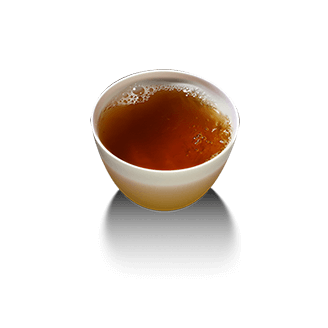
Tea liquor color: The wild tea from 2025 has a golden-yellow, amber-colored liquor.
Aroma: It has a rich floral fragrance that is refreshing and intoxicating.
Taste: A sip of wild tea reveals a mellow and sweet flavor, with a gentle, delicate sensation as wonderful as spring water. The taste is tender and vibrant, with a lingering sweetness. Even after eight infusions, the aroma and flavor remain, with a consistently sweet finish.
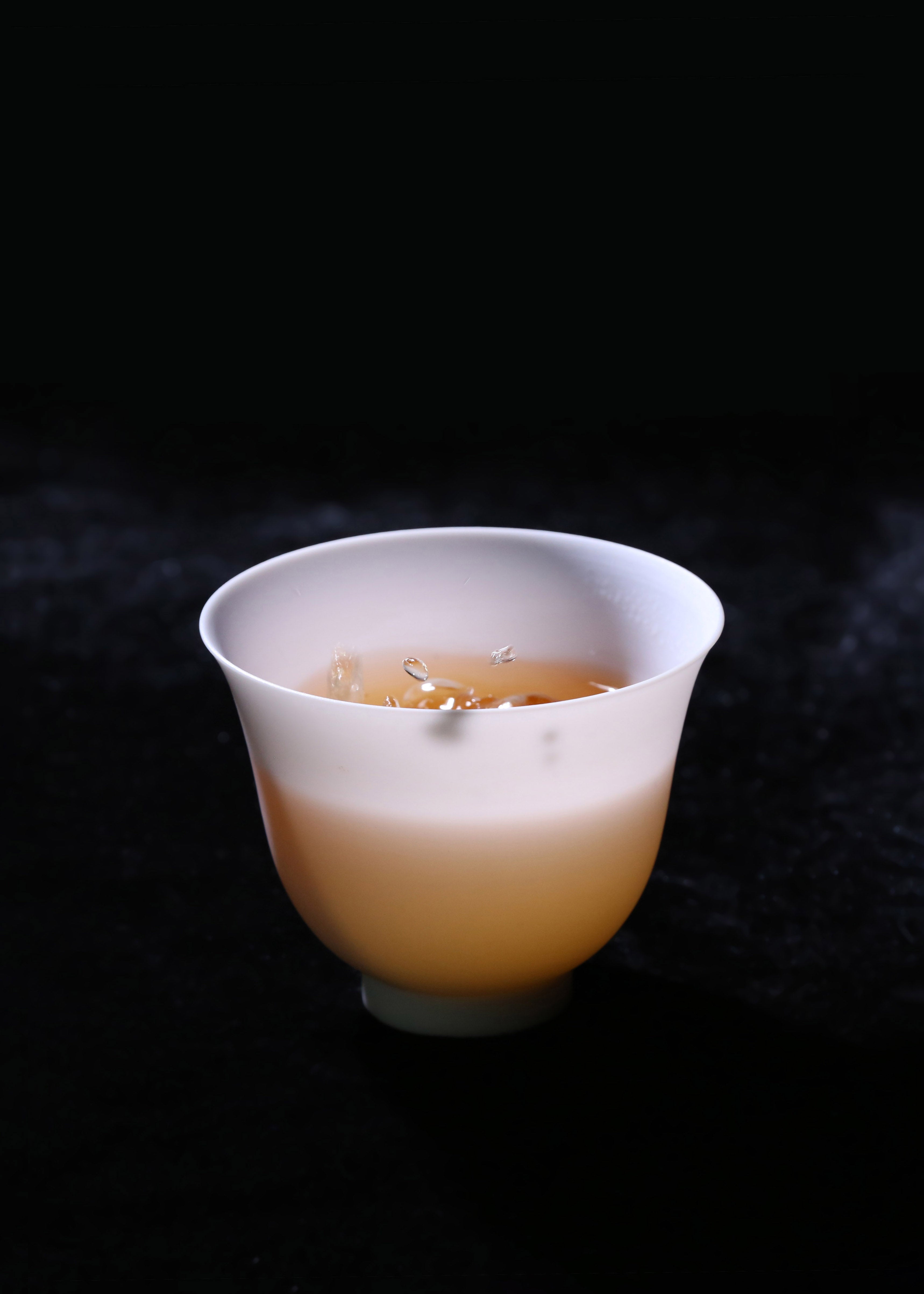
Wild mountain tea soup has an amber color.

Wild mountain tea strips are black and moist, single buds
1. Prepare tea warmer
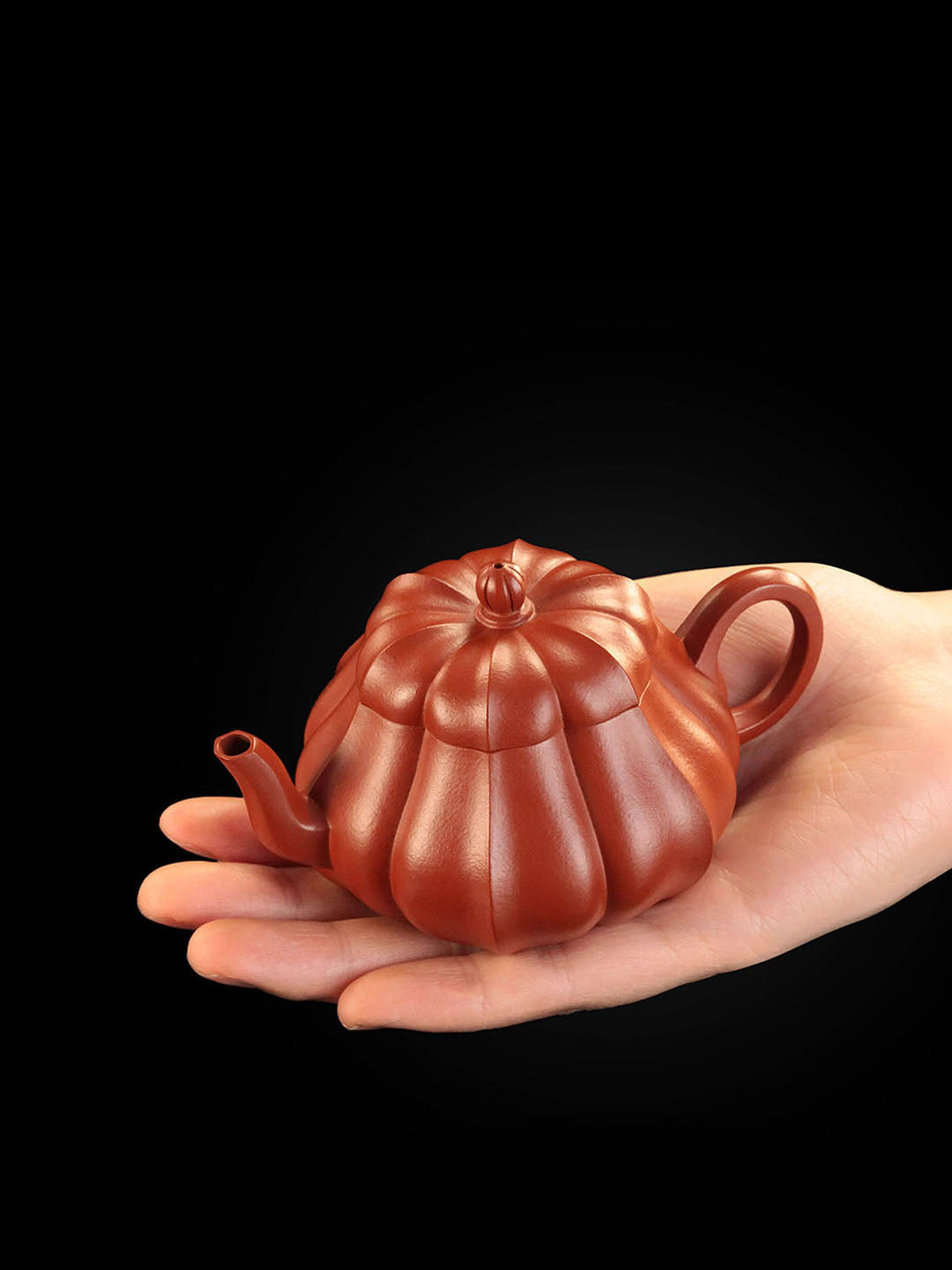
Gaiwan (lidded bowl), Yixing teapot, and glass teaware are all suitable.
Warm the cup with boiling water before brewing.
II. Adding tea leaves and shaking to release aroma
We recommend using 3-5 grams of tea leaves, but this can be adjusted according to personal taste. After adding the tea leaves, gently shake the container to release their aroma.
III. Brewing and Drinking
Let the boiling water cool to around 80 degrees Celsius. We recommend a gentle, slow brewing method, pouring water gently over the tea leaves to allow them to be evenly moistened and unfurled, resulting in a balanced flavor and aroma in the tea.
The first two infusions should be poured out within 2 seconds, the third within 3 seconds, and subsequent infusions can be poured out within a certain time. The aroma will linger after 7 infusions.
Brewing tips:
1. Always brew at a low temperature . If boiling water (100℃) is used for the first infusion, the tea tends to taste strong and bitter. Due to the characteristics of oral perception, even if the water temperature is appropriate in subsequent infusions, the tea will still feel bland. Therefore, using boiling water for the first brew will deprive you of the tea’s original wonderful experience.
This tip applies to all high-grade Chinese teas made from "tender buds and leaves", such as Mengding Ganlu and Biluochun. Generally speaking, the more delicate the buds, the lower the water temperature required; the coarser the leaves, the higher the water temperature can be.
2.A single serving of tea should be fully brewed within 20 minutes. If you can’t finish the brewed tea right away, store the tea infusion in a container. When you want to drink it again, reheat the previously poured infusion—in an instant, the room will fill with its enchanting, intoxicating aroma.
Do not leave the wet tea leaves (after steeping) in the gaiwan for an extended period (e.g., 1–2 hours) before re-steeping. This is because prolonged exposure leads to increased oxidation: tea polyphenols oxidize more deeply, the original fresh and brisk flavor fades, and aromatic compounds evaporate, resulting in a dull, tasteless brew. Such a method would reduce a rare, exceptional tea to a lackluster drinking experience.
This guideline applies to all highly aromatic Chinese teas.
Note: An exception exists for aged Chinese teas, as well as those with heavy roasting or strong fermentation. These can be steeped for longer periods, brewed slowly, or even simmered.

Please refer to the traditional Chinese black tea brewing method.

Tanyang Village, China – the origin of world-class black tea

The charm of tea ceremony lies
in what suits you as precious
A pot of pure water is enough
Don't be trapped by water quality metaphysics
A pot of pure water is enough
Don't be trapped by water quality metaphysics
The charm of tea ceremony lies
in what suits you as precious

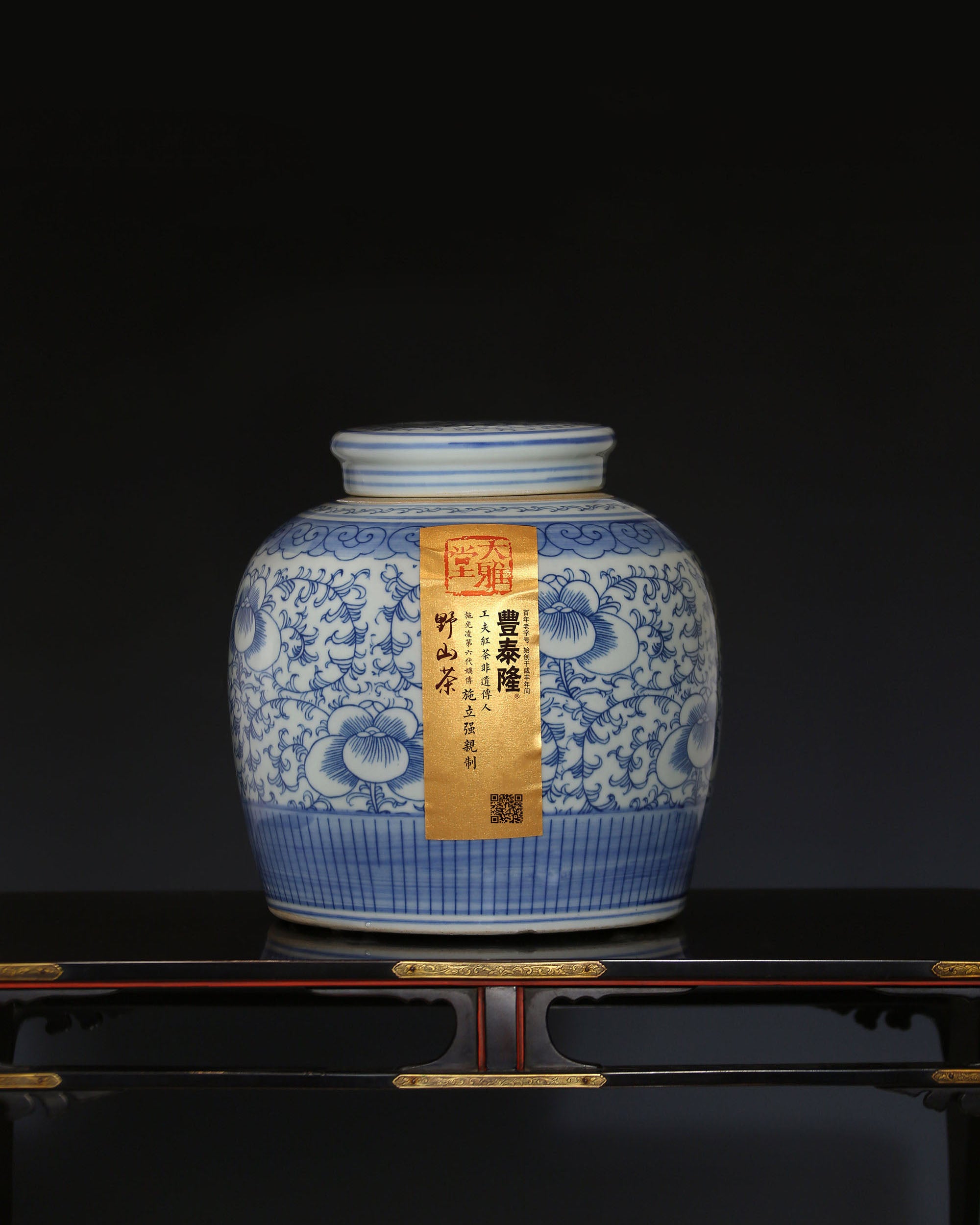
Blue and white porcelain jar
Specifications of Jar:
Height: 22cm;Belly Diameter: 21cm;Mouth Diameter: 9.5cm;Base Diameter: 18.5cm;
Net Weight: 250g
Packaging
Pure Tin Can Handcrafted by Sheng Yiyuan, Intangible Cultural Heritage Inheritor of Yongkang Tin Carving
Height: 15cm | Diameter: 11cm | Net Weight: 180g
The can body is shaped through thousands of manual hammer strikes, boasting a delicate and warm texture. Each hammer mark, varying in depth, is a unique imprint—not a repetition, but a vivid testament to the warmth of handcraft, embodying the profound connotation of intangible cultural heritage craftsmanship. The inner wall is finely polished using precision CNC technology, ensuring a smooth touch without roughness. Relying on high-precision craftsmanship, the lid achieves an airtight seal, integrating the warmth of handcraft with the accuracy of modern technology. It preserves ancient charm while maintaining practicality.
Height: 15cm | Diameter: 11cm | Net Weight: 180g


Sheng Yiyuan, inheritor of Yongkang tin carving intangible cultural heritage
Basic principles
Store in a sealed container in a clean, odorless, and dry environment, ideally below 25 degrees Celsius. Avoid light and moisture.
Note: Avoid opening the container frequently.
Every time the container is opened, the tea leaves come into contact with air and moisture, which accelerates the oxidation and deterioration of the tea.
Therefore, minimize the number of times you open the storage container.
Shelf life
The above storage conditions can be met for long-term storage.
1-year appreciation
Aroma: Compared to aged tea, the aroma is fresher, more invigorating, and more pronounced, with a noticeable floral and sweet fragrance, and a high degree of freshness.
Taste: Fresher and more vibrant than aged tea. Upon tasting, the robust inner qualities of the tea leaves are clearly perceptible, with a full-bodied flavor and a rapid and pronounced aftertaste.
Enjoy after 5 years or more of storage
Aroma: The floral and fruity aromas gradually fade, transforming into a rich and deep aged aroma, woody aroma, and camphor aroma, accompanied by a slight medicinal aroma.
Taste: The taste becomes increasingly mellow and smooth. After years of storage, the chemical composition of the tea leaves changes, and the content of irritating substances such as tea polyphenols decreases, resulting in a milder taste, a rich and mellow liquor, a long-lasting aftertaste, and a smooth and delicate flavor with a unique character.