


Red Mudan Tea Congou Black Tea
Red Mudan Tea Congou Black Tea
Red Mudan Tea Congou Black Tea

F.T.L. 豐泰隆 and Dayatang 大雅堂 are our two brands —
rooted together, bound by a single lineage.
A Cup of Good Tea
the Perseverance and Heritage of Six Generations
F.T.L. 豐泰隆 and Dayatang 大雅堂 are our two brands —
rooted together, bound by a single lineage.

F.T.L.:Since 1851
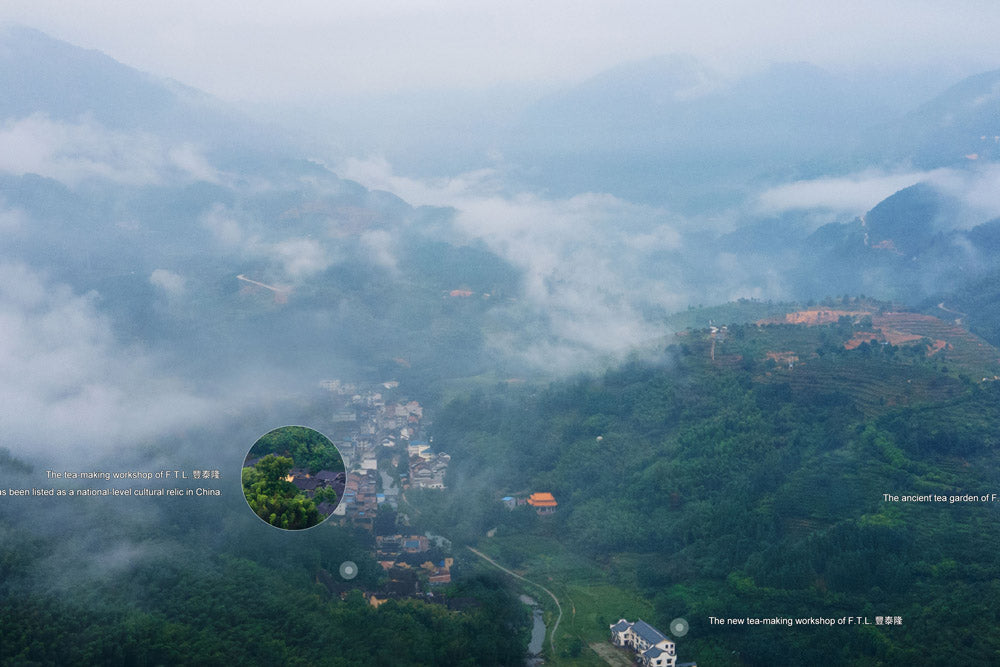
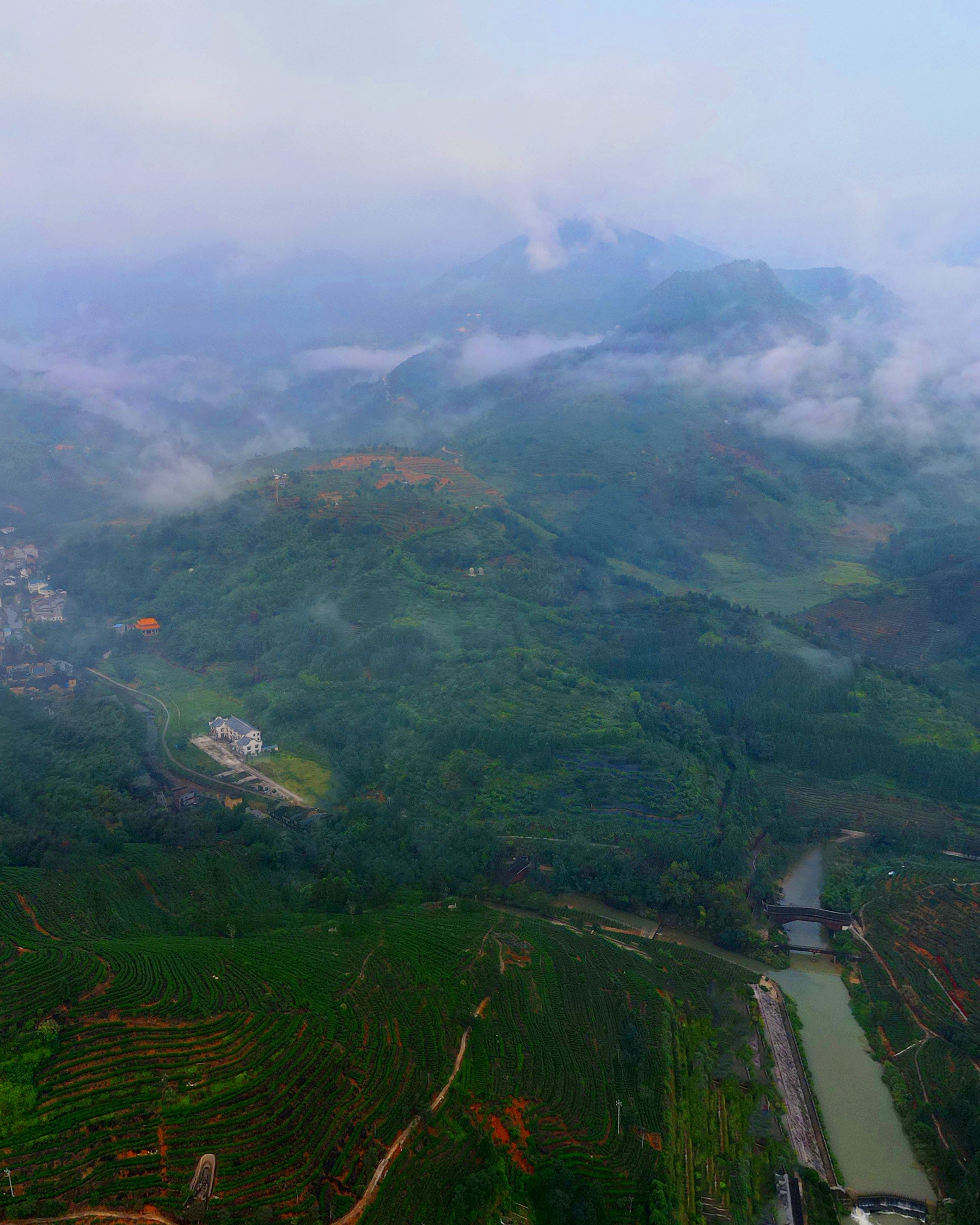
Tanyang is a beautiful village, surrounded by misty mountains. The village exudes a peaceful and gentle charm, with beautiful scenery and kind people. During our stay at Professor Shi Liqiang's home, Mrs. Shi would brew us a cup of Fengtailong black tea every day. The first sip revealed a delicate and rich aroma, a mellow sweetness lingering on the tongue; just one sip was enough to make you fall in love. My daughter not only became fascinated by the tea's flavor but also developed a deep curiosity about "how a leaf is transformed into fragrant tea."
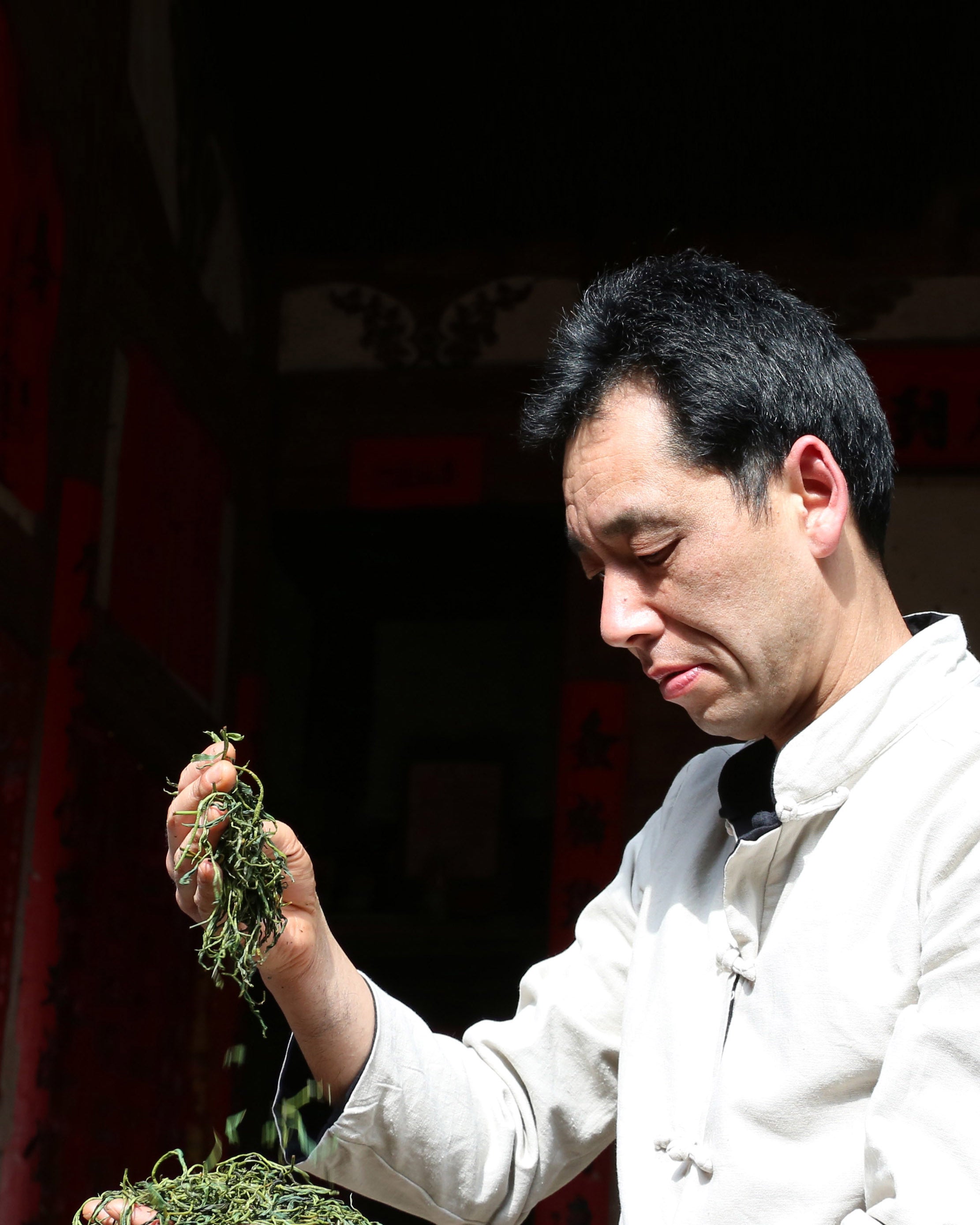
Teacher Shi Liqiang is the sixth-generation direct descendant of Shi Guangling, the founder of Congou Black Tea. Before dawn, the lights on the second floor of his house are already on, and Teacher Shi begins another busy day.
Everyone calls Shi Liqiang a master, but those are just empty titles bestowed upon him by the world. The title of "inheritor of non-hereditary tea" hasn't changed Shi Liqiang much. His life consists of rising at cockcrow and working late into the night. Picking tea leaves, withering, rolling, and roasting—besides the daily grind… he also frequently practices medicine and consults with his neighbors in his spare time.
His Tanyang Congou black tea involves eleven intricate traditional processes. The term "Congou" refers to the complexity of its process, the meticulousness of its techniques, and the lengthy time required. Therefore, from the start of tea picking in mid-March to the finished product, it often takes three months.
What impressed me most was Mr. Shi's insistence on the "seven sieving" process. I once said, "As long as the tea tastes good, it's good. Whether the buds are uniform in size shouldn't affect the taste." But he earnestly replied, "To make Congou black tea, you have to be willing to put in the effort." That almost stubborn rigor is the most solemn inheritance of the skills passed down from our ancestors.
We also went tea picking with Teacher Shi and his family. My daughter studied diligently, learning the basics of tea making little by little by his side. She especially liked Teacher Shi's family and often played with the lively little Can Can.
The once-renowned Shi family mansion, though weathered by time, still shines brightly with its centuries-old craftsmanship. The cup of Congou black tea in Master Shi Liqiang's hand embodies the dedication and craftsmanship of six generations. It is truly hoped that more people can taste the wild mountain flavor, the weight of time, and the unwavering commitment hidden within this tea.
Just so you can savor that delicate, sweet floral fragrance.
To understand how tea connoisseurs let the mountains and fields breathe, resisting two centuries of oblivion.
This cup of Fengtailong black tea is offered to you not to flaunt its value,
2025 "Red Peony" and "Red Guanyin" Congou Black Tea Supervised by Shi Liqiang, ICH Inheritor
Appreciation
Year: 2025
Grade: Grade 1
Produced by: Supervised by Shi Liqiang,ICH inheritor of Congou black tea
Origin: Tanyang Village, Fujian, China, the birthplace of Tanyang Congou
Varieties: Red Guanyin, Red Peony
Craftsmanship: Shi family's seven-screening and eleven-step process, the ancient method of Guanxiang(AromaPrime).
Quality Appraisal
Appearance of dry tea leaves: 95% buds
Red Guanyin fragrance: The fragrance is rich, long-lasting, and often has a delicate aroma similar to gardenia or orchid, accompanied by a sweet scent. The fragrance has a good persistence.
Red Peony Aroma: The aroma is fresh, sweet, and mellow, mainly composed of osmanthus and honey, with floral, fruity, and sweet potato notes. The aroma is relatively soft and delicate.
Red Guanyin's taste: Sweet potato flavor, mellow and fresh taste, with a certain astringency, quick and long-lasting aftertaste, obvious fragrance in the mouth, and good flavor harmony.
Red Peony's flavor profile: mellow and sweet. The taste is even sweeter and more mellow, the tea soup is smooth, the aroma is pronounced, the flavor is delicate, the bitterness is weak, and the lingering fragrance and aftertaste are long-lasting.

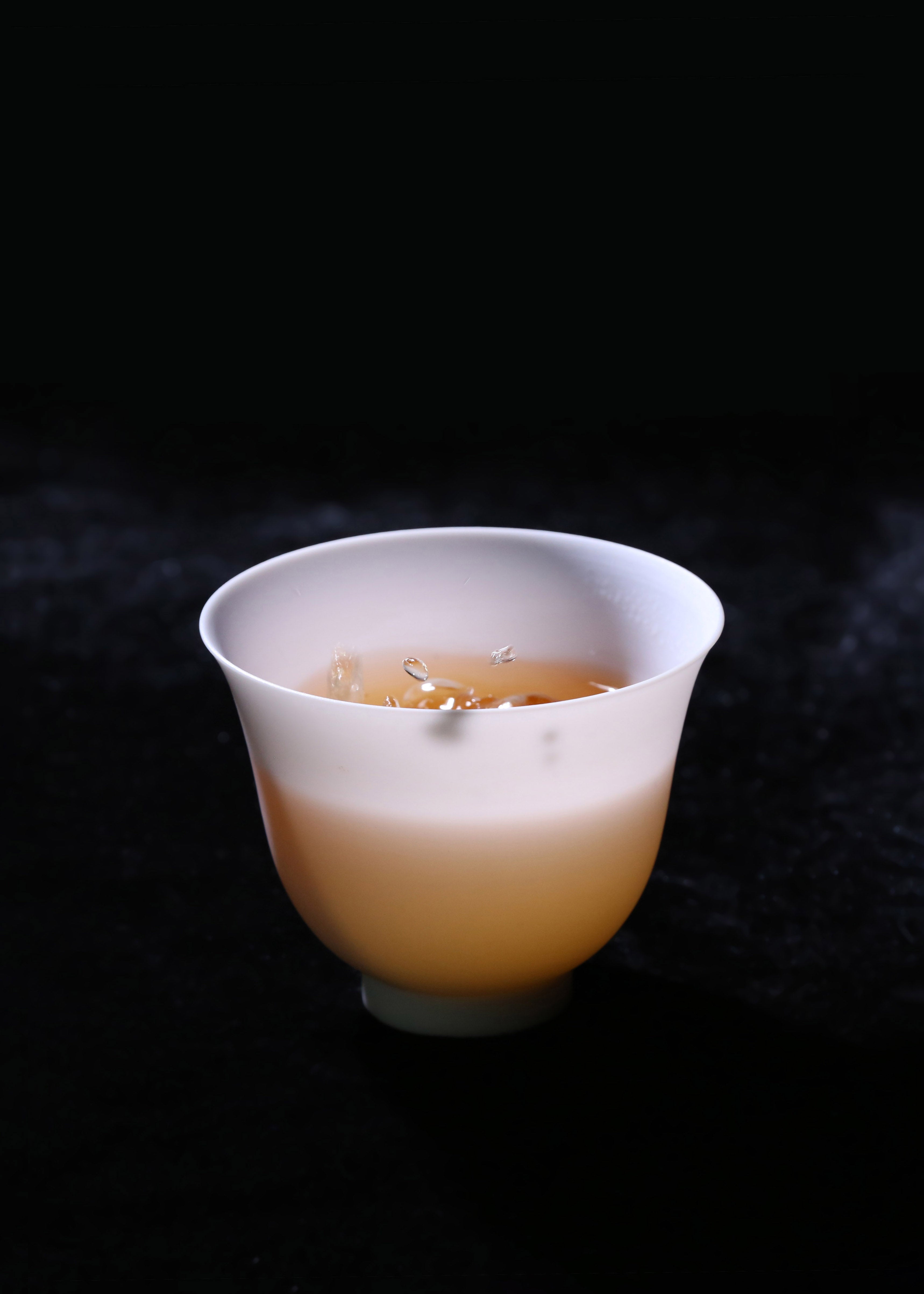
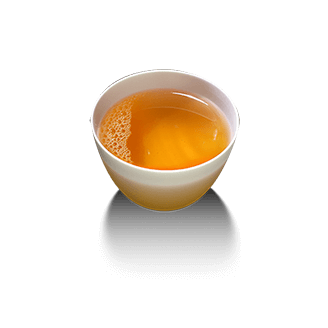
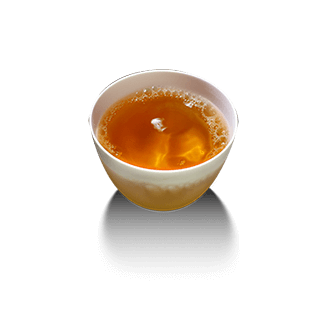
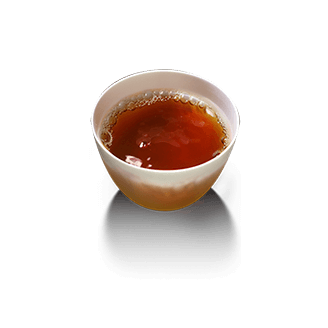
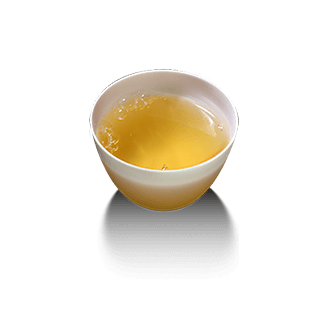
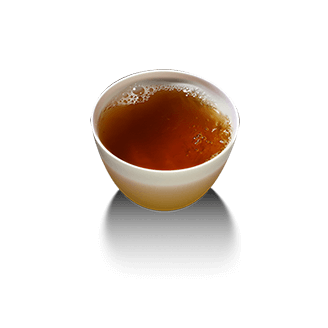
The soup of Red Guanyin and Red Peony tea is golden yellow, with an amber hue.

"Red Peony" and "Red Guanyin" (Congou Black Tea) dry tea appearance: 95% buds.

Each gram of tea carries a family's 174 years of day-and-night guardianship
Through six generations of tea masters' perseverance
Complex brewing
exacting attention to details
Each gram of tea carries a family's 174 years of day-and-night guardianship
Through six generations of tea masters' perseverance
Complex brewing, exacting attention to details
Only to help you taste the true flavor of tea aroma
Brew
1. Prepare tea warmer
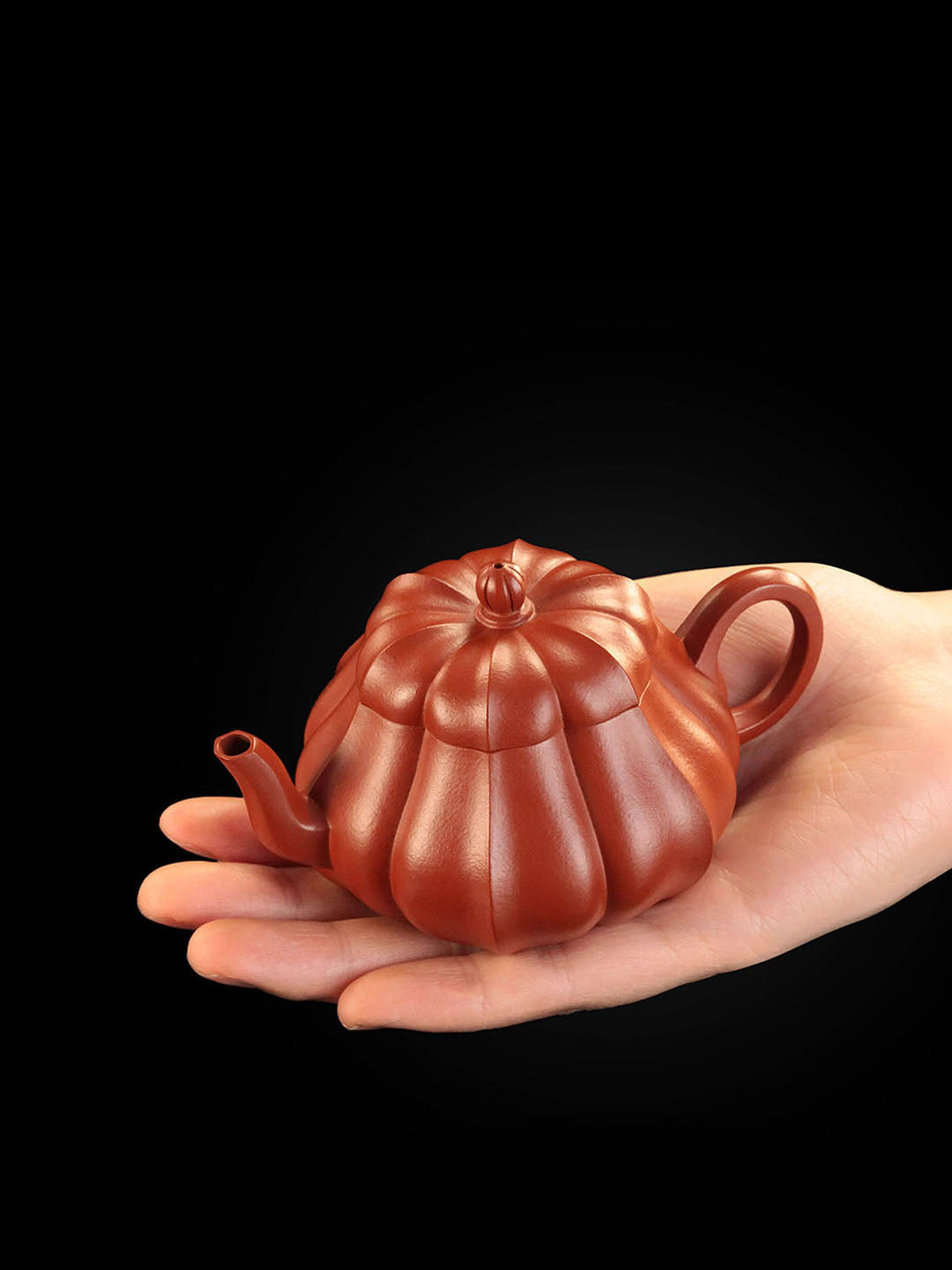
Gaiwan (lidded bowl), Yixing teapot, and glass teaware are all suitable.
Warm the cup with boiling water before brewing.
II. Adding tea leaves and shaking to release aroma
We recommend using 3-5 grams of tea leaves, but this can be adjusted according to personal taste. After adding the tea leaves, gently shake the container to release their aroma.
III. Brewing and Drinking
Let the boiling water cool to around 80 degrees Celsius. We recommend a gentle, slow brewing method, pouring water gently over the tea leaves to allow them to be evenly moistened and unfurled, resulting in a balanced flavor and aroma in the tea.
The first two infusions should be poured out within 2 seconds, the third within 3 seconds, and subsequent infusions can be poured out within a certain time. The aroma will linger after 7 infusions.
Brewing tips:
1. Always brew at a low temperature . If boiling water (100℃) is used for the first infusion, the tea tends to taste strong and bitter. Due to the characteristics of oral perception, even if the water temperature is appropriate in subsequent infusions, the tea will still feel bland. Therefore, using boiling water for the first brew will deprive you of the tea’s original wonderful experience.
This tip applies to all high-grade Chinese teas made from "tender buds and leaves", such as Mengding Ganlu and Biluochun. Generally speaking, the more delicate the buds, the lower the water temperature required; the coarser the leaves, the higher the water temperature can be.
2.A single serving of tea should be fully brewed within 20 minutes. If you can’t finish the brewed tea right away, store the tea infusion in a container. When you want to drink it again, reheat the previously poured infusion—in an instant, the room will fill with its enchanting, intoxicating aroma.
Do not leave the wet tea leaves (after steeping) in the gaiwan for an extended period (e.g., 1–2 hours) before re-steeping. This is because prolonged exposure leads to increased oxidation: tea polyphenols oxidize more deeply, the original fresh and brisk flavor fades, and aromatic compounds evaporate, resulting in a dull, tasteless brew. Such a method would reduce a rare, exceptional tea to a lackluster drinking experience.
This guideline applies to all highly aromatic Chinese teas.
Note: An exception exists for aged Chinese teas, as well as those with heavy roasting or strong fermentation. These can be steeped for longer periods, brewed slowly, or even simmered.

Please refer to the traditional Chinese black tea brewing method.

Tanyang Village, China – the origin of world-class black tea
Part 1: The Effects of Alkaline Water on Tea
1. Effects on the color of tea liquor
green tea:
Under alkaline conditions, chlorophyll is easily destroyed (chlorophyll stability decreases at pH > 8.0) , causing the tea liquor color to easily change from bright green to yellow or dark yellow, resulting in turbidity , especially noticeable when brewed at high temperatures. Flavonoids (such as catechins) in green tea are easily oxidized in an alkaline environment, exacerbating the darkening of the tea liquor color.
black tea:
Theaflavins (bright orange-yellow) are easily oxidized to thearubigins (dark red) under alkaline conditions, and further generate dark brown, causing the soup color to change from bright red to dark and lose its transparency .
Other types of tea:
The color of oolong tea, white tea, and yellow tea may be darker due to alkaline water. The color of black tea (such as ripe Pu-erh) will become more turbid, and the color stability of aged aroma substances will also be affected .
2. Impact on taste and texture
Analysis reveals differences:
Tea polyphenols and caffeine: lead to insufficient concentration and bland taste . An alkaline environment inhibits the dissolution of tea polyphenols (bitter substances) and caffeine, reducing the bitterness of the tea soup.
Amino acids and sugars: Disruption of amino acid structure reduces the freshness and crispness.
Mineral influence: Alkaline hard water (containing more calcium and magnesium ions) combines with tea polyphenols to form insoluble precipitates (such as "cloudiness after cooling"), resulting in cloudy tea soup and a rough taste .
Balance of taste: It significantly affects the "richness" of tea soup for teas that rely on polyphenols to support their taste (such as raw Pu-erh tea and high-roasted rock tea), with no noticeable aftertaste and an overall taste that is bland and coarse .
3. Effects on aroma
Volatile aromatic substances: An alkaline environment may accelerate the degradation or transformation of aromatic substances (such as aldehydes and alcohols), resulting in a single aroma profile, especially in light-aroma teas (such as jasmine tea and Anji white tea), where the floral fragrance dissipates easily and may even develop a "mushy" taste.
Aged aroma and woody aroma: For fermented teas such as black tea and aged Pu'er, alkaline water may slightly highlight the aged aroma (pH>8.0) and suppress the fruity or honey aroma.
Second: The adaptability of different types of tea to water quality
1. The interaction between the physicochemical properties of water and tea components
- Hard water (>120 mg/L CaCO₃) : Calcium ions combine with tea polyphenols to form precipitates, reducing the astringency of tea soup (EGCG binding rate can reach 23%), but losing antioxidant activity (Food Chemistry, 2018); Magnesium ions promote caffeine dissolution, and every 1 mg/L increase in magnesium can increase the caffeine concentration by 0.8% (Journal of Agricultural and Food Chemistry, 2020).
- Soft water (<60 mg/L CaCO₃) : Theaflavin dissolution rate increased by 12%, and the brightness of the tea soup increased (L* value increased by 3.2), but the amino acid extraction efficiency decreased (Food Research International, 2019).
2. Supported by scientific experimental data
- Longjing green tea brewing experiment (TDS = 50 vs 300mg/L) : The amino acid content of the tea soup in the soft water group (1.2mg/mL) was significantly higher than that in the hard water group (0.8mg/mL), but the caffeine content was 18% lower (China Tea Processing, 2021); Sensory evaluation showed that the freshness score of the soft water group was 1.7 points higher (out of 9), while the body of the hard water group was 0.9 points higher.
- Research on water quality suitability for Wuyi rock tea : Water containing trace amounts of sulfate (20-50 mg/L) can increase the dissolution of cinnamaldehyde, a characteristic aroma compound of cinnamon, by 24% (GC-MS detection), and significantly enhance the rocky aroma (Tea Science, 2020).
3. Water quality selection recommendations (based on tea)
| Tea | Ideal TDS | Recommended pH | Key ion requirements |
| F.T.L. Green Tea | 30-80mg/L | 6.8 | Ca²⁺<15mg/L, Mg²⁺<5mg/L |
| F.T.L. Oolong Tea | 80-150mg/L | 7 | HCO₃⁻ 40-60mg/L |
| F.T.L. Black Tea | 100-200mg/L | 6.8 | K⁺ 2-5mg/L, SiO₂ 10-15mg/L |
| F.T.L. Pu‘er Tea | 50-120mg/L | 6.8 | Fe³⁺ < 0.1 mg/L |
4. Examples of the impact of special water quality
London tap water (high hardness) : When brewing black tea, the formation of oxalool-calcium complexes leads to "cold turbidity" appearing 30 minutes earlier, with the turbidity (NTU) of the tea reaching 12.5, which is significantly higher than that of the soft water group (NTU = 4.3) (Food Hydrocolloids, 2019).
Kagoshima hot spring water (containing sulfur) : Sulfides react with theaflavins to form methyl flavonoids, which reduces the umami intensity of sencha by 37% (*Journal of the Japanese Institute of Food Science and Technology, 2022).
The quality of water from a particular source can enhance the color, aroma, and flavor of local tea, but using local water requires systematic professional knowledge and is very costly. For non-professionals, mastering the basic principles of "soft and clean water + temperature control" is far more practical than pursuing famous springs from their place of origin.
The precise matching of water and tea is essentially a dialogue of geographical genes, which needs to be built on a multidisciplinary system of geology, food chemistry, heat transfer and other disciplines, and cannot be covered in just a few lines of web pages.
The UK-based AquaSim laboratory has simulated 12 core indicators of Tiger Spring water. However, it lacks the original spring's microbial community (such as Nocardia tea-loving bacteria), resulting in a 27% difference in post-fermentation flavor. In addition, the operation is complex: it requires mastering the "listening to the spring while boiling water" method (stopping the fire immediately when the water first boils), and a temperature error of more than 3°C will disrupt the flavor balance.

The charm of tea ceremony lies
in what suits you as precious
A pot of pure water is enough
Don't be trapped by water quality metaphysics
A pot of pure water is enough
Don't be trapped by water quality metaphysics
The charm of tea ceremony lies
in what suits you as precious
Premium Red Mudan (Blue-and-White Porcelain Jar Pack)
Specifications of Jar:
Jar Height: 22 cm;Belly Diameter: 21 cm;Mouth Diameter: 9.5 cm;Base Diameter: 18.5 cm
Net Tea Weight: 250 g
Grade 1 Red Mudan
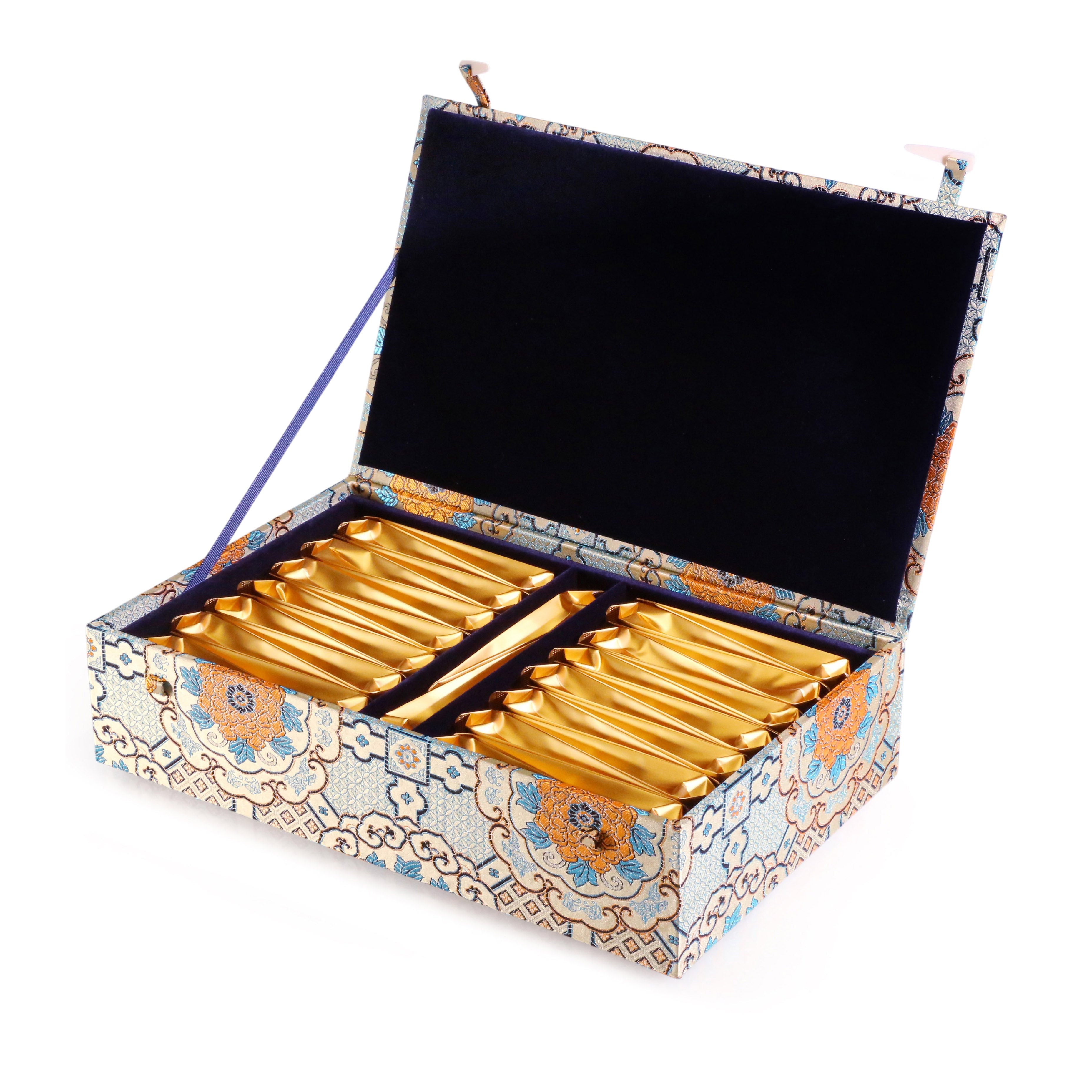
Outer Packaging Specifications: Length: 35cm;Width: 21.5cm;Height: 8.8cm
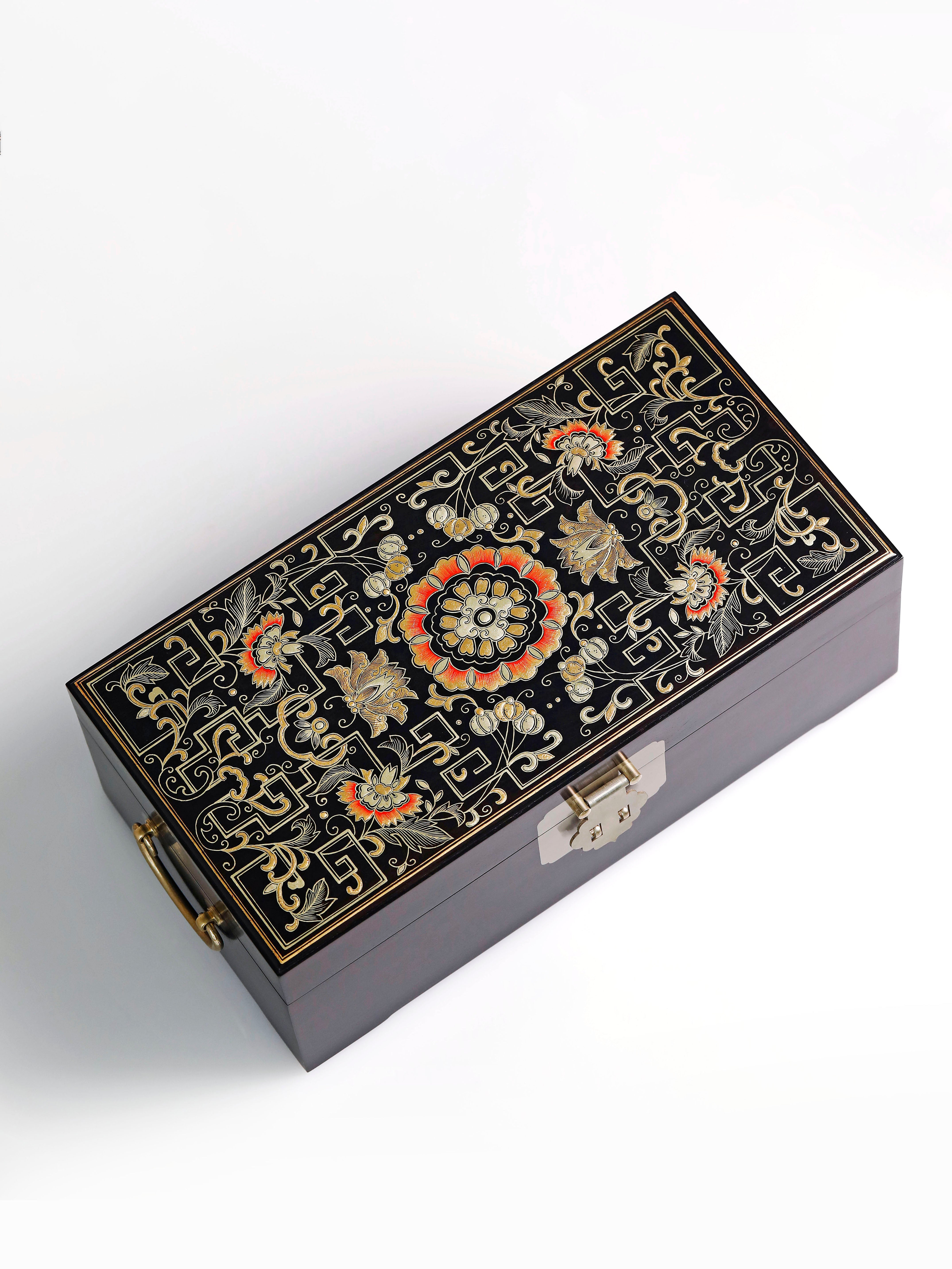
The brocade box contains 30 tea bags .
effectively blocking out oxygen, light, and moisture, long preserving the original aroma and nutrients of the tea, and extending its freshness.
Basic principles
Store in a sealed container in a clean, odorless, and dry environment, ideally below 25 degrees Celsius. Avoid light and moisture.
Note: Avoid opening the container frequently.
Every time the container is opened, the tea leaves come into contact with air and moisture, which accelerates the oxidation and deterioration of the tea.
Therefore, minimize the number of times you open the storage container.
Shelf life
The above storage conditions can be met for long-term storage.
1-year appreciation
Aroma: Compared to aged tea, the aroma is fresher, more invigorating, and more pronounced, with a noticeable floral and sweet fragrance, and a high degree of freshness.
Taste: Fresher and more vibrant than aged tea. Upon tasting, the robust inner qualities of the tea leaves are clearly perceptible, with a full-bodied flavor and a rapid and pronounced aftertaste.
Enjoy after 5 years or more of storage
Aroma: The floral and fruity aromas gradually fade, transforming into a rich and deep aged aroma, woody aroma, and camphor aroma, accompanied by a slight medicinal aroma.
Taste: The taste becomes increasingly mellow and smooth. After years of storage, the chemical composition of the tea leaves changes, and the content of irritating substances such as tea polyphenols decreases, resulting in a milder taste, a rich and mellow liquor, a long-lasting aftertaste, and a smooth and delicate flavor with a unique character.