

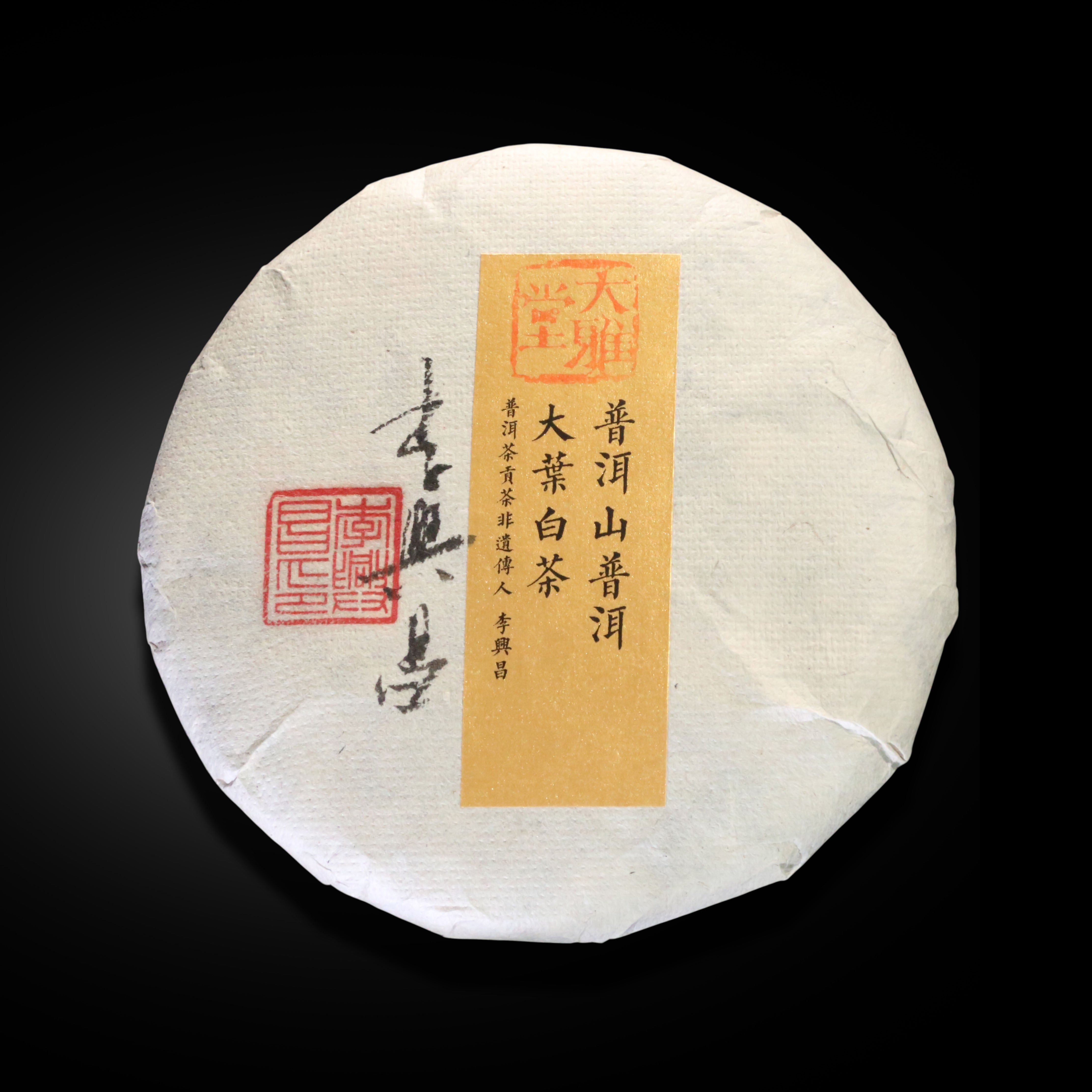
2023 Pu'er Mountain White Tea
2023 Pu'er Mountain White Tea
2023 Pu'er Mountain White Tea
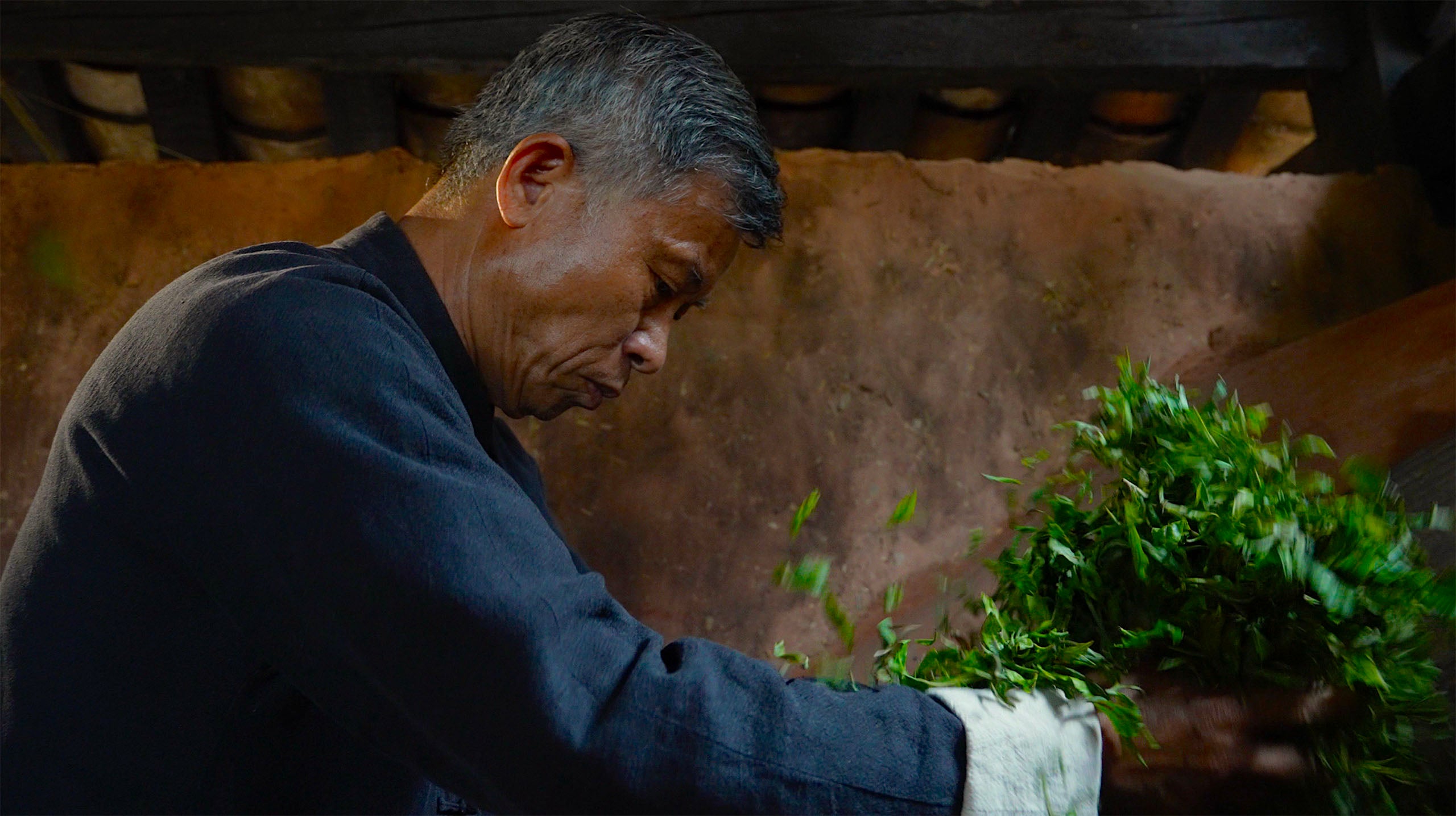
"Pu'er tea comes from Pu'er Mountain, mild in nature and fragrant in flavor, different from teas produced elsewhere." This is something written in ancient texts, not something I just made up.
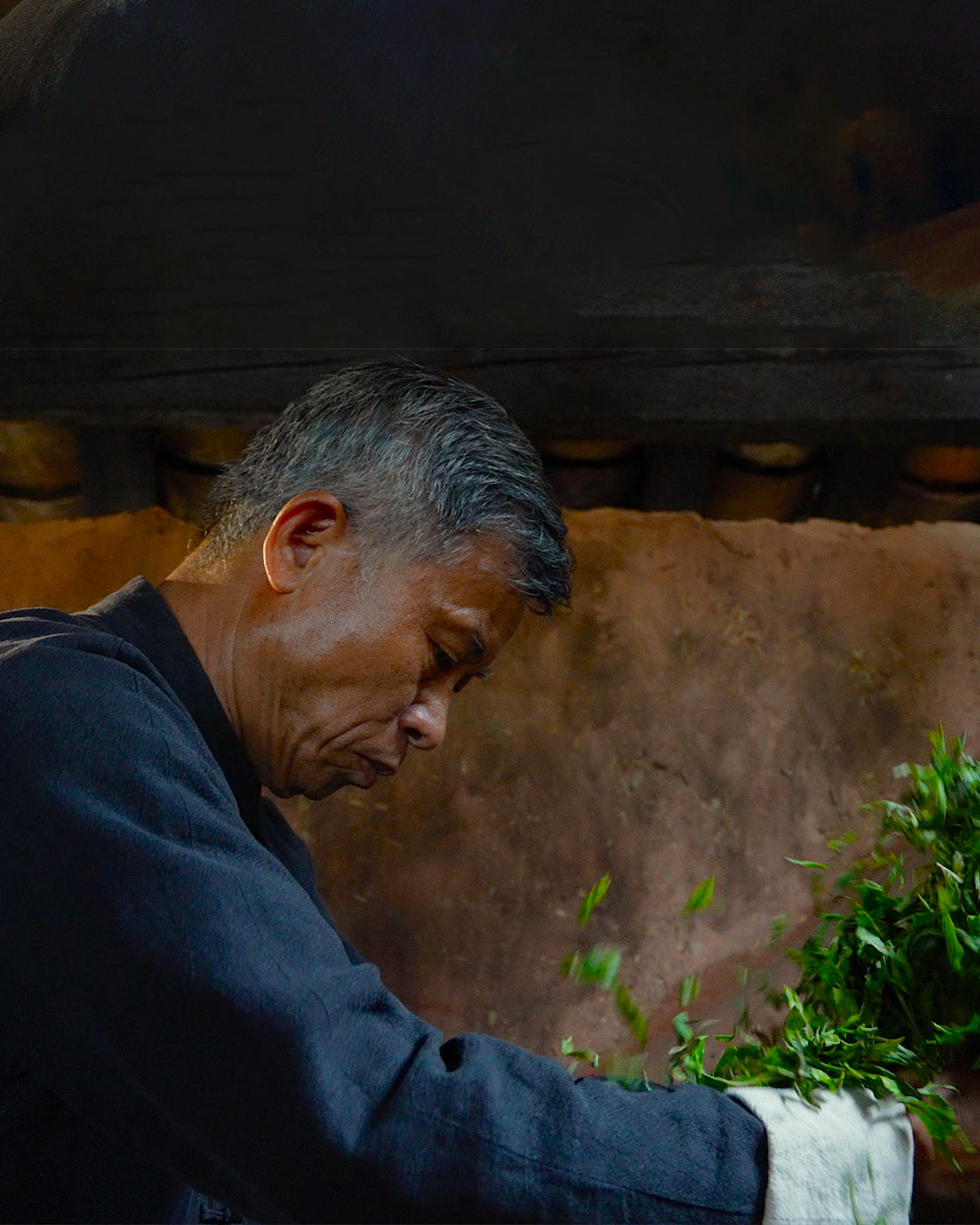
My name is Li Xingchang. I am the eighth-generation inheritor of the Intangible Cultural Heritage of Humanity – the technique of making Pu'er tribute tea. Simply put, my family has been making tea for the emperors since the Yongzheng era. By my generation, over two hundred years have passed. Eight generations, all dedicated to this one craft.
I've been making tea for nearly forty years. What does it feel like? It's like this: the moment I touch the tea leaves, it feels as if we are one. If the tea trees are healthy, then I am well.
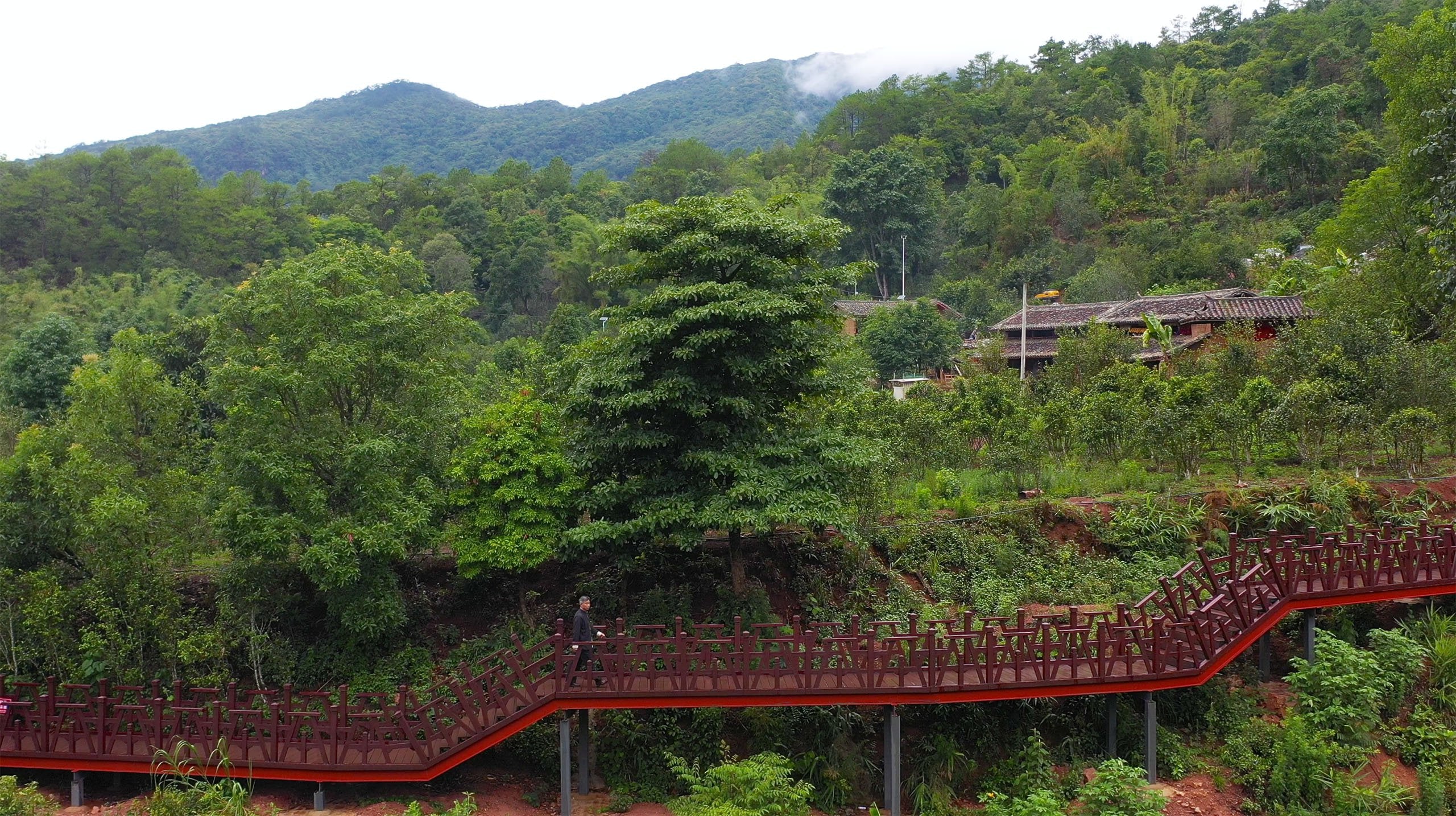
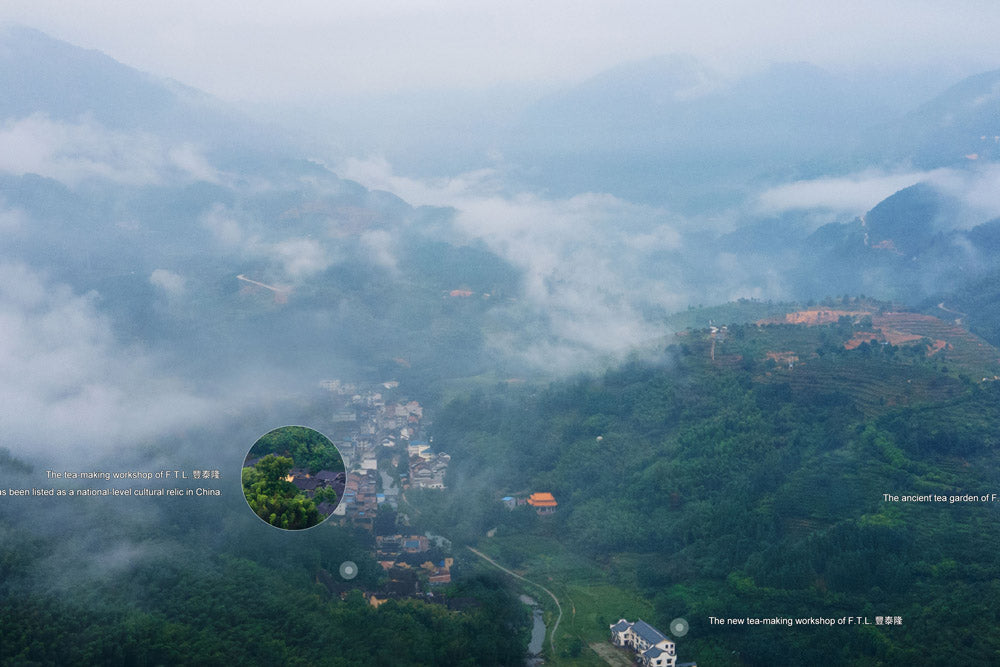
I was born in Ning'er Town, Ning'er County. When I was a child, the ancient tea garden was my territory, my playground! Playing hide-and-seek, climbing tea trees – I grew up surrounded by the aroma of tea. I didn't understand back then; I thought, what's so special about tea trees covering the mountains? Only when I grew up did I realize that was the heritage passed down by my ancestors.
In 1987, when land was contracted to households, I formally started learning tea-making from my mother. Tribute tea involves over seventy steps and takes about thirty to forty days from start to finish. When I first started learning, I was scolded quite often. Once, after just one look at the tea I made, my mother threw it all away without a word. I still remember that look in her eyes – it wasn't anger,it was heartache for the tea leaves. From then on, I learned to be obedient, listened carefully to her instructions, practiced repeatedly, and pondered continuously. It took maybe over ten years? That's when she finally nodded and said I had "made it." Making tea is something you can't rush and you can't fake. If you fool the tea, it will fool you.
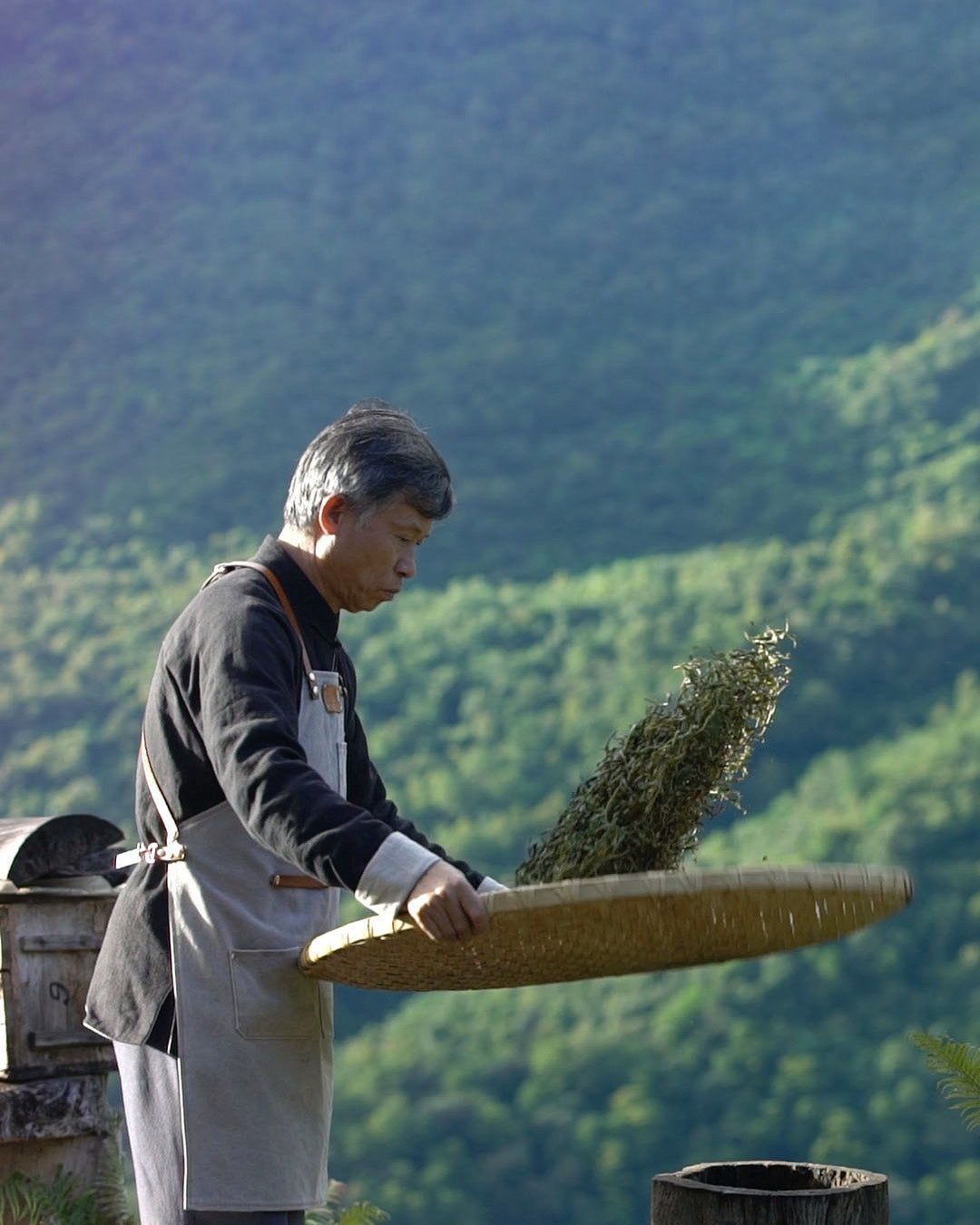
After fresh leaves are picked, they need to "wilt for a while" – the professional term is withering. The moisture must be properly dispersed before they go into the pan. If this step isn't done right, everything that follows is doomed.
Fixation (kill-green) is the most critical step. It means stir-frying to remove the raw, astringent taste, but without overdoing it. How high should the heat be? How fast should you turn the leaves? It all relies on the feeling in your hands. This is something books can't teach; it's all about understanding it for yourself.
Rolling is about breaking the cell walls of the tea leaves a little, so the flavor can be released when brewed. Then you spread them out to dry in the sun, and you have loose tea.
At this point, you might ask: Isn't this the same as ordinary Pu'er tea?
Yes, the process looks similar. But the finesse of tribute tea lies entirely in the details. It's like a chef cooking a dish: with the same ingredients and pots, different control of the heat and timing can make a world of difference in taste.
Once the loose tea is made, it needs to be steamed to soften it, then pressed into cakes. Pressing cakes requires a skillful balance – "tight but not packed, flaky but not loose." Sounds mysterious, right? It means you can't press it too tightly, nor too loosely. When stepping on the stone mill, you need to have a feel in your feet, knowing exactly when the right pressure is reached. This skill takes at least ten to twenty years to master.
Here in Pu'er, the Yi, Hani, Dai, Blang people... so many ethnic groups have lived here for generations. They all cherish the tea trees, not just with love, but with reverence. Before every spring tea harvest, each family selects a representative ancient tea tree from their garden, offering incense and prayers. First, to thank heaven and ancestors for leaving this legacy, and second, to pray for favorable weather and a bountiful tea harvest. If you come to Pu'er and visit any village, you'll see tea trees of all sizes covering the mountains. Why have they survived until now? Because everyone reveres them.

When harvesting, we don't climb the trees directly. We build scaffolds and stand on them to pick. Especially for ancient tea trees, we must tend to them with extra care. Only then can this ancient tea garden be passed down.
Yunnan tea has a history of over three thousand years. By the Yongzheng era, the Governor-General of Yunnan and Guizhou, Ortai, knew that the imperial court loved drinking Pu'er tea, so he began to present our local tea as tribute to Beijing. There were no roads back then; everything relied on people carrying and horses hauling, with caravan after caravan heading out. Slowly, starting from Pu'er Prefecture, several Ancient Tea Horse Roads were forged: routes to Tibet, to Beijing, to Southeast Asia... The five most famous ones. The hoof prints on those ancient roads were all left step by step by our ancestors.
We were overjoyed when our Jingmai Mountain ancient tea forest was successfully inscribed as a UNESCO World Heritage Site. What does this show? It shows that this tea garden and this craft left by our ancestors have been seen and recognized by the world.

In recent years, we've also been thinking about whether we can use our old skills to make some different teas. In 2023, we tried making a batch of Pu'er Mountain white tea.
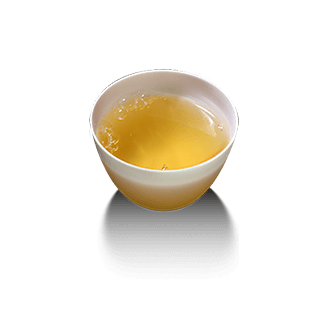
White tea is interesting – no stir-frying, no rolling, it relies entirely on natural withering. Sounds simple, right? Actually, it most tests one's grasp of weather, temperature, and humidity: when to spread, when to gather, when to dry – it's all based on experience. We used the raw material selection standards of tribute tea, picked fresh leaves from ecologically sound tea trees on Pu'er Mountain, spread them on bamboo mats, and let the sun and wind slowly tend to them, slowly losing moisture, slowly transforming. The resulting white tea has a naturally relaxed appearance, a light yellow and clear liquor, a clean sweetness on the palate, with a hint of floral and honeyed charm. It possesses both the fresh briskness of white tea and the characteristic mellow foundation of Pu'er Mountain.
Someone asked me if this counts as innovation. I said no. This is called following nature's course, making new tea with old skills.
Come, try this year's Pu'er Mountain white tea. It's cleanly sweet on the palate, with a long aftertaste, neither astringent nor bitter – a pure and clean flavor. Those accustomed to Pu'er find it refreshingly new; those who drink white tea can taste the essence of Pu'er Mountain in it.
I've been thinking, since Pu'er tea is so good, the world should get to taste it. Whether it's the aged Pu'er or the new white tea, what we drink is the sincerity of a piece of land.
Come, let me fill this cup. May the tea mountains stay evergreen forever, may the craft be passed down through generations. Cheers.
Tea Artist: Li Xingchang
Eighth-Generation Inheritor of the National Intangible Cultural Heritage – Pu'er Tribute Tea Making Technique
Year: 2023, Loose Leaf
Origin: Pu'er Mountain, Ning'er County, Pu'er City, Yunnan Province (Approximately 1400–1600 m above sea level; part of the high-quality Kunlu Mountains range extension; deep soil, frequent clouds and mist, large diurnal temperature range)
Craft: Fresh leaves of Yunnan large-leaf variety (primarily one bud with two or three leaves). Traditional combined withering (alternating sunlight and shade drying, avoiding high-temperature rapid drying) + low-temperature thorough drying. No stir-frying, no rolling, slight fermentation. The withering period is longer than that of ordinary white teas to accumulate a honey flavor.
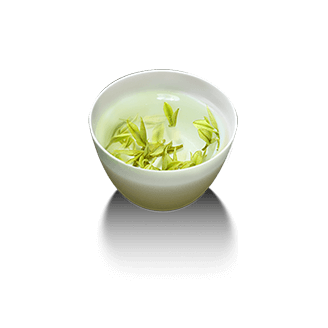
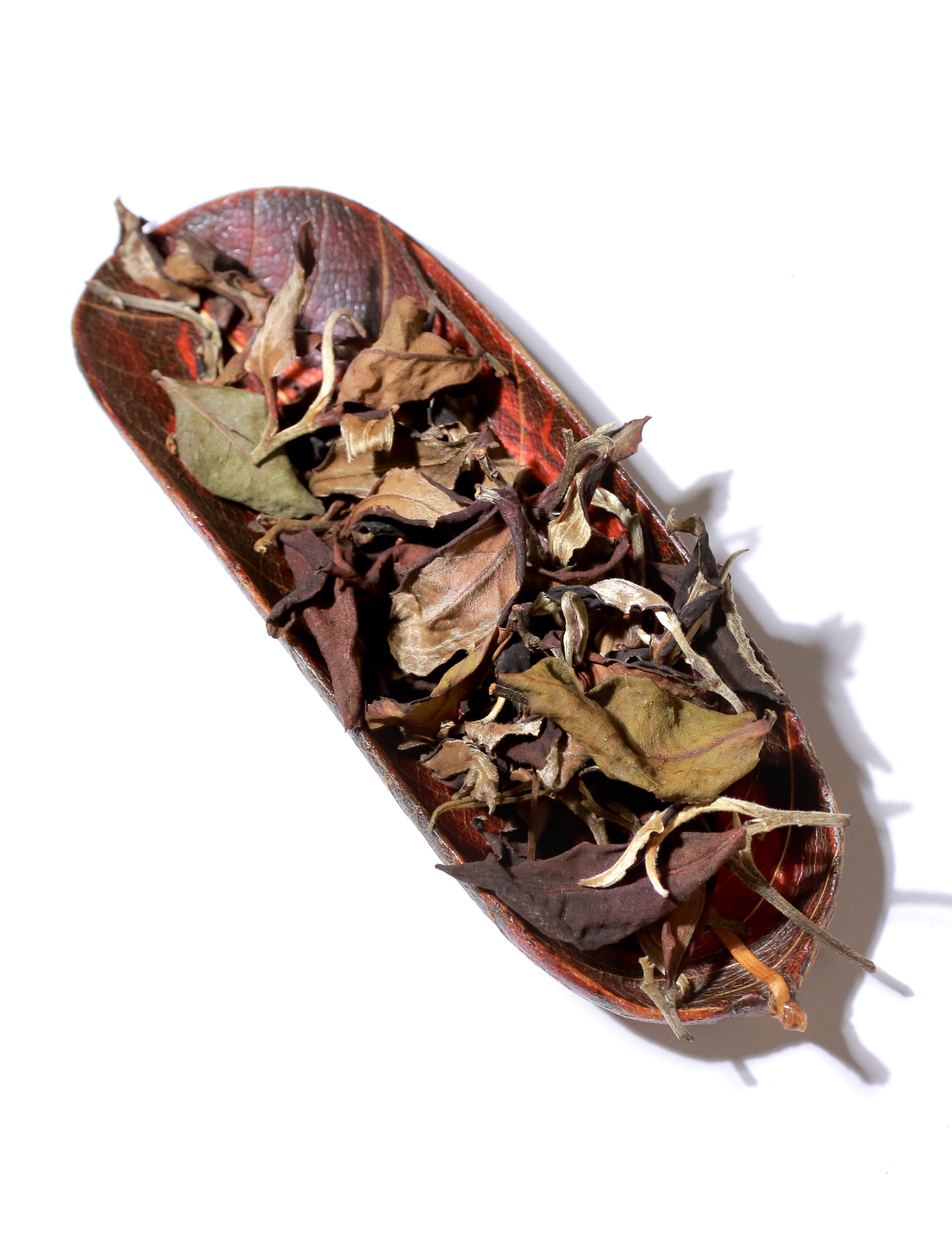
Dry Leaf Appearance: Naturally spread out, buds and leaves connected, relaxed form.
Aroma: Elegant pekoe aroma emerges first. As the pekoe aroma gradually fades, a honey note slowly permeates, carrying the unique wild mountain essence of the Kunlu Mountain tea region.
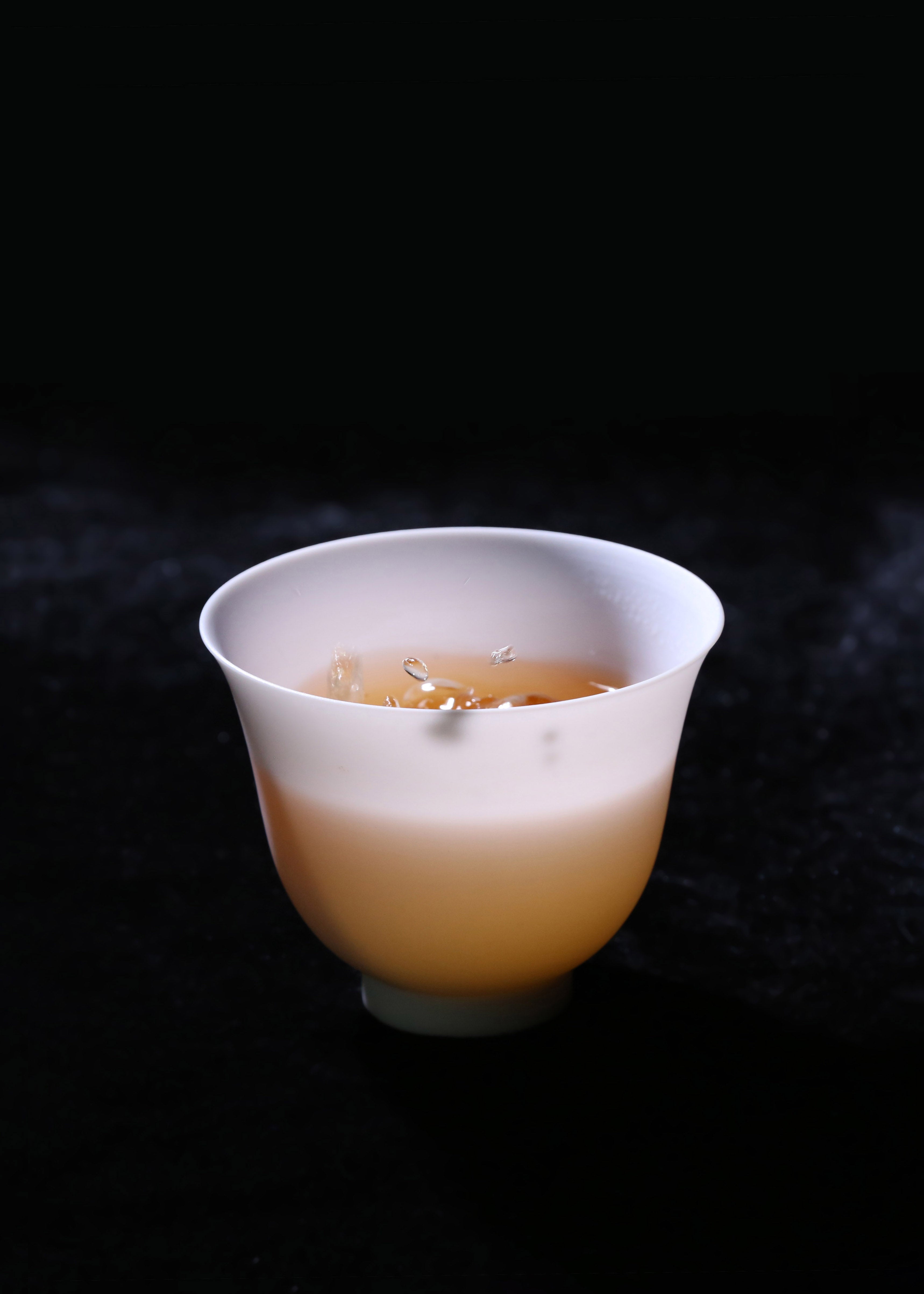
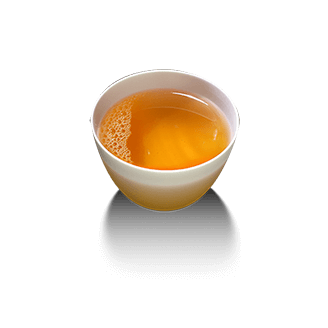
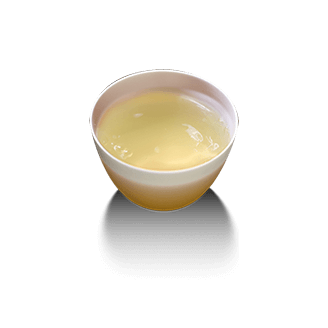
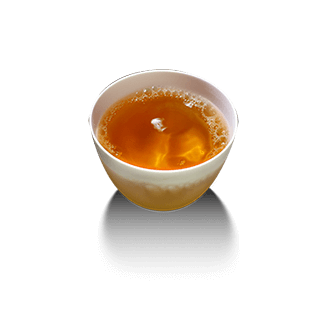
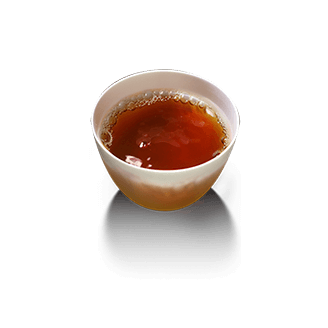
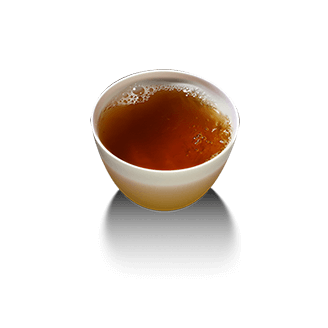
Liquor Color: Light yellow and translucent, clear like newly formed amber.
Flavor: The first sensation on the palate is a "clean sweetness" – sweetness inherent in the water, pure and clean. The liquor has body and substance, carrying the unique "structure and character" of Pu'er tribute tea.
Infused Leaves: Uniform, neat, and vibrant. Buds and leaves are intact. They spring back when pressed with a finger and show resilience when gently pulled. The withering process ensures thorough moisture loss. The degree of fermentation is just right, leaving ample space for subsequent aging.
Summary: The raw material, large-leaf variety from above 1400 m on Pu'er Mountain, possesses rich internal quality. The new tea already exhibits a honey flavor and clean sweetness. If stored properly, its aging after three to five years is worth anticipating.
Dry Leaf Appearance: Naturally spread out, buds and leaves connected, relaxed form.
Liquor Color: Light yellow and translucent, clear like newly formed amber.

2023
Crafted by Intangible Cultural Heritage Inheritor Li Xingchang
Pu'er Mountain White Tea
Brewing
I. Utensil Selection
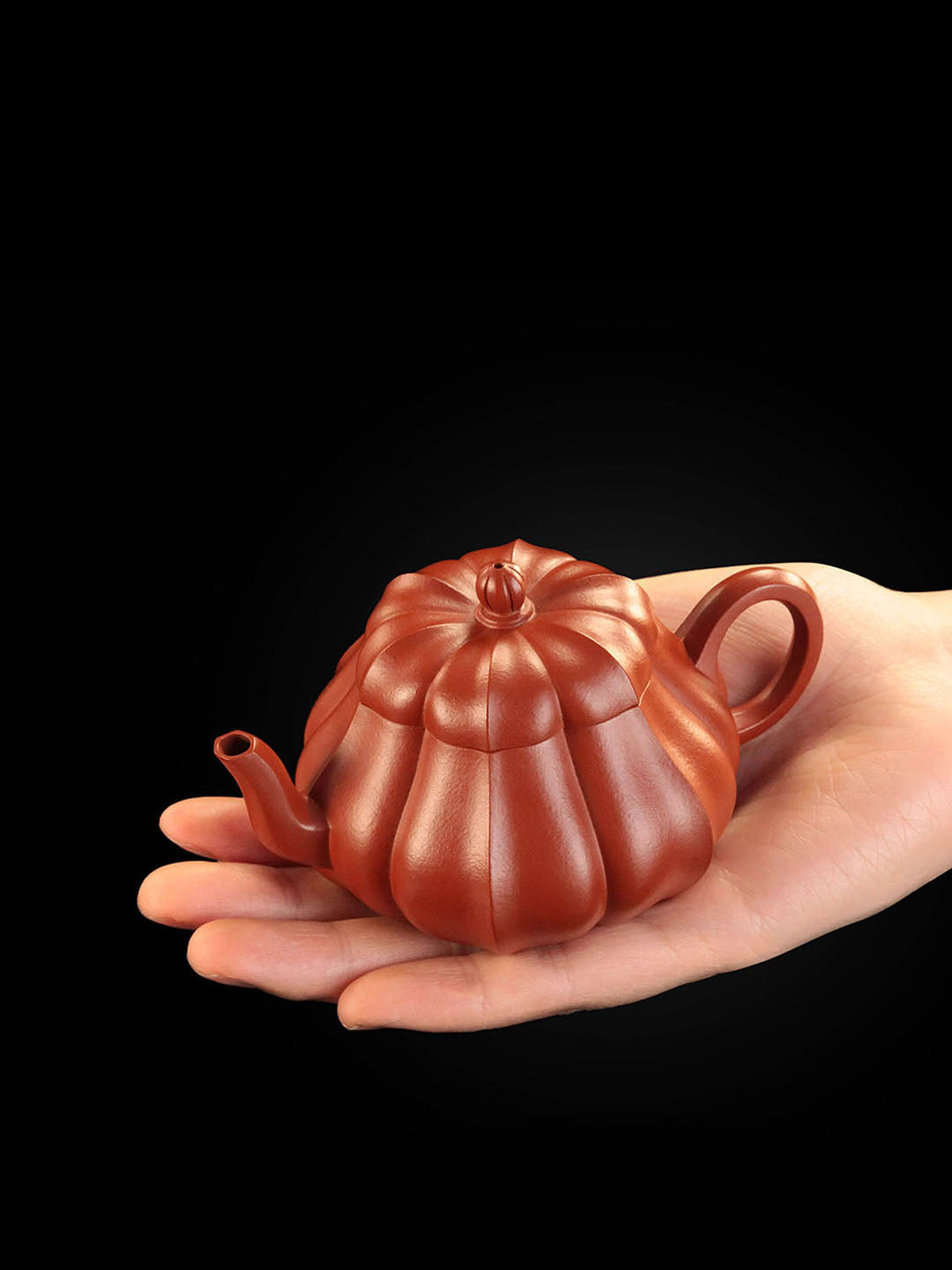
Utensils: Preferred choice is a 100-120ml white porcelain gaiwan (non-absorbent with good light transmission, allowing observation of the tea liquor’s golden fuzz). Secondary choice is an 80-100ml small-capacity purple clay teapot (impurities must be removed in advance).
Water temperature: Use 90-95℃ hot water (avoid boiling water to prevent damaging the active substances in buds and leaves, preserving the fresh mountain crispness). Preheat the utensils to stabilize temperature before brewing.
II. Tea Quantity & Brewing Time
Tea quantity: 5-6g (tea to water ratio 1:20), suitable for the characteristics of large-leaf varieties with thick leaves, avoiding being too strong and astringent, or too weak and tasteless.
Brewing Rhythm:
Rinse the tea: Quickly pour boiling water and discard immediately (to prevent aroma loss).
First 3 infusions: Brew for 15-20 seconds to highlight the floral and honey fragrance with clean sweetness.
Infusions 4-8: Extend each brew by 5-10 seconds to release the ancient woody fragrance.
After 9 infusions: Can steep for 30 seconds; the final brew still maintains sweetness and moisture.
III. Key Brewing Tips
Pour water slowly along the inner wall of the gaiwan (to reduce water flow impact and prevent bud/leaf breakage).
Leave 1/6 of the tea liquor at the bottom of the cup for the next brew to maintain stable concentration.
Avoid opening the lid frequently to reduce aroma evaporation and preserve the original flavor of its "natural craftsmanship".
Following these brewing methods can fully release the wild mountain charm of ancient trees, restoring the unique taste of soft sweetness on entry and fresh crispness after swallowing.
water quality
Choose qualified purified water; never use alkaline mineral water.
(For commercially available mineral water brands, their water sources and quality indicators vary. So-called "high-quality mineral water and mountain spring water" may cause loss of functional components and inhibition of aroma in tea.)
I:Effect of Alkaline Water on Green Tea
1. Effects on tea liquor color:
green tea:
Under alkaline conditions, chlorophyll is easily destroyed (chlorophyll stability decreases at pH > 8.0) , causing the tea liquor color to easily change from bright green to yellow or dark yellow, resulting in turbidity , especially noticeable when brewed at high temperatures. Flavonoids (such as catechins) in green tea are easily oxidized in an alkaline environment, exacerbating the darkening of the tea liquor color.
black tea:
Theaflavins (bright orange-yellow) are easily oxidized to thearubigins (dark red) under alkaline conditions, and further generate dark brown, causing the soup color to change from bright red to dark and lose its transparency .
Other types of tea:
The color of oolong tea, white tea, and yellow tea may be darker due to alkaline water. The color of black tea (such as ripe Pu-erh) will become more turbid, and the color stability of aged aroma substances will also be affected .
2. Impact on taste and texture
Analysis reveals differences:
Tea polyphenols and caffeine: lead to insufficient concentration and bland taste . An alkaline environment inhibits the dissolution of tea polyphenols (bitter substances) and caffeine, reducing the bitterness of the tea soup.
Amino acids and sugars: Disruption of amino acid structure reduces the freshness and crispness.
Mineral influence: Alkaline hard water (containing more calcium and magnesium ions) combines with tea polyphenols to form insoluble precipitates (such as "cloudiness after cooling"), resulting in cloudy tea soup and a rough taste .
Balance of taste: It significantly affects the "richness" of tea soup for teas that rely on polyphenols to support their taste (such as raw Pu-erh tea and high-roasted rock tea), with no noticeable aftertaste and an overall taste that is bland and coarse .
3. Effects on aroma
Volatile aromatic substances: An alkaline environment may accelerate the degradation or transformation of aromatic substances (such as aldehydes and alcohols), resulting in a single aroma profile, especially in light-aroma teas (such as jasmine tea and Anji white tea), where the floral fragrance dissipates easily and may even develop a "mushy" taste.
Aged aroma and woody aroma: For fermented teas such as black tea and aged Pu'er, alkaline water may slightly highlight the aged aroma (pH>8.0) and suppress the fruity or honey aroma.
II:The adaptability of different types of tea to water quality
1. The interaction between the physicochemical properties of water and tea components
- Hard water (>120 mg/L CaCO₃) : Calcium ions combine with tea polyphenols to form precipitates, reducing the astringency of tea soup (EGCG binding rate can reach 23%), but losing antioxidant activity (Food Chemistry, 2018); Magnesium ions promote caffeine dissolution, and every 1 mg/L increase in magnesium can increase the caffeine concentration by 0.8% (Journal of Agricultural and Food Chemistry, 2020).
- Soft water (<60 mg/L CaCO₃) : Theaflavin dissolution rate increased by 12%, and the brightness of the tea soup increased (L* value increased by 3.2), but the amino acid extraction efficiency decreased (Food Research International, 2019).
2. Supported by scientific experimental data
- Longjing green tea brewing experiment (TDS = 50 vs 300mg/L) : The amino acid content of the tea soup in the soft water group (1.2mg/mL) was significantly higher than that in the hard water group (0.8mg/mL), but the caffeine content was 18% lower (China Tea Processing, 2021); Sensory evaluation showed that the freshness score of the soft water group was 1.7 points higher (out of 9), while the body of the hard water group was 0.9 points higher.
- Research on water quality suitability for Wuyi rock tea : Water containing trace amounts of sulfate (20-50 mg/L) can increase the dissolution of cinnamaldehyde, a characteristic aroma compound of cinnamon, by 24% (GC-MS detection), and significantly enhance the rocky aroma (Tea Science, 2020).
3. Water quality selection recommendations (based on tea)
| Tea | Ideal TDS | Recommended pH | Key ion requirements |
| F.T.L. Green Tea | 30-80mg/L | 6.8 | Ca²⁺<15mg/L, Mg²⁺<5mg/L |
| F.T.L. Oolong Tea | 80-150mg/L | 7 | HCO₃⁻ 40-60mg/L |
| F.T.L. Black Tea | 100-200mg/L | 6.8 | K⁺ 2-5mg/L, SiO₂ 10-15mg/L |
| F.T.L. Pu'er Tea | 50-120mg/L | 6.8 | Fe³⁺ < 0.1 mg/L |
4. Examples of the impact of special water quality
London tap water (high hardness) : When brewing black tea, the formation of oxalate-calcium complexes leads to "cold turbidity" appearing 30 minutes earlier, with the turbidity (NTU) of the tea reaching 12.5, which is significantly higher than that of the soft water group (NTU = 4.3) (Food Hydrocolloids, 2019).
Kagoshima hot spring water (containing sulfur) : Sulfides react with theaflavins to form methyl flavonoids, which reduces the umami intensity of sencha by 37% (*Journal of the Japanese Institute of Food Science and Technology, 2022).
One Region, One Tea: Water quality from specific local water sources enhances the color, aroma, and taste of local tea, but using local water requires systematic professional knowledge and high costs. For non-professionals, mastering the basic principles of "softened purified water + temperature control" is far more practical than pursuing famous springs from the origin.
The precise matching of water and tea is essentially a dialogue of geographical genes, which needs to be built on a multidisciplinary system of geology, food chemistry, heat transfer and other disciplines, and cannot be covered in just a few lines of web pages.
The UK-based AquaSim laboratory has simulated 12 core indicators of Tiger Spring water. However, it lacks the original spring's microbial community (such as Nocardia tea-loving bacteria), resulting in a 27% difference in post-fermentation flavor. In addition, the operation is complex: it requires mastering the "listening to the spring while boiling water" method (stopping the fire immediately when the water first boils), and a temperature error of more than 3°C will disrupt the flavor balance.
The charm of tea ceremony lies in appreciating what suits one's taste.
A pot of purified water is enough.
Don't be trapped by the mystique of water quality.
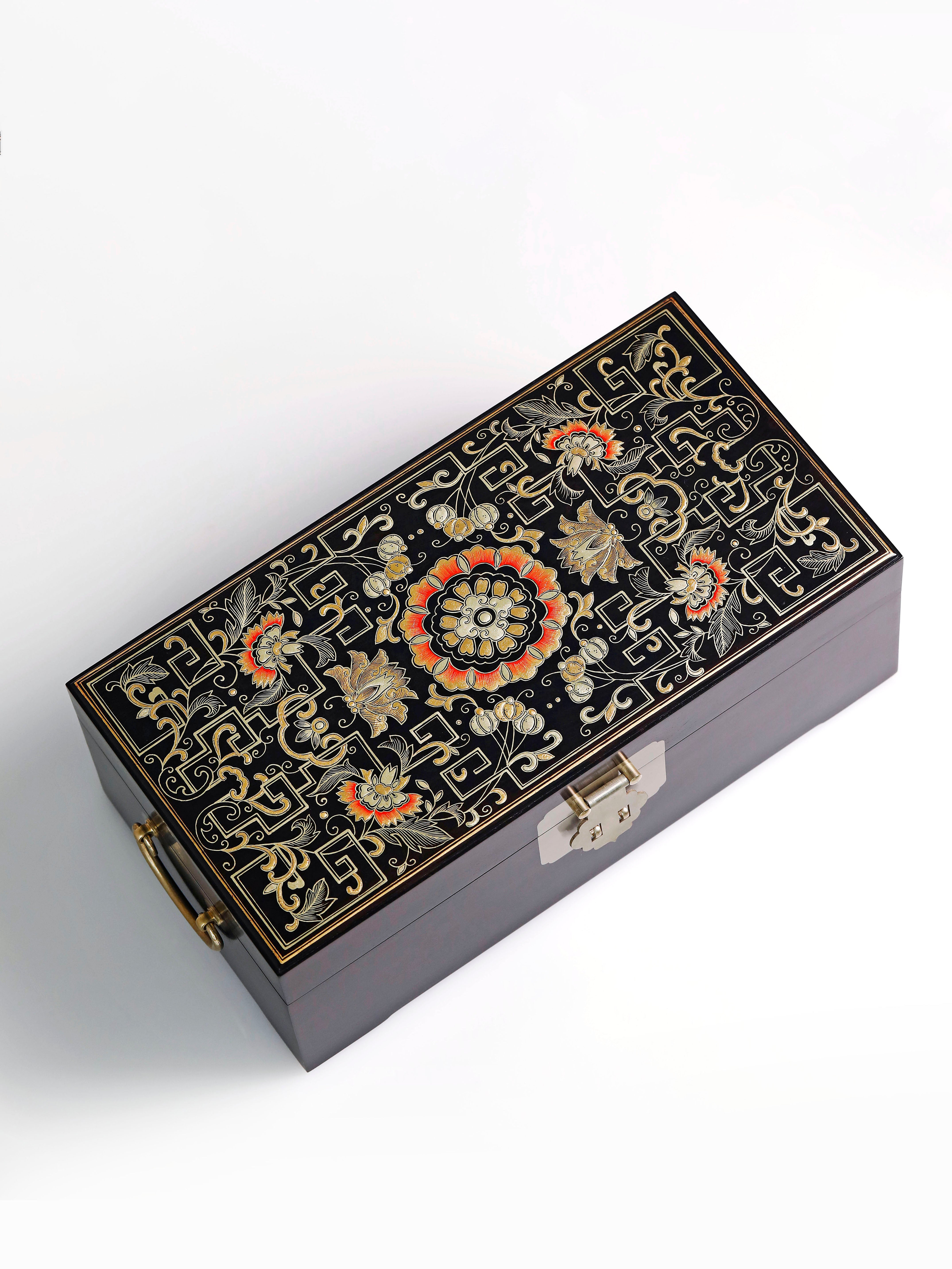
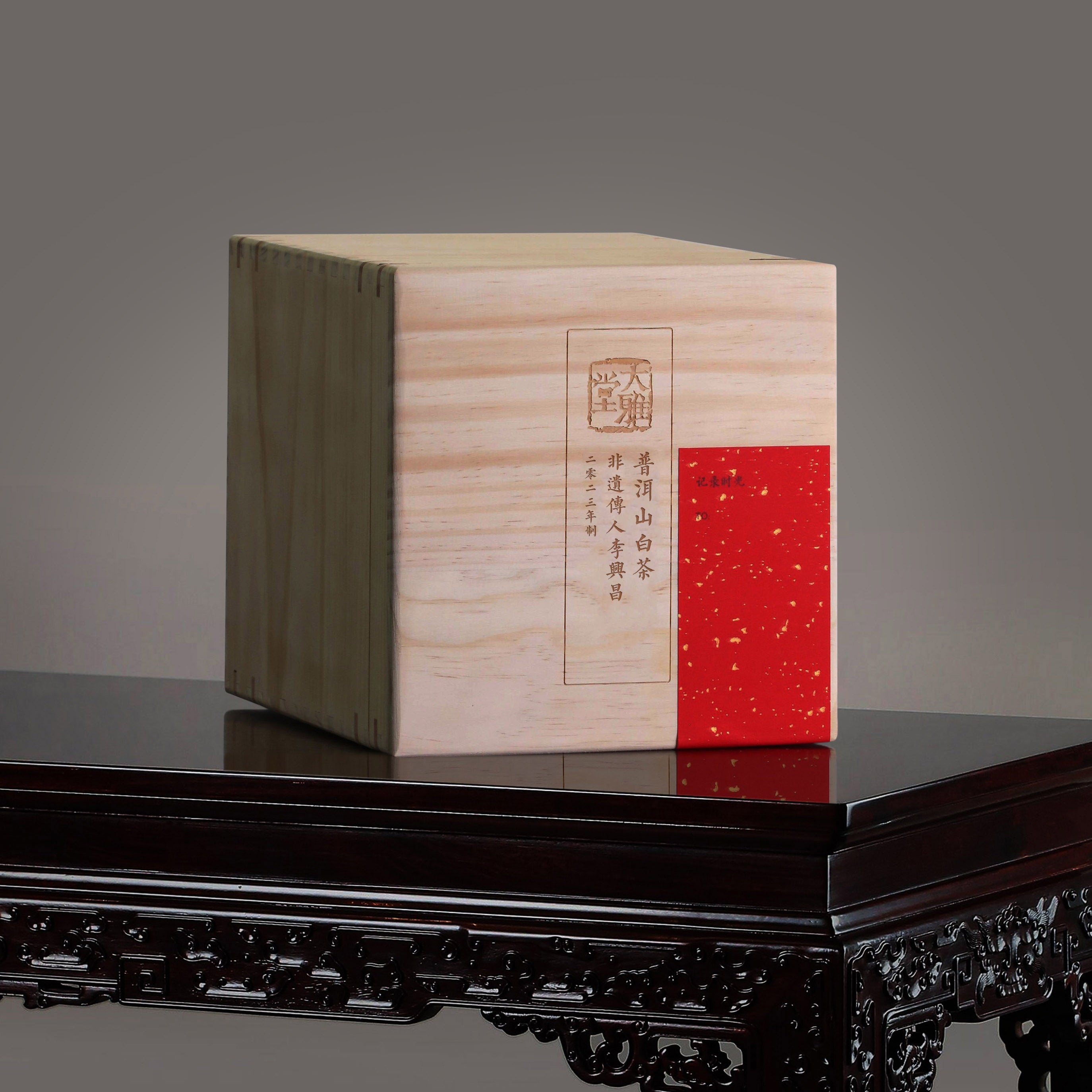
Packaging Specifications: Length: 20cm Width: 20cm Height: 23cm
Wooden box packaging, with inner sealed bag
2023 Pu'er Mountain White Tea Crafted by ICH Inheritor Li Xingchang
Due to the rich inner substance and aging potential of the wild ancient tree large-leaf variety, this white tea requires storage that balances "freshness preservation" with "slow transformation." The key principles are as follows:
Core Storage Principles
Avoid light, high temperatures, and odors.
Temperature & humidity: Temperature 15-25℃ (avoid high temperatures that accelerate oxidation), relative humidity 50%-65%;
Light Protection & Ventilation: Keep away from direct sunlight (to prevent the decomposition of theaflavins and darkening of the tea liquor) and place in a well-ventilated area.
No odor interference: Do not store with items that have odors such as oil fumes, spices, or cosmetics, as the tea will absorb odors and destroy its original honey and aged aroma.
Container selection
Short-term storage (within 1 year): Use a purple clay pot or ceramic pot with air vents (choose a capacity matching the tea quantity to reduce residual air inside the pot). Seal the lid tightly immediately after taking tea, balancing freshness preservation and slight air permeability.
Long-term storage (over 1 year): Wrap the tea in an aluminum foil bag (vacuum-sealed to semi-vacuum with a small amount of air left) + a kraft paper box (wrapped in moisture-proof paper). Store in a cool, dry storage cabinet to prevent moisture while allowing slow transformation.
Taboo
Avoid store in the kitchen/bathroom: oil fumes, moisture, and odors will directly contaminate the tea leaves;
Avoid store on the balcony/windowsill: direct sunlight will cause the aroma to dissipate and the flavor to become bland;
Avoid frequent stirring: Frequent opening of the container will disrupt the temperature and humidity stability and accelerate the evaporation of flavor.
Post-Storage Transformation and inspection
Check the tea by opening the box or pot once every 2 months. Observe if there is mold or unusual odors — the tea should retain its natural honey fragrance and aged aroma when stored properly. With proper storage, the tea will gradually develop a richer woody fragrance and jujube aroma within 3-5 years, and the smoothness of the tea liquor will also improve.
Shelf life
The above storage method allows for long-term storage.