
F.T.L. 豐泰隆 and Dayatang 大雅堂 are our two brands —
rooted together, bound by a single lineage.
A Cup of Fine Tea
Six Generations of Perseverance and Legacy
F.T.L. 豐泰隆 and Dayatang 大雅堂 are our two brands —
rooted together, bound by a single lineage.

F.T.L.:Since 1851
【F.T.L. 豐泰隆: A 175-Year Legacy, Six Generations】
F.T.L. 豐泰隆 represents the most completely documented lineage of the Tanyang Congou tea-making craft. According to the Memorials of Min-Zhe Governor Ying Gui: "The village of Tanyang produces over 7,000 chests of tea annually, accounting for more than 70% of Fujian black tea production at the time."
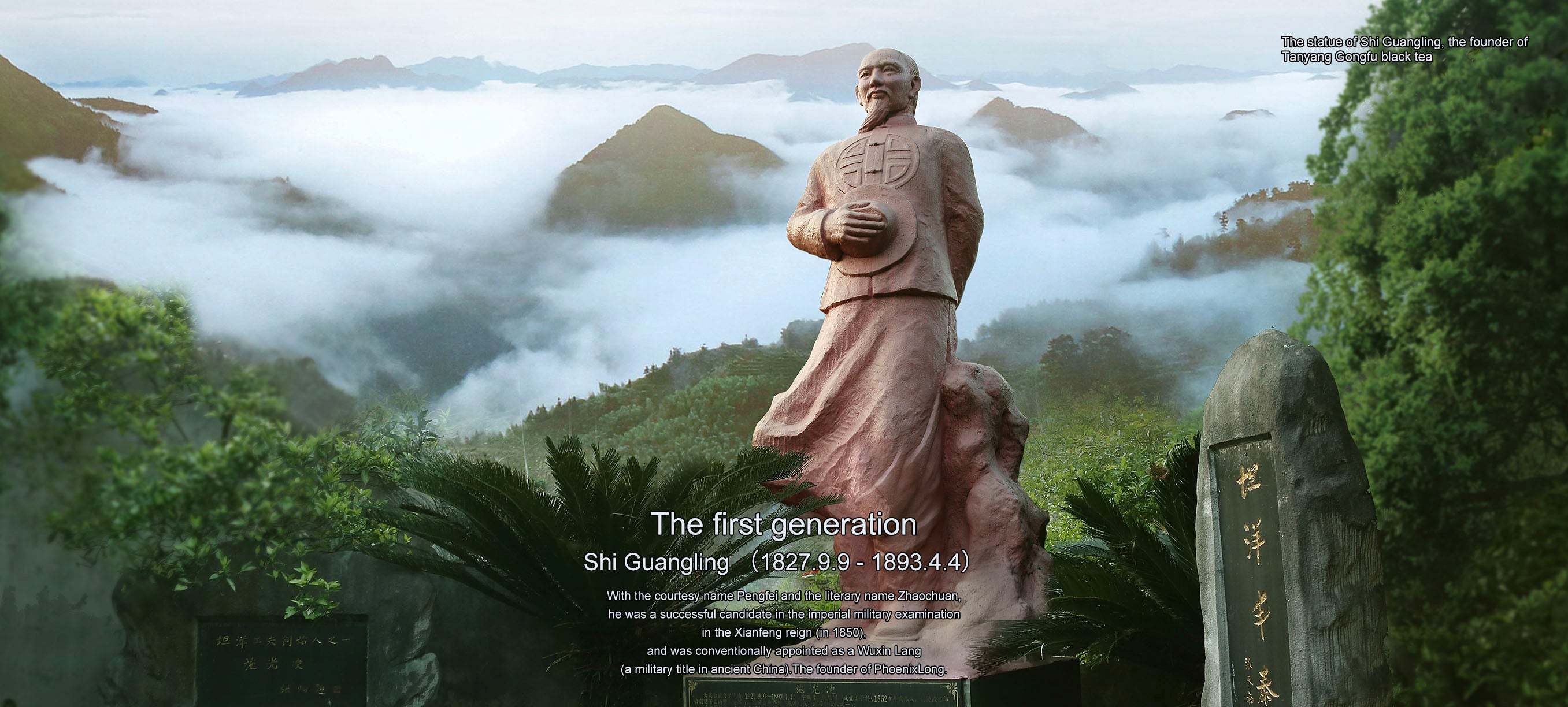
(1827.9.9 – 1893.4.4)
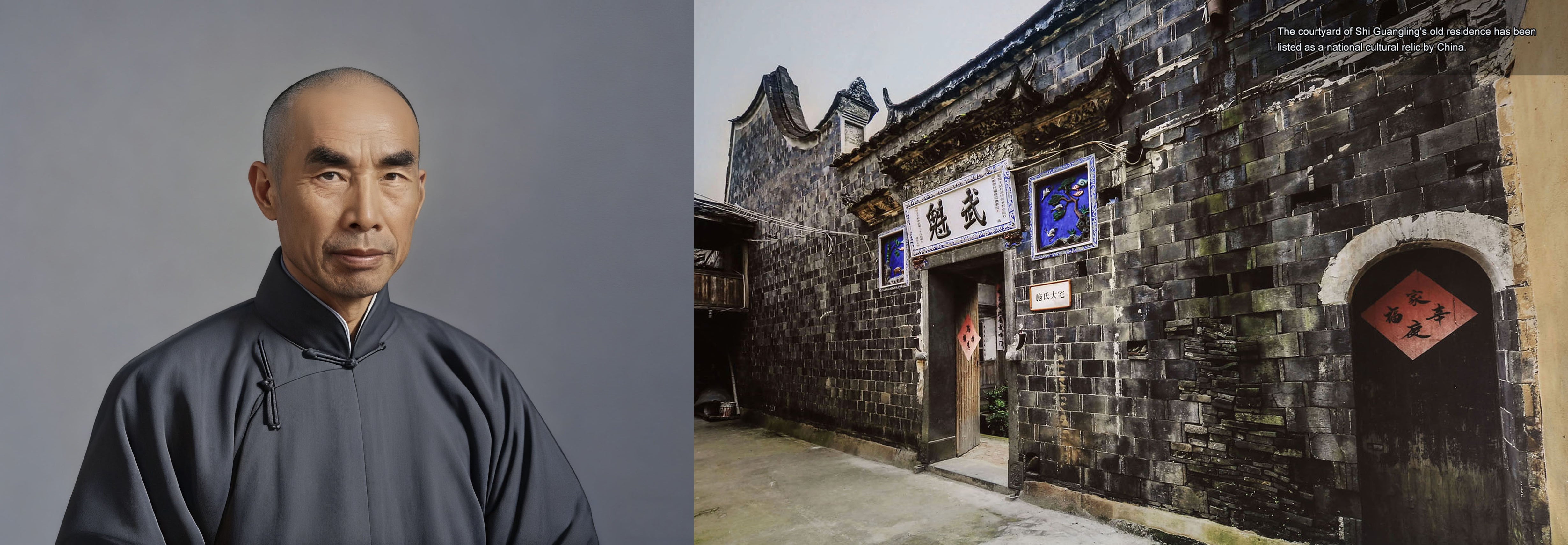
Shi Guangling founded F.T.L. 豐泰隆. He was a co-founder of Tanyang Congou black tea and a pioneer of China's modern tea industry. He opened the maritime tea route for Fujian black tea and pioneered the double-smoked method. Due to the exceptional quality of his tea, F.T.L. 豐泰隆 was chosen as a supplier of specialty tea to the British royal family.

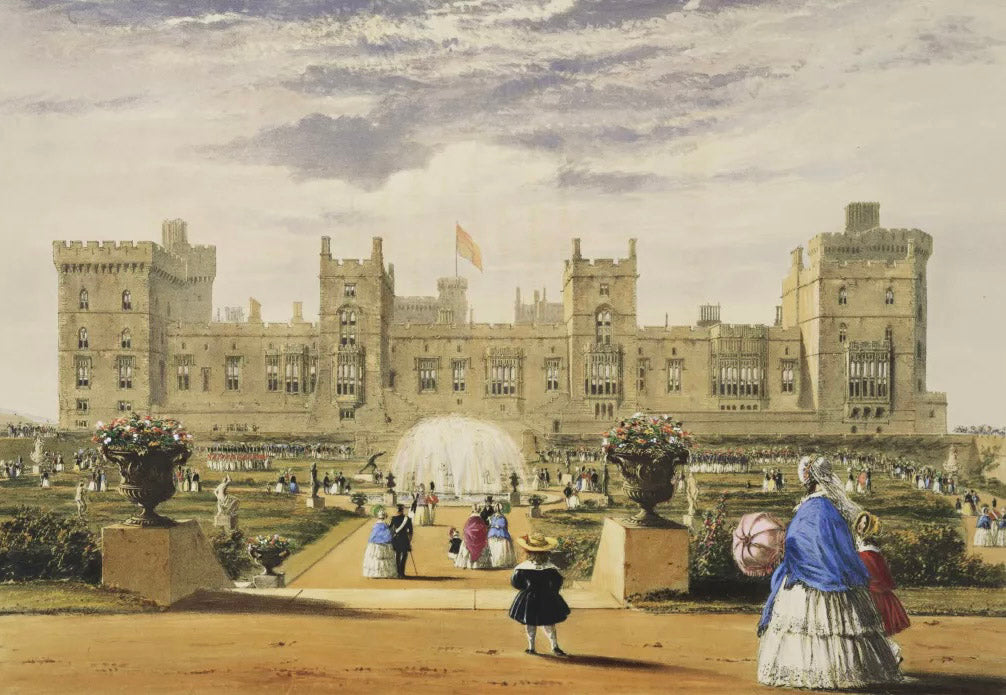
(Double-smoked Congou from Fuhkien, mark F.T.L.-D.S., 30 chests for Windsor Castle, included in the Annual Provision List.)
30 chests ≈ 1.5 tons (1 chest ≈ 50 kg)
This record is cross‑verified with the original 1888 annotated entry from the Royal Household Procurement Records.
Archival Evidence:
The National Archives (UK), reference LS 4/132 (1889), accounting records of the Lord Steward's Office (Royal Household) state:
(1895-1972)
Shi Zuofan (style name: Fulong), great-grandson of Shi Guangling, was a founder of modern China's tea industry and the first Chief Tea Evaluator of the state-run Fu'an Tea Refining Factory.
He systematically established the modern black tea evaluation system, trained the first group of Chinese tea experts to go abroad, and authored Essentials of Minhong Black Tea Refining, still a classic textbook in tea science.
Key contributions:
He formulated industry standards for China's black tea sector;
Innovated the “stepwise fermentation method”;
During a difficult period, he risked his life to preserve traditional tea-making techniques.
In 2021, the Tanyang Congou Intangible Cultural Heritage Protection Center posthumously recognized him as the “Founder of the Modern Black Tea Refining System.”
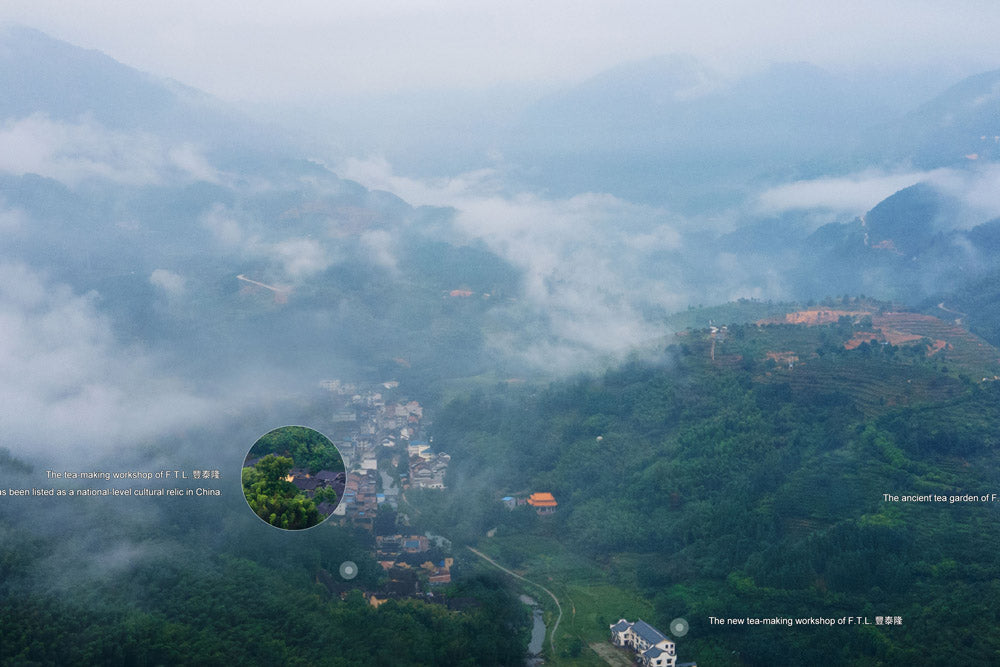
The tea-making workshop of F.T.L. 豐泰隆 holds significant importance in the history of tea production and is recognized as a cultural relic in China.
(1928-2015)
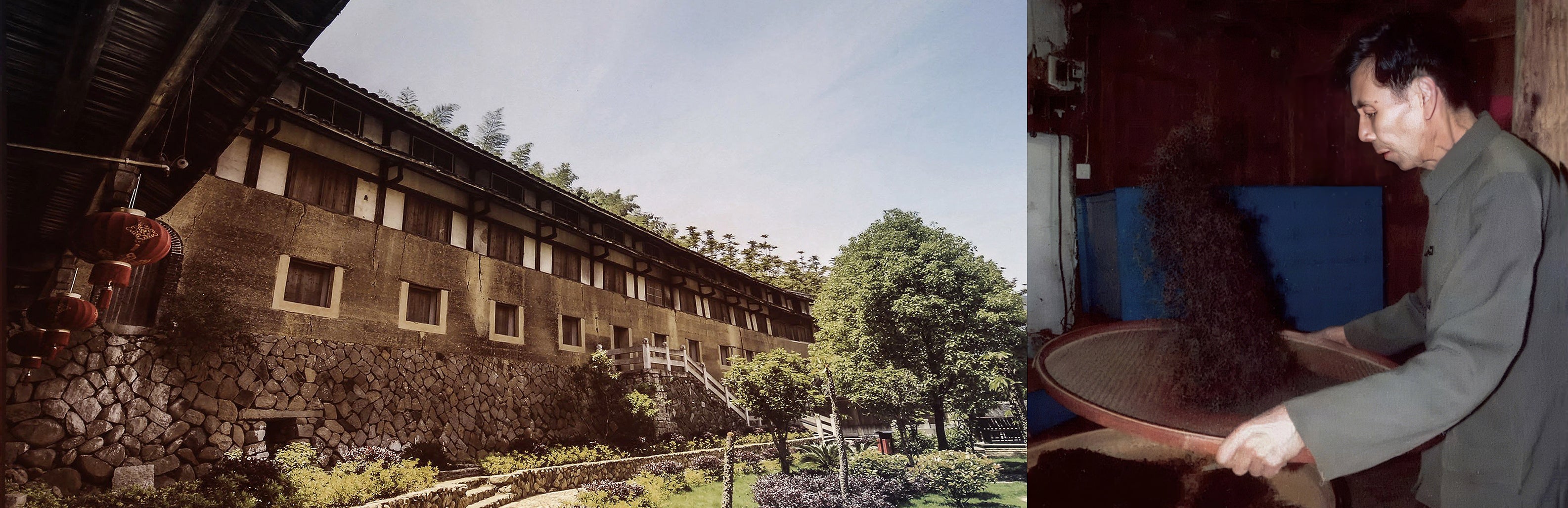
Shi Jikang was a tea scientist, engineer, and head of the Technology Section at the state‑run Tanyang Tea Factory.
His life was marked by turmoil and lived at the edge of danger. At a time when the craft of Chinese Congou black tea was at risk of being lost, he risked everything to preserve this intangible cultural heritage:
Winter 1969: Used an ox‑cart to hide six chests of antique tea‑making tools engraved with "F.T.L. 豐泰隆" in an abandoned kiln on Baiyun Mountain's north slope.

Shi Liqiang is the sixth‑generation direct inheritor, an ICH bearer, and a tea industry innovator of the 21st century.
The ICH collection teas personally crafted by Shi Liqiang set a contemporary black tea auction record of 450,000 RMB per chest at a Soong Ching Ling Foundation charity auction.
His work has been featured in reports by major Chinese media outlets.
Guanxianghong and the Double-Smoked Method – An Oriental Taste Code Flowing in the Genes
Six generations have preserved the taste heritage through the double-smoked method (achieving 0.8% theaflavin content) and the Guanxianghong cultivar (with an 85% purple bud rate).
The tea's history as a royal tribute (served at the 1887 Golden Jubilee banquet) and global material evidence (such as a 1908 tea chest found in Singapore) attest to its 175 years of cultural depth. From its premium status at London auctions to the contemporary record of 450,000 RMB per chest, the tradition continues through innovation while honoring its roots.