Anxi Intangible Cultural Heritage: Wei Yuede's Charcoal-Roasted Tieguanyin Tea
Appreciation
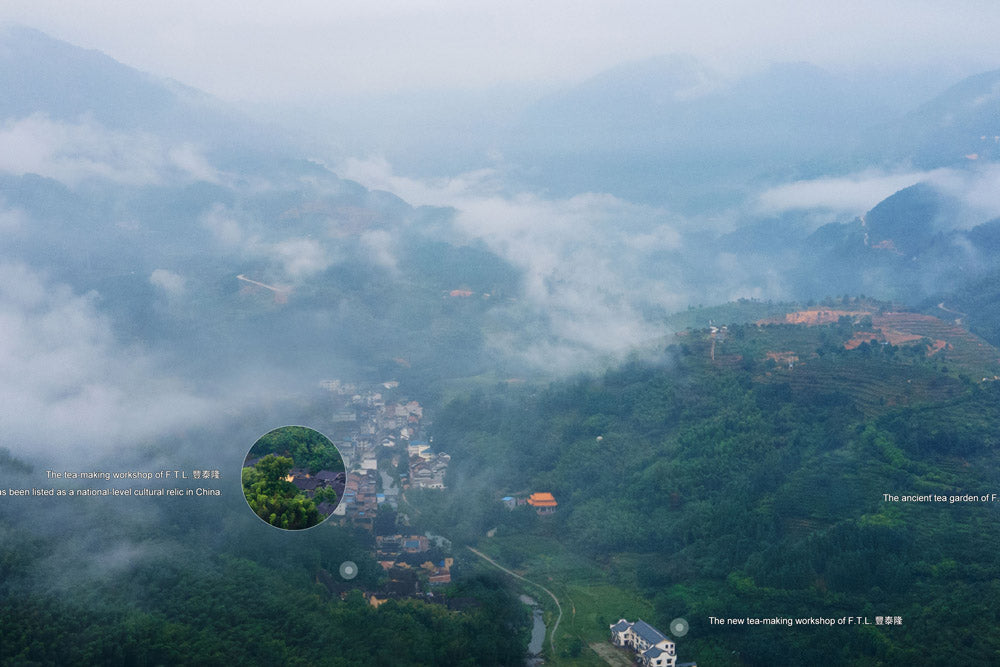
As the ninth-generation descendant of Wei Yin, the founder of Tieguanyin tea, and a national-level intangible cultural heritage inheritor, Wei Yuede's charcoal-roasted Tieguanyin is a microcosm of traditional craftsmanship. It uses organic tea leaves from old tea trees at an altitude of over 1,000 meters in Songlintou, Xiping Town, Anxi County as raw materials. The leaves are processed using the ancient method of "shaking evenly, shaking for water, shaking for aroma, and shaking for flavor". Then, it is charcoal-roasted for 5 to 28 hours using a unique "divine fire" technique, resulting in a "mellow, rich, sweet, and smooth" flavor benchmark.
Year : 2025
Grade : Special
Tea Maker : National Intangible Cultural Heritage Wei Yuede, inheritor of Tieguanyin tea tradition
Origin : Organic tea leaves from old tea trees at an altitude of over 1000 meters in Songlintou, Xiping Town, Anxi County are used as raw materials.
Variety : Tieguanyin
I. Dry Tea: Observing its Shape and Judging its Quality
Appearance: The strips are plump and firm, with a typical "dragonfly head and frog leg" shape, and appear round and heavy due to the traditional hot-wrapping and kneading process;
Color: Dark and glossy with a subtle dark brown sheen, free of scorch marks or white spots, which is evidence of precise flame control;
Initial scent: When you bring your nose close and sniff lightly, you'll find a sweet and moist honey scent with a subtle hint of charcoal and woody aromas, without any harsh or smoky notes.
II. The coexistence of fire and tea aroma
Dry/Warm Cup Fragrance: The honey scent emerges first, followed by the charcoal aroma after warming the cup, which intertwines with the orchid scent to form a warm and smooth base;
Infusion aroma: When boiling water is poured high, the aroma of charcoal, milk, and ripe fruit bursts forth in layers, yet it does not obscure the true orchid fragrance of Tieguanyin. This is due to the exquisite fusion of aromatic substances accumulated during the "four shaking" process and charcoal roasting.
Aroma at the bottom of the cup: After the tea soup is poured out, a sweet jujube aroma remains at the bottom of the cup, which remains clear even after standing for a long time, showing its full inner quality.
III. Guanyin Rhyme
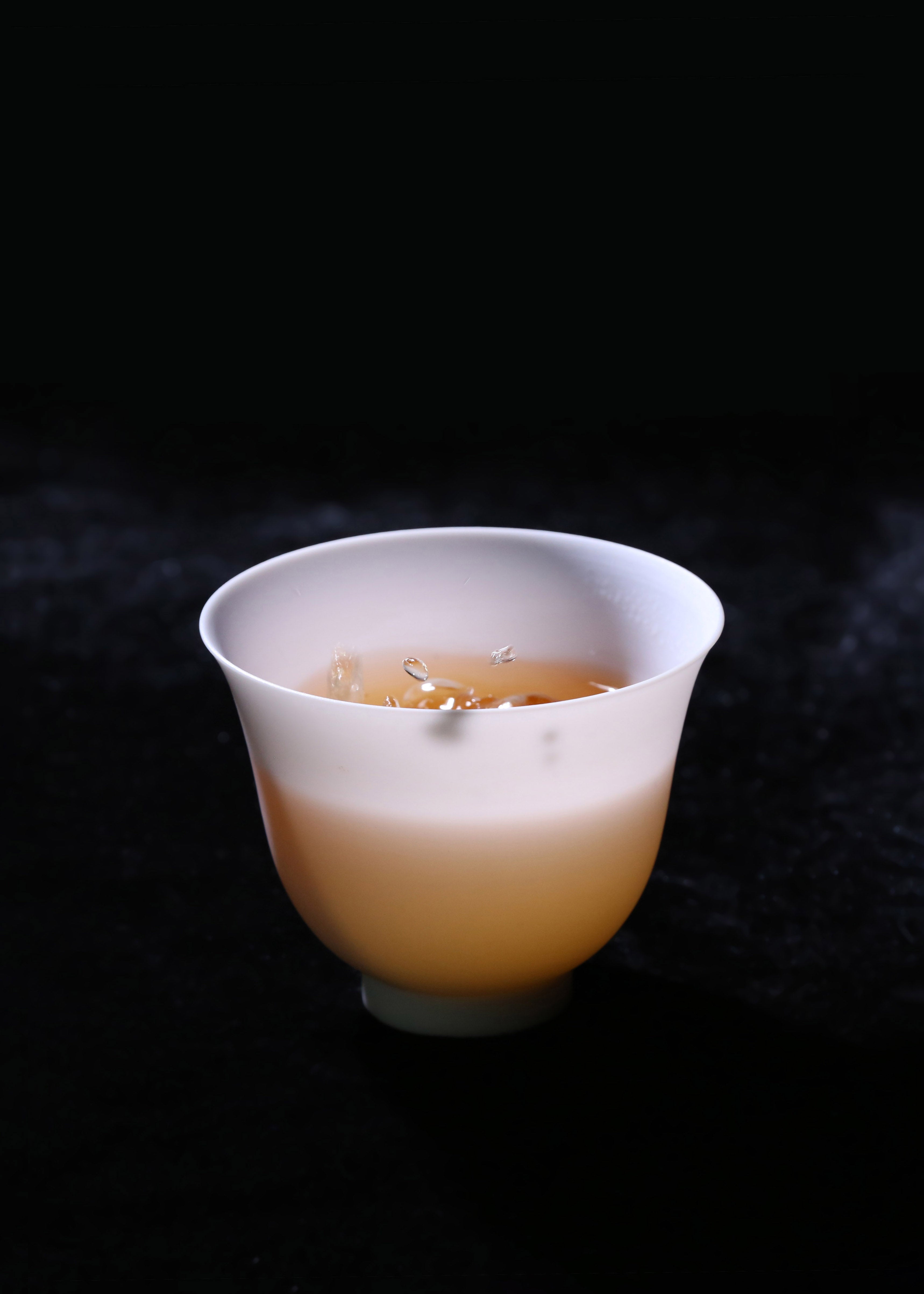
The color of the soup ranges from light amber to deep orange-yellow, clear and oily, with fine gold rings in the white porcelain cup;
Taste: It is mellow and smooth on the palate, without any bitterness. The tea soup has a viscous feel, and you can taste the caramel sweetness produced by charcoal fire on the tip of your tongue.
Aftertaste: After swallowing for 3 seconds, saliva is produced under the tongue, and a cool sensation arises in the throat. The aftertaste carries a woody and orchid fragrance, and a warm current spreads throughout the body, just like the feeling of "sweating lightly after four bowls of soup".
IV. Leaf Appearance: Testing Process and Growing Area
Color: Bright yellow-green with red edging on the leaf edges, a hallmark of traditional craftsmanship, and no scorched or dead spots;
Leaf quality: The leaves are thick and elastic, and are not easily broken when lightly pinched - This is due to the abundant internal quality accumulated in the high-altitude, foggy environment, which also confirms the precise control of the withering and roasting process.