Three Realms of Brewing in a Glass
Color Observation
The recommended tea amount is 3g to 5g,strength based on preference.
Pour 70℃ warm water gently,
watch buds and leaves unfurl and float in the glass,
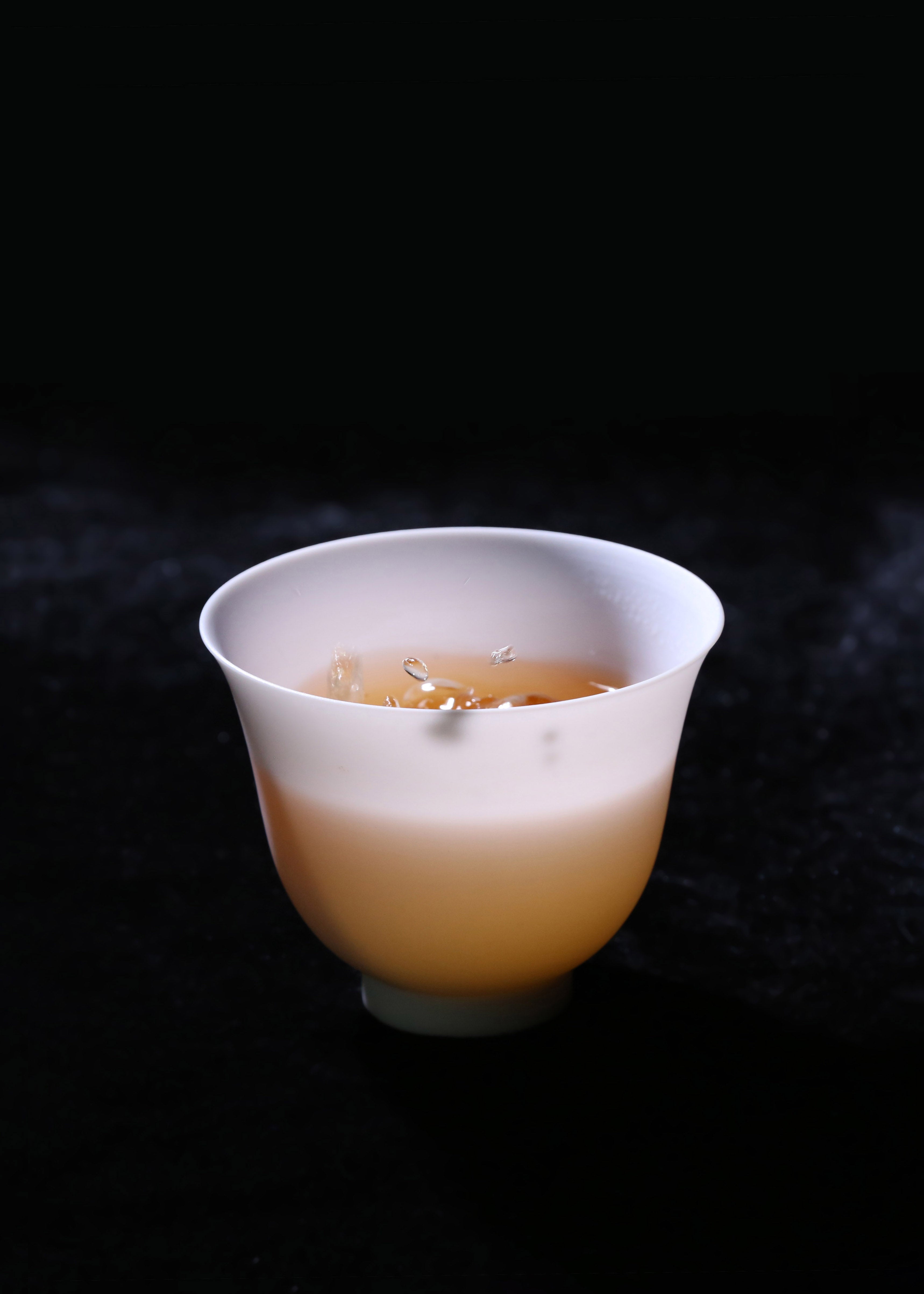
tea liquor color fades from light green to clear,wet leaves stay fresh and vivid like new spring shoots.
Aroma Appreciation
Sniff the glass rim while it’s warm – the fresh, tender down fragrance lingers in the air, deeply refreshing your senses.
Taste Appreciation
The moment it enters your mouth, the fresh and brisk sensation is like "mountain spring washing your tongue".
The slight astringency of tea polyphenols balances with the sweet freshness of theanine.
Then a sweet aftertaste emerges from the bottom of the tongue, lingering long and steadily.
Brewing tips
1.Low-temperature brewing is key (70℃ is optimal)
Avoid Boiling water(100℃) for first brew causes 1st bitter, 2nd bland.
After the mouth is irritated, even if the subsequent water temperature is suitable, it will be difficult to perceive the tea flavor levels, and the true beauty will be missed.
Biluochun tea is often jokingly called " little rascal (Xiao Hun Dan) " by tea drinkers—this nickname holds subtle ingenuity :
"Little"(Xiao): The buds are extremely tender, " One pound of 108,000 buds";
“Misty”(Hun): High-grade Biluochun tea is covered with white fuzz, causing the tea soup to be slightly cloudy, which is exactly the mark of its identity as “snow buds and golden powder”.
"bland"(Dan): This is often due to excessively high water temperature (>80℃), which causes a rapid and large amount of caffeine, tea polyphenols and other substances to be extracted from the tea buds. This results in a sudden increase in concentration and bitterness in the first brew. Subsequent brews show a rapid decline in the content of these substances, creating an imbalance of "bitter in the first brew and weak in the second brew", rather than the tea itself being weak in flavor.
(Note: Correct brewing method: Pour in warm water at 70-75℃, observe the white downy hairs floating like spring snow falling into the cup, taste the fresh, sweet and mellow flavor like the fragrance of flowers enveloping the tongue, only then can it live up to the reputation of "frighteningly fragrant".)
Low-temperature Brewing Applicable Scope:All high-grade teas made from fresh, tender buds (e.g., Mengding Nectar, Biluochun, and high-grade black tea). The more delicate the buds, the lower the water temperature; slightly higher temperatures can be used for teas with coarser leaves.
2.Water quality is the easiest factor to overlook
Choose Qualified purified water; never use alkaline water.
(For commercially available mineral water brands, their water sources and quality indicators vary. So-called "high-quality mineral water and mountain spring water" may cause loss of functional components and inhibition of aroma in tea.)
Effect of Alkaline Water on Green Tea
Tea Liquor color:
When pH>8.0, chlorophyll and flavonoids are easy to oxidize, and the bright green color turns to dark yellow and turbid.
Taste:
It inhibits the dissolution of tea polyphenols and caffeine, impairs the fresh and brisk taste of amino acids. Additionally, calcium and magnesium ions cause the tea liquor to become turbid, significantly reducing its "richness and smoothness" and resulting in a rough mouthfeel.
Aroma:
Accelerate the degradation of volatile substances in clear-scented teas (such as jasmine tea), floral aroma dispersal, easy to generate water boring flavor.
Especially the fragrant tea (such as jasmine tea, Anji White Tea) floral aroma is easy to disperse.