Shi Jikang Congou black Tea, Produced in 1998
"窨制Key " Appreciation
Vintage: 1998
Number: FTL/19980306/sjka/sx
Remaining Stock: 8.2 kg total (including the tea sample storage at Dayatang).
Grade: Top Rare
Maker: Handcrafted by Shi Jikang — tea scientist, tea engineer, and the fifth-generation direct descendant of Shi Guangling (one of the founders of Tanyang Congou)
Origin: Tanyang Village, Fujian Province, China (Hometown of Tanyang Congou)
Variety: Wild group species (vegetable tea)
Craftsmanship: The Shi Family’s Guanxiang(AromaPrime) ancient methods , 窨制Key, preserves the core craftsmanship.
Dry tea appearance: single bud, extremely delicate and tender.
The dry tea has a deep brown, glossy hue, with a warm luster bestowed by years of aging. The buds are uniform and compact, free of crumbs, each less than 1 cm in length. They yield a slight elasticity when squeezed — embodying the natural tenderness of wild Cai Cha single buds, while preserving the buds’ integrity through the Shi Family’s traditional craftsmanship and years of aging. It represents the "top-rare" of premium raw materials and exquisite craftsmanship.
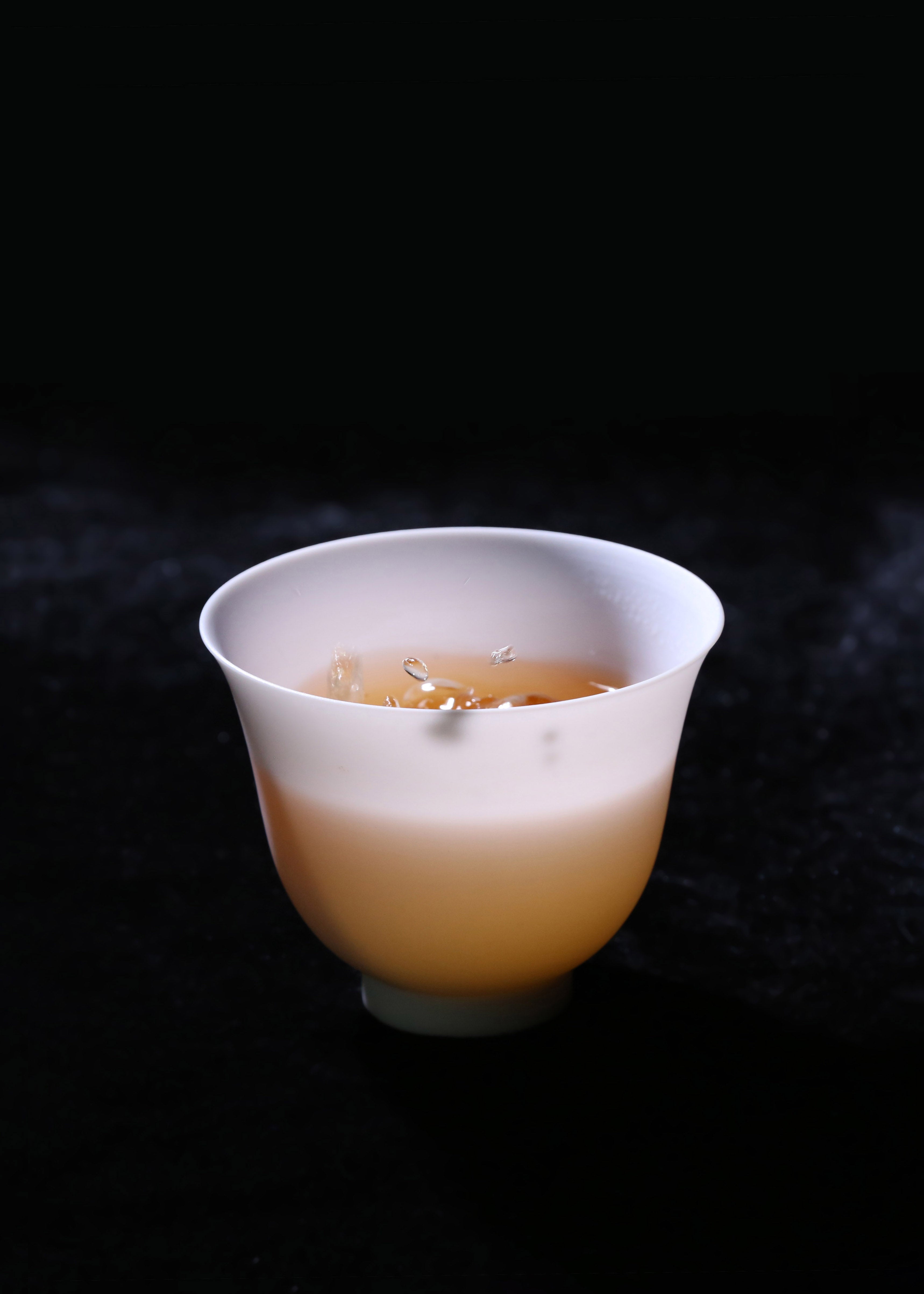
Liquor color: Ruby-red with a bright orange hue, clear and translucent.
A thin, delicate golden rim shimmers on the tea’s surface, distinct and long-lasting — evidence of the wild Cai Cha single buds’ rich inner quality (high in tea polyphenols and amino acids). Nearly 25 years of aging have not clouded the liquor; instead, the "窨制Key" craftsmanship locks in aromatic compounds, rendering the orange-red hue even warmer and more translucent, like condensed amber glow.
Aroma: Based on the Shi Family’s Guanxiang(AromaPrime)ancient methods, "窨制Key", the aroma exhibits "triple-layered notes".
Dry Sniff / Warm Cup Aroma: The initial scent is a faint woody aroma brought by aging, mixed with the unique honey sweetness of wild vegetable tea, without any smoky or dry smell; after warming the cup, the aroma of longan and jujube brought by the 窨制 craft gradually emerges, and the sweetness envelops the nasal cavity, showing the "key" to the retention of sweet aroma substances;
Infusion aroma: After years of aging, its floral and fruity aromas gradually fade. The top note is a fresh honey aroma (the original flavor of wild vegetable tea), the middle note is a blend of aged woody aroma and 窨制 caramel sweetness, and the base note reveals a faint medicinal aroma (unique to aged tea). The layers are distinct and blended naturally, without the thinness of a single aroma.
Cup Bottom Aroma: Once the tea liquor is fully poured out, a sweet jujube fragrance lingers at the bottom of the cup—still clear even after standing for 5 minutes.
Taste: Single Buds, Mellow Smoothness in Ancient Tradition; Aged Charm & Sweet Aftertaste Hold the "Key"
The first sip greets with "moisture"—the tender, astringent wild tea buds offer a gentle, mellow taste on the tongue, a result of aging. This is followed by "mellowness", the tea liquor is slightly thick, revealing the "thickness" of Shi's traditional methods upon swallowing, without anywithout the thinness of watery tea. Ten seconds later, saliva is released from the back of the tongue, first revealing the fresh sweetness of the wild tea, then transitioning to the sweetness of the scented caramel, with a woody finish lingering in the throat for 15 seconds. This "smoothness followed by mellowness, with layers of sweetness" is the core of the "窨制Key"—preserving the freshness of the single buds while adding depth through 窨制 and aging, without the staleness of aged tea, showcasing Shi Jikang's masterful control of the craft.
Handmade by Shi Liqiang in 2015
"Aroma Prime Tea (Da Ya Tang Red Rose)"Appreciation
Year: 2015
Number: FTL/20150101/AromaPrime/dyt
Grade: Top Rare
Producer: Shi Liqiang, ICH inheritor of Congou black tea , founder of this tea variety, handcrafted personally
Origin: Tanyang Village, Fujian, China, birthplace of Tangyang Congou Tea
Variety: Red Rose Aroma Prime Tea
This tea is personally recommended by the variety namer and right holder.
Craftsmanship: Shi Family’s Seven Siftings and Eleven Processes, AromaPrime Ancient method
Dry tea appearance: Single buds, plump and robust
Liquor Color: Golden yellow, amber-hued
Aroma:
Dry sniff reveals a warm, woody aroma imparted by 10 years of aging, layered with the fresh sweetness of red roses and wild honey aroma—free of harshness.
After warming the cup, the caramel sweetness becomes softer. When brewed, After 10 years of aging, its floral and fruity notes gradually fade. The top notes are a softened rose scent (not strong or overpowering), the middle notes are a blend of honey, caramel and aged notes, and the base notes are a solid woody scent. The rose and honey scent at the bottom of the glass has an aged aroma that lingers for a longer time.
Taste:
Moother and warmer than new tea on the first sip, with no hint of astringency. The tip of the tongue first encounters the mellow sweetness of aging, mixed with the refreshing sweetness of red roses. When swallowed, the richness brought by the processing becomes more apparent, without watery thinness.
After 5 seconds, saliva is produced under the tongue, and the aftertaste gradually changes from rose sweetness to jujube sweetness and caramel sweetness brought by aging. The finish is wrapped with a light floral and aged aroma, lingering in the throat for about 15 seconds, which is longer and more mellow than new tea.