1. Prepare tea warmer
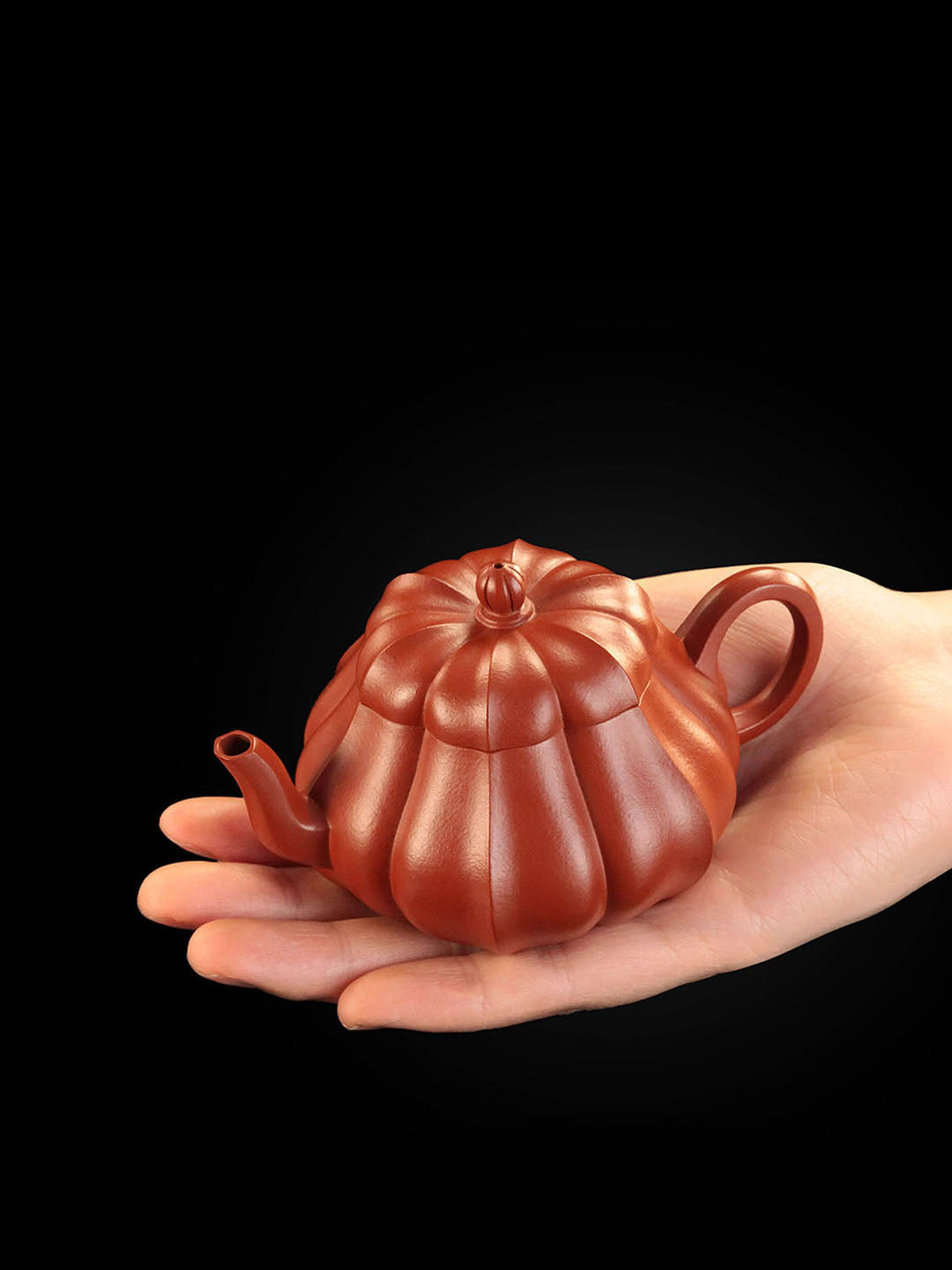
Gaiwan (lidded bowl), Yixing teapot, and glass teaware are all suitable.
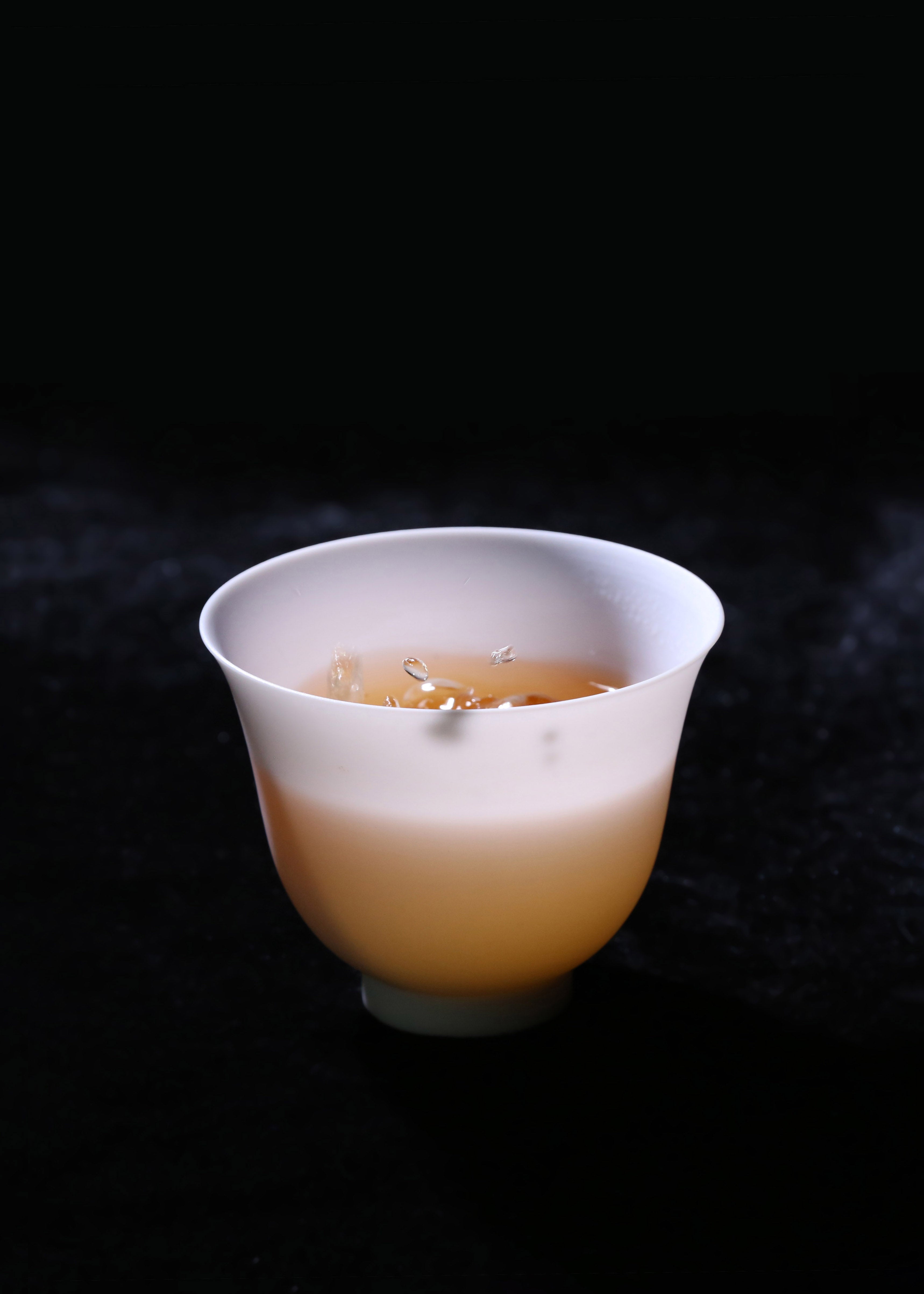
Warm the cup with boiling water before brewing.
II. Adding tea leaves and shaking to release aroma
We recommend using 3-5 grams of tea leaves, but you can adjust the amount according to your personal taste. After adding the tea leaves, gently shake the container to release the aroma.
III. Brewing and Drinking
Let the boiling water cool to about 80 degrees Celsius. It is recommended to use a gentle, slow, steady pouring method, pouring water slowly over the tea leaves to allow them to be evenly moistened and unfurl, thus promoting a balanced flavor and aroma in the tea.
The first two infusions should be poured out within 2 seconds, the third within 3 seconds, and subsequent infusions can be poured out within a certain time. The aroma will linger after 7 infusions.
Brewing tips:
1. Always brew at a low temperature . If boiling water (100℃) is used for the first infusion, the tea tends to taste strong and bitter. Due to the characteristics of oral perception, even if the water temperature is appropriate in subsequent infusions, the tea will still feel bland. Therefore, using boiling water for the first brew will deprive you of the tea’s original wonderful experience.
This tip applies to all high-grade Chinese teas made from "tender buds and leaves", such as Mengding Ganlu and Biluochun. Generally speaking, the more delicate the buds, the lower the water temperature required; the coarser the leaves, the higher the water temperature can be.
2.A single serving of tea should be fully brewed within 20 minutes. If you can’t finish the brewed tea right away, store the tea infusion in a container. When you want to drink it again, reheat the previously poured infusion—in an instant, the room will fill with its enchanting, intoxicating aroma.
Do not leave the wet tea leaves (after steeping) in the gaiwan for an extended period (e.g., 1–2 hours) before re-steeping. This is because prolonged exposure leads to increased oxidation: tea polyphenols oxidize more deeply, the original fresh and brisk flavor fades, and aromatic compounds evaporate, resulting in a dull, tasteless brew. Such a method would reduce a rare, exceptional tea to a lackluster drinking experience.
This guideline applies to all highly aromatic Chinese teas.
Note: An exception exists for aged Chinese teas, as well as those with heavy roasting or strong fermentation. These can be steeped for longer periods, brewed slowly, or even simmered.
For brewing instructions on aged black tea, please refer to "A Guide to Slow-Brewing Aged Black Tea".