
The decorative patterns on ancient Chinese porcelain originate from the cultures of successive Chinese dynasties and represent the age-old traditional art of China.
From the ornamentation of primitive pottery, the invention of glaze, the application of slip, the emergence of carving and incising techniques, to the popularization of painted decoration, each period has produced splendid and exquisite works.
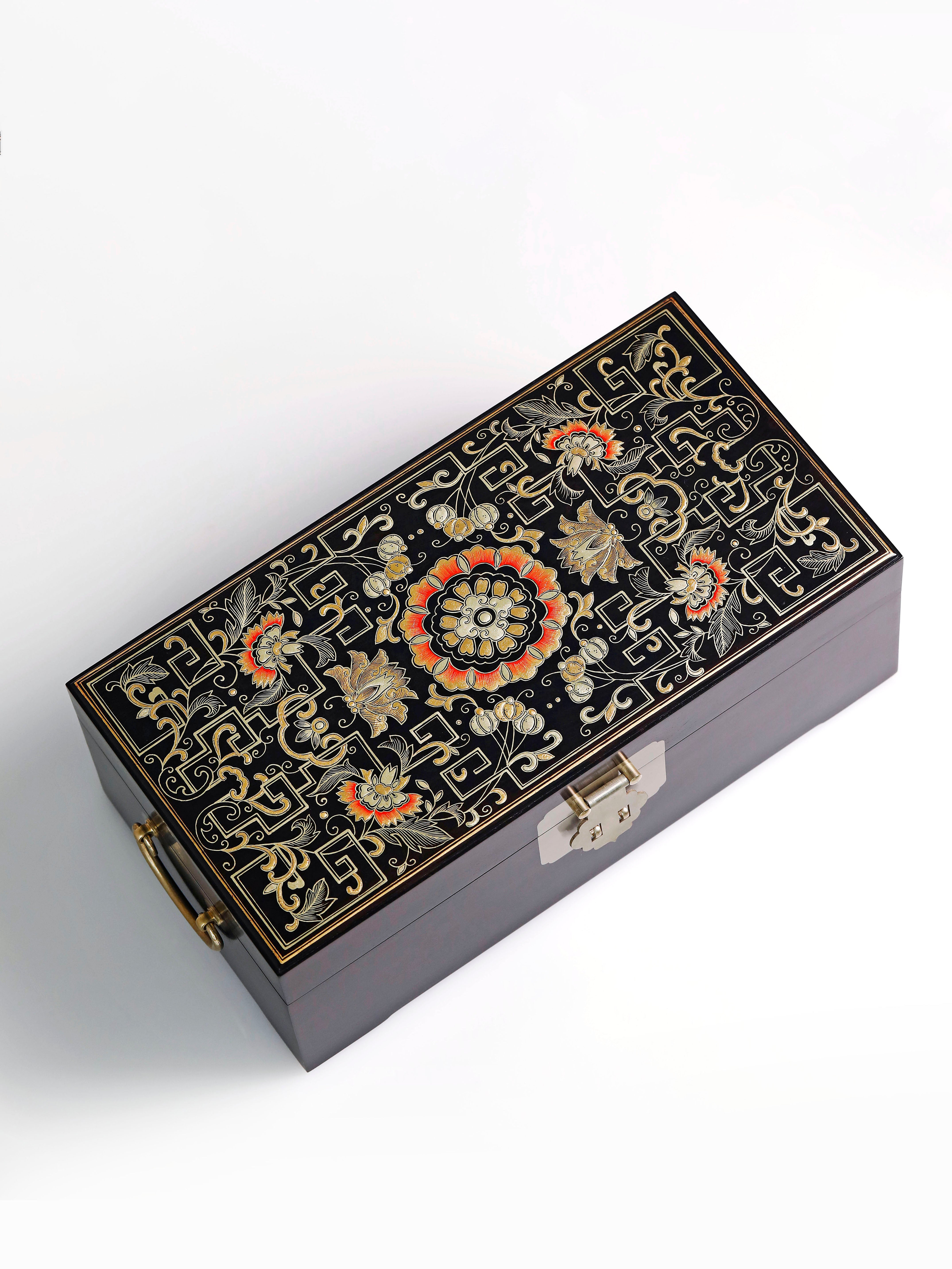
Among the decorative patterns of Jingdezhen ceramics, interlocking branch patterns account for the largest proportion and have the widest application.
In the Ming Dynasty, they were also known as “twisting branch patterns”.
They are not only endless and infinitely varied, but also feature graceful flow and distinct rhythm.
The lotus pattern is one of the earliest motifs used to decorate porcelain, remaining popular from the Southern Dynasties all the way to the Qing Dynasty.
The lotus holds a special place in Buddhism and Buddhist art, and is honored as the “sacred flower of the Buddhist faith”.
A large proportion of decorative patterns on ancient porcelain express blessings and symbolize good fortune.
Since the Ming and Qing dynasties, it has been especially popular to convey such themes through homophonic and symbolic meanings.
The decorative patterns on ancient Chinese porcelain not only boast rich themes and ingenious techniques, but also follow the timeless principle:
Every pattern bears a meaning; every meaning conveys auspiciousness.
Homophonic expressions and symbolic techniques are commonly used to embody wishes for good fortune and bliss.