Ye Qitong, National ICH Inheritor Curated Selection
Authentic Niulankeng Rougui
Appreciation
This top-tier pure Niulan Keng Rougui by Ye Qitong represents the pinnacle combination of "core Zheng Yan (True Cliff) terroir + Intangible Cultural Heritage craftsmanship".
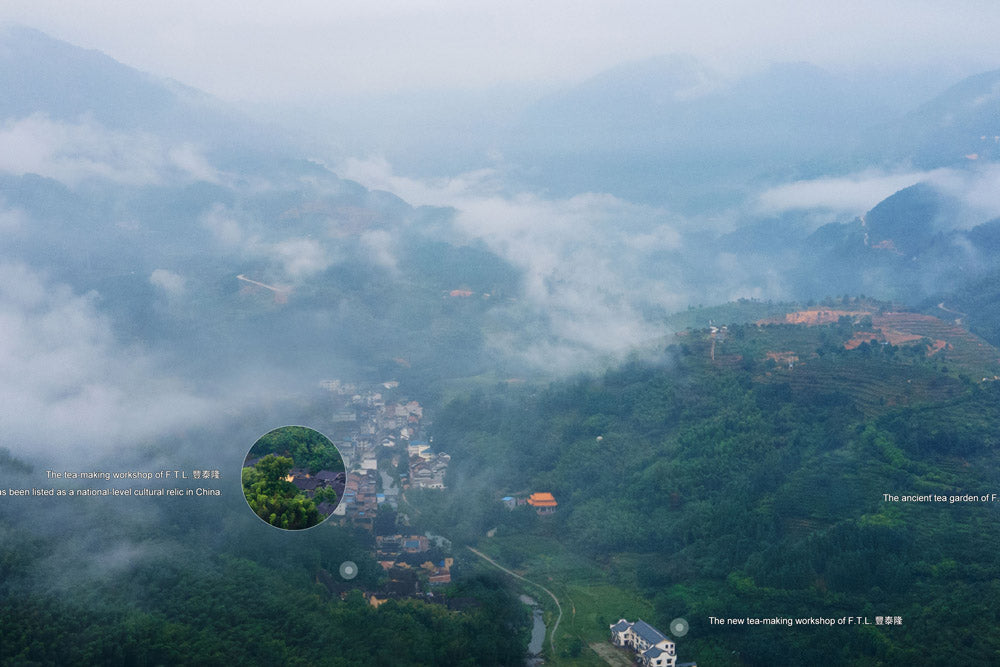
Niulan Keng—core of Wuyi Rock Tea’s prestigious "Three Pits and Two Ravines", boasting danxia gravel soil and a mist-shrouded micro-ecology—endows the raw material with a unique "rock texture".
The traditional craftsmanship inherited by Ye Qitong (precise leaf withering, slow roasting over lychee charcoal at a moderate fire) maximizes the Rougui’s "spicy cinnamon aroma" and the production area’s "mountain charm".
To truly appreciate its essence as a "top-tier Zheng Yan Rougui", tasting must focus on three core characteristics: "powerful rock rhyme, layered spicy notes, and rich, smooth liquor texture".
Year : 2025
Grade : Premium Grade
Supervisor : Ye Qitong, National ICH inheritor of Wuyi Rock Tea (Da Hong Pao) Craftsmanship
Origin : Core premium rock tea - producing area of Wuyi Mountain
Variety : Rougui
I. Core Foundation: Dual Rarity of Terroir and Craftsmanship
- Niulan Keng Terroir Genes :
Covering only over 30 mu (approx. 2+ hectares), Niulan Keng features thin gravel soil rich in minerals (iron, potassium), frequent mists, and short sunlight exposure (3-4 hours of scattered light daily). Tea trees grow slowly with thick leaves, boasting high concentrations of active ingredients (catechins, aromatic substances) — laying the foundation for its distinctive "rock rhyme". - Traditional ICH Craftsmanship Recommended by Ye Qitong :
"Traditional Leaf Withering": Alternates 7-8 rounds of shaking and cooling, controlling fermentation at around 35%. This preserves Rougui’s spicy notes without causing a stagnant taste.
"Slow Roasting Over Lychee Charcoal at Moderate Fire": Low-temperature roasting (90-100℃) for 5-7 days, followed by one re-roasting.
The roasting intensity neither overshadows the aroma nor suppresses the rhyme, achieving a balanced fusion of terroir-specific and variety-specific fragrances.
II. Appreciation Dimensions: The Authentic "Zheng Yan Character" from Outside to Inside
1. Dry tea leaves: Robust and Lustrous, Epitomizing Zheng Yan's Essence
The tea leaves are tightly bound, robust, and slightly twisted (uniform rolling intensity reflects solid craftsmanship).
Color: Dark brown with a glossy, jewel-like sheen (a natural luster from moderate roasting, free of burnt edges).
Aroma: Faint spicy cinnamon notes blend with rock mineral aromas, no off-odors.
Texture: Flexible when gently pinched (thick leaves with plump fibers, distinct from the looseness of tableland tea).
2. Aroma: Layered and Distinct, Coexisting Spicy Notes and Rock Rhyme
The aroma presents a "three-stage evolution" with temperature changes—an iconic trait of top-tier Niulan Keng Rougui:
3. Liquor Color: Orange-Red and Translucent, Golden Rim Indicates Quality
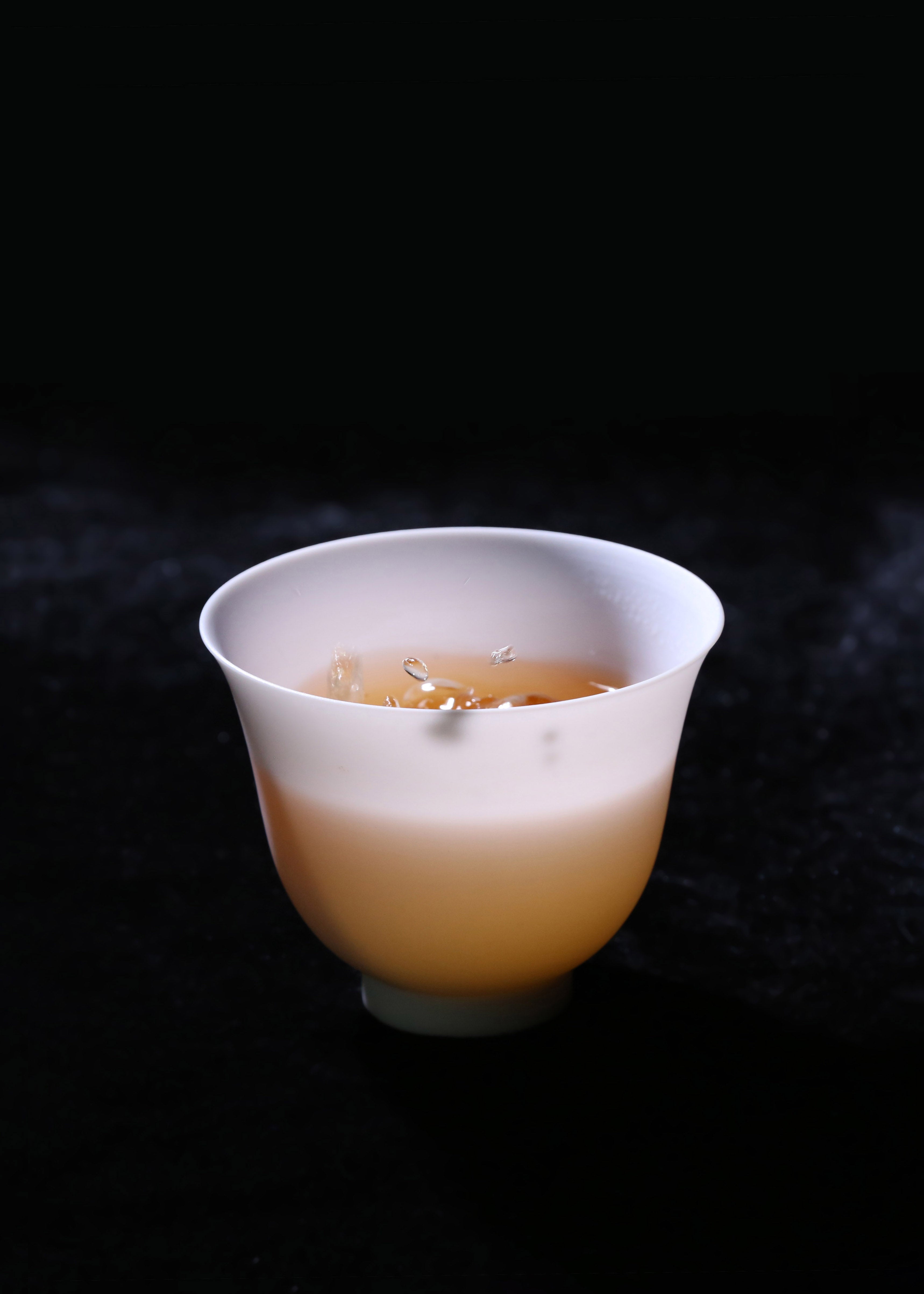
After brewing, the liquor presents an orange-red and translucent hue with obvious lacing on the cup walls. A distinct "golden rim" forms along the liquor edge—a sign of high contents of catechins and amino acids. Even after 8 infusions, the liquor remains orange-red without turbidity, confirming pure raw materials and impurity-free craftsmanship.
4. Taste: Powerful Rock Texture, Balanced Spiciness and Sweetness
The spicy cinnamon note hits the palate instantly—non-irritating to the throat and free of astringency, presenting a "gentle warmth with subtle spiciness".
The liquor is rich, smooth and full-bodied (high pectin content creates a comforting coating sensation in the mouth).
In the mid-palate, the "rock rhyme" bursts forth:a slight astringency on both sides of the mouth (the "structural firmness" of the rock texture),followed immediately by a rapid spread of sweet aftertaste and obvious fluid secretion at the throat base.
5. Wet Leaves : Thick, Fresh and Vibrant, Revealing the True Nature of Raw Materials
The wet leaves are greenish-brown with red edges—a standard of "green leaves with red trim" indicating precise leaf withering. The leaves are thick and flexible, with a "toad skin" texture on the surface (a sign of proper moderate roasting). The leaf veins are clear and distinct (evidence that Niulan Keng tea trees have deep root systems and abundant nutrient absorption). There are no broken or burnt leaves, reflecting exquisite craftsmanship.
Conclusion: More Than Tea – A Benchmark for Zheng Yan Rougui
The rarity of this tea lies in how Ye Qitong “restores” the true essence of Niulan Keng through Intangible Cultural Heritage craftsmanship. It neither deliberately emphasizes spicy notes nor over-roasts the leaves; instead, it lets “rock texture” serve as the foundation, “spicy aroma” as the accent, and “sweet aftertaste” as the lingering charm. This is a textbook example of “Zheng Yan Rougui”.
For tea lovers, tasting it is more than just savoring a flavor—it is experiencing the natural bounty of “Three Pits and Two Ravines” and the inherited ingenuity of intangible cultural heritage craftsmanship.