Place in a clean, odorless environment,
Avoiding light and moisture.
Ideal humidity : 60%~70% (moisture protection is needed in southern regions)
Optimal temperature : 20~30℃, avoid drastic fluctuations (such as direct airflow from heating or air conditioning).
Ventilation and protection from light : Provide moderate ventilation (avoid complete sealing), while isolating from odors (e.g., cooking fumes, cosmetics).
Dark storage: Ultraviolet rays can damage the internal qualities of tea leaves; it is recommended to use a light-proof container or store in a dark place.
Clean and odorless
Keep away from odor sources such as kitchens and bathrooms to avoid absorbing miscellaneous smells.
storage container
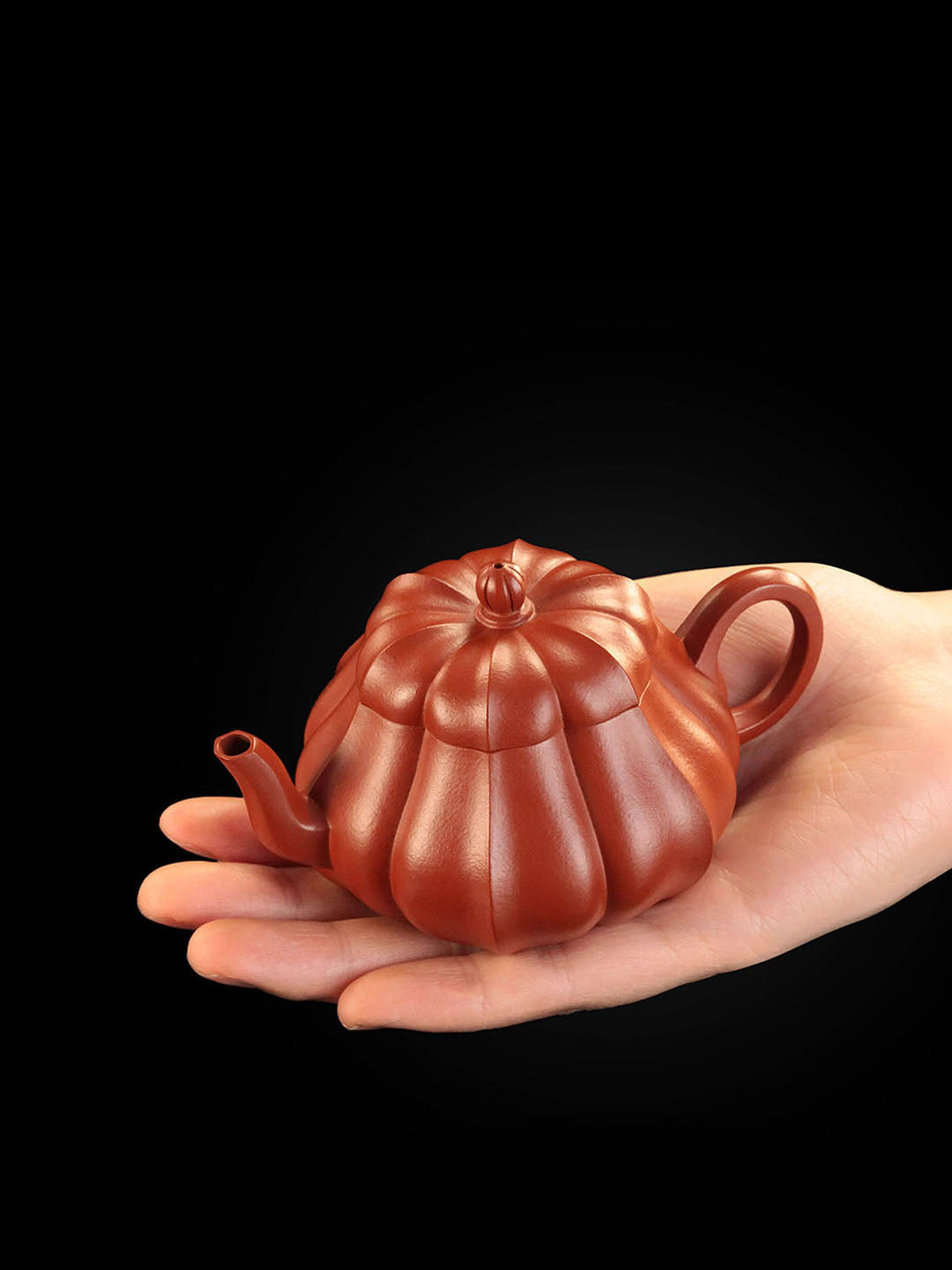
1. Purple clay pot/pottery pot
It has good breathability and is suitable for long-term storage, but the humidity needs to be checked regularly (use with caution in the south).
Clean with boiling water and air dry before use to avoid residual moisture.
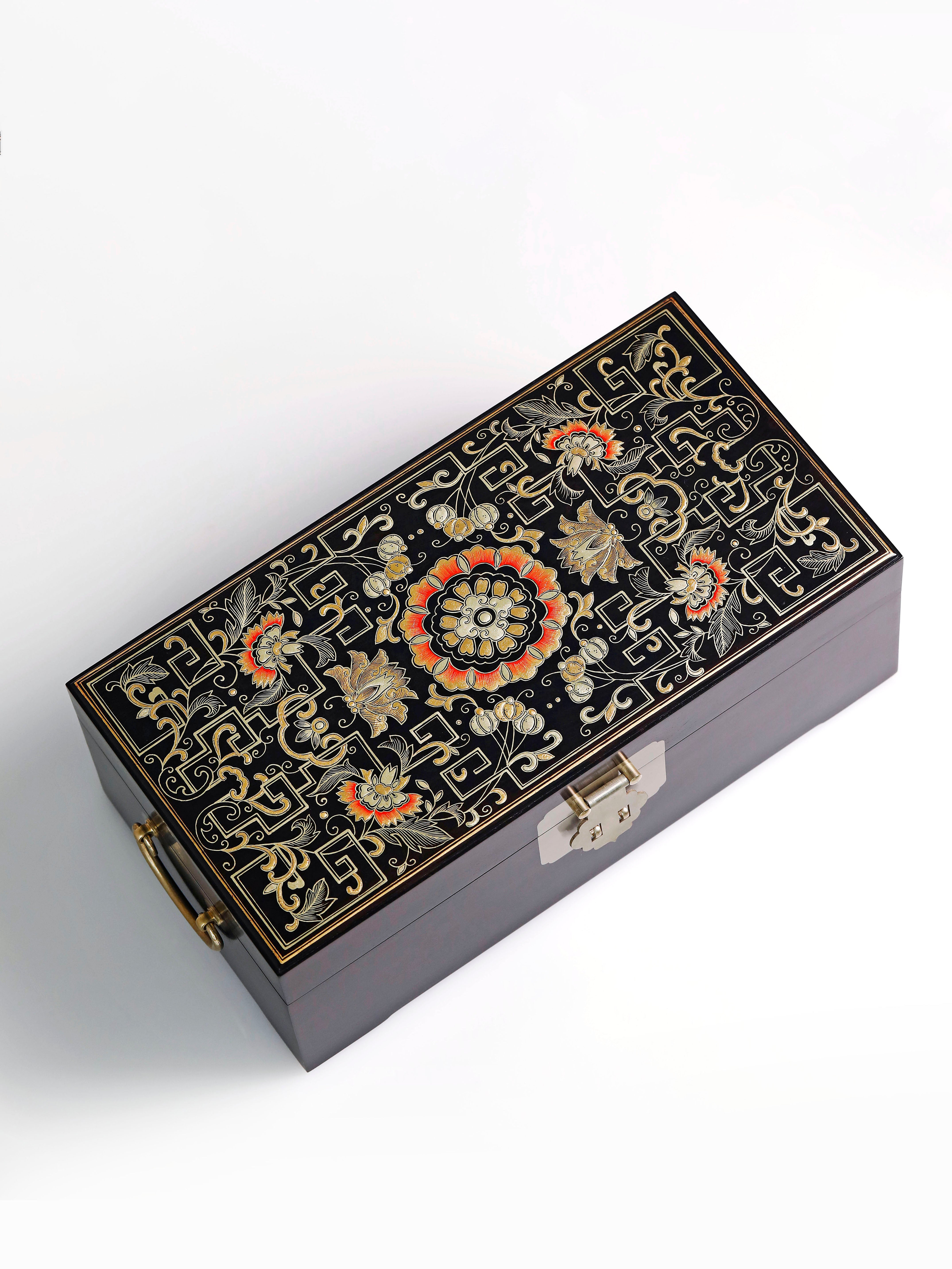
2. Cartons + Bamboo Shells/Cotton Paper
An economical and practical combination: Bamboo shells resist moisture and allow ventilation, cartons block light and are easy to stack.
It is recommended to store compressed tea cakes in their entirety (without removing the bamboo shoot husks) to minimize external interference.
3. Sealed Bags (Short-Term Use)
Only for short-term storage (within 1 year); long-term sealing hinders aging.
Choose food-grade aluminum foil bags, squeeze out air after filling with tea, and seal tightly.
Common Misconceptions
Refrigeration is incorrect: Low temperatures inhibit fermentation, and tea easily absorbs odors from the refrigerator.
Complete sealing is incorrect: Puer tea requires trace oxygen for transformation; vacuum packaging is unsuitable.
Folk claims, “New Puer is bitter and intense; "requiring 3 years of sealed storage to reduce its pungent flavor " only applies to teas from poor ecological environments.
For Pu’er made from top-grade materials like thousand-year-old ancient trees or Bingdao old village tea, the new tea stage is precisely the starting point of its flavor peak.
Take such ancient tree spring tea: It boasts rich wild floral aromas, fresh liquor, prominent rock sugar sweetness, and layered depth, fully embodying the essence of primitive ecology. Its charm lies in the unpolished vitality of the new tea phase.
Practice shows that after 5 years of storage, it shifts to a “classic aging trajectory” and loses its uniqueness.
For fine tea, drink it when new — savor its annual transformations.
Allow moderate air exposure in the first 3 years of storage to preserve the new tea’s ecological essence.
5-10 years: The tea’s nature mellowss; woody and aged aromas emerge.
Over 15 years: The liquor turns rich reddish-brown; the taste becomes mellow and full.
The storage philosophy of top-grade ancient tree tea is, at its core, reverence and preservation of primitive ecology.