Brewing
Utensils
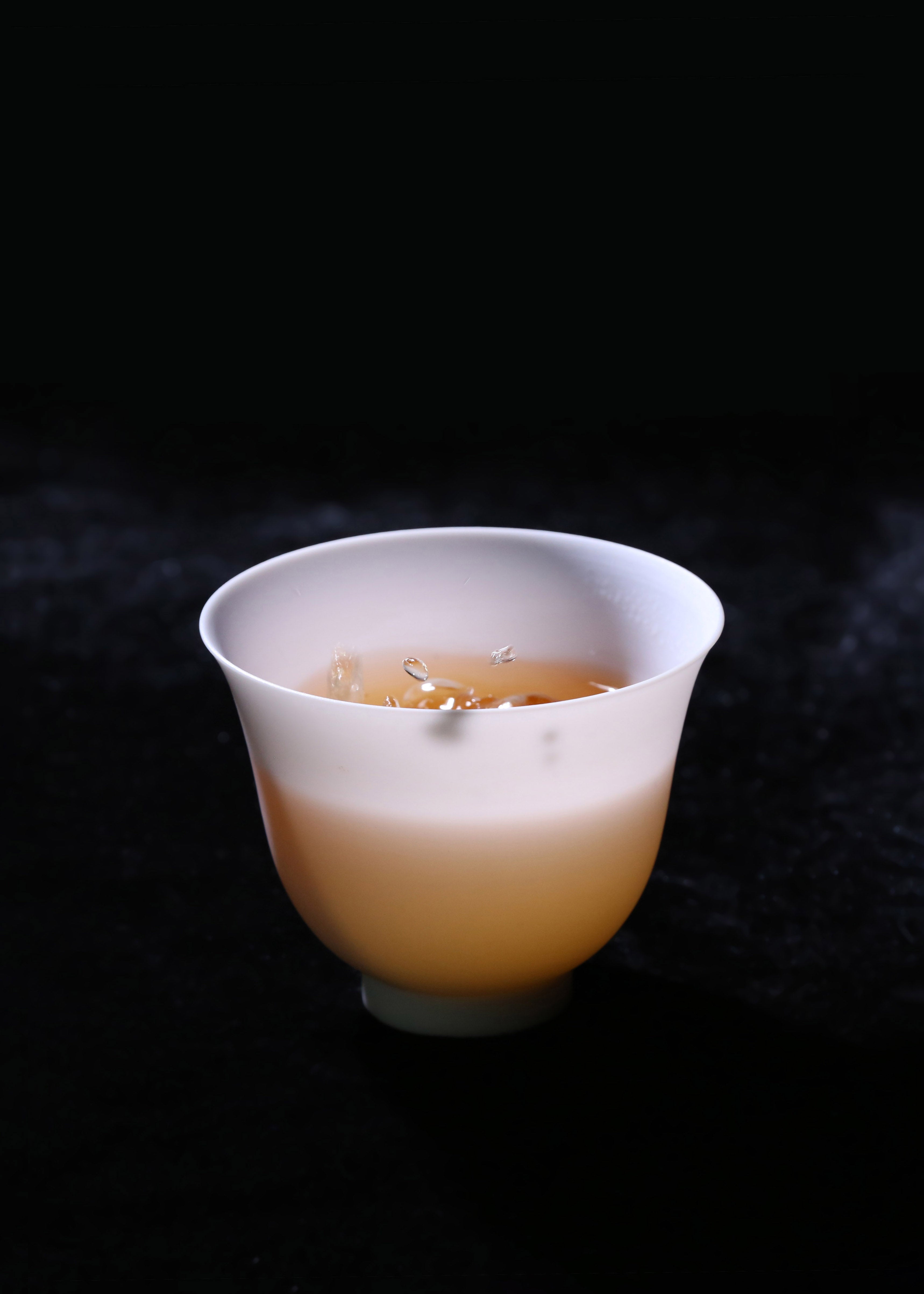
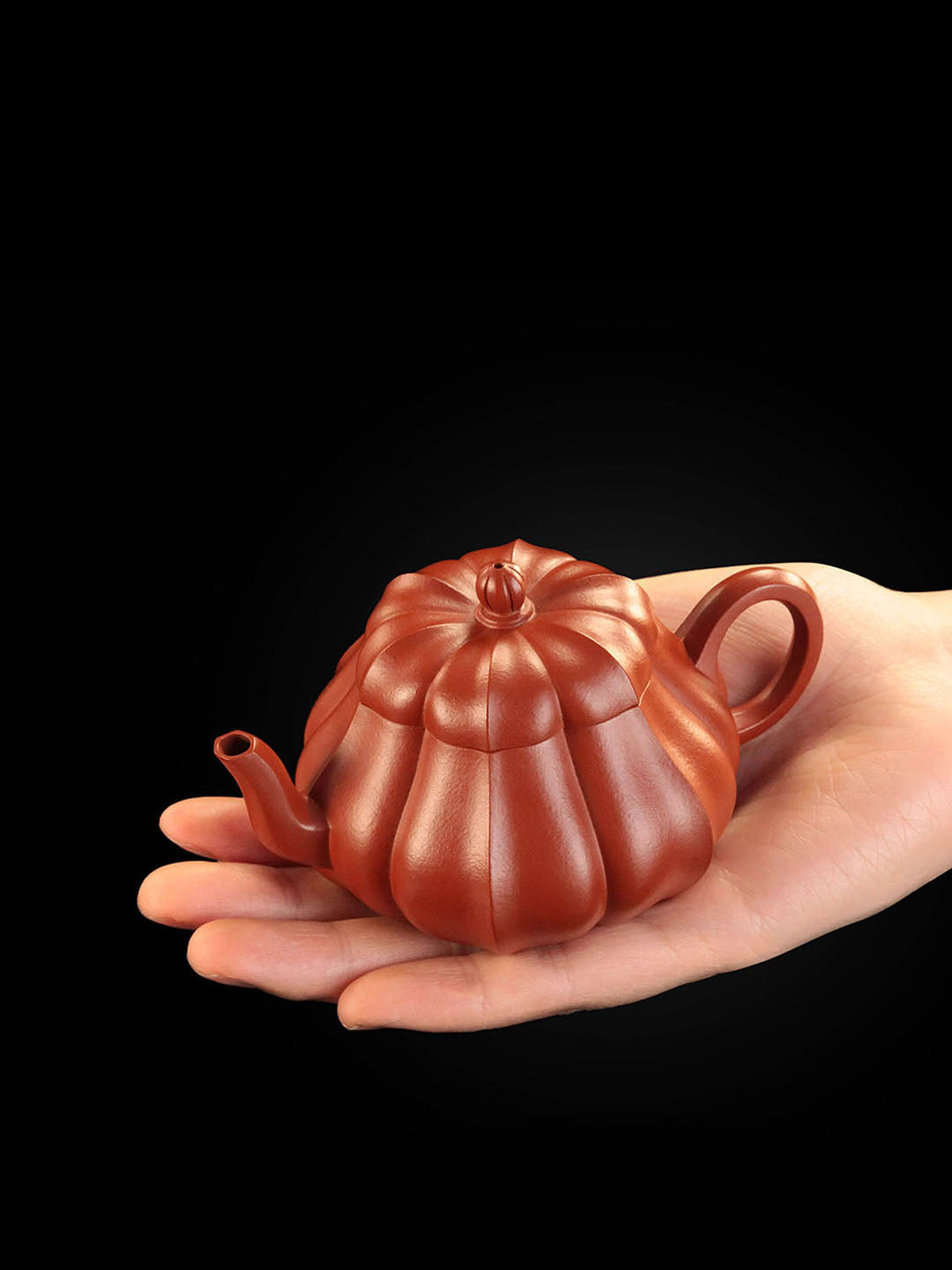
- Tea Ware : Gaiwan (preferred by locals for easy observation of liquor color and wet leaves) or purple clay teapot (excellent for retaining aroma) is recommended, with a capacity of 100-150ml.
- Water source : Purified water is a must; mineral water and tap water are not recommended.
- Water temperature : 100℃ boiling water (high temperature is required to stimulate the aroma of oolong tea).
- Tea leaves : Use 8-10g of dry tea (about 1/3 to 1/2 of the container’s volume, adjustable according to personal taste).
Warm the Ware & Clean
Rinse the tea ware with boiling water to raise the temperature of the teapot/gaiwan, preventing the tea liquor from cooling too quickly and affecting the flavor.
Add Tea & Awaken
Put the dry tea into the warmed teapot/gaiwan, shake gently, and smell the dry tea aroma (such as the caramel, floral, or fruity notes of rock tea). This step is called "aroma shaking."
brewing
1st Infusion: Never blindly follow the "tea washing" practice — the first brew is truly the essence! Pour boiling water and pour out the liquor immediately (about 10 seconds) to avoid bitterness from over-steeping.
From the 2nd Infusion Onward: Extend each steeping time by 5-10 seconds (adjust based on liquor concentration).
After the 4th Infusion: Appropriately lengthen the steeping time.
Key Tips: Pour water from a height to let the water flow hit the bottom of the tea leaves, stimulating aroma; drain the liquor completely when serving to avoid steeping in stagnant water.
Tasting
Key points
1: Never blindly follow the "tea washing" practice. The first brew is truly the essence, hailed by tea connoisseurs as the "reviving brew."
2: Water is the paramount priority.
Choose Qualified purified water; never use alkaline water.
(For commercially available mineral water brands, their water sources and quality indicators vary. So-called "high-quality mineral water and mountain spring water" may cause loss of functional components and inhibition of aroma in tea.)