
Brewing Guide for Aged, Heavily Fermented & Roasted Wuyi Rock Tea
- Aged, Heavily Fermented & Roasted Wuyi Rock Tea:
Aged rock tea (stored for over 5 years, e.g., old bush Shui Xian/Narcissus, aged Da Hong Pao) undergoes flavor transformation over time — bitterness fades, woody and aged aromas become prominent, and it turns richer when simmered.
Charcoal-roasted rock tea (full-fire/high-fire) features well-integrated roasting and tea flavors; simmering it unlocks caramel and nutty notes. - Tea Leaves for Simmering: Use the leftover wet leaves after 5-6 infusions. Simmering extracts the residual charm fully, avoiding waste (wet leaves from new tea can also be simmered but with strict time control).
Note: This method is NOT suitable for other styles, especially fresh fragrance-type new rock tea (light/moderate fire) or high-aroma varieties (e.g., Huang Guanyin/Golden Guanyin).
Tea brewing utensils
- Tea brewing equipment : Glass teapot (transparent for easy observation), ceramic teapot (heat retention and aroma enhancement), electric ceramic stove (precise temperature control).
Avoid stainless steel teapots (may alter the liquor color). - Capacity : 300-500ml teapot, tea-to-water ratio approximately 1:50~1:80 (e.g., 5g tea to 300ml water).
- Auxiliary tools : tea strainer (to filter out tea leaves), tea tongs (to pick up tea leaves).
Tea brewing steps
(Suitable for aged Wuyi rock tea/heavy roasted tea)
Warm the Pot & Awaken the Tea :
Rinse the simmering vessel with boiling water. Add 5-8g dry tea (1/3 less than the brewing amount to avoid over-concentration). Dry-roast over low heat for 10-20 seconds (or shake gently) to stimulate aged and roasted aromas. This step is similar to "tea stir-frying," helping remove foreign odors.
Add water and boil :
Cold Water Method: Pour room-temperature mountain spring water or purified water into the pot. Bring to a boil over high heat, then switch to low heat and maintain a gentle simmer for 1-2 minutes. Stop when the liquor turns bright orange-red—over-simmering can cause bitterness.
Hot Water Method: Add tea to boiling water. Simmer for up to 1 minute, then turn off the heat and let it steep for 1 minute using residual heat. Ideal for beginners who prefer less bitterness.
Serving :
Strain the liquor through a tea strainer into a fairness cup and serve hot. The tea can be re-simmered 2-3 times. Shorten the simmering time to 30 seconds – 1 minute for the second round.
Key points
Water Selection :
Water is the paramount priority.
Choose Qualified purified water; never use alkaline water.
(For commercially available mineral water brands, their water sources and quality indicators vary. So-called "high-quality mineral water and mountain spring water" may cause loss of functional components and inhibition of aroma in tea.)
Temperature control to Avoid Bitterness :
Maintain a gentle simmer ("crab-eye boil" stage) throughout—never a rolling boil. This prevents over-extraction of catechins and caffeine due to high temperatures.
Flavor enhancement :
Serve the simmered tea warm. If there’s a slight bitterness when cold, reheating will make the taste smoother.
Taboo Reminder :
Those with an empty stomach or insomnia should limit strong tea. Simmered tea is highly concentrated; pair it with snacks (e.g., mung bean cake, nuts) to reduce irritation.
For zisha teapots: Only use porous coarse ceramic pots. Fine zisha teapots easily absorb flavors, and high temperatures may damage the pot.
Following these methods maximizes the tea’s traits of "rich fullness and long-lasting throat charm," making it especially suitable for seasoned tea drinkers or those who prefer a rich, mellow taste.
Core takeaways: Choose the right tea (aged/heavily roasted), control the heat (gentle slow simmer), adjust the tea amount (less dry tea, re-simmer used leaves)—you’ll brew a pot of rock tea with unique flavor.
Brewing Guide for High-Aroma, Moderate-to-Full Roasted Wuyi Rock Tea
I.Pre-Brewing Preparation
Utensils :
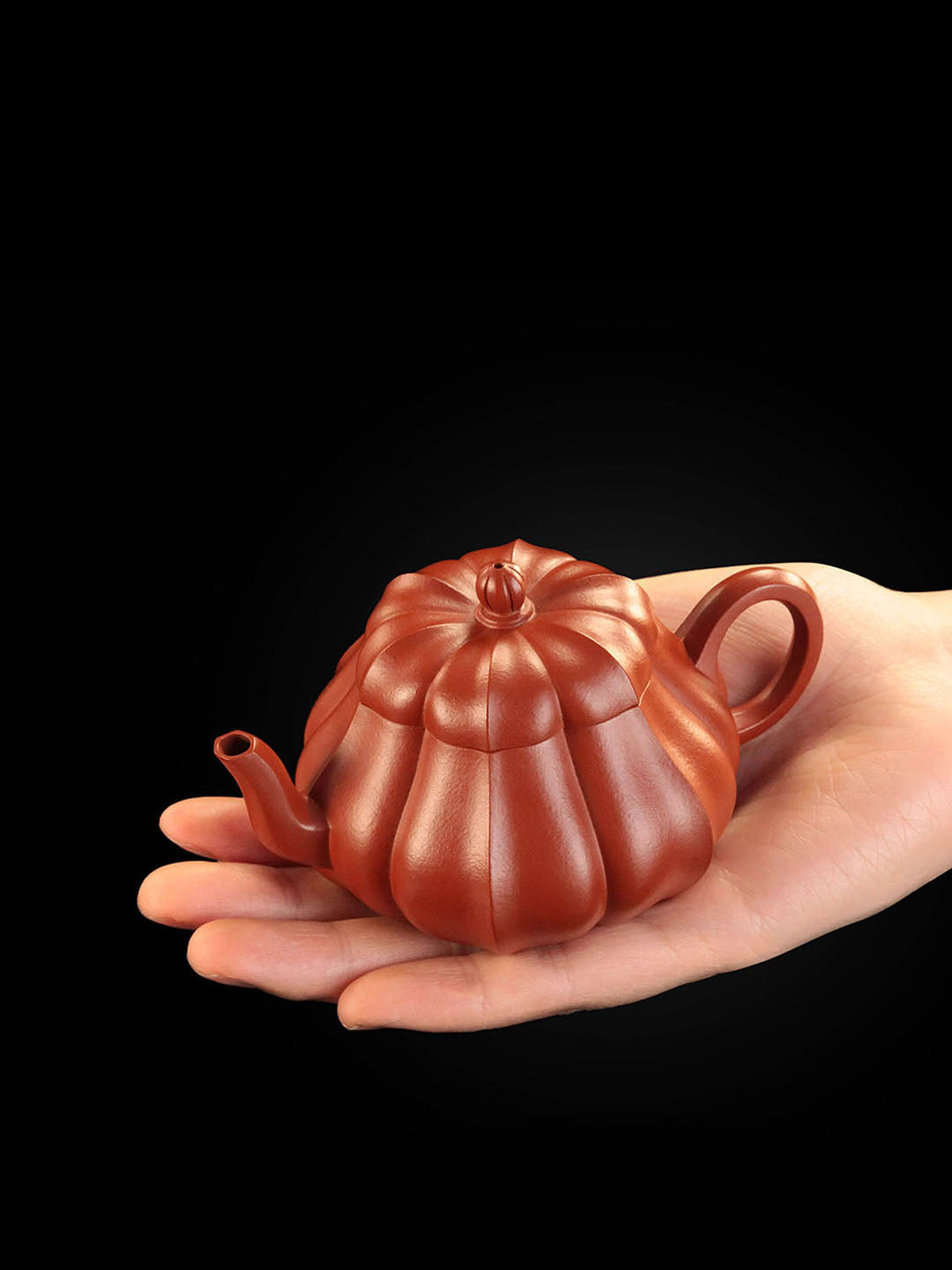
Main Brewer: 110ml small vermilion clay gaiwan (enhances aroma and highlights the bold rock rhyme and spicy notes).
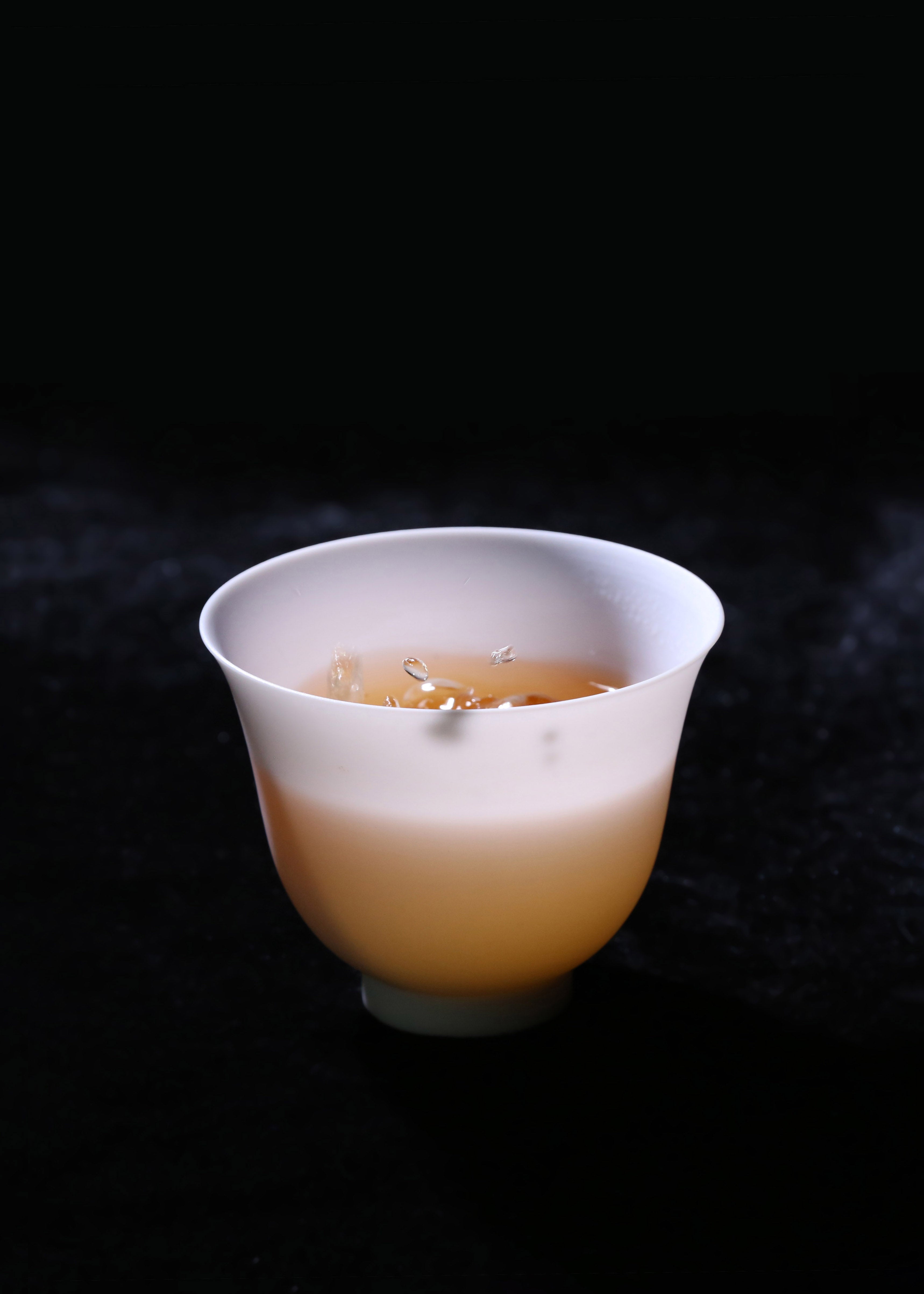
Auxiliaries: Glass fairness cup (to observe the orange-red liquor), 50ml white porcelain tasting cups (for accurate aroma presentation).
Tools: Bamboo tea spoon (odor-free), thin-spout kettle (for water flow control).
Tea and water :
Tea: Wrap 8g dry tea in tissue paper, aerate in a cool, well-ventilated place for 30 minutes (reduces stagnant taste).
Water: Use purified water with TDS 50-100mg/L (mineral water is not recommended as it masks the rock rhyme); boiling water at 100℃ is required (to stimulate deep-layered rock rhyme and spicy notes).
II. Core Brewing Steps
Warm Ware & Rinse Tea:
Rinse all tea ware with boiling water until the temperature reaches ≥80℃ (to avoid trapping aroma), then drain thoroughly. Add 8g tea to the gaiwan, shake gently to spread evenly at the bottom. Pour boiling water from a height (10cm above the gaiwan rim), fill to the brim, cover, and steep for 5 seconds before draining completely (rinse once only to preserve spicy notes). Use the rinsing water to warm the tasting cups and enhance residual aroma.
Brewing:
Infusions 1-3: Pour boiling water from a height along the gaiwan wall, steep for 6-8 seconds (releases cinnamon aroma and awakens the tea’s inherent qualities).
Infusions 4-7: Pour boiling water from a height in a circular motion, steep for 10-12 seconds (rock rhyme blends with spicy notes, and the liquor becomes richer).
After Infusion 8: Pour boiling water from a height at a fixed point, add 5 seconds to each subsequent steep (preserves the sweet finish, with rock rhyme lingering).
Note: Drain the liquor completely within 10 seconds when serving (tilt the gaiwan at 15°) to avoid bitterness from over-steeping.
3. Key points
Avoid water temperature below 95℃ (rock rhyme is hard to release), steeping for over 15 seconds (bitterness appears), and tea ware with foreign odors (flavor contamination).
With moderate to full roasting and aroma-locking vermilion clay gaiwan, it ultimately presents the true Zheng Yan (True Cliff) character: "spicy notes without irritating the throat, rock rhyme lingering at the throat base, and a rich, smooth liquor with natural sweetness."