
Gently Loosen the Brick and Prepare Your Teaware
prying tea
Tools: Fine-tipped tea needle (preferred) or thin tea knife; avoid using wide-bladed tools for violent disassembly.
Method: Insert it into the gap at the edge of the brick and gently pry it into small pieces of 2-3g (Poria cocos is brittle and easily broken; if the pieces are too large, it will be difficult to extract the flavor, and if they are too small, it will make the flavor cloudy).
Avoid this pitfall: Do not smash or break the tea into small pieces with a hammer, as this will make the tea soup cloudy.
Tea selector
For everyday drinking: 150ml ceramic gaiwan (concentrates aroma without overpowering flavor).
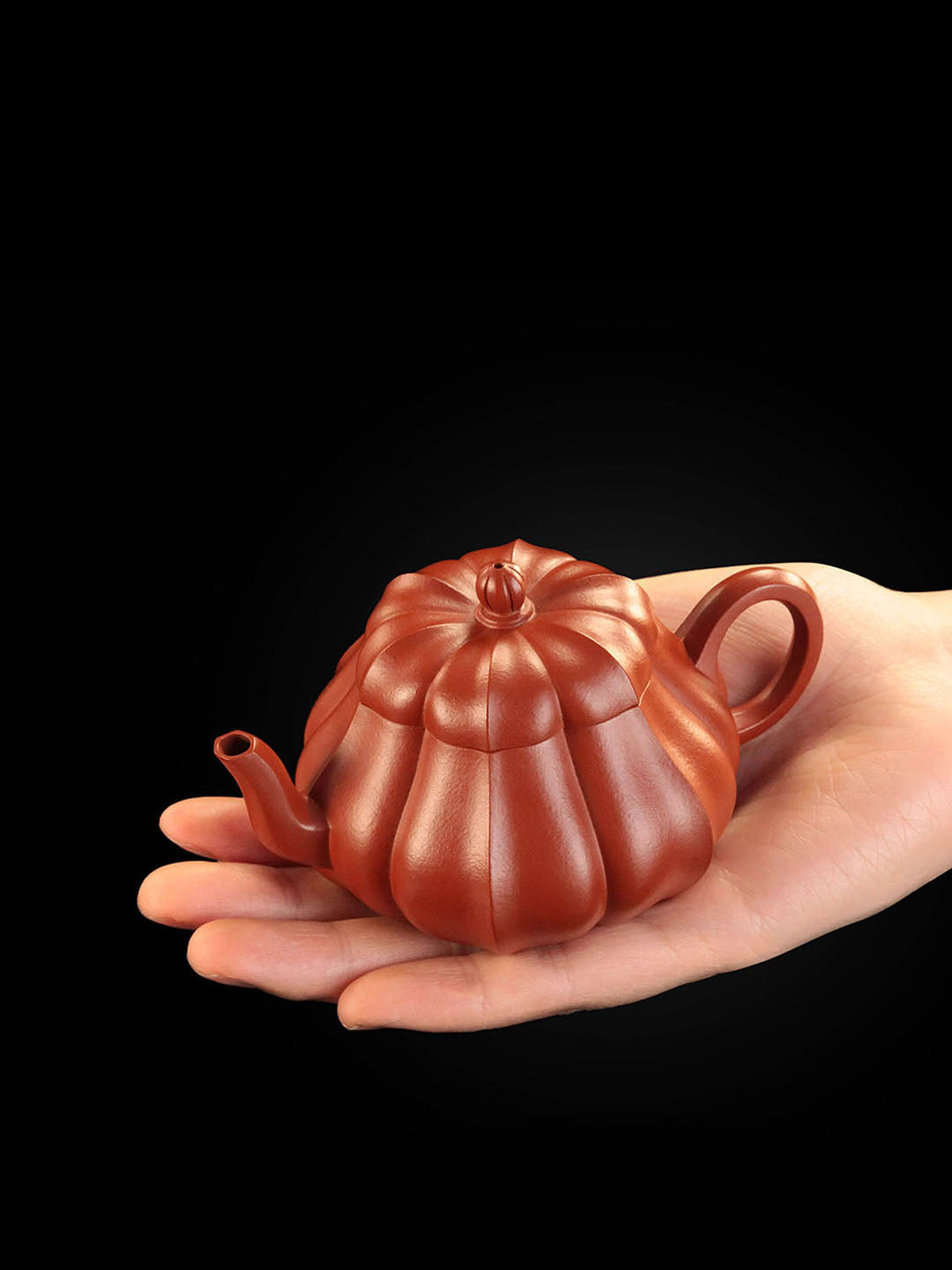
For a smooth and creamy texture: 300ml earthenware pot (avoid glass pots as they easily dissipate the aroma).
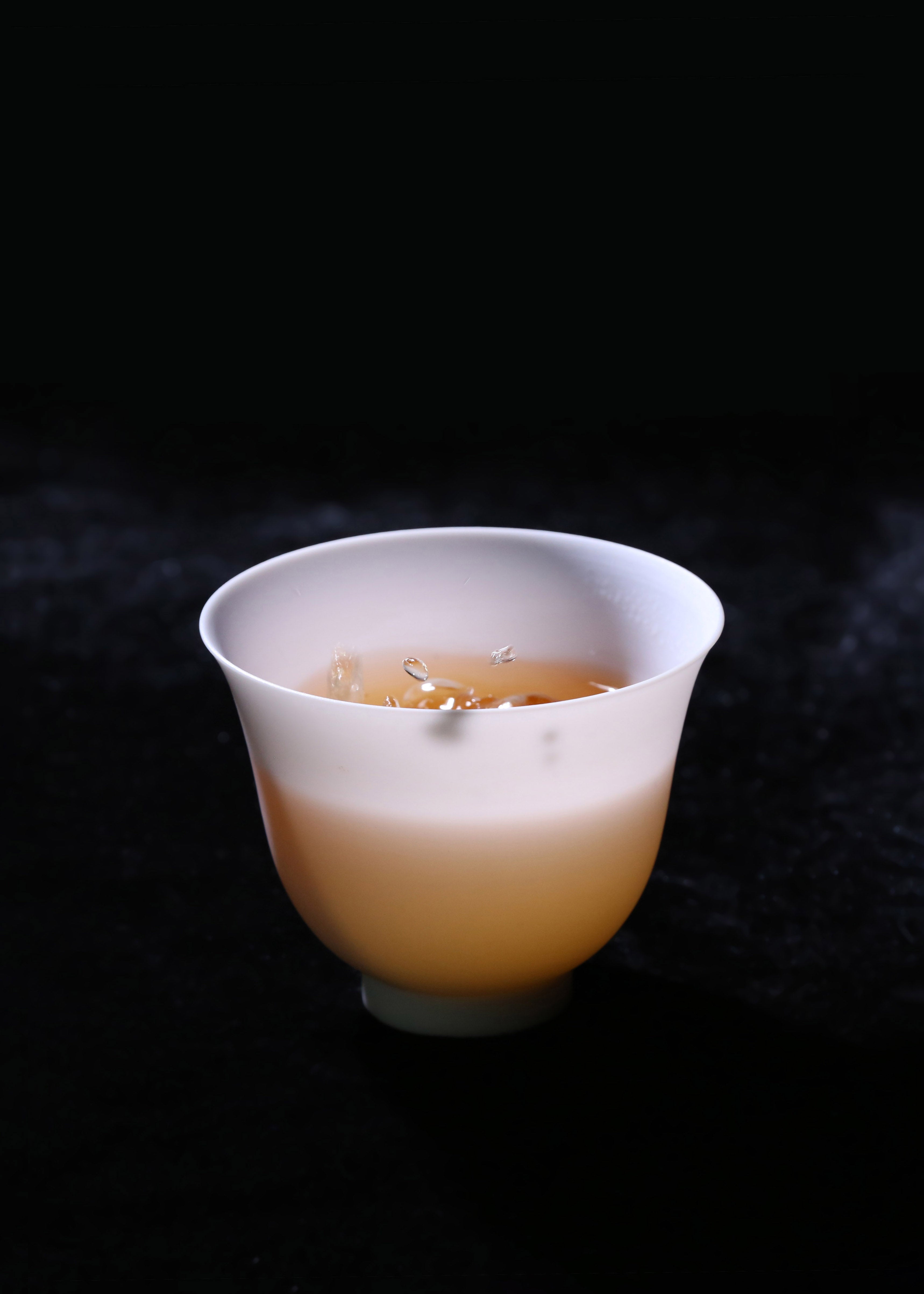
Auxiliary tools: filter screen (to filter out residue), glass fairness cup (to observe the color of the tea), ceramic tasting cup (to keep the tea warm).
Prepare water
Water quality: Purified water with TDS of 50-100mg/L (mineral water may mask the sweetness of Poria cocos).
Water temperature: Must be 100℃ boiling water (high temperature penetrates the tea brick, stimulating the aroma of Poria cocos and tea).
Gaiwan brewing
Warming utensils: Rinse the gaiwan, fairness cup, and teacup with boiling water to raise the temperature of the utensils and prevent the soup from cooling down and affecting the flavor.
Rinse the tea: Add 5-6g of tea cake, pour boiling water from a height (8cm from the rim of the bowl along the side), cover and steep for 10 seconds, then quickly drain.
Uses: Softens tea blocks, removes surface impurities, and the tea-rinsing water can be used to rinse teacups for a second warming.
Bubble separation:
1-3 steeping: Pour boiling water along the wall and steep for 8-10 seconds before serving (Poria cocos dissolves easily, so avoid making the flavor too strong).
4-6 infusions: Pour water in a circular motion to cover the tea block and steep for 10-12 seconds (the aroma of tea and the flavor of Poria cocos blend together).
7. After each soak: extend the soaking time by 2 seconds, and keep pouring water along the wall (to prevent the crumbs from overflowing).
Serving:
Each time you pour out the soup, you need to pour it out quickly within 10 seconds and drain it. Tilt the bowl at a 15° angle to remove any remaining soup (to prevent the Poria cocos from being over-extracted and causing the soup to become stale).
Brewing tea (Choose with caution! Only for later use).
Applicable conditions: When the tea cake still has a lingering flavor but the tea soup becomes lighter after brewing in a gaiwan 6-7 times.
operate:
Place 3g of the remaining tea pieces into the earthenware pot and fill it with boiling water.
After bringing to a boil over high heat, reduce to low heat and simmer for 30 seconds to 1 minute (avoid vigorous boiling or cooking for more than 1 minute to prevent a muddy taste).
Turn off the heat and let it steep for 30 seconds. Filter and drink while hot (only boil once more).
Drinking and Taboos
When to drink: Drink within 1 minute after brewing. When hot, the warmth of the poria cocos and the aroma of the tea are best balanced. When cold, it is easy to feel astringent.
Key points to experience: First, take a small sip of the soup to feel the warm and smooth sensation in your throat (a core characteristic of Poria cocos), then savor the aroma of the tea.
Prohibited operations:
Brewing fresh tea blocks directly: The flavor of Poria cocos becomes too strong instantly, masking the aroma of the tea and making it prone to astringency.
Brewing with tea leaves: The tea soup is cloudy and the taste is poor.
Brewing with low-temperature water: If the water temperature is <95℃, the tea brick will not be transparent, and the tea soup will be weak and tasteless.
Can Mixed drinks
Honey Fuzhuan Tea: After brewing and cooling slightly, add honey and stir well for a sweet and mellow aftertaste.
Chrysanthemum Fu Brick Tea: Brew tea and chrysanthemum in a 3:1 ratio, and it's refreshing and helps cut through any greasiness.
DIY Milk Tea: After brewing tea, add milk and sugar to make a healthy version of Qinghai milk tea.
Summarize
Gently break up the brick, steep for a short time, and carefully boil the tea. High temperature brings out the aroma and sweetness—the goal is to blend the flavors of the tea and Poria cocos while controlling the steeping time to prevent the Poria cocos from overpowering the tea.