
Preparation of Utensils
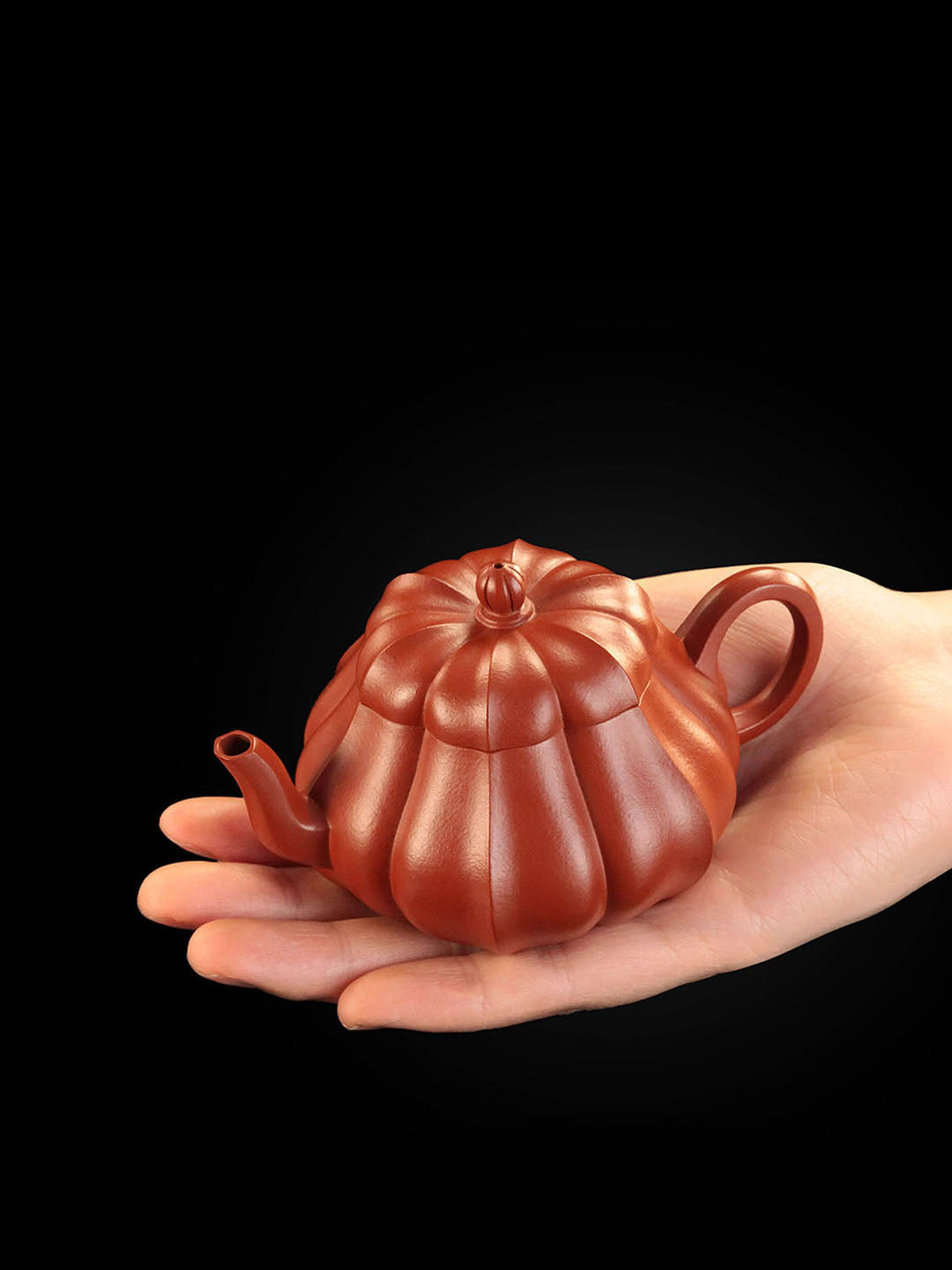
Main brewing vessels:Purple clay teapots with good air permeability (suitable for aged tea or teas needing aroma concentration) or open-mouthed covered bowls (easy to observe tea color).
Fair cup:Glass is preferred for easy observation of tea color.
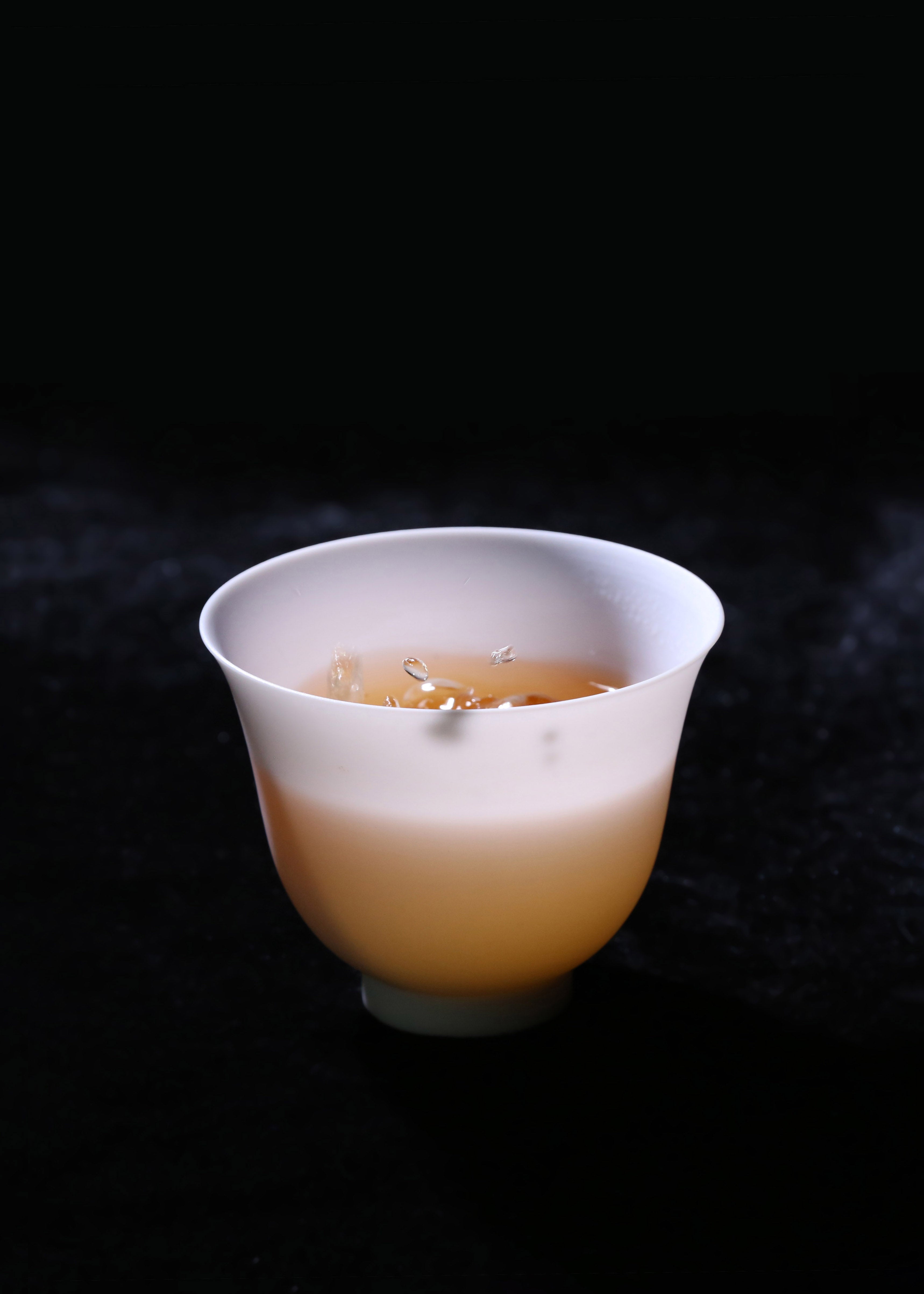
Tasting cups:Small porcelain or pottery cups, good for aroma retention.
Auxiliary tools:Tea needle (for breaking compressed tea), tea scoop, tea cloth, etc.
Tea Leaves and Water
Tea leaves:Tea leaves: Loose tea can be used directly. Compressed tea (cakes, bricks, tuocha) needs to be pried loose in advance and "awakened" for 1-3 months (in a ventilated, light-proof, and odor-free environment).
Water:Qualified purified water is sufficient; never use alkaline mineral water.
(Commercially available mineral waters and mountain spring waters vary in water quality due to different sources; so-called "high-quality mineral water" will likely cause loss of functional components in tea and inhibit its aroma.)
Tea dosage:Use 5-8g of tea for a 100-150ml container (tea-to-water ratio of approximately 1:20; adjust strength to personal taste).
Steps
Warm and clean the utensils
Rinse all utensils with boiling water to raise their temperature, helping to release the tea's aroma.
Formal brewing
This tea does not require rinsing —
the first infusion is the essence, full of the delicate fragrance of tea down and the sweetness of amino acids. (Only aged Pu'er tea over 15 years old, such as tuocha and brick tea, needs rinsing.)
Infusions 1-3: Pour boiling water from a height
(When pouring, slightly lift the kettle to let the water flow hit the tea leaves and release the tea's aroma). The infusion time is 5-10 seconds; drain the tea soup quickly to avoid excessive leaching of bitter and astringent substances. (For new tea with obvious bitterness, shorten the time to within 5 seconds; for aged tea, extend it to 10 seconds.)
Infusions 4-7:
Pour water at a medium height (gentle circular flow to keep tea evenly heated); infusion time: 10-15 seconds. Adjust based on taste—if the tea fades, steep for an extra 5 seconds.
After infusion 8:
Pour water at a low height (close to the bottom of the pot/bowl to reduce impact); gradually extend steeping time (add 5-10 seconds each time). Aged tea can be steeped for 1-2 minutes until the flavor fades.
Tasting
After pouring the tea into the fair cup, divide it evenly into tasting cups. Smell the aroma while it's hot (raw Pu'er often has floral, fruity, nectar-like, or wild mountain notes). Sip slowly to feel the bitterness, sweet aftertaste, salivation, and lingering throat sensation.
Tips
1.Time control
A batch of tea should be brewed within 30 minutes. If not finished immediately, store it in a container. When you want to drink again, reheat the brewed tea—suddenly, the room fills with aroma, enchanting you.
Never leave brewed tea in the covered bowl for a long time (e.g., an hour or two) before rebrewing. Oxidation will deepen, weakening the fresh taste and volatilizing aromatic substances, resulting in a bland flavor. Such brewing reduces a rare fine tea to a lackluster experience.
2. Adjust based on age.
Aged tea (over 15 years old): Mellow in taste; this style can be steeped for a long time, brewed slowly, or even simmered.
By properly controlling water temperature, infusion time, and pouring method, the "richness, intensity, freshness, and briskness" of raw Pu'er or the "mellowness, smoothness, agedness, and fragrance" of aged tea can be fully displayed. It's advisable to adjust flexibly according to the tea's characteristics to find your ideal taste balance.