Spare parts
-
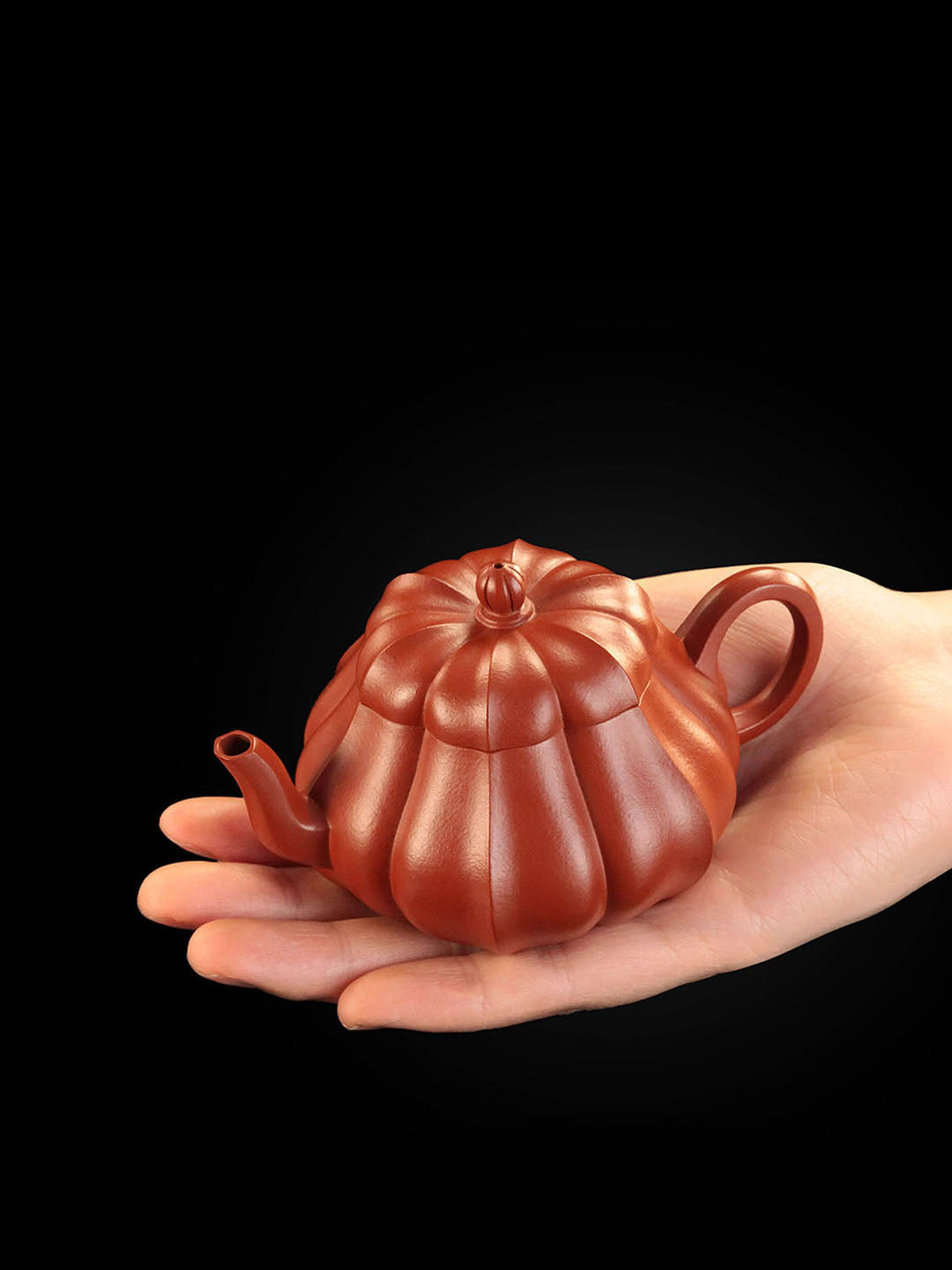
Teaware : It is recommended to use a gaiwan (local custom, which makes it easy to observe the color of the tea soup and the tea leaves) or a Yixing teapot (for accumulating aroma), with a capacity of 100-150ml.
-
Water source : Use only purified water; avoid mineral water and tap water.
-
Water temperature : 100℃ boiling water (Oolong tea requires high temperature to bring out its aroma).
-
Tea leaves : Take 8-10g of dry tea leaves (about 1/3 to 1/2 of the container, adjust according to personal taste).
Warm cup sanitary ware
Rinse the teaware with boiling water to raise the temperature of the teapot/bowl and prevent the tea from cooling down and affecting its flavor.
Add tea leaves to awaken the tea
Put the tea leaves into a warm teapot, shake it gently, and smell the aroma of the tea (the caramel, floral, or fruity aroma of rock tea). This step is called "shaking to release the aroma".
brewing
First infusion : Do not blindly follow the tea washing method. The first infusion is the essence of the tea! Pour water and pour out the tea immediately (about 10 seconds) to avoid prolonged steeping which will cause bitterness.
From the second infusion onwards : extend the steeping time by 5-10 seconds per infusion (adjust according to the concentration of the tea). After the fourth infusion, the steeping time can be increased appropriately.
Key techniques : Pour water from a high position to allow the water flow to impact the bottom of the tea leaves and release their aroma; drain the tea when pouring out the tea to avoid over-steeping.
Drinking
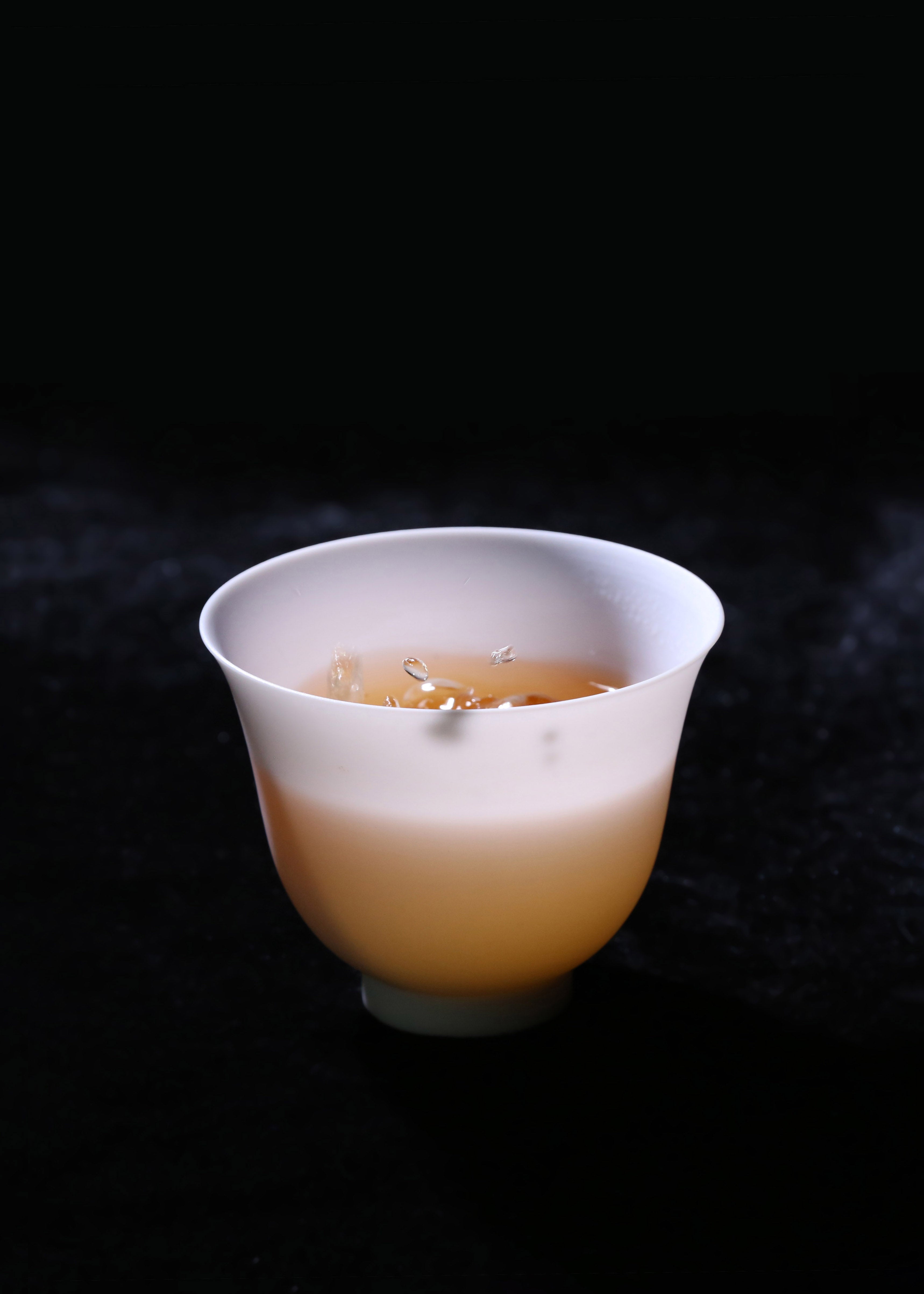
Pour the tea into a fairness cup, then into small teacups. First, smell the aroma (from the lid and the sides of the cup), then observe the color of the tea (amber from a low or medium heat, and red wine from a medium heat or aged tea), and finally sip it slowly to experience the "rocky flavor" (the mellowness, sweetness, and throat feel of the tea).
Key points
1. Never blindly follow the practice of rinsing tea. The first brew is the essence of the tea, praised by tea connoisseurs as the "revival soup."
2. Water is the most crucial element. If you are not familiar with the water used for brewing tea, choose qualified purified water. Do not use alkaline mineral water. (Various brands of commercially available mineral water have different water sources and quality indicators; so-called "high-quality mineral water" may cause loss of functional components and aroma suppression in tea.) For more information on water, please see the link >
3: A single serving of tea should be fully brewed within 20 minutes. If you can’t finish the brewed tea right away, store the tea infusion in a container. When you want to drink it again, reheat the previously poured infusion—in an instant, the room will fill with its enchanting, intoxicating aroma.
Do not leave the wet tea leaves (after steeping) in the gaiwan for an extended period (e.g., 1–2 hours) before re-steeping. This is because prolonged exposure leads to increased oxidation: tea polyphenols oxidize more deeply, the original fresh and brisk flavor fades, and aromatic compounds evaporate, resulting in a dull, tasteless brew. Such a method would reduce a rare, exceptional tea to a lackluster drinking experience.
This guideline applies to all highly aromatic Chinese teas.
Note: An exception exists for aged Chinese teas, as well as those with heavy roasting or strong fermentation. These can be steeped for longer periods, brewed slowly, or even simmered.
For brewing aged tea, please refer to "Rock Tea Brewing Guide".