
Stable, dry, light-proof and odor-free
Da Hong Pao (a representative of Wuyi Rock Tea, semi-fermented) requires storage adjustments based on roasting intensity (light/middle/full roast).
The core principles are to prevent moisture absorption, odor contamination and oxidation—full-roast Da Hong Pao can improve in quality through proper storage.
I. General Storage Principles
Da Hong Pao is highly sensitive to temperature, humidity, light and odors, and must follow the principles of "stability, dryness, light protection and odorlessness". Specific parameters are as follows:
Temperature: 20-25℃, avoiding fluctuations of ±5℃ (to prevent oxidation or condensation leading to mold).
Humidity: 50%-60% (mold-prone above 65%, loss of activity below 45%).
Light: Complete light protection (to prevent ultraviolet rays from damaging tea polyphenols, which makes the tea liquor astringent).
Odors: Keep away from spices, cooking fumes, etc. (tea leaves are porous and prone to irreversible odor contamination).
Air Permeability: Sealed for short-term storage (within 1 year); slightly ventilated for long-term storage (full-roast tea for over 1 year) (to prevent moisture accumulation or aroma loss).
II. Classification Storage by Roasting Intensity
- Light-Roast Da Hong Pao (Prominent Orchid/Fruity Aromas)
Characteristics: Contains 7%-8% moisture. Aroma fades easily and has poor storage stability.
Storage Method: Consume within 3-6 months. Seal in aluminum foil bags and place in airtight containers, storing in a cool area (away from kitchens/balconies).
Taboo: Do not refrigerate (condensation forms during thawing, causing a stale odor). - Middle-Roast Da Hong Pao (Balanced Aroma and Taste)
Characteristics: Contains 6%-7% moisture. More stable than light-roast tea, with a storage life of 1 year.
Storage Method: Divide into 5-10g portions wrapped in rice paper, store in ceramic/tin cans (leave a 1-2mm gap). Ventilate for 3-5 minutes monthly.
Shelf Life: Best consumed within 1 year (roast aroma and rock rhyme diminish after expiration). - Full-Roast Da Hong Pao (Caramel/Woody Aromas, Rich Rock Rhyme)
Characteristics: Contains 5%-6% moisture. Stable and suitable for aging (3-5 years, developing aged/medicinal aromas).
Storage Method:
Initial stage (1-3 months): Wrap in rice paper and place in purple clay/coarse pottery jars (leave a loose 3-5mm gap). Ventilate weekly to reduce "roast heat".
Long-term storage (over 1 year): Ventilate for 5 minutes quarterly. Place unscented desiccants in high-humidity environments.
Taboo: Do not store with light/middle-roast teas (to avoid irreversible odor contamination).
III. Storage Container Selection
Aluminum foil sealed bags : Suitable for short-term storage (within 3 months) of light-roast and middle-roast teas. Features strong sealing, effectively isolating moisture and odors.
Airtight Ceramic Jars: Ideal for storing middle-roast teas for 6-12 months. Lightproof and odorless, requiring only regular ventilation.
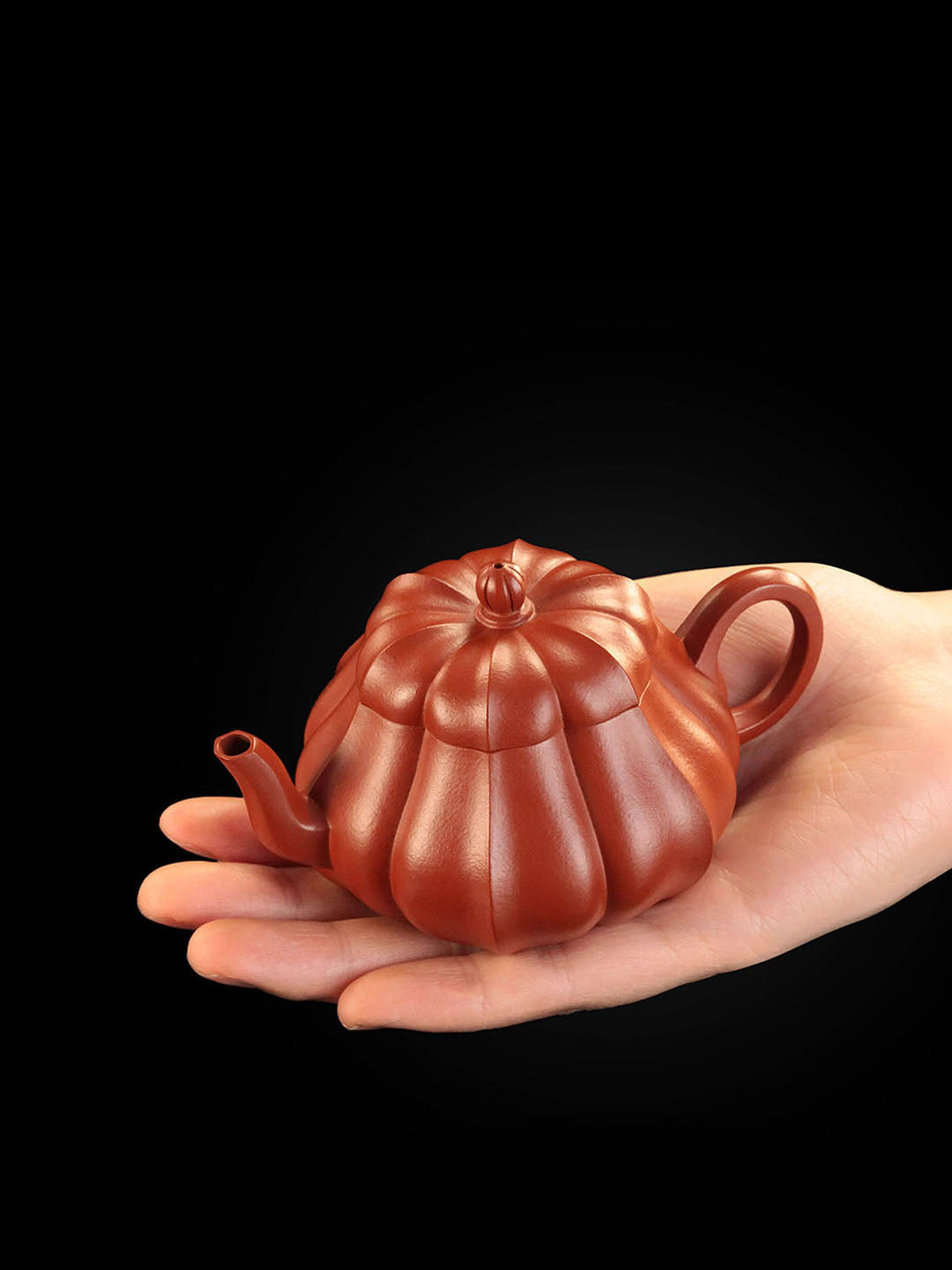
Unglazed purple clay jar : Specifically designed for aging full-roast teas for over 1 year. Provides uniform air permeability and humidity regulation; must be deodorized before use.
Food-grade tin cans : Compatible with storing middle-roast and full-roast teas for 6-24 months. Balances sealing and air permeability while preventing oxidation, with the only drawback of higher cost.
Lidded Glass Jars: Only suitable for short-term consumption (within 1 month) of teas of all roasting intensities. Allows visual inspection of tea condition but requires additional light shielding, with average sealing performance.
IV. Common Storage Mistakes
Storing tea in the refrigerator: High humidity and mixed odors in the refrigerator, coupled with temperature differences, easily cause condensation on tea leaves leading to mold. Additionally, the tea’s aroma becomes difficult to release.
Using Ordinary Plastic Bags for Storage: Prone to absorbing plastic odors and moisture. The tea will lose its "rock texture and floral aroma" within 1-2 weeks.
Fully sealed roasted tea: Blocks the tea’s "breathing" process, leading to moisture accumulation in the container and a stale, moldy odor.
Mixing with other Tea Types: Aromas and components of different teas overlap (e.g., the aged aroma of Pu-erh masks the roast aroma of Da Hong Pao), resulting in the loss of the tea’s original flavor.
V. Quality Inspection After Storage (Mandatory Regular Check)
Look: Inspect tea leaves for white/green/black mold spots.
Smell: Identify abnormal odors such as moldy or sour smells. For slight stale odors, spread the tea out to air for 1-2 hours before re-storing.
Brewing: Taste the tea liquor—if it becomes astringent or the aroma fades, consume the tea as soon as possible.
Summary
Light-roast tea: Consume within 3-6 months (sealed tightly to retain fresh aroma).
Middle-roast tea: Balance sealing and ventilation (best consumed within 1-2 years).
Full-roast tea: Slightly ventilate for aging (suitable for 5+ years of storage).