
spare parts
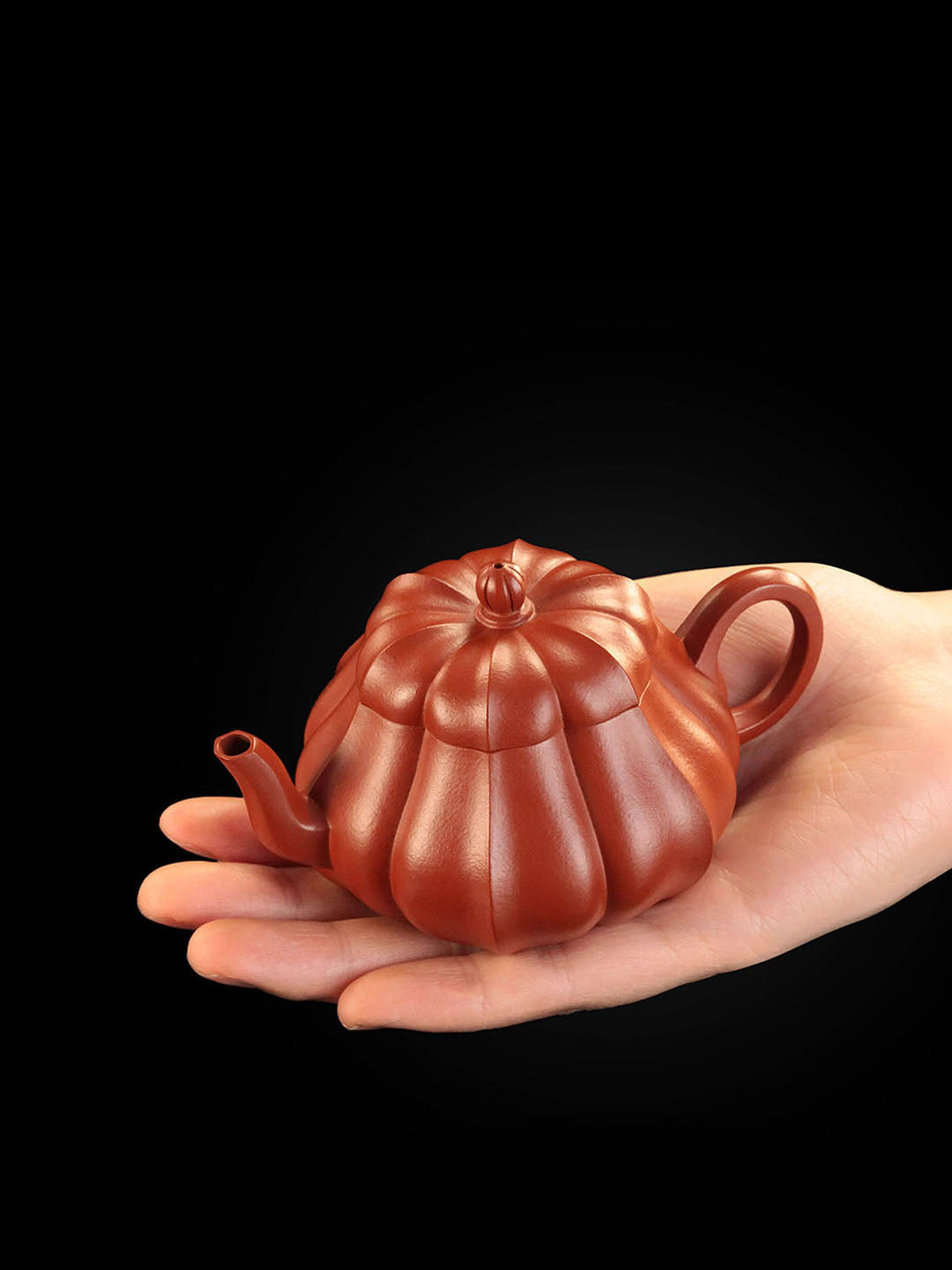
- Teaware : Gaiwan (preferred by locals for easy observation of tea liquor color and infused leaves) or purple clay teapot (for aroma concentration). Recommended capacity: 100-150ml.
- Water source : Use only purified water; avoid mineral water and tap water.
- Water temperature : 100℃ boiling water (Oolong tea requires high temperature to bring out its aroma).
- Tea leaves : Take 8-10g of dry tea leaves (about 1/3 to 1/2 of the container, adjust according to personal taste).
Warming and Cleaning the Ware
Rinse the teaware with boiling water to raise the temperature of the teapot/bowl and prevent the tea from cooling down and affecting its flavor.
Adding and Awakening the Tea
Put the dry tea into the pre-warmed teapot, shake it gently, and smell the dry tea aroma (such as the caramel, floral, or fruity notes of Wuyi Rock Tea). This step is called "shaking to release aroma."
brewing
First infusion: Do not blindly follow the "tea washing" practice — the first brew is actually the essence! Pour boiling water and pour out the tea liquor immediately (about 10 seconds) to avoid bitterness from over-steeping.
From the second infusion onwards: Extend each steeping time by 5-10 seconds (adjust according to the tea liquor concentration).
After the fourth infusion,Appropriately increase the steeping time. Key techniques: Pour water from a high height to let the water flow impact the bottom of the tea leaves and stimulate aroma; drain the tea liquor completely when serving to avoid prolonged steeping.
Tasting
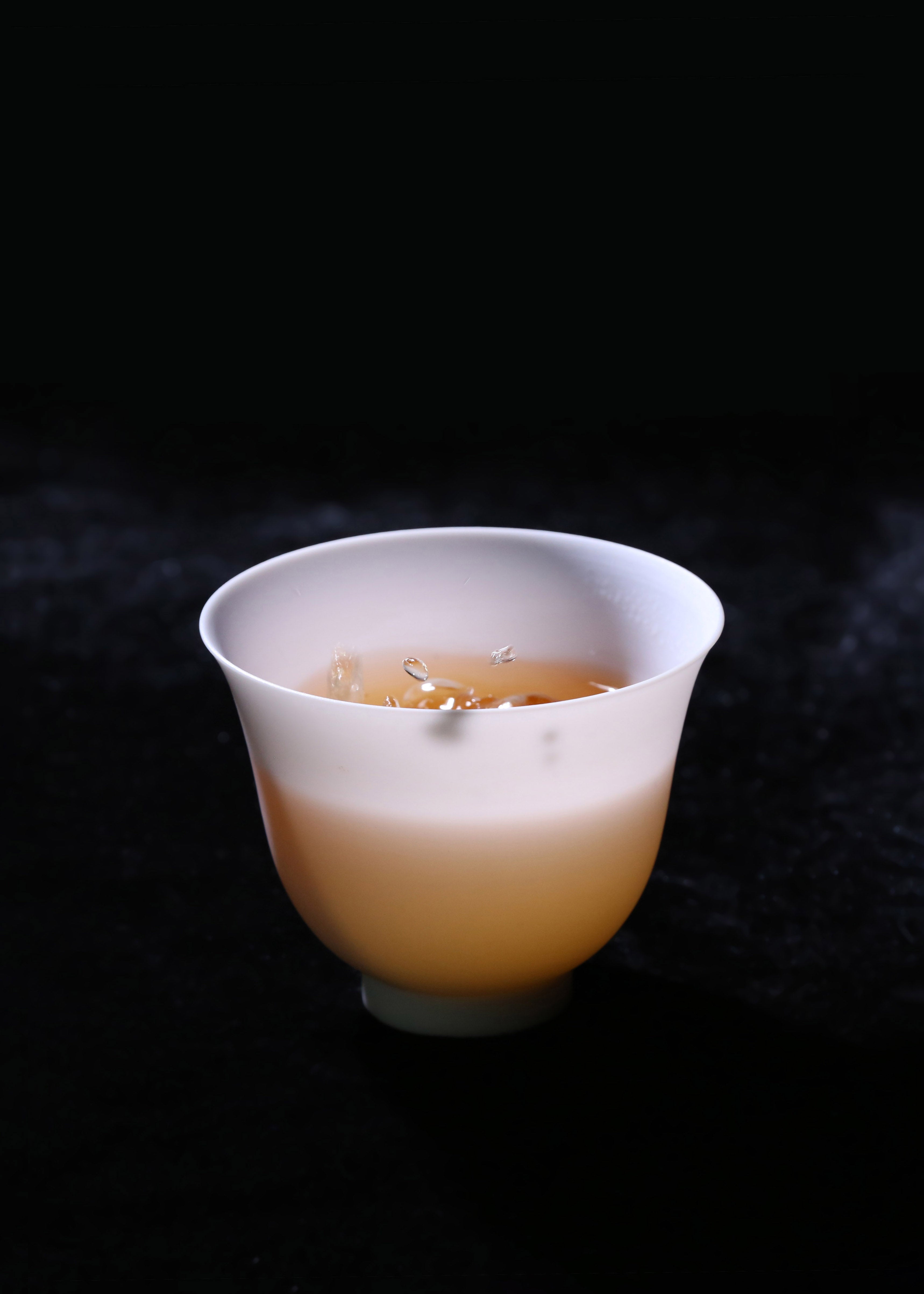
Pour the brewed tea liquor into a fair cup, then distribute it into small teacups. First, smell the aroma (including the lid aroma and the lingering aroma on the cup walls). Next, observe the tea liquor color — amber for tea roasted at low to medium temperature, and red wine color for tea roasted at medium temperature or aged tea. Finally, sip slowly to experience the "rock rhyme" (the richness, sweet aftertaste, and throat charm of the tea liquor).
Key points
1: Never blindly follow the "tea washing" practice. The first brew is truly the essence, hailed by tea connoisseurs as the "reviving brew."
2: Water is the paramount priority.
Choose Qualified purified water; never use alkaline water.
(For commercially available mineral water brands, their water sources and quality indicators vary. So-called "high-quality mineral water and mountain spring water" may cause loss of functional components and inhibition of aroma in tea.)