The ninth-generation direct descendant of Wei Yin, the progenitor of Tieguanyin tea and inheritor of the intangible cultural heritage of Tieguanyin tea making techniques.
Wei Yuede

Three hundred years of family craftsmanship
Wei Yuede is a heavyweight figure in Anxi's tea industry, known as the "Tea King of Southern Fujian." He learned tea-making techniques from his father from a young age and began cultivating tea seedlings at the age of 14. His lineage traces back to a family that has produced Tieguanyin tea, with a deep historical connection. Since Wei Yin, the ancestor of Tieguanyin tea, discovered it in 1723, the Wei family has upheld traditional tea-making techniques, spreading this exceptional tea to the world.


"In the 30 years I've been making tea, apart from sleeping for 6 hours, every day I wake up and it's all about tea." Since Anxi Tieguanyin was discovered by Wei Yin in 1723, Wei Yuede is Wei Yin's ninth-generation successor and a representative inheritor of the national intangible cultural heritage of Oolong tea (Tieguanyin) making techniques.


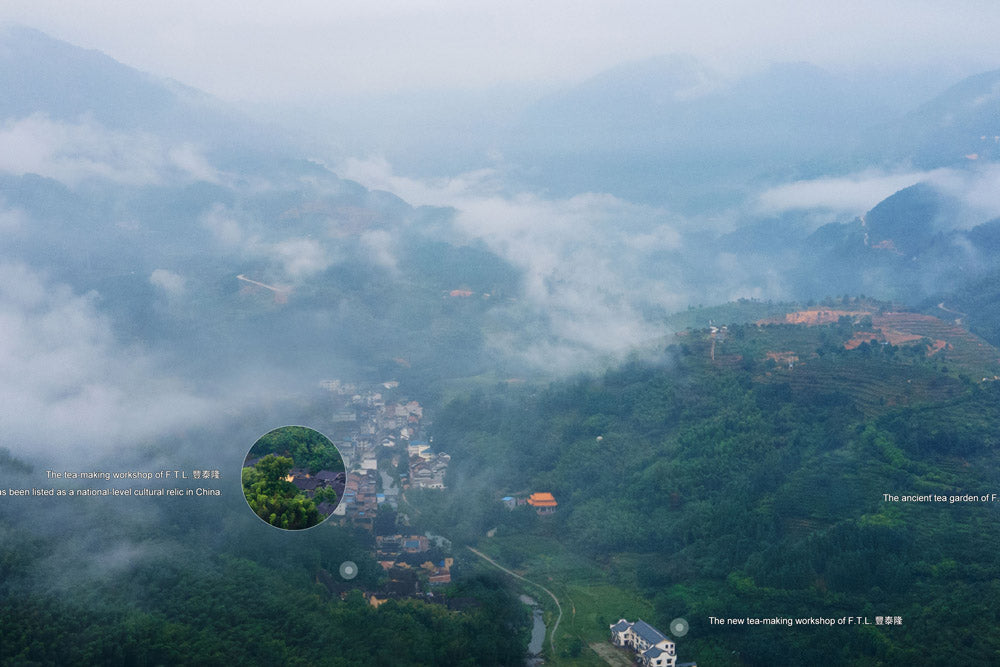
Songlintou, Xiping Town – the most authentic source of Tieguanyin tea
Songlintou in Xiping Town, Anxi County, is the birthplace and core production area of Tieguanyin tea, and Wei Yuede owns tens of thousands of acres of tea gardens here. His tea is harvested in spring and autumn and is refined through traditional processes such as shaking, fixing, sifting, stir-frying, rolling, wrapping and baking. It has a mellow and sweet taste and has the typical Tieguanyin flavor.

He is a craftsman, and also a successor.
Based on traditional and typical Minnan architecture, Wei Yuede established the Tieguanyin Tea Culture and Tea Making Techniques Training Center, offering free courses and sparing no effort in order to carry forward the Tieguanyin tea making techniques and tea culture passed down through generations.
His eldest disciple, Wang Youqiang, was initially just a tea enthusiast who came to learn from his reputation. After ten years of study, he has now become a representative inheritor of the traditional Chinese Oolong tea (Tieguanyin) making techniques.
